

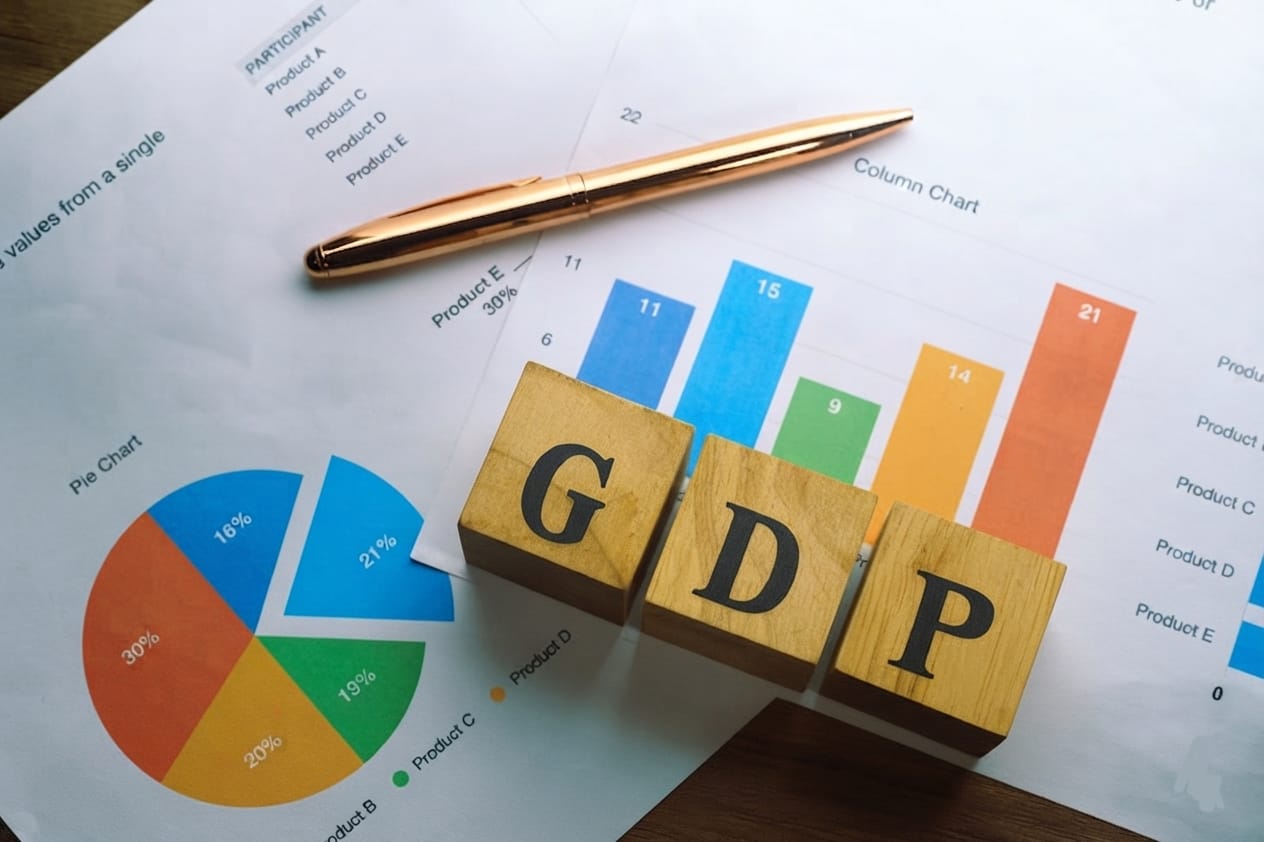
China's National Bureau of Statistics on Tuesday released second-quarter economic data showing that gross domestic product expanded by 5.8 percent year-on-year in the April to June period, surpassing both the government's annual growth target of 5 percent and the median analyst forecast of 5.3 percent. The result represents the strongest quarterly performance since the third quarter of 2024 and reinforces Beijing's confidence in its dual-circulation economic strategy.
Drivers of Growth
Consumer spending drove the headline figure, with retail sales expanding 7.4 percent year-on-year in the second quarter as households increased expenditure on travel, dining, home renovation and premium consumer goods following earlier periods of cautious saving. The National Tourism Administration reported that domestic travel during the May Day and Dragon Boat Festival holiday periods generated combined revenue of 1.2 trillion yuan, a 22 percent increase from the same periods in 2025.
Advanced manufacturing emerged as the second principal growth driver. China's exports of electric vehicles, lithium batteries, solar panels and industrial robots, the so-called new three, accounted for a combined 18.4 percent of total merchandise exports in the second quarter, up from 14.1 percent in the same period last year. Electric vehicle exports alone reached 1.4 million units in the quarter, representing year-on-year growth of 34 percent.
China's advanced manufacturing sector, including EV production, contributed significantly to the stronger-than-expected Q2 GDP result.
Property Sector Stabilisation
Economists had anticipated that the prolonged property sector correction, which began in 2021 with the liquidity crises affecting major developers, would continue to weigh on aggregate demand. Second quarter data suggests that government stabilisation measures, including the expansion of the state-sponsored property acquisition fund to 800 billion yuan and the reduction of mortgage rates to historic lows, have meaningfully arrested the sector's decline.
New home sales by floor area increased 4.2 percent year-on-year in the second quarter, the first positive reading in nine consecutive quarters. Housing starts, however, remain 28 percent below their 2021 peak, reflecting the ongoing restructuring of the development industry around a smaller but more financially resilient set of operators. Property investment as a share of GDP has stabilised at approximately 6 percent, compared with a peak of 13 percent in 2020.
Regional Disparities
Performance varied significantly across provinces. Guangdong, Jiangsu and Zhejiang, China's most export-oriented coastal provinces, recorded growth rates between 6.5 and 7.2 percent, supported by their concentration of advanced manufacturing and technology industries. Inland provinces including Guizhou, Qinghai and Yunnan, which are more dependent on real estate and traditional heavy industry, grew at rates between 3.8 and 4.4 percent, highlighting the persistent structural divergence within China's vast regional economy.
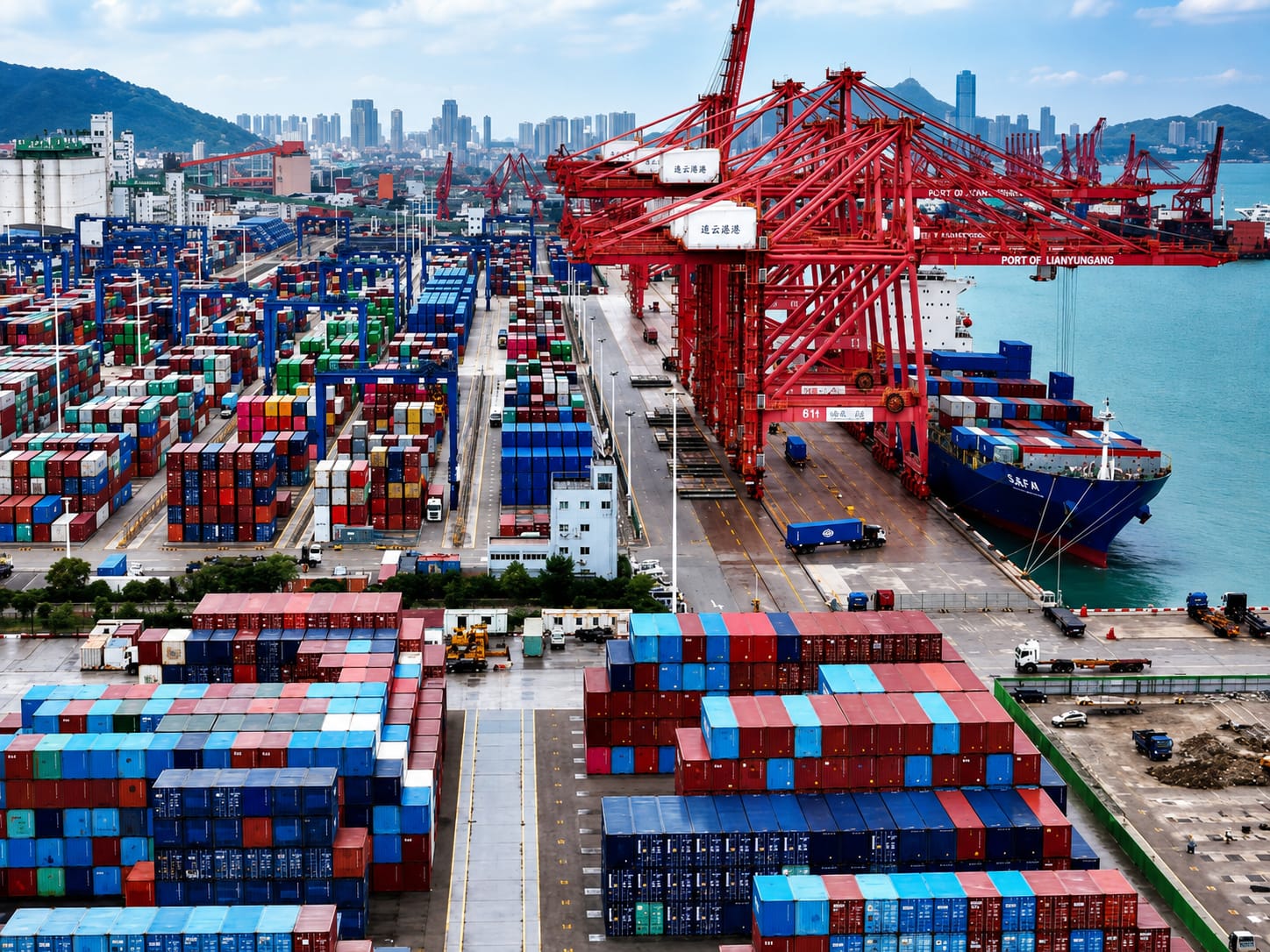
Coastal provinces led by Guangdong and Jiangsu recorded growth rates exceeding 6.5 percent as advanced manufacturing exports surged.
International Reactions and Trade Dynamics
The stronger-than-expected growth data prompted upward revisions to China forecasts from the International Monetary Fund, which raised its 2026 full-year growth projection for China from 4.8 percent to 5.4 percent. The World Bank similarly revised its estimate to 5.2 percent, noting that China's strong performance in new energy manufacturing represents a structural shift rather than a cyclical rebound.
Trade relations with the European Union and the United States continue to present headwinds. The EU's definitive countervailing duties on Chinese electric vehicles, finalised in November 2025 at rates between 18 and 35 percent, have contributed to a 12 percent decline in EV exports to Europe in the second quarter. Chinese manufacturers have responded by accelerating investment in European manufacturing facilities and supply chain partnerships to circumvent duty barriers over the medium term.
Outlook for the Second Half
Economists at Goldman Sachs and Morgan Stanley have both raised their full-year 2026 GDP forecasts for China to 5.6 percent following the second quarter data. The consensus view holds that the second half performance will be supported by continued fiscal stimulus, with the government expected to draw on the remaining 1.4 trillion yuan of the special sovereign bond issuance programme to fund infrastructure investment, and by continued strength in new energy exports despite Western trade barriers.
PBOC Governor Pan Gongsheng indicated at a post-data press conference that monetary policy would remain "appropriately accommodative" and that the central bank retained capacity for further reserve requirement ratio reductions if economic conditions warranted additional support. No immediate changes to the benchmark loan prime rate were announced.