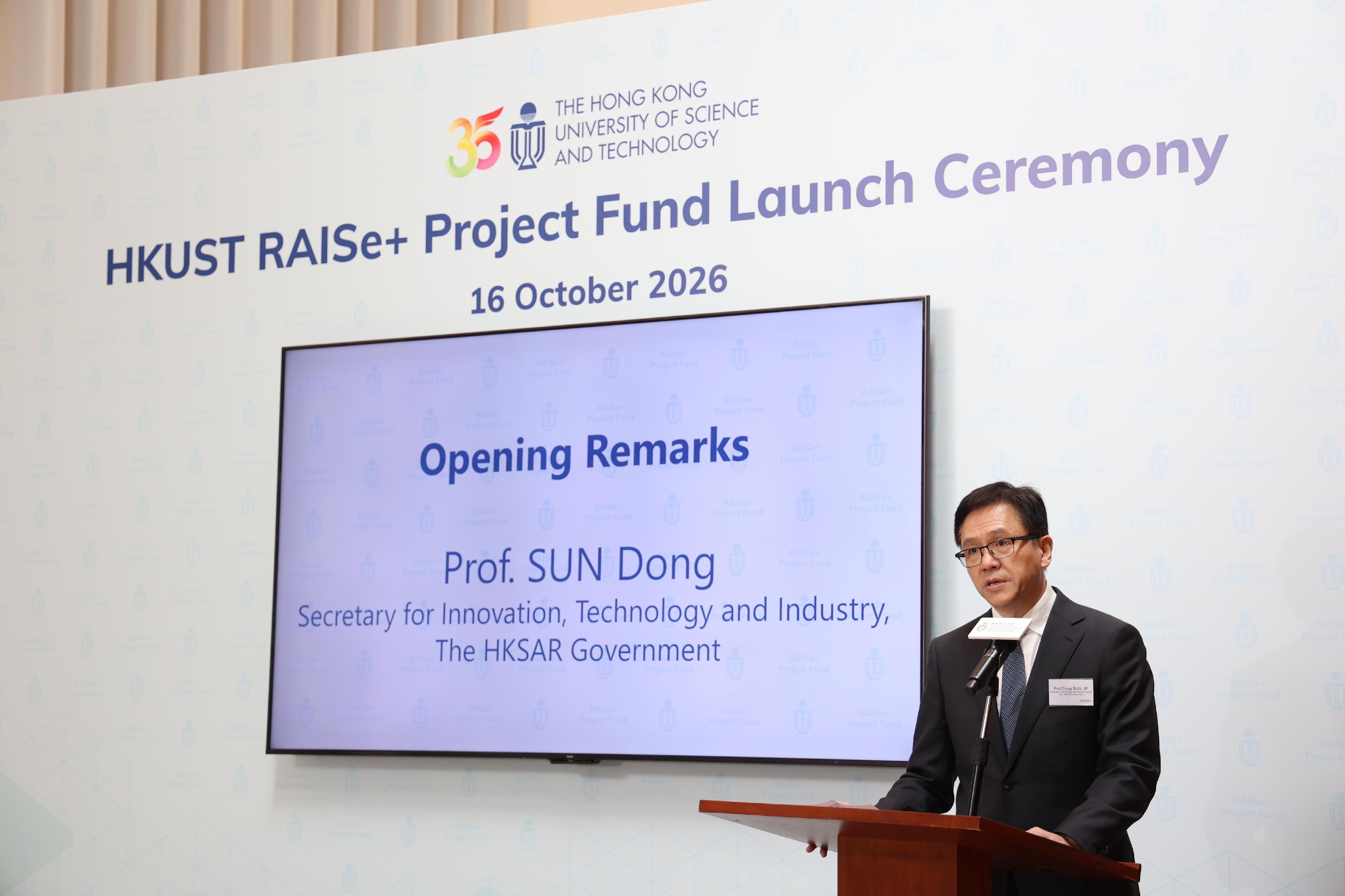
HKUST Launches HK$100 Million Fund to Back Research Startups
Hong Kong University of Science and Technology will invest HK$100 million from returns on earlier spin offs to help research teams commercialise technologies and build startups.
Jardine Matheson Takes Full Control of Gammon for $330m
Jardine Matheson will buy Balfour Beatty’s 50% stake in Gammon Construction for $330 million, expanding its engineering business across Asia.
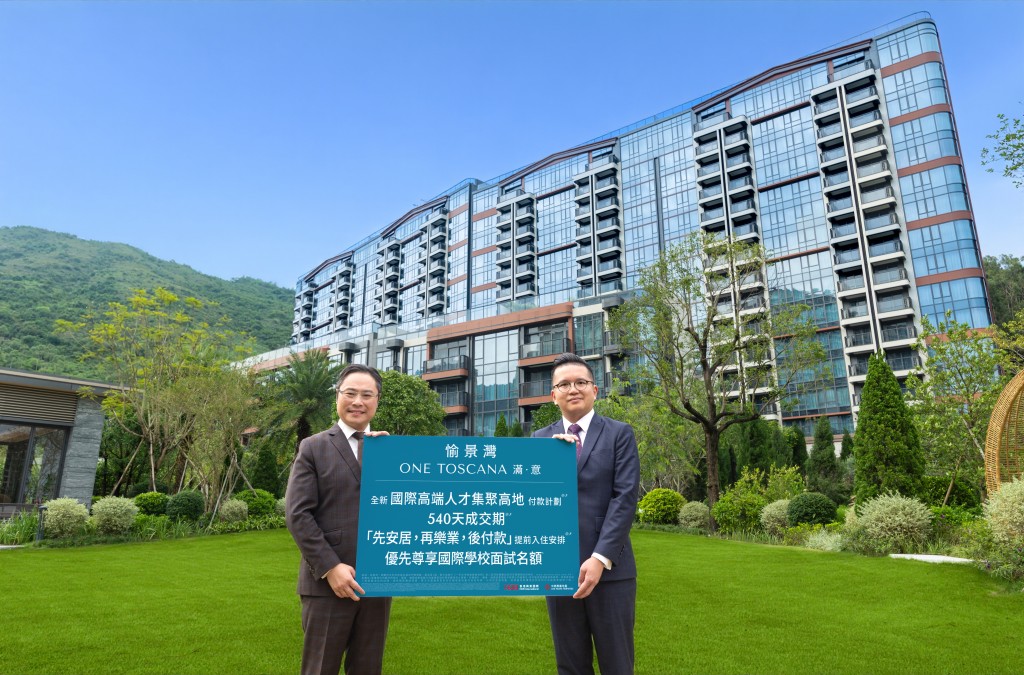
One Toscana Offers Buyers 540 Days to Pay for Homes
One Toscana in Discovery Bay has introduced a flexible payment plan allowing eligible buyers to move in early, spread payments over 540 days and qualify for cash rebates.

Germany’s Debt Ratio Set to Reach 78.25% of GDP by 2030
Germany’s debt ratio is projected to climb from 62.8% in 2025 to 78.25% by 2030 as infrastructure investment and defence spending increase.

US Consumer Confidence Falls as Inflation Fears Rise in October
US consumer sentiment fell to 46.3 in October as rising prices weakened confidence, while households raised inflation expectations for the year ahead and beyond.
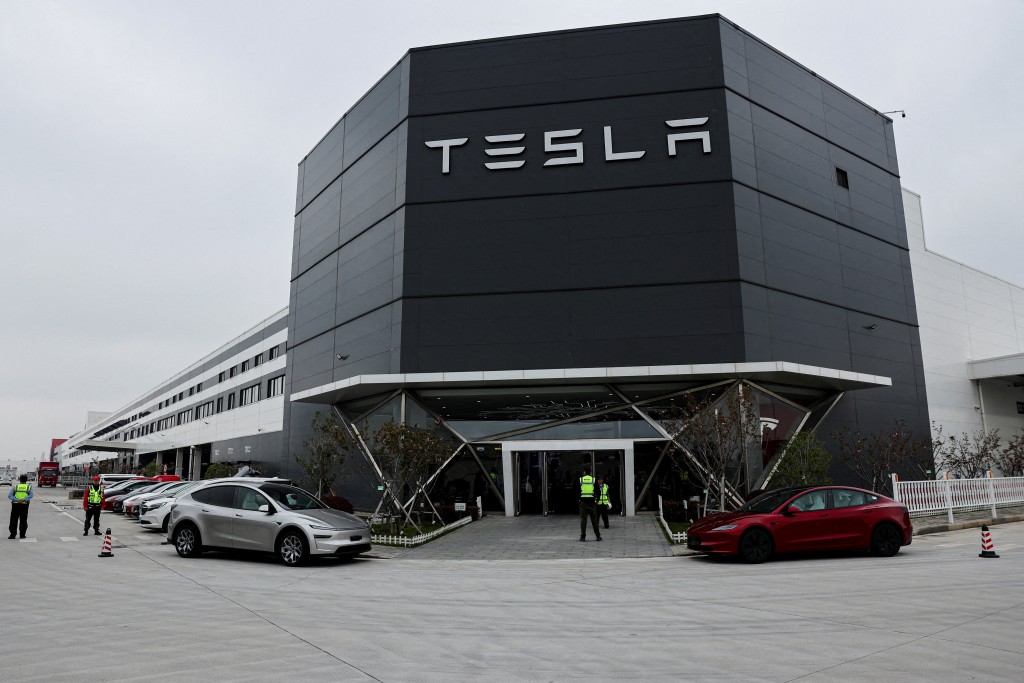
Tesla Beats Delivery Forecasts as Europe Sales Rebound
Tesla delivered 486,532 vehicles in the third quarter as stronger European sales helped offset weaker demand in the US and China.
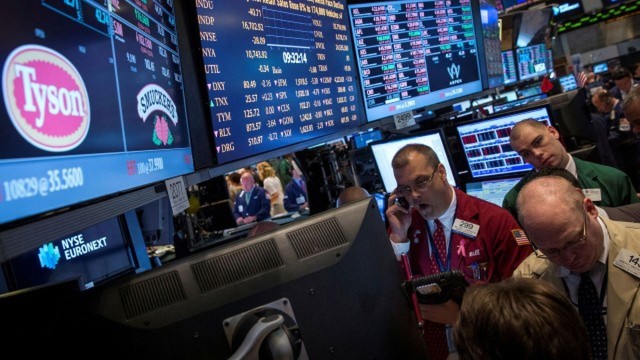
US Stocks Recover as Treasury Yields Pull Back
US stocks closed higher after Treasury yields retreated from multi decade highs, easing pressure on equities despite fresh inflation concerns.
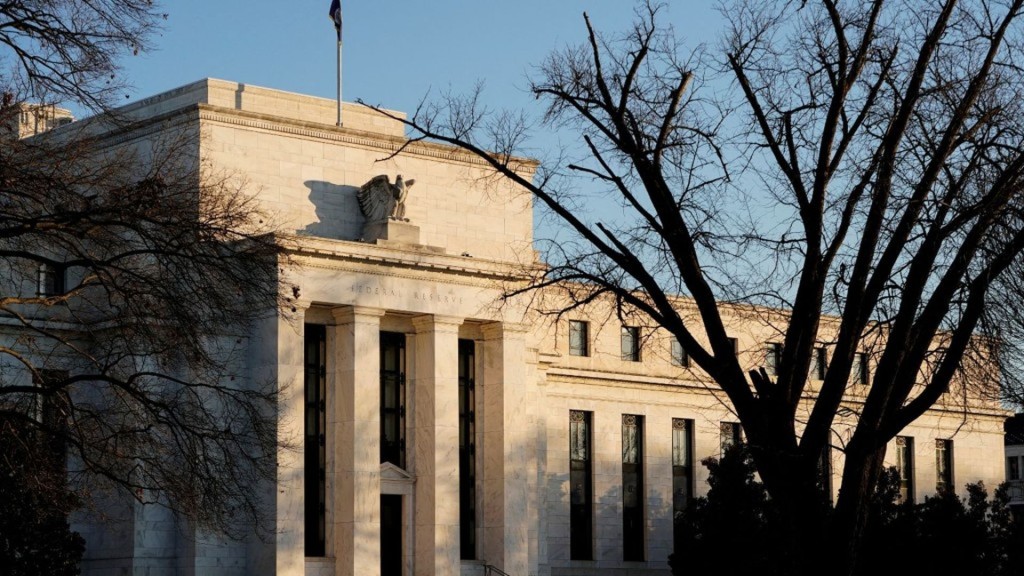
Goldman Sachs Delays Fed Rate Hike Forecast to December
Goldman Sachs has shifted its next Fed rate hike forecast to December after cooler inflation reduced expectations for another increase in October.
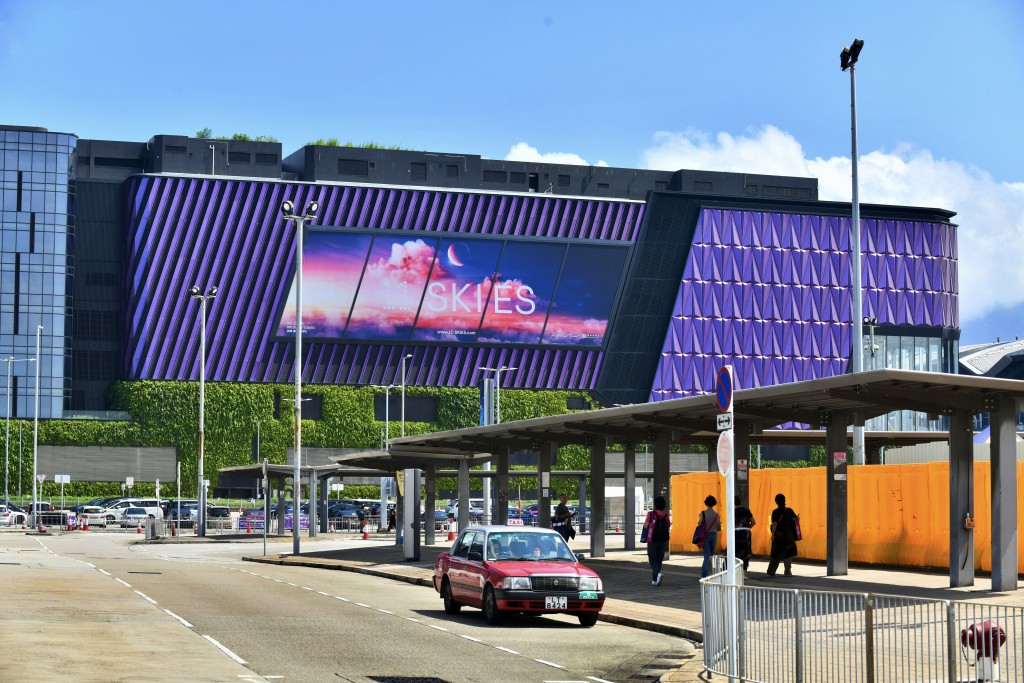
New World to End 11 SKIES Deal as Airport Takes Over
New World Development will end its 11 SKIES agreement in 2027, with the Airport Authority taking over project assets and future operations.

Shein Shares Fall 11% as Weak Earnings Deepen Investor Concerns
Shein shares fell more than 11 percent after the online retailer reported weaker earnings, with revenue growth slowing and profit sharply lower.
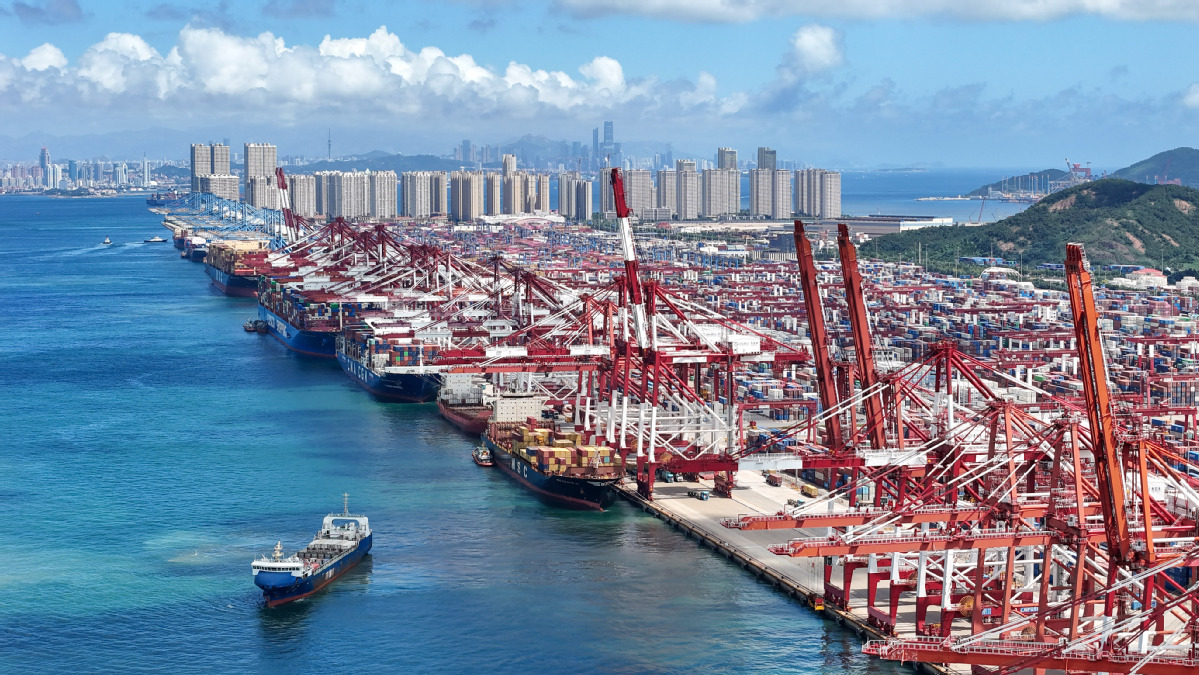
China and US Agree to Reciprocal Tariff Cuts on $30 Billion in Goods
China and the US will cut tariffs on about $30 billion of goods each, while extending trade talks and opening new channels for agriculture and AI.
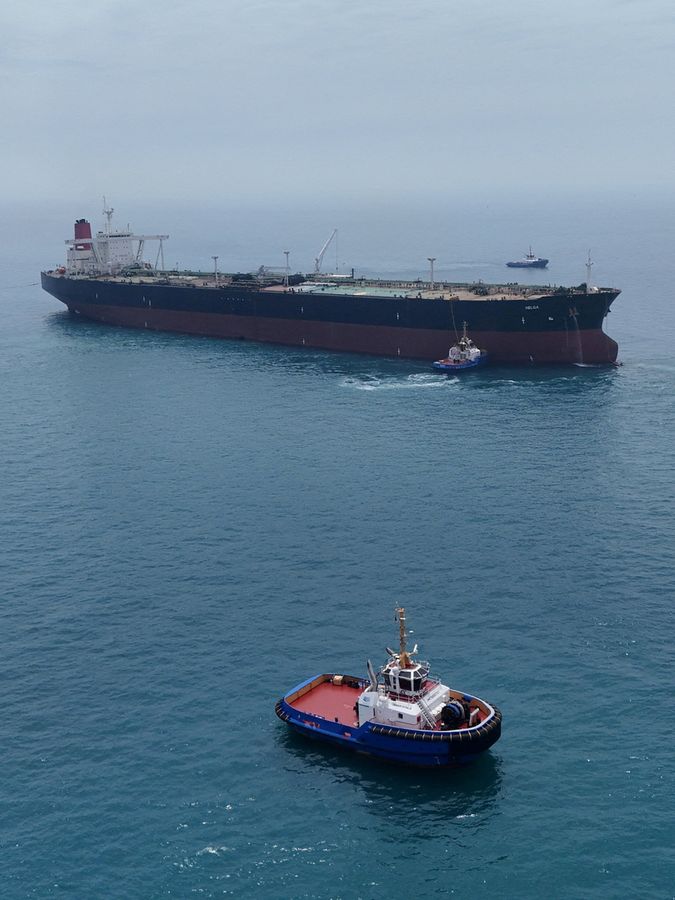
Oil Prices Rise 2 Percent as US Iran Talks Reach Stalemate
Oil prices climbed about 2 percent after US Iran peace efforts stalled, while renewed Middle East tensions and supply risks added pressure.
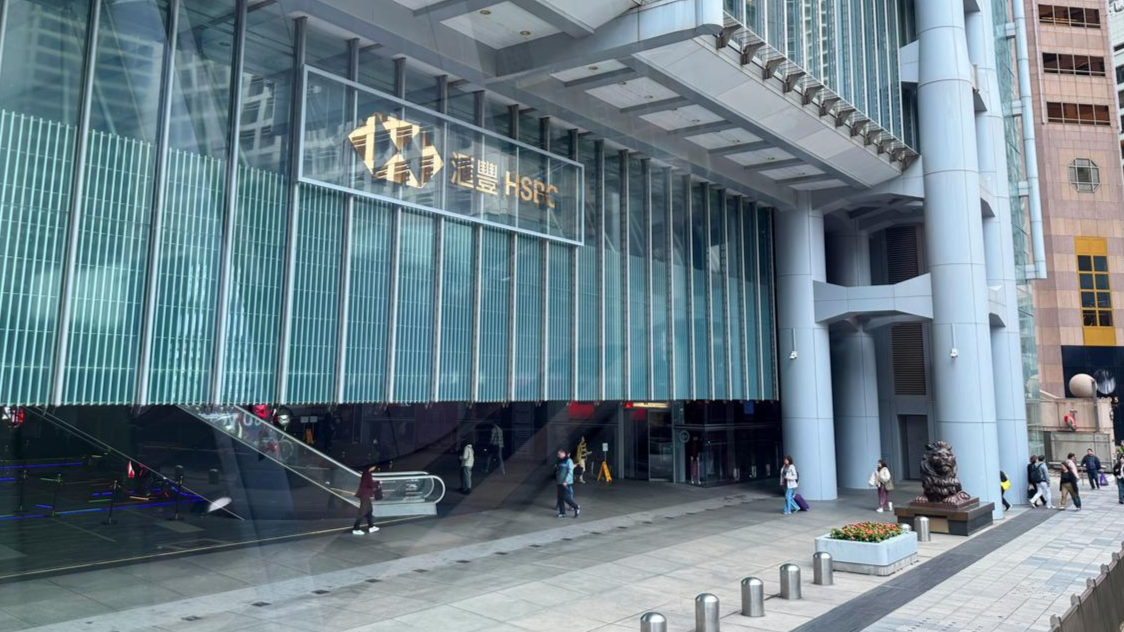
HSBC Cuts HK Bankers Club Subsidy in Latest Benefits Overhaul
HSBC will end a club membership subsidy for some Hong Kong bankers as it aligns employee benefits and pushes ahead with wider cost reductions.
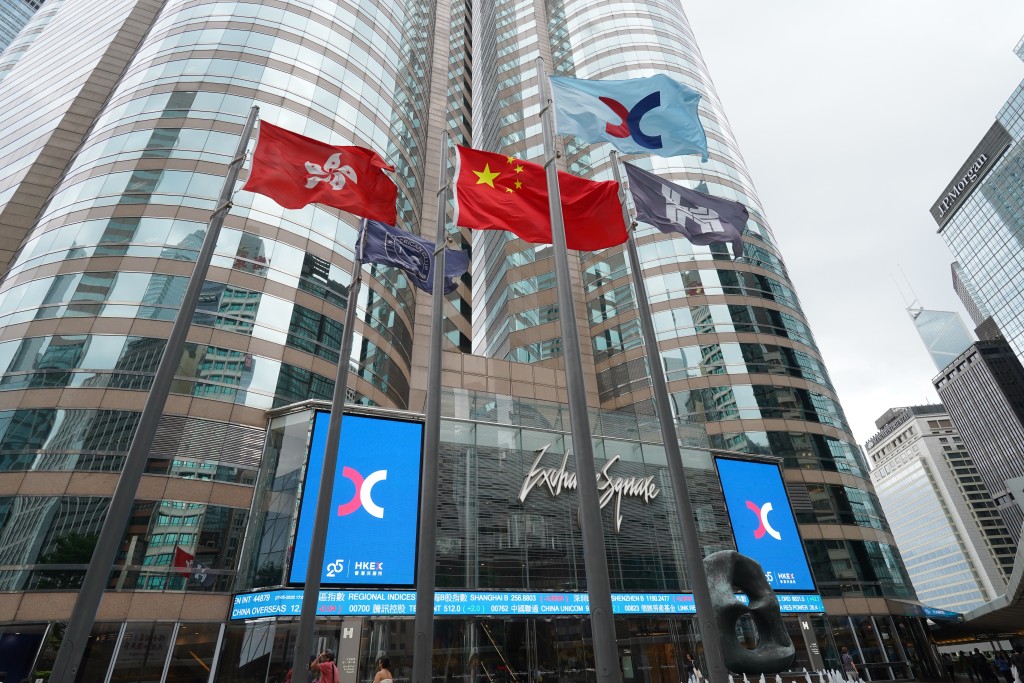
HKEX to Accept Chinese Bonds as Collateral From November
HKEX will accept selected Chinese government and policy bank bonds as non cash collateral for derivatives margins from November, pending approval.
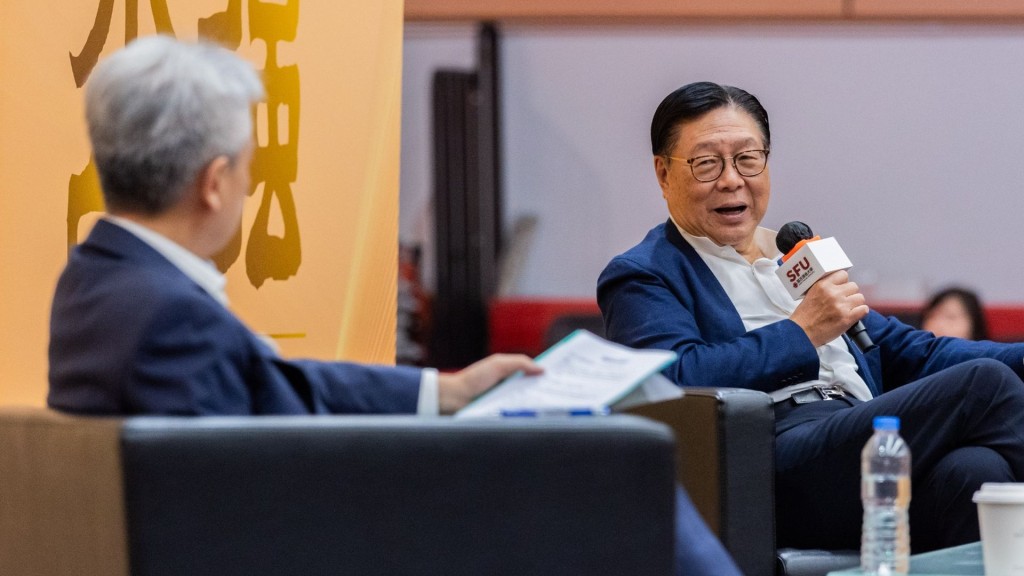
Hong Kong trade chief seeks stronger Shaanxi ties in tech
HKTDC chairman Frederick Ma led a Shaanxi visit focused on technology, finance and helping mainland companies use Hong Kong to reach global markets.

China Gold Imports Through Hong Kong Rise as Investors Seek Safety
China’s net gold imports through Hong Kong rose in August as investors continued adding bullion amid weaker yields and uncertainty over other assets.
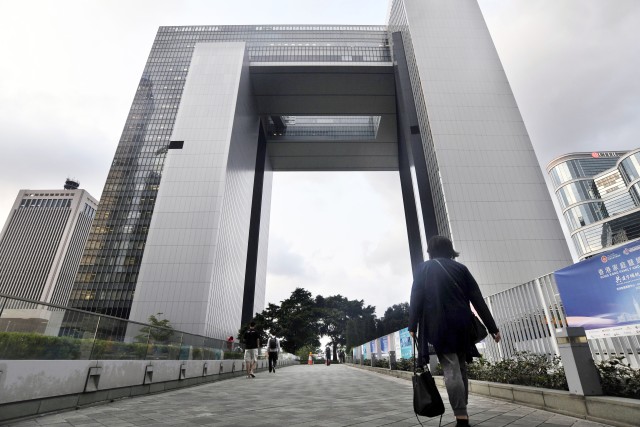
Hong Kong Plans Record Digital Green Bond Sale of $20 Billion
Hong Kong is preparing a mult currency digital green bond sale of up to HK$20 billion, seeking to expand its role in tokenised finance.
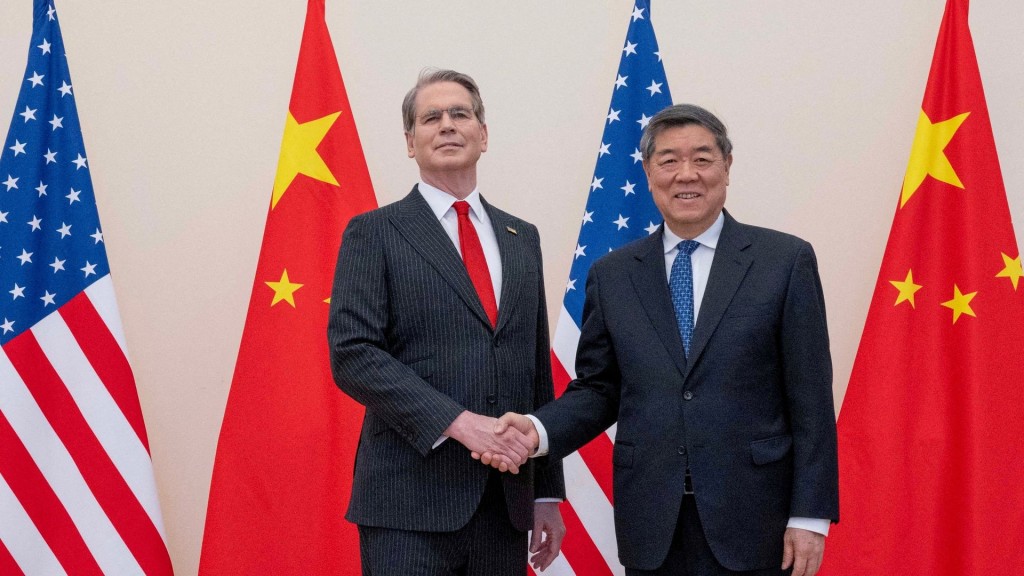
US Open to China Trade Truce Extension or Larger Deal
Washington is considering an extension of its China trade truce or a broader agreement as Trump and Xi prepare for talks on trade and AI.
US China Summit Set for Limited Gains on Trade and AI
Citi Research expects the upcoming US China summit to produce targeted agreements on tariffs, rare earths, AI and trade rather than a broad deal.
DBS Hong Kong Unveils Greater China Rewards for UnionPay
DBS Hong Kong has launched new UnionPay Diamond Debit Card benefits, offering rebates of up to 10 percent and travel perks across Greater China.
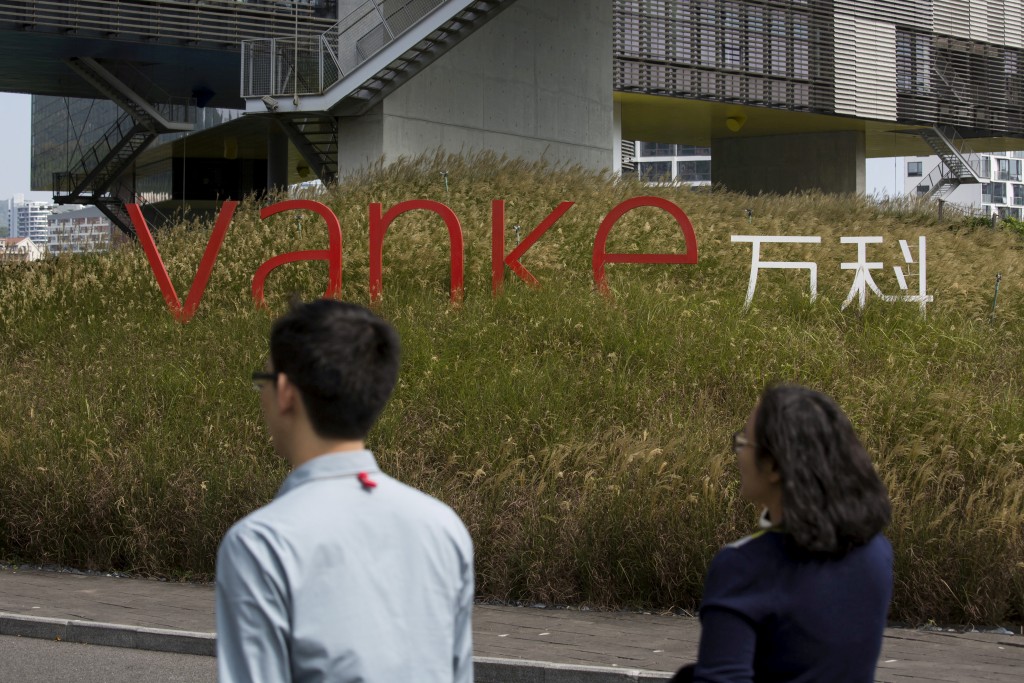
China Urges Banks to Shield Vanke From Loan Defaults
Chinese regulators have urged banks to delay Vanke loan repayments and avoid bad debt classifications as Beijing moves to contain property risks.
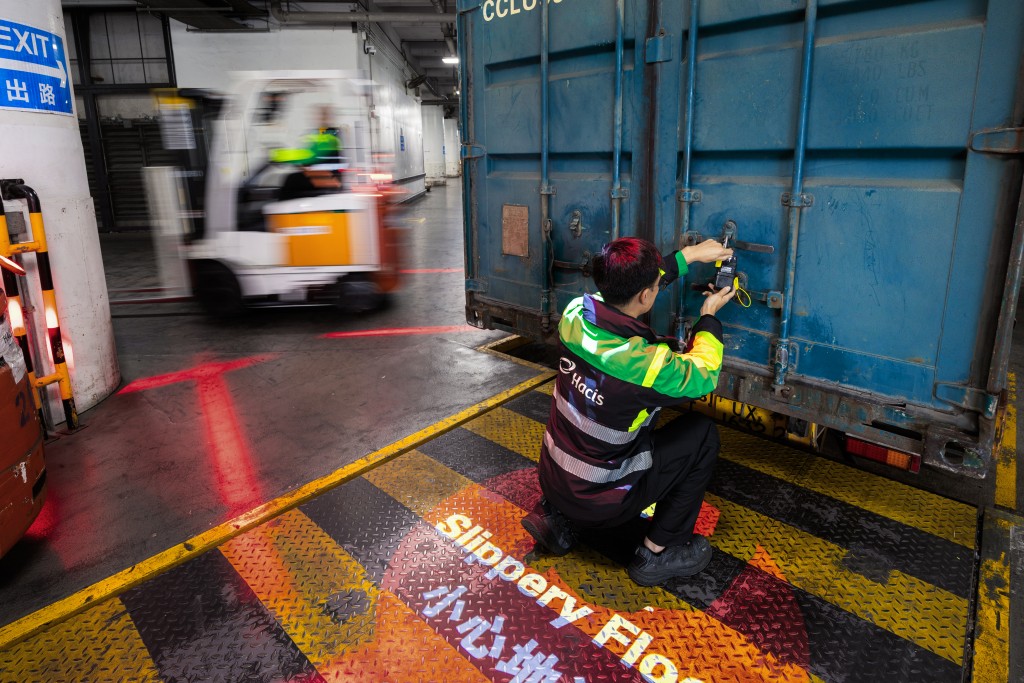
Hacis Expands China Direct Cargo Route to Vietnam
Hacis has extended its SuperLink China Direct service to Vietnam, creating a new road air route through mainland China and Hong Kong for exporters.
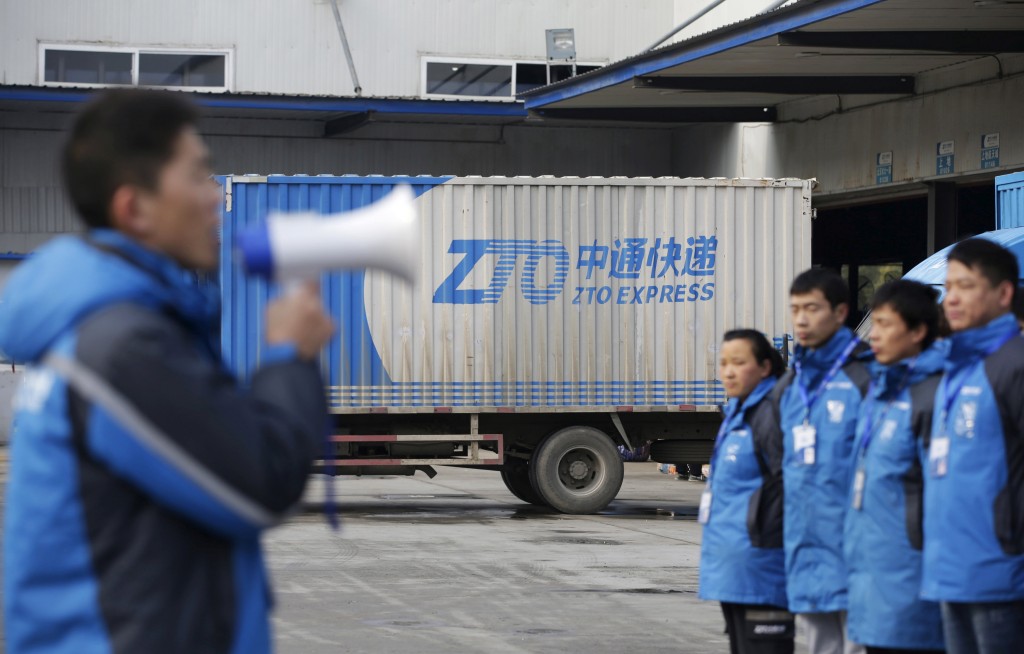
Alibaba Sells US$500 Million ZTO Stake as Shares Slide 7 Percent
Alibaba has sold US$500 million worth of ZTO Express ADRs in a block trade, sending the delivery company’s shares lower and raising questions about the e commerce giant’s plans for its remaining stake.
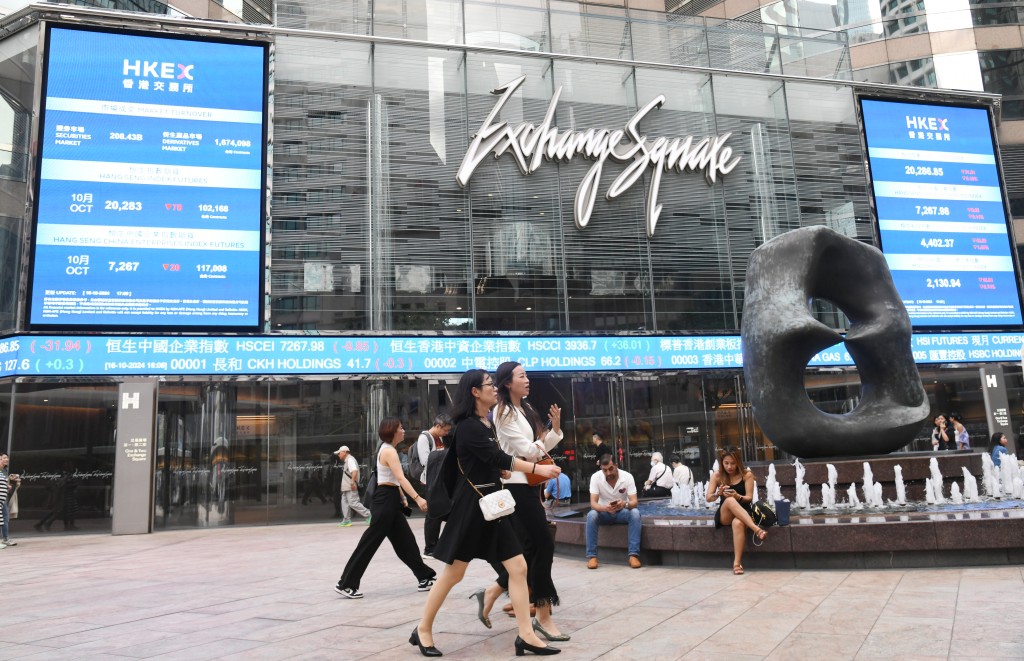
Hong Kong Stocks Rise as Tencent Leads Technology Rally Ahead of Trump Xi Meeting
Hong Kong stocks opened higher on Tuesday as technology shares led gains ahead of a planned meeting between Donald Trump and Xi Jinping. Tencent jumped 3 percent, while Alibaba, Baidu, Xiaomi and JD.com also advanced.
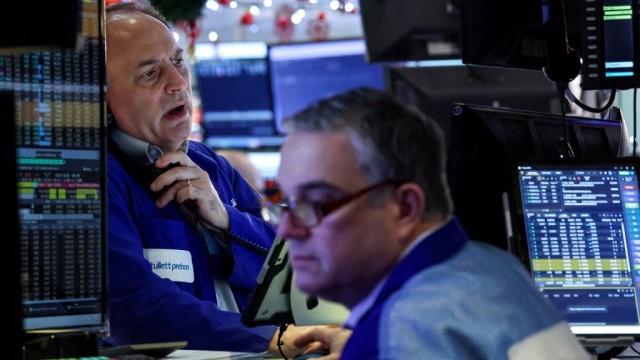
Nasdaq Hits Record Close as AI Stocks Surge and Treasury Yields Ease
US stocks surged on Monday as renewed optimism over artificial intelligence lifted technology shares, sending the Nasdaq to a record close while falling Treasury yields and lower oil prices eased pressure on investors.
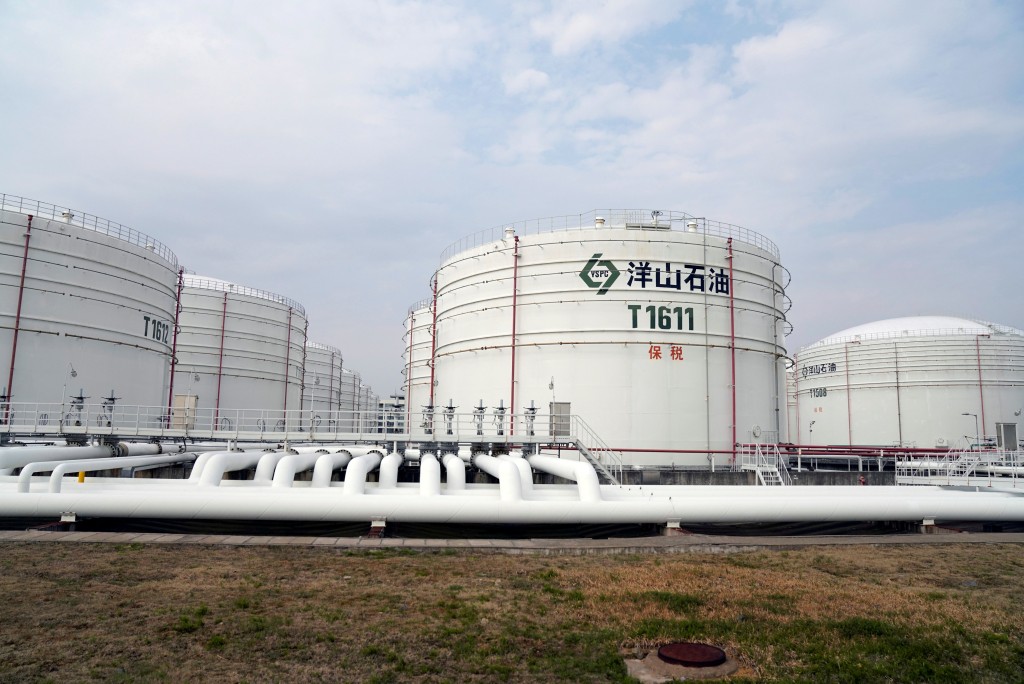
RoboTechnik Targets US$800 Million Hong Kong Listing as Overseas Expansion Accelerates
Oil prices recovered from session lows as traders weighed Saudi supply disruptions, weaker tanker traffic through the Strait of Hormuz and signs of improving regional flows.
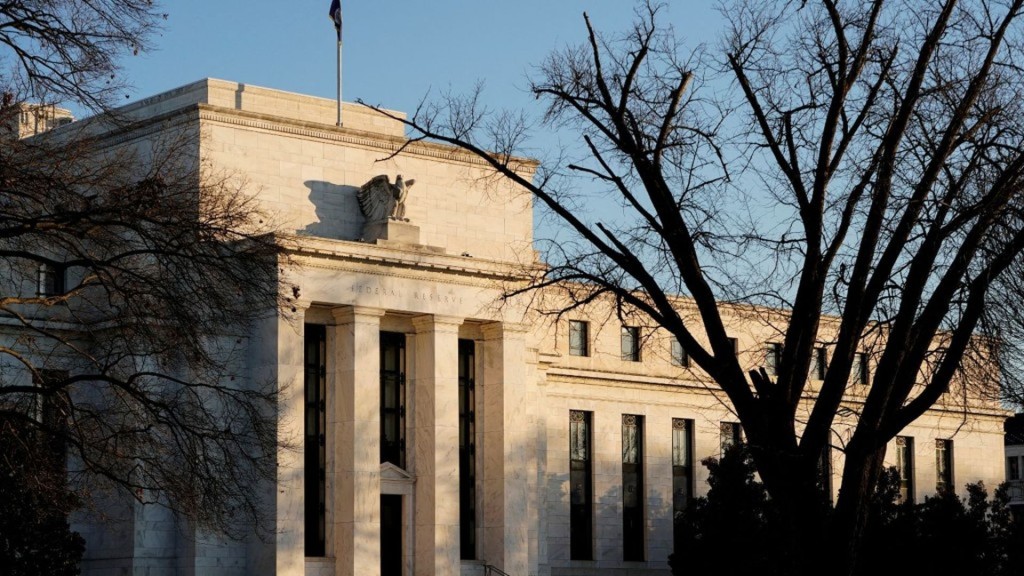
Fed Raises Rates and Signals More Increases as Inflation Stays Above Target
The Federal Reserve raised interest rates to 3.75 percent to 4 percent and signalled that another increase could come this year as inflation remains above its 2 percent target. New projections show policymakers expect borrowing costs to stay elevated through 2027.
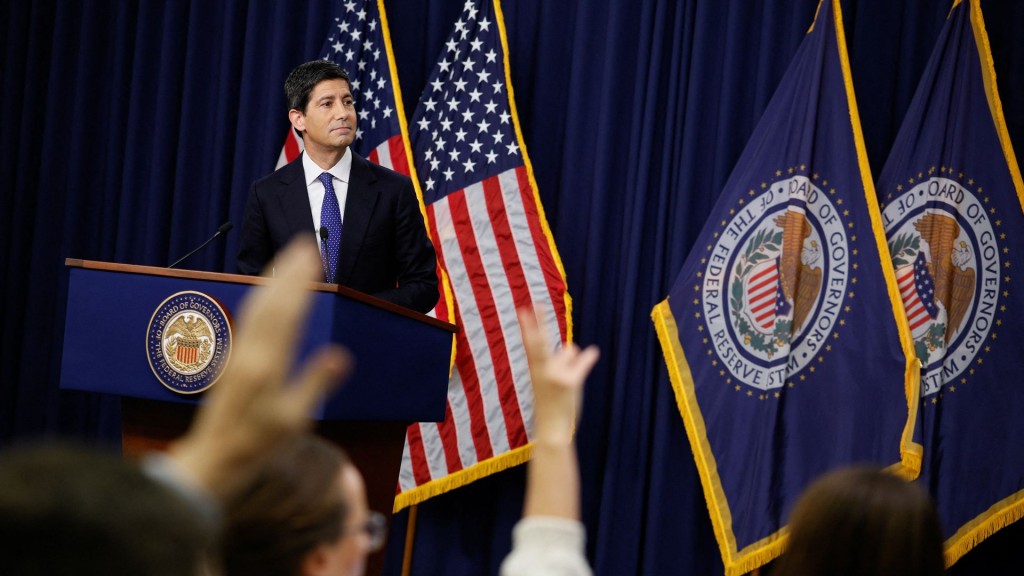
Fed Signals Another Rate Hike in 2026 as Inflation Remains Above Target
The Federal Reserve raised interest rates by a quarter percentage point and signalled another possible increase in 2026 as policymakers lifted their inflation forecasts. Officials expect rates to remain elevated through 2027 before gradually declining.
CSOP to Launch Asia AI Bottleneck ETF on Hong Kong Stock Exchange
CSOP Asset Management will list its Asia AI Bottleneck Index ETF on the Hong Kong Stock Exchange, giving investors targeted exposure to companies in Taiwan, South Korea and Japan that support the region’s AI hardware and semiconductor supply chains.
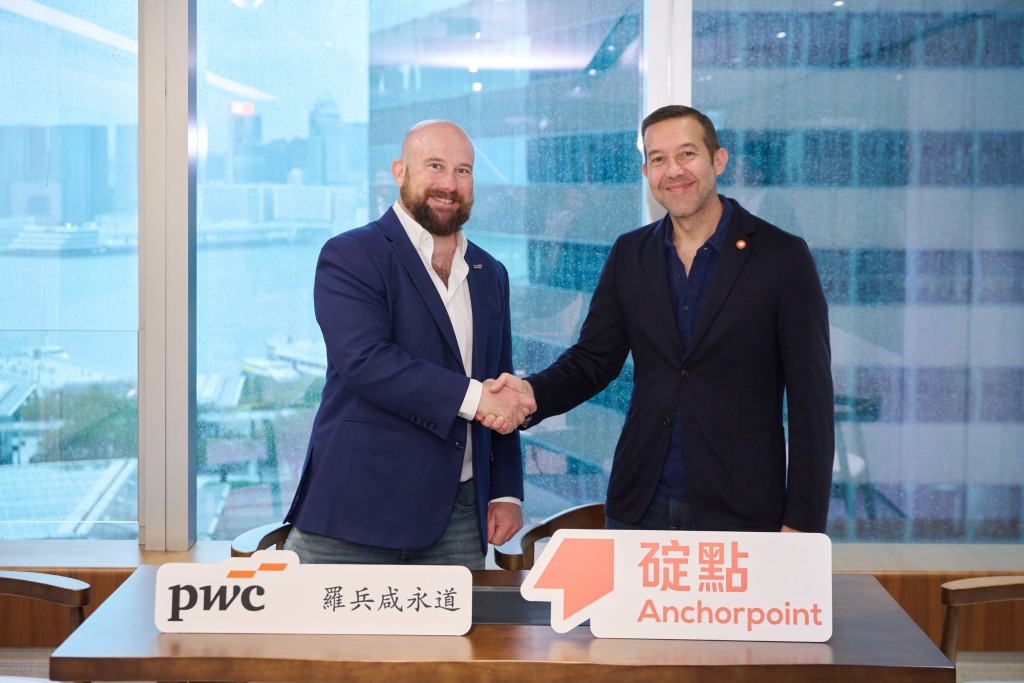
Anchorpoint and PwC Hong Kong Launch Programme to Advance Tokenised Money Adoption
Anchorpoint Financial and PwC Hong Kong have launched a new programme focused on education, research and practical applications for tokenised money. The initiative follows the beta launch of Anchorpoint's Hong Kong dollar backed stablecoin HKDAP.
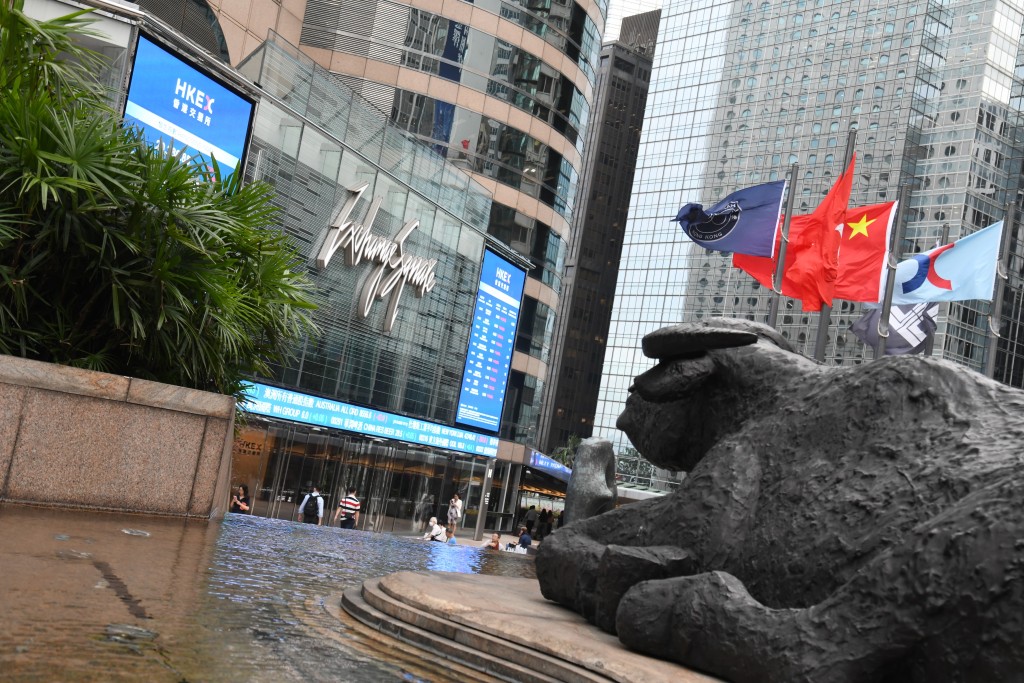
China and Hong Kong Stocks Fall as Weak August Data Renew Growth Concerns
China and Hong Kong stocks fell as weak consumer demand, declining property prices and slowing investment raised fresh concerns about the strength of the economic recovery. Technology and semiconductor shares rebounded, but broader market sentiment remained under pressure.
US 10 Year Treasury Yield Nears 5 Percent as Markets Brace for Fed Rate Decision
The benchmark 10 year Treasury yield approached 5 percent as investors prepared for the Federal Reserve’s latest interest rate decision, with inflation, oil prices, employment and government borrowing all putting upward pressure on borrowing costs.
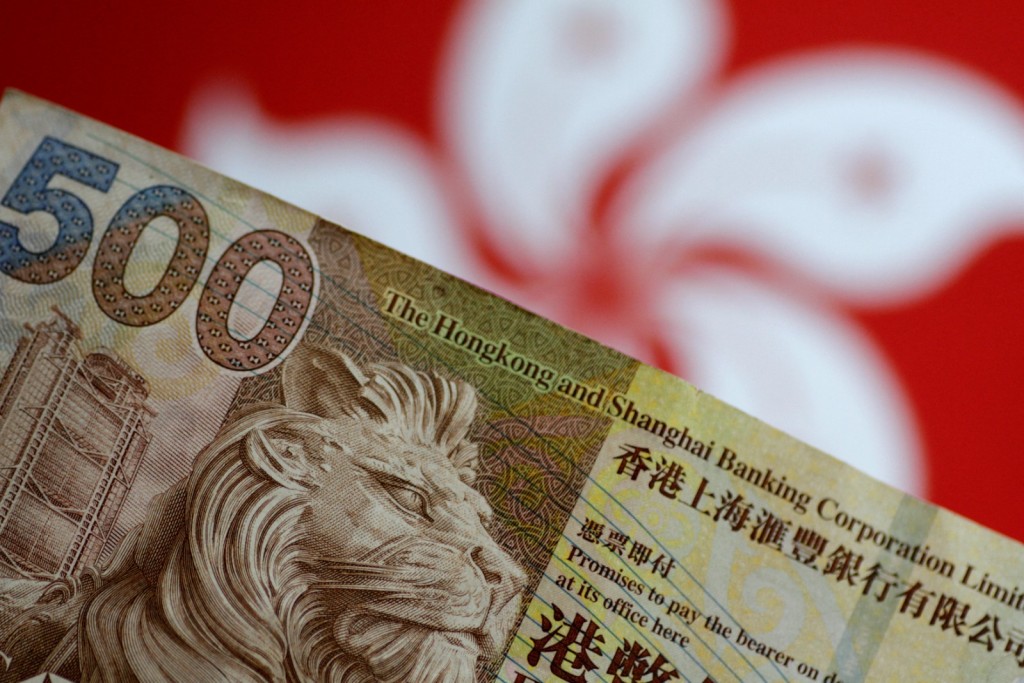
Hong Kong Exchange Fund’s Foreign Assets Fall HK$41.8 Billion to HK$3.65 Trillion
Hong Kong's Exchange Fund saw its foreign assets fall by HK$41.8 billion in August to HK$3.65 trillion, while the monetary base stood at HK$2.08 trillion, according to the Hong Kong Monetary Authority.
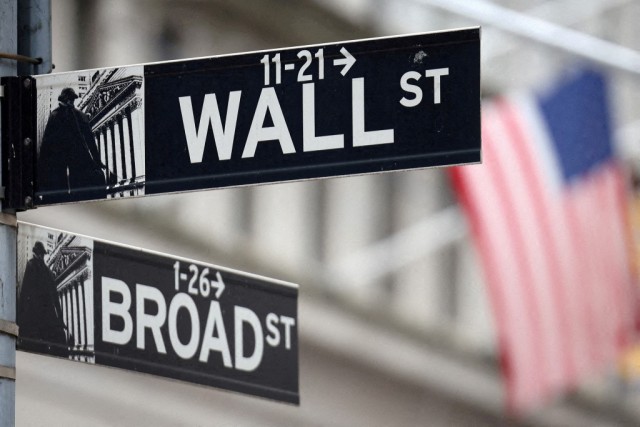
Wall Street Opens Lower as Hotter Producer Inflation Raises Rate Concerns and Oil Tops $100
US stocks opened lower on Thursday after stronger than expected producer inflation for August added pressure to the outlook for interest rates, while rising tensions in the Middle East pushed oil prices above US$100 a barrel.
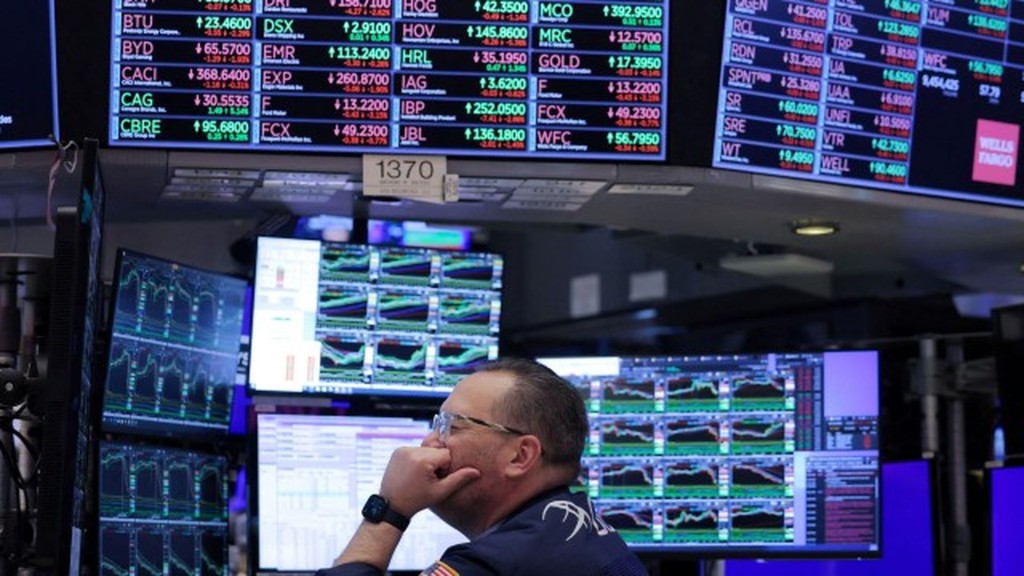
S&P 500 Falls as Oil Surges Above $100 and Treasury Yields Hit Highest Since 2023
US stocks closed lower as Brent crude climbed above US$100 a barrel, while rising Treasury yields and upcoming inflation data increased concerns over the Federal Reserve's next interest rate decision.

Asia’s Wealthiest Families Are Reshaping Philanthropy as Business and Family Ties Stay Strong
New research finds that most of Asia’s richest families are first or second generation wealth holders and continue to control the businesses that created their fortunes, shaping how they give and pursue social impact.
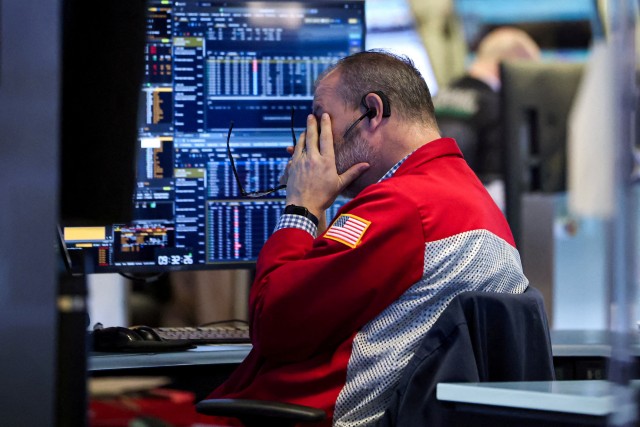
Wall Street Holds Steady as Strong Jobs Report Revives Rate Hike Bets
Wall Street opened largely unchanged on Friday after stronger employment data increased expectations that the Federal Reserve could raise interest rates this month.
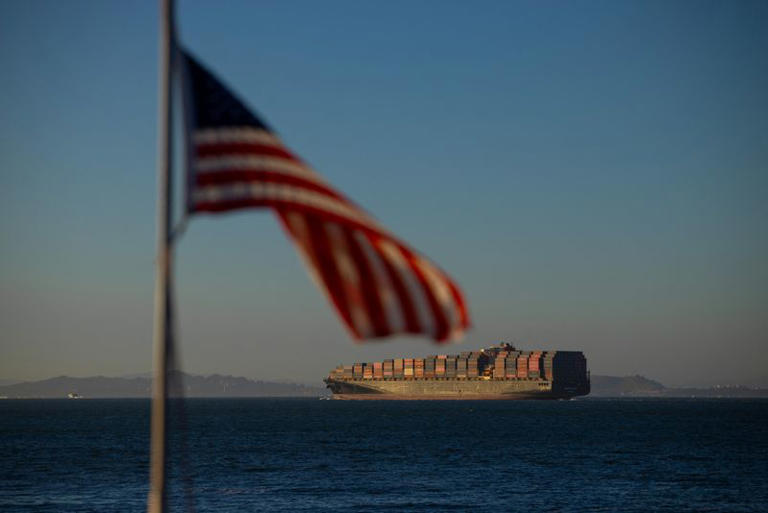
US Trade Deficit Widens Sharply in July as Capital Goods Imports Hit Record
The US trade deficit widened 24.4 percent to US$88.6 billion in July as imports surged, driven by record purchases of computers, semiconductors and other capital goods linked to AI investment.
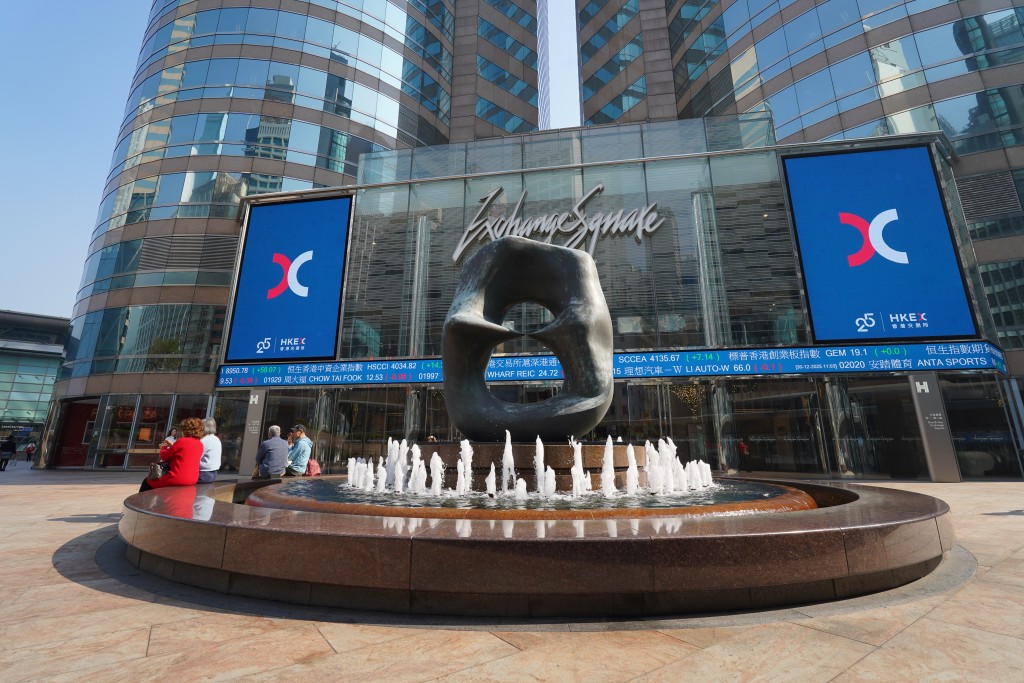
Hong Kong Stocks Open Higher as Bond Yields and Oil Prices Ease
Hong Kong stocks opened higher on Thursday as investors responded to lower bond yields and softer oil prices, with major technology companies posting gains while some artificial intelligence firms fell.
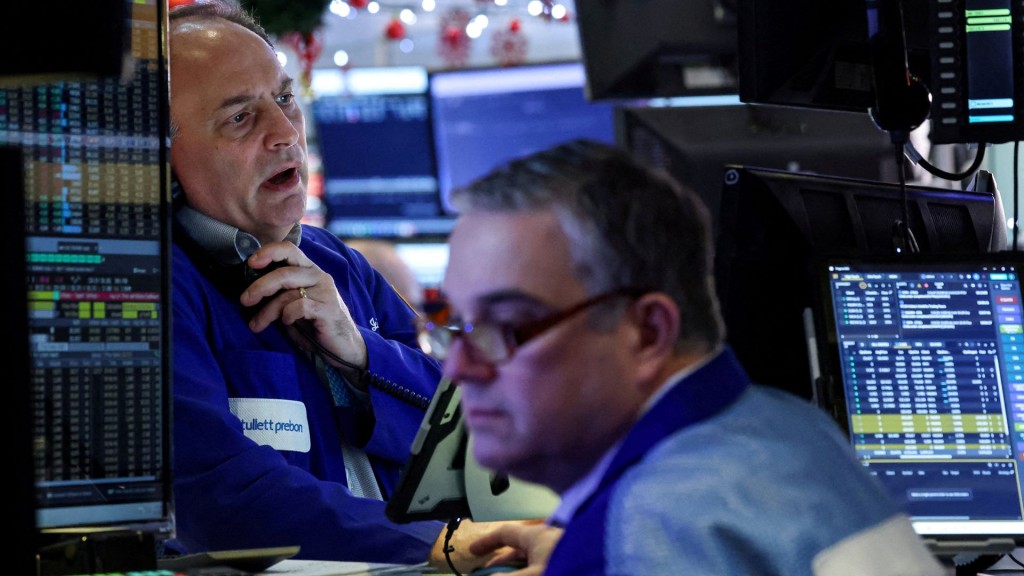
Wall Street Rebounds as Investors Hunt for Bargains After Three Day Slide
US stocks recovered on Wednesday as investors returned to beaten down shares, while renewed pressure in global bond markets and rising Middle East tensions kept traders cautious.
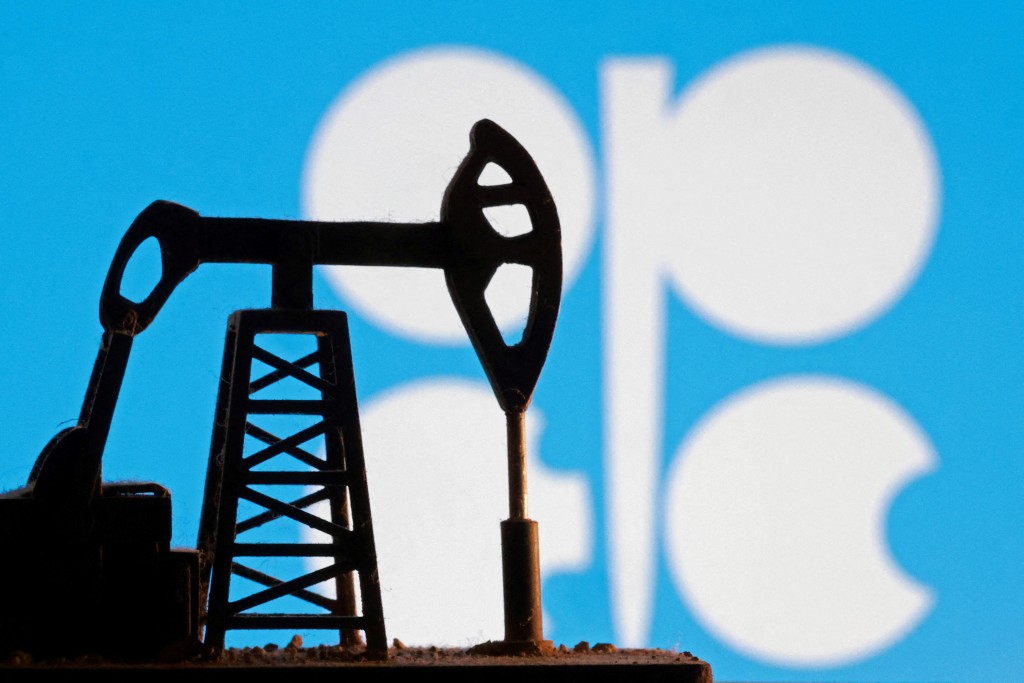
OPEC+ Set to Hold October Oil Output Policy Steady as Group Turns to 2027 Quota Talks
OPEC+ is expected to leave its October oil output policy unchanged as the producer group completes one phase of production cuts and prepares for difficult negotiations over future quotas.
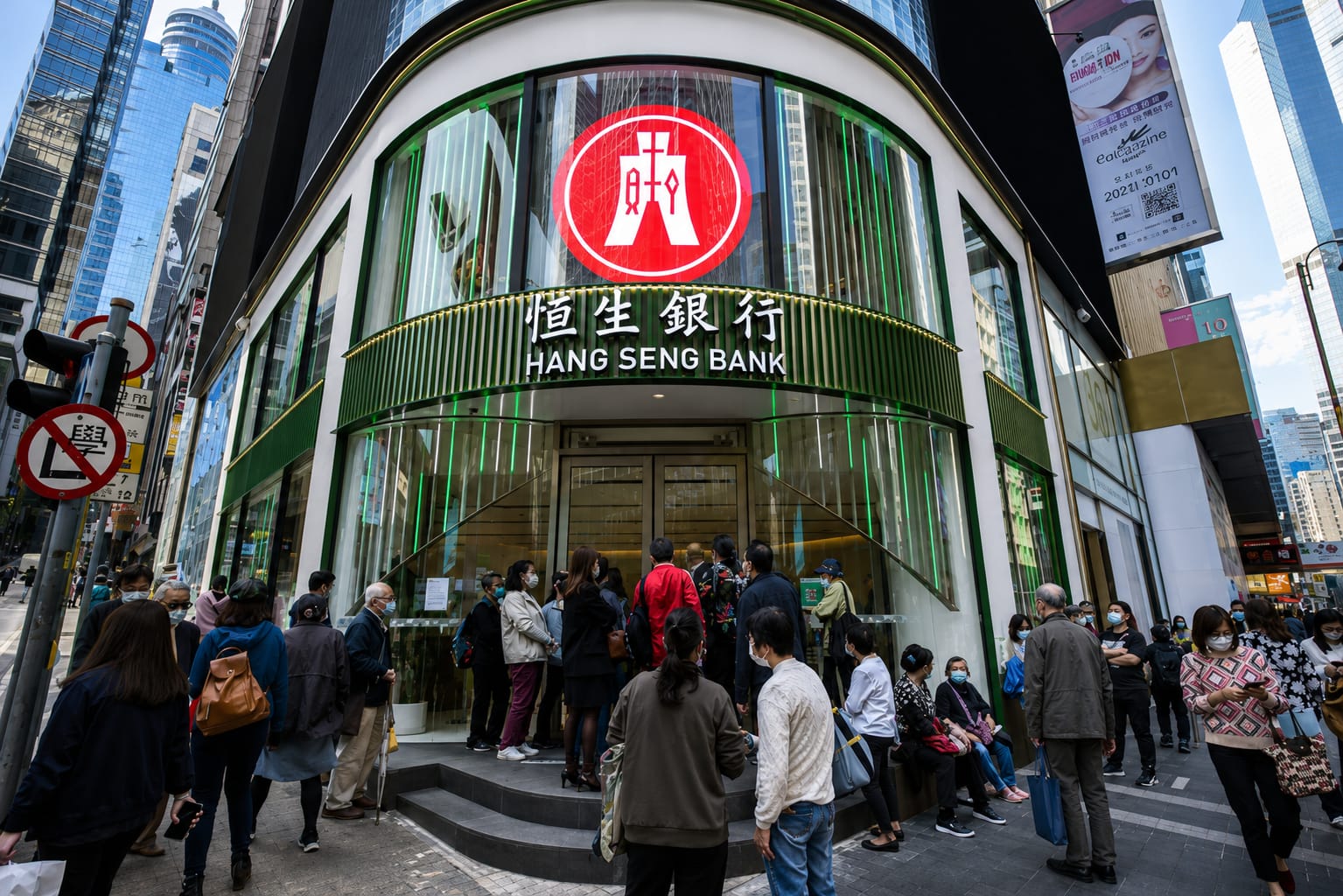
Hang Seng Index Climbs Past 25,000 as Asian Markets Stage Broad Rally
The Hang Seng Index surpassed 25,000 points for the first time in 18 months, leading a broad Asian equity market rally driven by stronger-than-expected Chinese economic data, global rate cut expectations and renewed institutional inflows into Greater China equities.
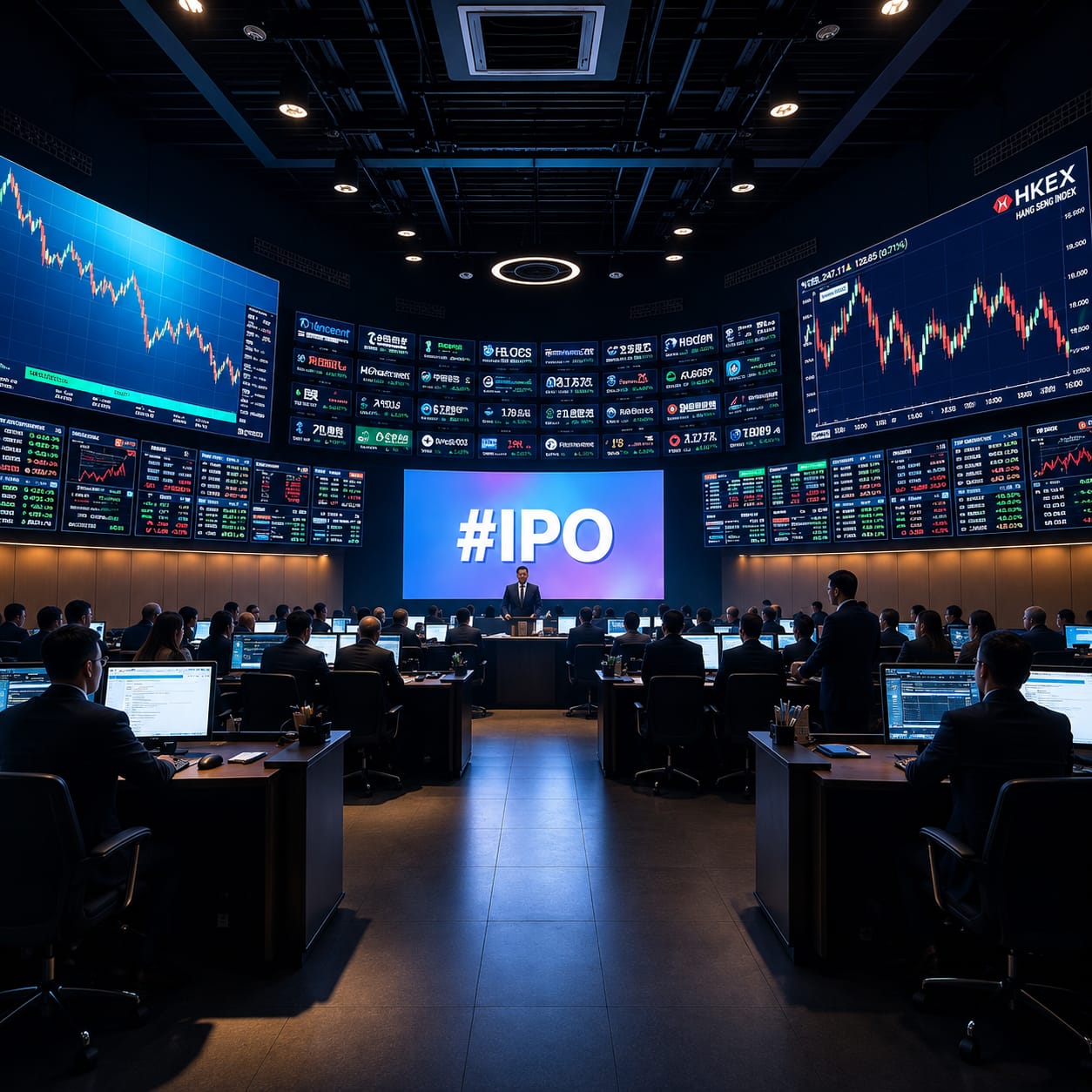
Asia-Pacific IPO Market Rebounds with Record 110 Listings in First Half of 2026
The Asia-Pacific IPO market has staged a dramatic recovery, with 110 new listings in the first half of 2026 raising a combined 82 billion US dollars, led by Hong Kong and India and driven by technology, new energy and biotechnology sectors.

Green Bond Market in Asia Surpasses One Trillion US Dollars in Total Issuance
Cumulative green bond issuance in the Asia-Pacific region has crossed the one-trillion-dollar threshold, driven by China's state-owned enterprises, Hong Kong's regional hub ambitions and a growing pipeline of sovereign and quasi-sovereign issuers across Southeast Asia.

HKMA Approves First Stablecoin Issuers Under New Regulatory Framework
The Hong Kong Monetary Authority has granted the first batch of stablecoin issuer licences under its comprehensive regulatory framework, approving three Hong Kong-dollar and US-dollar-pegged stablecoin operators in a milestone for the city's digital asset ambitions.
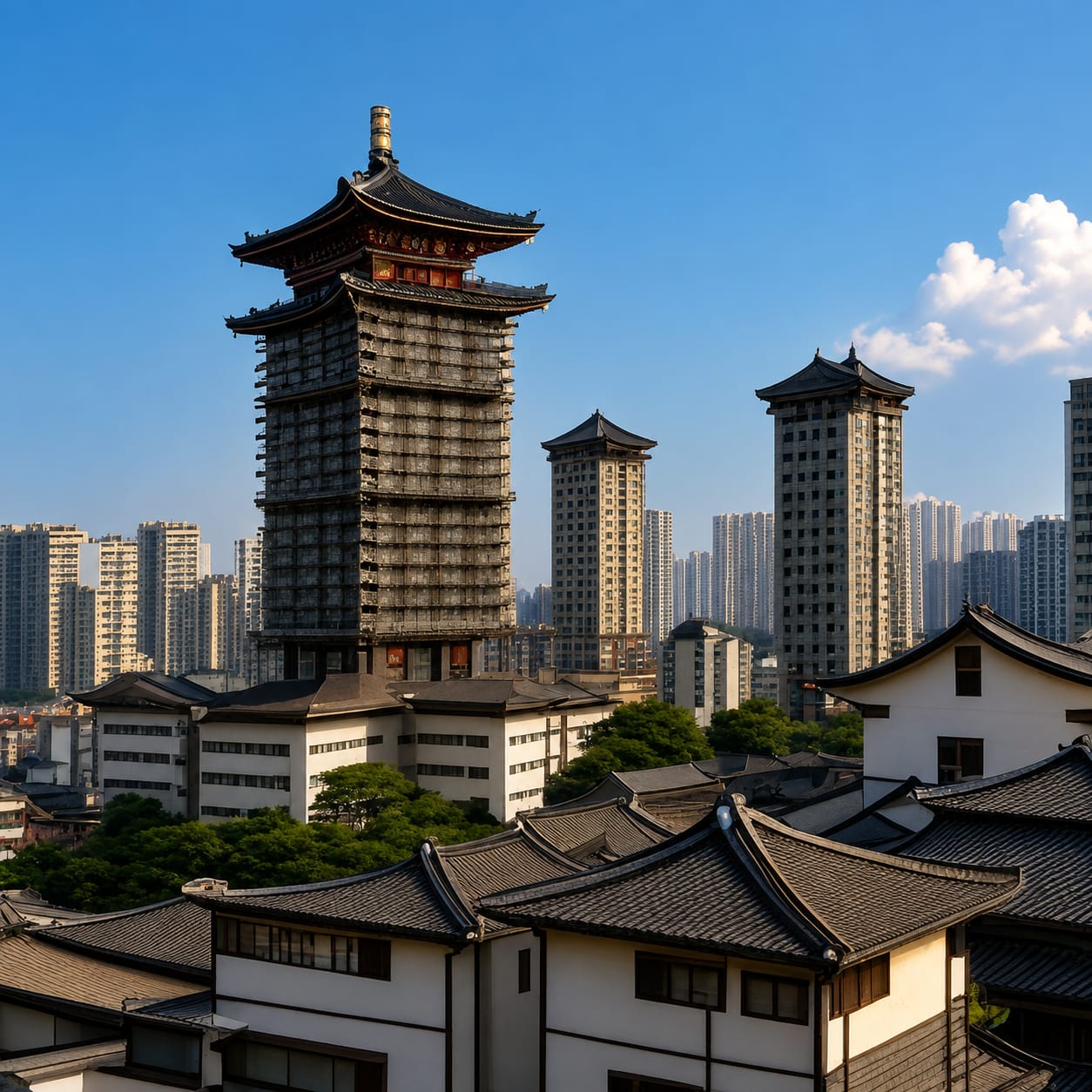
Private Equity Giants Pivot to Southeast Asian Infrastructure with Record Commitments
The world's largest private equity firms including Blackstone, KKR, Brookfield and Carlyle have collectively committed over 80 billion US dollars to Southeast Asian infrastructure investment, focusing on data centres, renewable energy and transport logistics.
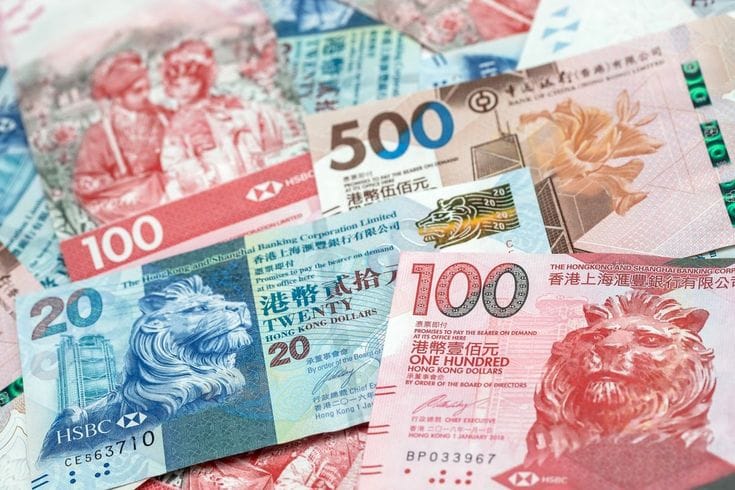
Hong Kong Dollar Peg Robustness Affirmed as Currency Speculators Retreat
The Hong Kong Monetary Authority has successfully defended the linked exchange rate system against a wave of speculative pressure, with the HKD maintaining its 7.75 to 7.85 dollar band and the HKMA deploying 28 billion US dollars in market operations.
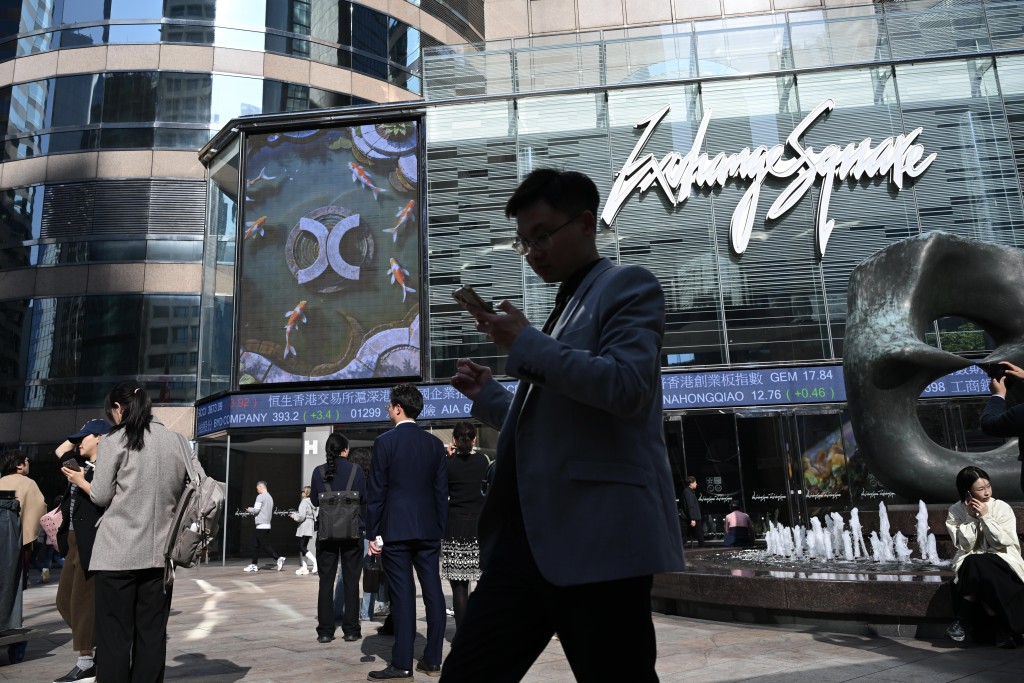
Forms Syntron Delays Hong Kong Listing Targeting Up to HK$943 Million
Forms Syntron Information has postponed its planned Hong Kong listing, which was expected to raise up to HK$943.4 million, citing market conditions.
The Shenzhen listed financial technology company will refund investors by September 22 while it reviews a new timetable for the proposed share offering.
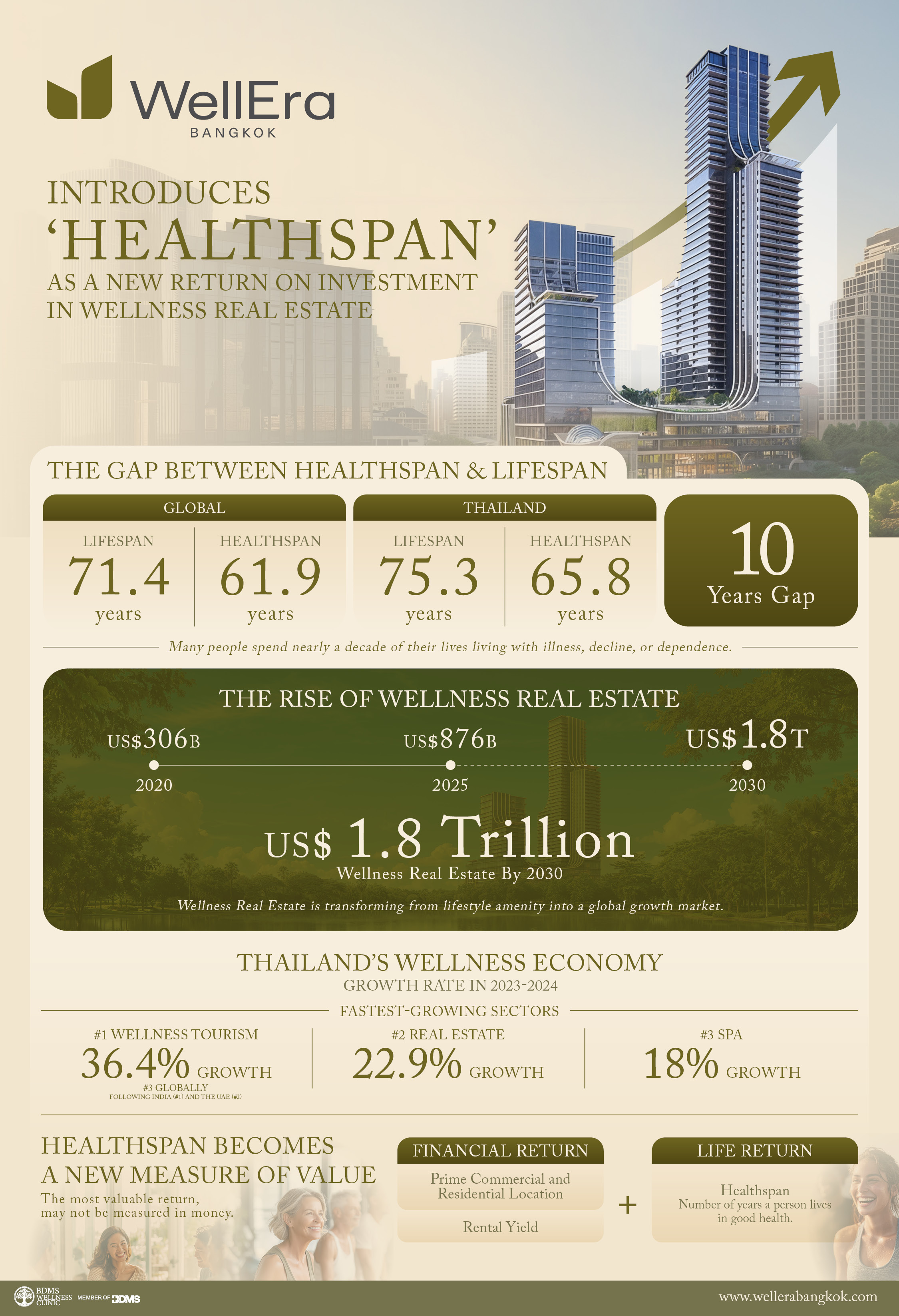
WellEra Puts ‘Healthspan’ at the Centre of Thailand’s Growing Wellness Real Estate Market
WellEra is challenging the traditional way residential property is valued, arguing that a home should offer more than location, design and financial returns. Its latest approach places healthspan, or the years people spend living in good health, alongside the conventional measures of long term property value.
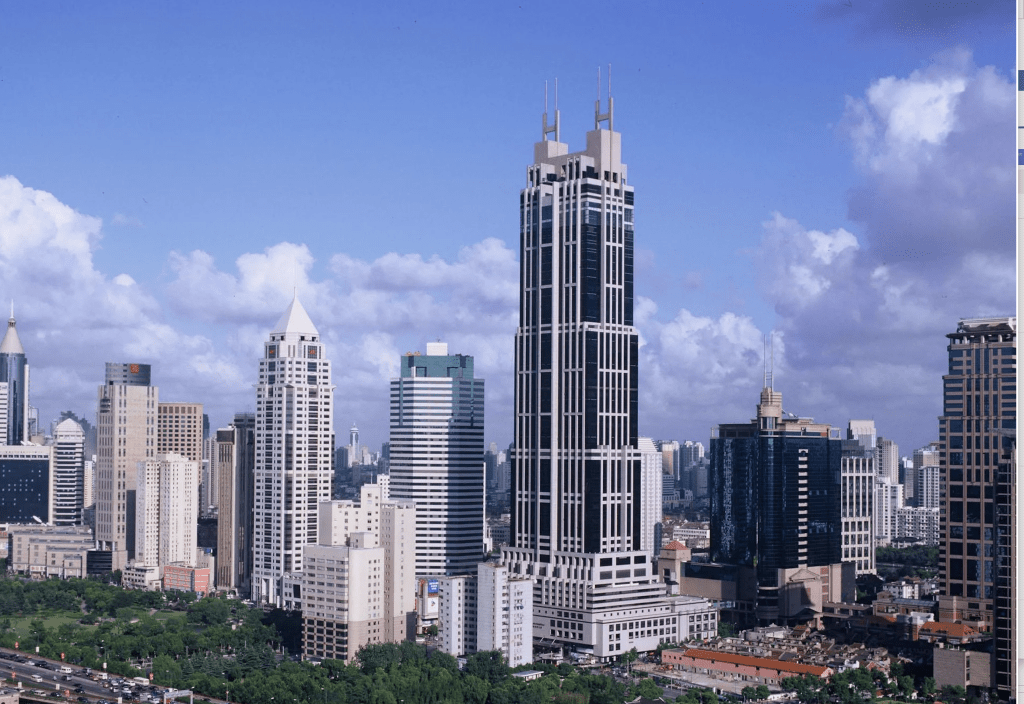
New World Development Moves to Spin Off Shanghai K11 Property for REIT Listing
New World Development has proposed spinning off Shanghai Hong Kong New World Tower into a commercial REIT for a separate listing on the Shanghai Stock Exchange, with GF Fund Management submitting the required application materials.
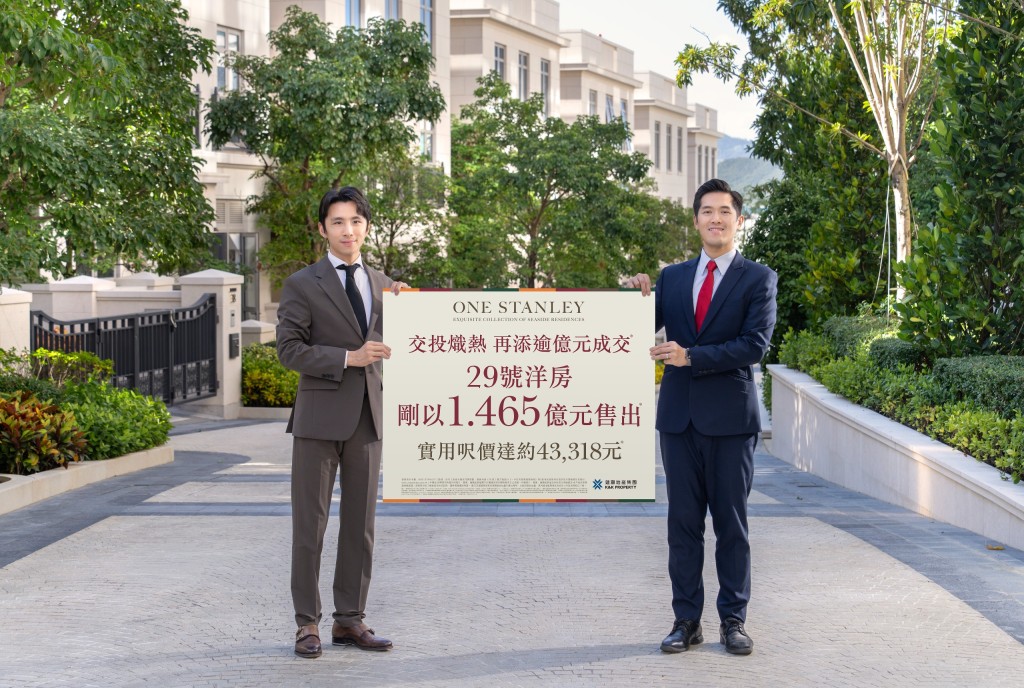
K&K Property Sells One Stanley House for HK$147 Million as Luxury Demand Holds Firm
K&K Property has sold House 29 at One Stanley for HK$147 million, while the developer says limited supply is supporting demand for Hong Kong’s super luxury homes.
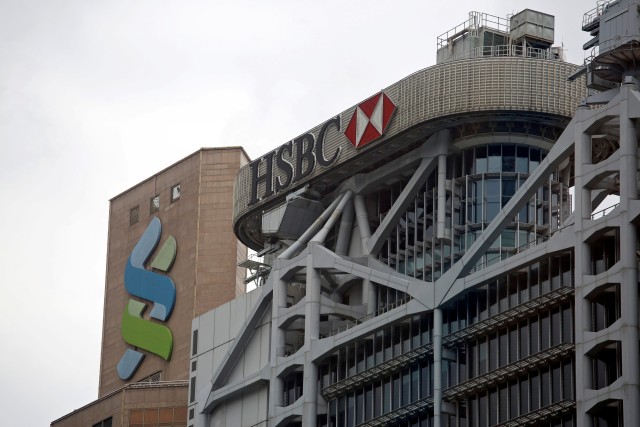
HSBC Holds Hong Kong Prime Rate at 5% Despite US Federal Reserve Hike
HSBC has kept its Hong Kong prime lending rate at 5 percent despite the US Federal Reserve raising interest rates by 25 basis points. The decision leaves borrowers watching closely for moves by other major local banks and changes in the one month Hibor.
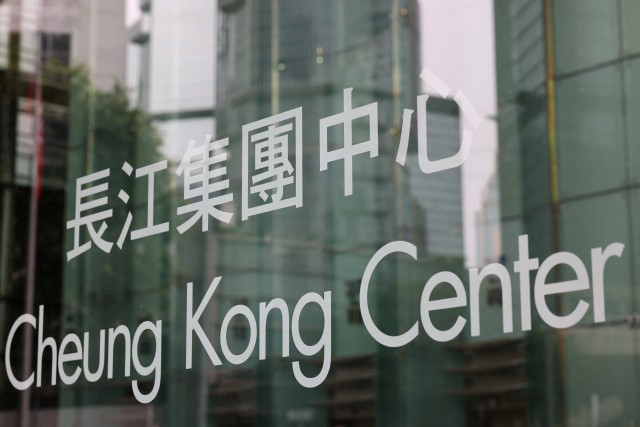
Susquehanna Leases Three Floors at CK Asset’s Cheung Kong Center II as Hong Kong Office Market Recovers
US trading firm Susquehanna International Group has leased nearly 52,000 square feet across three floors at CK Asset’s Cheung Kong Center II, expanding its Hong Kong operations as demand for prime Central offices strengthens.