

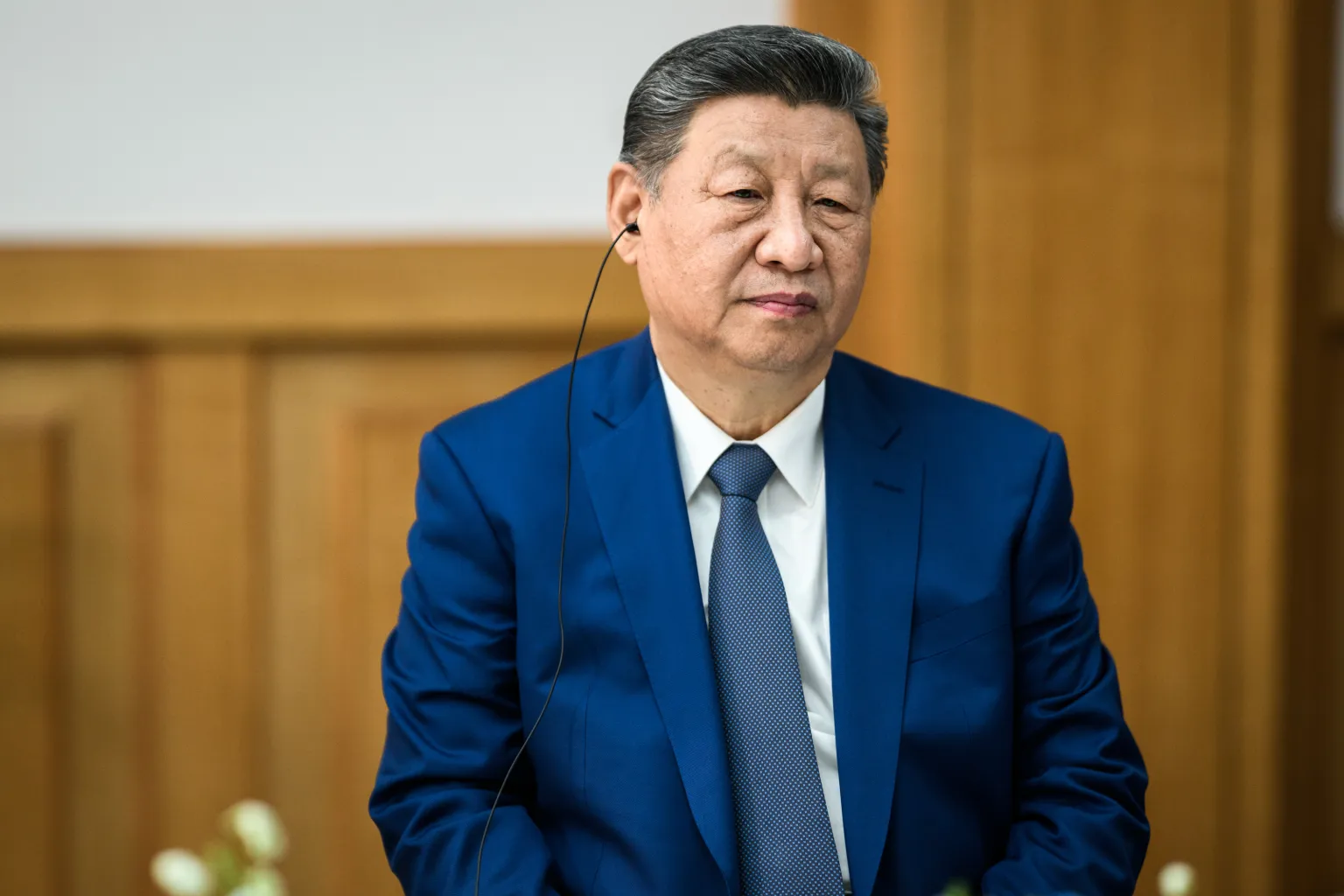
China has removed two of its most senior military officers from their positions on the country's top military decision making body, state media reported Friday, deepening a sweeping purge of the People's Liberation Army leadership.
Zhang Youxia, until recently the senior of two vice chairmen of the Central Military Commission, and Liu Zhenli, former chief of its Joint Staff Department, were both removed from their positions in the state version of the commission.
The move came seven months after China's defence ministry announced that the two generals were under investigation for suspected “serious violations of discipline and the law”, wording commonly used by Chinese authorities when referring to corruption investigations.
Zhang's removal is particularly significant because he was China's highest ranking active general and had occupied one of the most powerful military positions below President Xi Jinping.
Zhang's fall marks a major leadership shakeup
Zhang's position had made him the second most senior figure in China's military command structure after Xi, who chairs the Central Military Commission.
His removal had been widely anticipated since the investigation was announced, but its political significance goes beyond the dismissal of a senior officer. Zhang had been seen by outside observers as having a long standing relationship with Xi and was regarded as one of the few senior military figures with extensive experience and influence within the PLA.
The investigation therefore raised questions about how far Xi's anti corruption campaign would reach within the military leadership.
On Friday, China's state news agency Xinhua reported that the standing committee of the country's parliament had decided to remove Zhang from his position as vice chairman of the Central Military Commission of the People's Republic of China.
The same announcement removed Liu from his position as chief of the CMC Joint Staff Department, the military office responsible for areas including combat planning and operational coordination.
No details were provided about the alleged offences committed by either officer.
Their current whereabouts are also unknown.
Military commission left with two known members
The Central Military Commission is the most important body overseeing China's armed forces. It is chaired by Xi, who also serves as general secretary of the Communist Party of China.
China formally has two Central Military Commissions, one belonging to the Communist Party and another belonging to the state. In practice, however, the two bodies are treated as essentially the same within China's political and military system.
Asia Society analyst Lyle Morris has previously described the two commissions as being treated as one for practical purposes within China's bureaucracy.
Friday's announcement concerns Zhang and Liu's positions on the state commission. Their removal from those posts does not by itself clarify whether they have also been removed from corresponding positions within the Communist Party's military commission.
The development nevertheless leaves the commission with only two publicly known members: Xi and Zhang Shengmin, the military official responsible for anti corruption work.
The commission is formally designed to have seven members.
The absence of several senior commanders from public view has therefore created an unusually large gap at the top of China's military leadership.
Investigations announced in January
China's defence ministry announced in January that Zhang and Liu were suspected of serious violations of discipline and the law.
The phrase has a particular meaning in China's political system. Authorities frequently use similar language when announcing corruption investigations involving senior officials.
The announcement placed Zhang and Liu within the broader anti corruption campaign that has affected China's political, government and military institutions during Xi's years in power.
For Zhang, however, the investigation attracted particular attention because of his seniority.
He was one of the country's most experienced military leaders and had been closely associated with the upper ranks of China's defence establishment for years.
His position also made his case difficult to separate from wider questions about the reliability of China's military leadership and the extent of Xi's control over the armed forces.
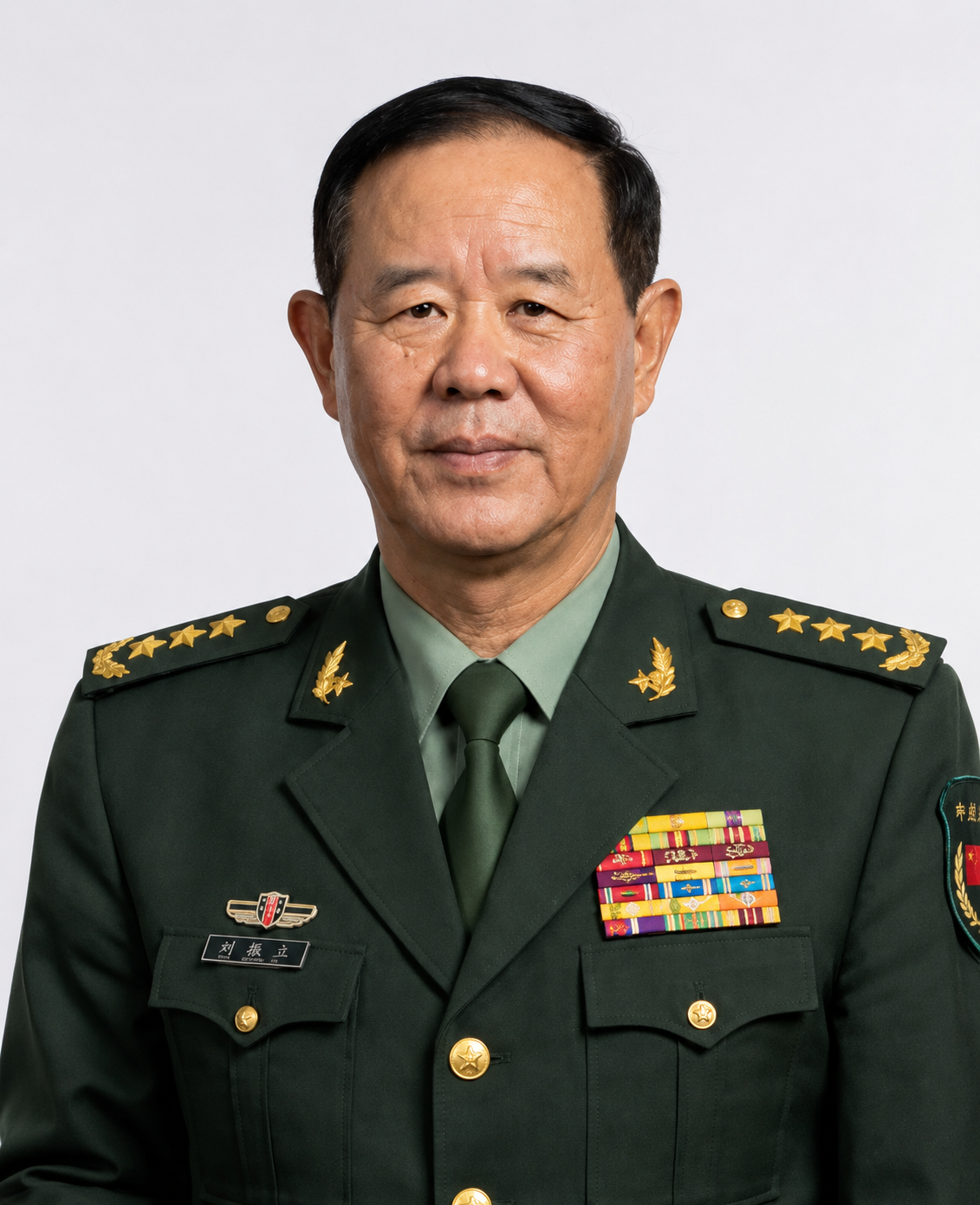
PLA Daily accused generals of undermining Xi's authority
The People's Liberation Army Daily gave a stronger indication of the political importance of the investigation when it commented on the case after the announcement in January.
The newspaper accused Zhang and Liu of having seriously trampled on and undermined the system of ultimate responsibility resting with the chairman of the Central Military Commission.
That system places final authority over the PLA with the chairman, a position held by Xi.
The wording suggested that the allegations went beyond individual financial misconduct and touched on the way the military's command structure was supposed to operate.
Chinese authorities have not publicly explained what actions Zhang or Liu allegedly took, nor have they announced whether formal charges have been filed.
The lack of information is consistent with the limited details typically released during sensitive investigations involving senior Chinese officials.
Purge reaches deeper into military leadership
Zhang and Liu are the latest senior military figures to fall during an extensive campaign against corruption and alleged misconduct inside the PLA.
The military has faced repeated investigations involving senior officers in recent years, with authorities targeting personnel involved in procurement, weapons programmes and other areas where large sums of money and military resources are involved.
The campaign has coincided with a broader effort under Xi to tighten political discipline across the armed forces and ensure that military leaders remain firmly under party control.
Xi has repeatedly stressed that the PLA must remain loyal to the Communist Party and follow the principle that the party commands the military.
The latest removals come at a time when China is investing heavily in military modernization and restructuring its armed forces. The PLA is developing new capabilities in areas including naval power, aerospace, missiles, cyber operations and artificial intelligence.
The leadership of the CMC plays a central role in setting those priorities and overseeing military planning.
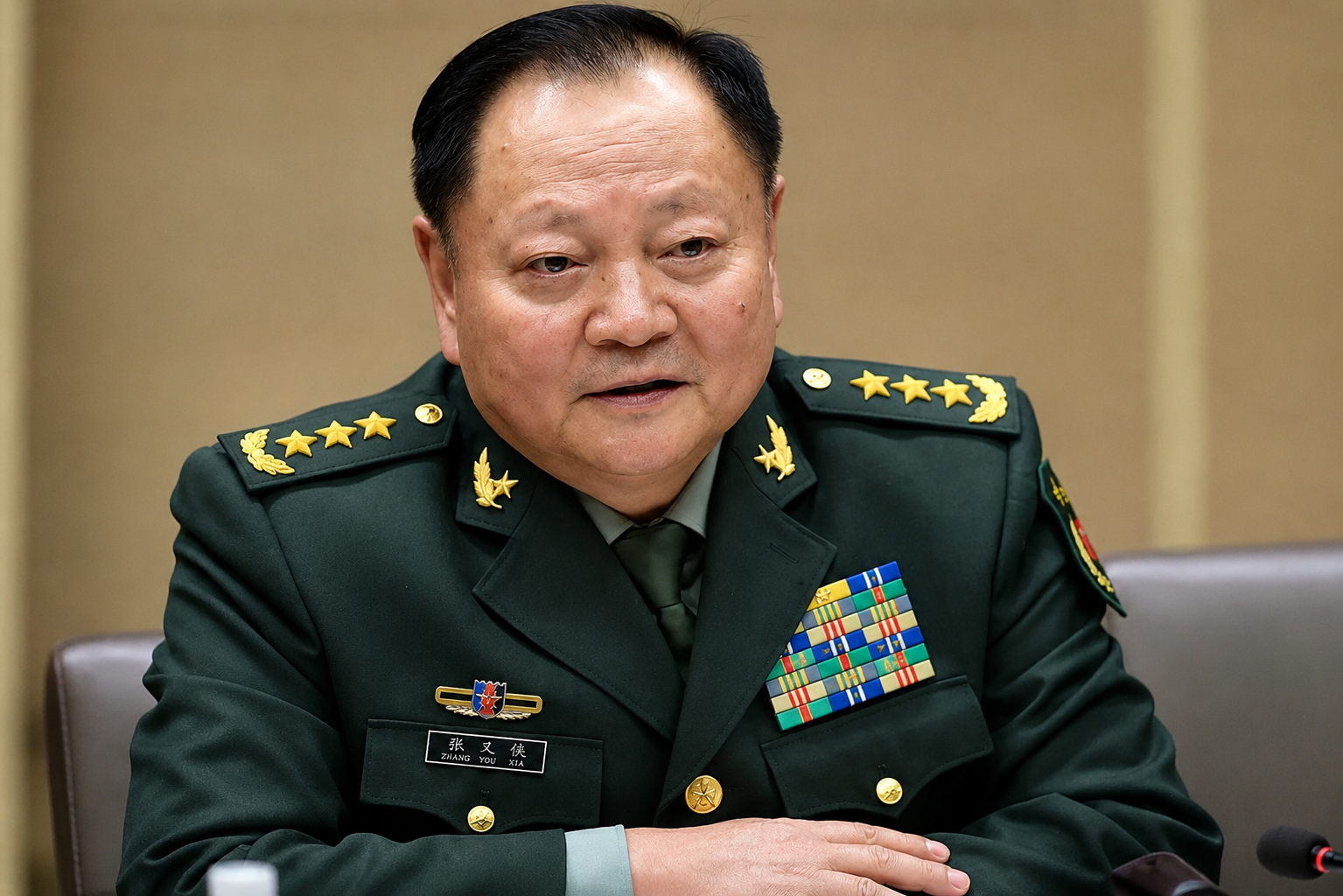
Questions remain over the next appointments
The removal of two senior figures creates an immediate question over who will fill their positions.
With the commission formally expected to have seven members but only Xi and Zhang Shengmin publicly identified after the latest changes, the leadership structure is likely to undergo further adjustments.
The timing and choice of replacements could offer clues about the direction of the military leadership and Xi's priorities.
Replacing Zhang will be especially significant because the vice chairman's position carries considerable authority and places its holder directly below Xi within the military command hierarchy.
The appointment of a successor could also indicate whether Xi intends to elevate officers with operational experience, political loyalty or backgrounds in specific branches of the armed forces.
For now, Beijing has provided no timetable for filling the vacant positions.
Zhang's disappearance adds to uncertainty
The lack of information about Zhang and Liu has added to the uncertainty surrounding the investigation.
Neither officer has appeared publicly since the investigation was announced, and Chinese authorities have not disclosed where they are being held or whether they remain under investigation.
The absence of public information means that the precise allegations against them cannot be independently assessed.
What is clear is that both men have now lost important positions in China's military command structure.
Zhang's removal is particularly striking given the authority he once held. As vice chairman of the CMC and China's highest ranking general, he was one of the most senior military figures in the country.
His downfall also demonstrates the reach of Xi's campaign to enforce discipline within the PLA, extending even to officers at the very top of the military hierarchy.
A military leadership in transition
The changes leave China's military leadership facing a period of adjustment at a time when the country is pursuing ambitious defence goals.
The PLA is expected to continue its modernization programme regardless of the personnel changes. But replacing senior commanders at the top of the system can affect decision making, institutional relationships and the distribution of authority.
The unusual reduction in the number of publicly known CMC members also makes the next appointments closely watched.
For Beijing, the immediate priority will be to restore a full leadership structure while maintaining command continuity. The removal of Zhang and Liu has already altered the balance at the top of China's military establishment, and the officials chosen to replace them will show how Xi intends to shape the PLA's next phase.