

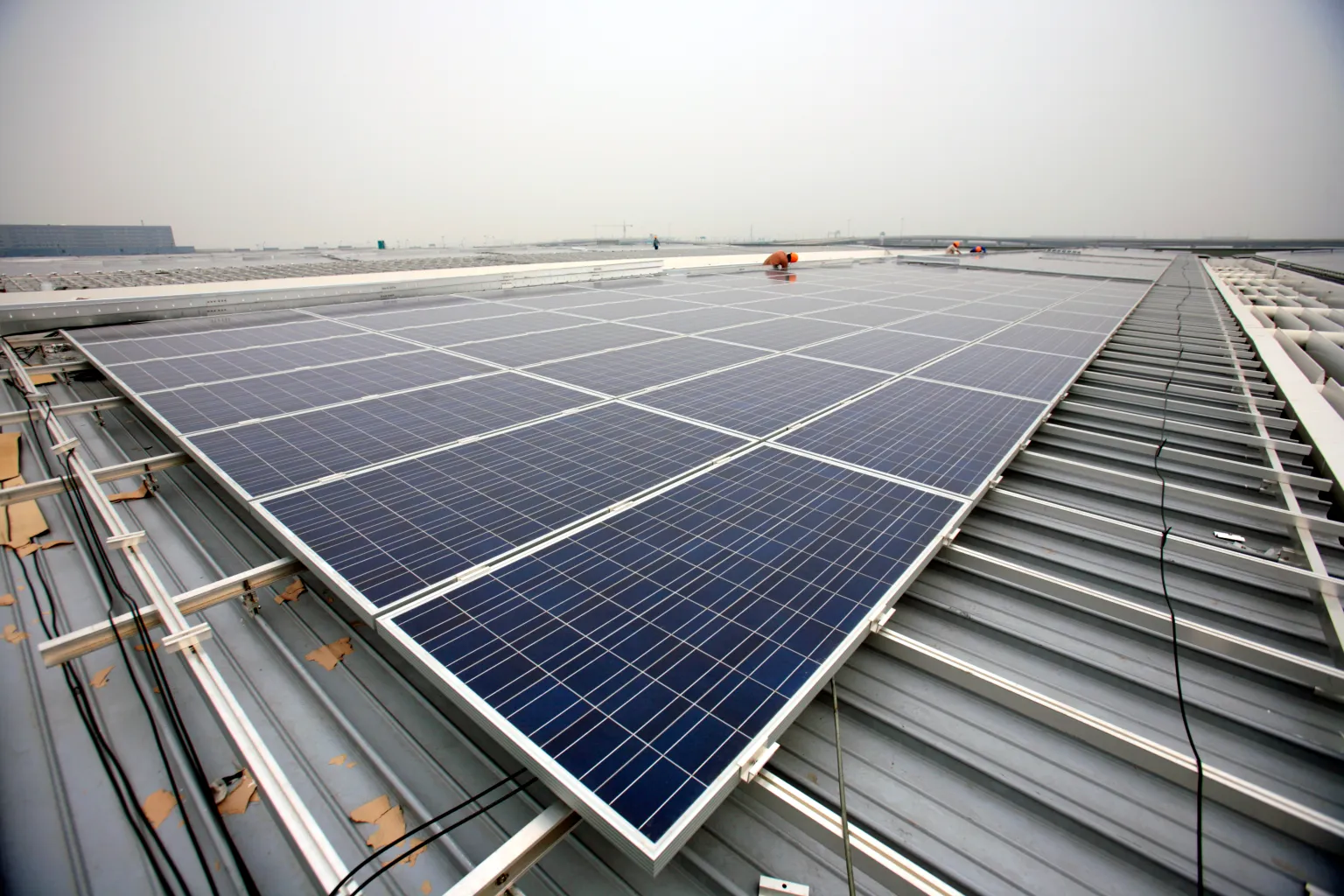
China’s installed solar power capacity has surpassed its coal fired capacity for the first time, marking a significant change in the structure of the world’s largest electricity system and reflecting the extraordinary pace of its renewable energy expansion.
The National Energy Administration said Tuesday that China had 1.286 billion kilowatts of installed solar power capacity by the end of July 2026. Coal fired power capacity stood at 1.285 billion kilowatts, leaving solar narrowly ahead for the first time.
The figures mark an important threshold for China’s power sector, where coal has dominated electricity generation for decades. Solar power has expanded at a far faster pace in recent years as Beijing has accelerated investment in renewable energy while maintaining its long term targets for reducing carbon emissions.
“As of the end of July this year, China’s installed solar power capacity reached 1.286 billion kilowatts,” the National Energy Administration said.
“For the first time, photovoltaic installed capacity surpassed coal fired power, becoming the largest power source category in China,” it said.
Solar Expansion Accelerates
China’s solar industry has grown at extraordinary speed, driven by large scale investment, falling equipment costs and government support for renewable energy projects.
Solar generation also continued to increase during the first seven months of 2026. The National Energy Administration said photovoltaic facilities generated 802.4 billion kilowatt hours between January and July, an increase of 15.5 percent from the same period a year earlier.
That output represented roughly one eighth of China’s total electricity generation during the period.
The energy administration did not provide a comparable figure for electricity generated by coal fired power plants during the first seven months of 2026 in the statements announcing the solar capacity milestone.
The distinction between installed capacity and actual electricity generation is important. Installed capacity measures the maximum electricity generating capability of a power source, while generation reflects how much electricity those facilities actually produce.
Solar installations can therefore exceed coal capacity without immediately producing more electricity than coal plants. Solar generation depends on daylight and weather conditions, while coal plants can operate for longer periods when electricity demand requires it.
Even so, the capacity figures provide a clear indication of the direction in which China’s power system is moving.
The National Energy Administration said both installed solar capacity and solar generation had maintained rapid growth. It also said solar power was taking an increasingly important role in securing electricity supplies and supporting the country’s transition towards a lower carbon energy system.
Coal Remains a Major Power Source
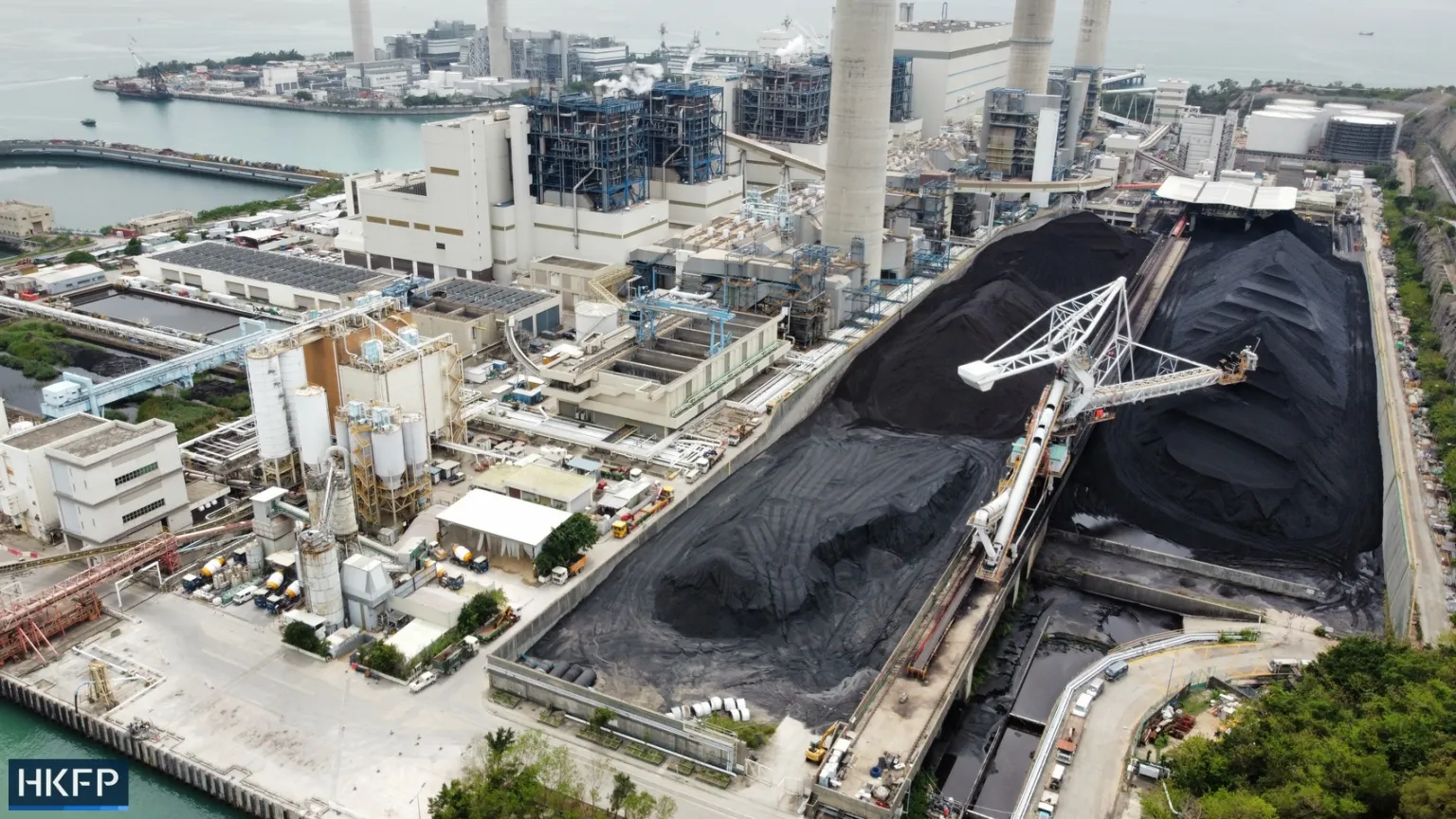
Coal continues to occupy an important position in China’s electricity system despite the rapid growth of renewable energy.
For decades, coal fired plants have supplied much of the electricity needed by the country’s industrial economy. China remains the world’s largest consumer of coal and the largest emitter of greenhouse gases that contribute to climate change.
Coal has also played a central role in meeting rising electricity demand as China expanded manufacturing, urban infrastructure and industrial production.
Yet recent data suggest that the relationship between economic growth, electricity consumption and coal generation may be changing.
Coal fired electricity generation in China fell by nearly 2 percent in 2025, according to data reviewed by AFP in February. The decline came despite an increase in electricity demand and marked the first annual fall in coal generation in six years.
Some analysts described the development as particularly significant because it was the first recorded instance in which China’s coal fired generation declined while overall power demand continued to rise.
That shift has raised questions about whether renewable energy is beginning to replace some coal generation rather than simply meeting additional electricity demand.
The answer will depend on how quickly China continues adding wind and solar capacity, as well as how much electricity demand increases in coming years.
Record Renewable Installations
The scale of China’s renewable energy expansion has few parallels elsewhere in the world.
China installed a record 315 gigawatts of new solar power capacity in 2025, according to the China Electricity Council. It also added 119 gigawatts of new wind power capacity during the year.
Together, solar and wind accounted for more than 80 percent of all newly installed power generation capacity in China in 2025.
The figures demonstrate how rapidly the country is expanding its renewable electricity base. New solar installations alone in 2025 amounted to a huge addition to an already extensive network of photovoltaic facilities.
China’s manufacturing strength has helped support that expansion. The country is a major producer of solar panels and other equipment used across the renewable energy supply chain, allowing it to deploy projects on a scale that would be difficult to match in many other markets.
The growth has also been accompanied by continued investment in electricity transmission and the wider power grid. Large renewable energy projects are often located far from major population centres where electricity demand is concentrated, creating a need for expanded transmission capacity and improved grid management.
A Shift in China’s Energy Mix
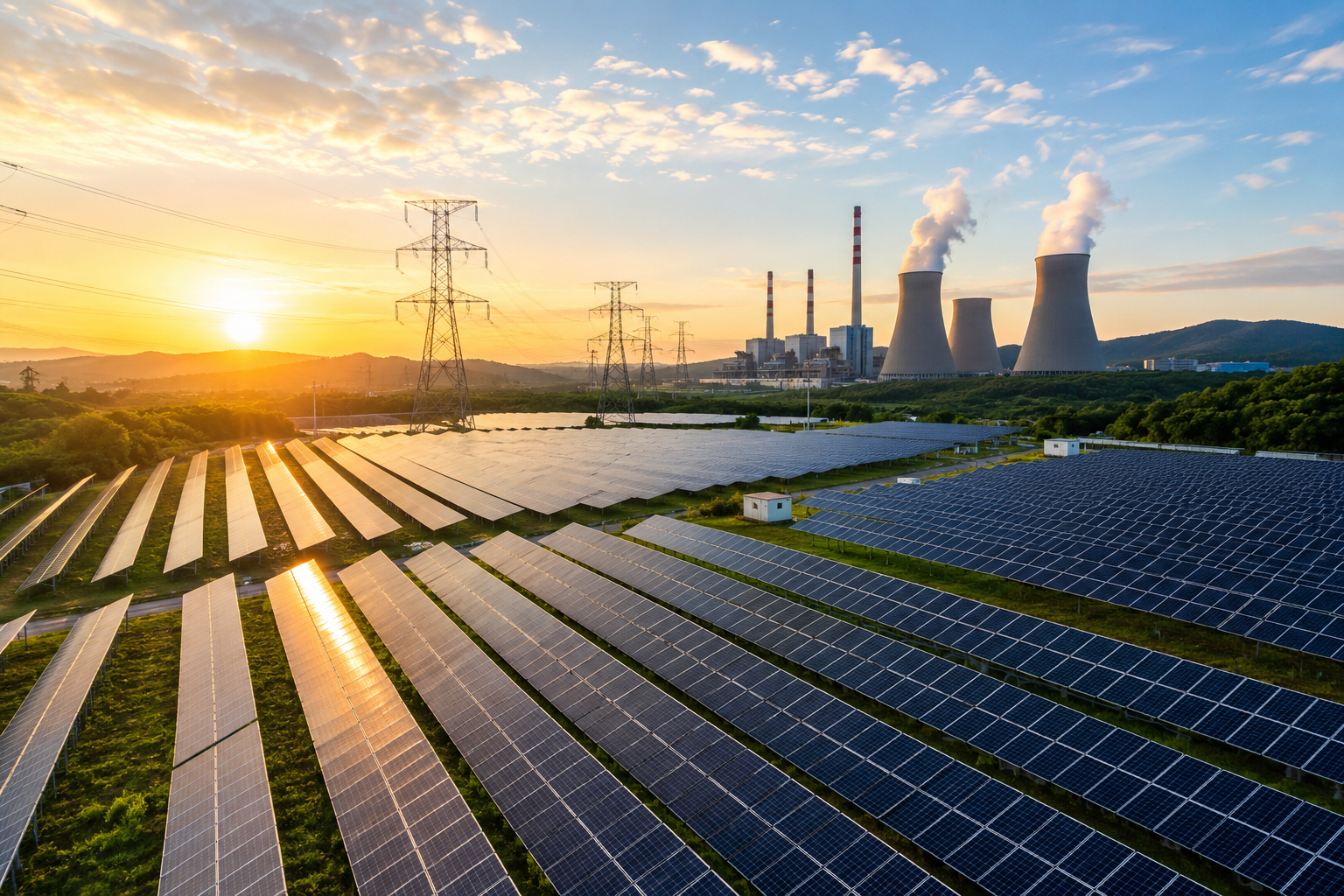
The rise of solar power reflects a broader change in China’s energy mix.
While coal remains an important source of electricity, its share of the country’s overall power capacity has gradually declined as renewable installations have expanded. Wind and solar have become major contributors to new capacity additions, changing the balance between conventional and renewable sources.
China has pledged to reach peak carbon emissions before 2030 and achieve carbon neutrality by 2060.
Those targets require major changes across the economy, including electricity generation, transportation, industry and heating. The power sector is central to that effort because replacing fossil fuel based electricity with renewable generation can reduce emissions while supporting wider electrification.
The solar capacity milestone does not mean China has moved beyond coal. Coal plants continue to provide a large share of electricity generation and remain closely tied to the country’s industrial system.
Instead, the figures show how quickly the renewable side of the power system is expanding.
Capacity Milestone Comes as Electricity Demand Grows
China faces a complicated energy challenge. Electricity demand continues to rise, partly because of industrial activity and the growing use of electricity in sectors that previously depended more heavily on fossil fuels.
At the same time, Beijing is attempting to reduce the carbon intensity of the economy without compromising energy security.
That tension has shaped China’s approach to renewable energy. The country has continued building coal fired capacity while also adding renewable generation at a much faster rate. The result is an electricity system in which the installed capacity of low carbon sources is expanding rapidly even as coal remains an important part of the supply mix.
The latest solar figures show that the balance is changing.
With 1.286 billion kilowatts of installed solar capacity at the end of July, photovoltaic power moved marginally ahead of coal’s 1.285 billion kilowatts. The difference is small, but the direction of change is clear.
The more important question now is whether the rapid increase in renewable capacity will translate into a sustained reduction in coal generation.
China’s 2025 figures offered an early indication that such a shift may already be beginning. Coal generation declined even as electricity demand increased, while the country continued adding enormous amounts of solar and wind capacity.
If that pattern continues, China’s power sector could enter a period in which renewable energy does more than supply new electricity demand. It could increasingly replace electricity that would otherwise have come from coal.
For now, the numbers mark a clear milestone. Solar power has become China’s largest category of installed generating capacity, overtaking coal for the first time. The next measure to watch is not simply how much solar capacity China builds, but how much coal fired electricity that expanding renewable fleet ultimately displaces.