

China has urged the European Union to avoid introducing protectionist or discriminatory trade measures, warning that such policies could complicate economic relations and disrupt global supply chains. Beijing wants the two sides to address their differences through dialogue and work towards more balanced and sustainable trade.
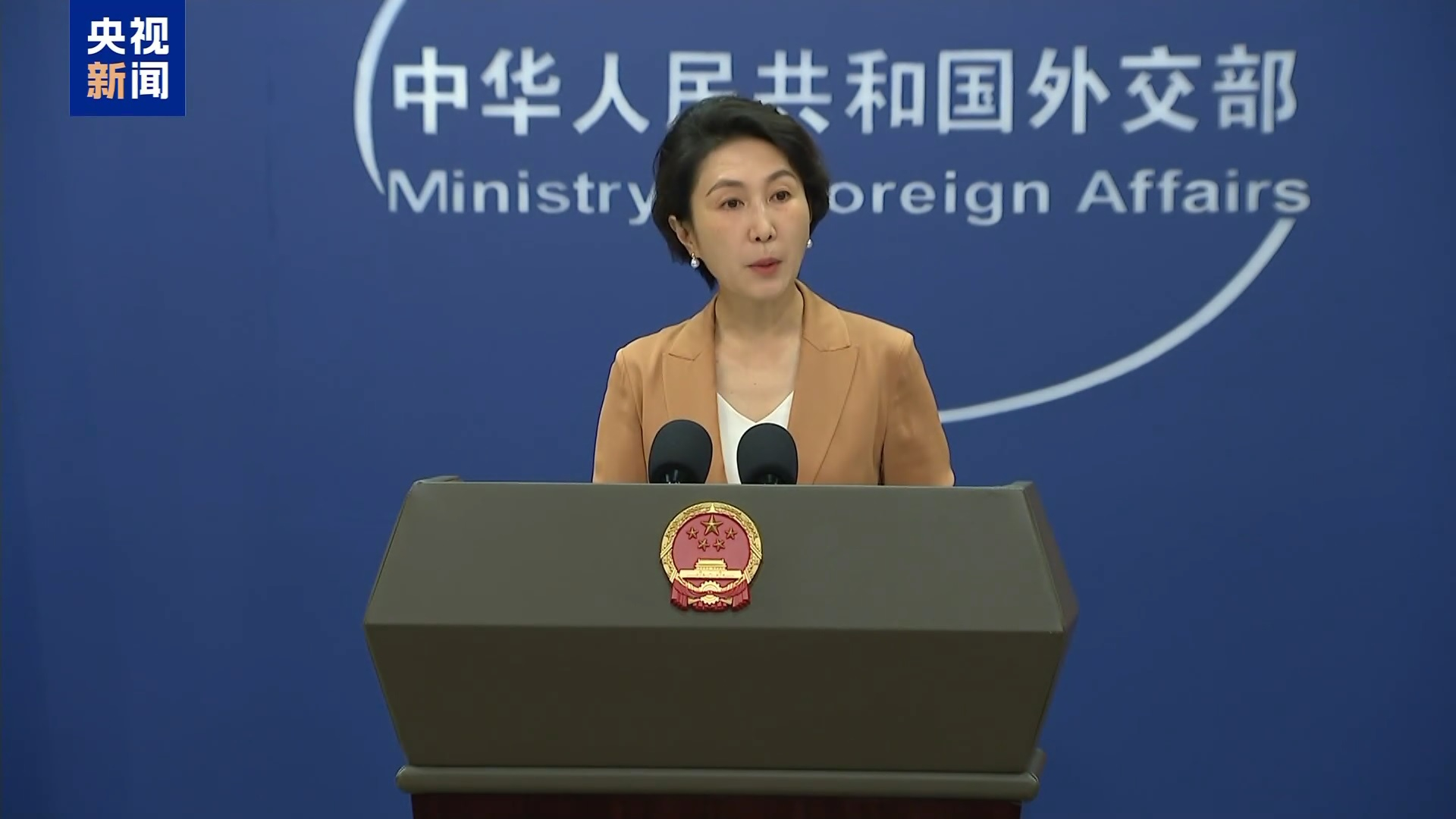
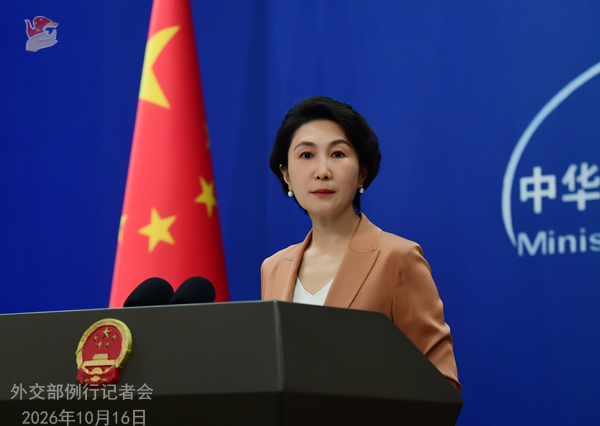
Chinese Foreign Ministry spokesperson Mao Ning made the remarks at a regular press conference in Beijing on Friday, responding to a question about the EU’s plan to introduce new trade instruments aimed at reducing its trade deficit with China.
Mao said China hoped the European side would honour its commitments to freedom and openness and comply with World Trade Organization rules. Rather than imposing measures that could restrict trade, she called on the EU to work with China to improve the balance of bilateral trade and maintain the stability of global supply chains.
Her comments reflect Beijing’s opposition to trade restrictions that it considers discriminatory and its preference for resolving economic disagreements through negotiations. The remarks also come as China and the EU continue discussions over their commercial relationship, which has faced growing pressure over trade imbalances and policy differences.
Beijing stresses mutual benefit in China EU trade
Mao said the underlying principle of China EU economic and trade relations was mutual benefit and mutually beneficial outcomes. She argued that both sides could address their differences constructively through communication rather than resorting to measures that risk increasing tensions.
The spokesperson also pointed to recent progress at the second regular meeting of the China EU Trade and Investment Consultation Mechanism. The meeting indicated that both parties could make progress in managing disagreements through dialogue, she said.
The consultation mechanism provides a channel for Chinese and European officials to discuss trade and investment concerns. Such discussions can help the two sides communicate their positions, identify areas of disagreement and explore possible ways forward without immediately turning to restrictive policy measures.
Mao’s remarks suggested that Beijing views continued engagement as the preferred route for addressing trade concerns. China is asking the EU to consider the wider consequences of any new instruments intended to reduce the trade deficit, including their potential effects on commercial relations and international supply networks.
The Chinese government has maintained that trade between the two economies should develop on the basis of openness and cooperation. From Beijing’s perspective, measures that discriminate against Chinese businesses or restrict access to markets could undermine those principles and make it harder for both sides to achieve sustainable economic growth.
EU trade deficit puts economic relations under pressure
The EU’s reported plan to introduce new trade instruments is focused on reducing its trade deficit with China. A trade deficit occurs when the value of goods and services a country or economic bloc imports from another exceeds the value of its exports to that partner.
Trade imbalances can become a source of political pressure, particularly when governments believe domestic industries face unfair competition or struggle to compete with imported products. Policymakers may respond by considering new rules, investigations or other trade measures designed to address those concerns.
However, the Chinese Foreign Ministry’s response indicates that Beijing does not want the EU to pursue its objectives through protectionist or discriminatory policies. Instead, China is calling for discussions that consider the interests of both sides and preserve the broader benefits of bilateral trade.
The available statement did not specify which proposed EU instruments Mao was addressing, nor did it provide details of their planned implementation. It also did not outline any specific Chinese response to the EU’s reported plans beyond the call for compliance with international trade rules and continued dialogue.
The distinction matters because the impact of any proposed measure would depend on its design, scope and implementation. Different trade instruments can affect industries, exporters and importers in different ways. Without further details, the precise consequences of the EU’s plans cannot be established from the Foreign Ministry’s remarks alone.
World Trade Organization rules at the centre of dispute
Mao’s appeal placed the World Trade Organization at the centre of China’s position. The WTO establishes rules governing international trade and provides a framework through which members can raise concerns and pursue formal dispute settlement.
By calling on the EU to abide by WTO rules, Beijing is presenting the issue as one that should be handled within the established international trading system. China also wants European policymakers to avoid measures it regards as protectionist or discriminatory.
The WTO framework does not eliminate trade disputes. Governments can disagree over market access, subsidies, competition, tariffs and the treatment of imported goods. The organisation’s rules and procedures are intended to help members manage such disagreements through agreed processes.
Whether a particular EU measure complies with WTO obligations would depend on its specific provisions and how it is applied. Mao’s comments expressed China’s position and expectations; they did not establish that any proposed measure had already breached international trade rules.
The call for openness also reflects the importance of predictable trading conditions for businesses operating across borders. Companies rely on clear regulations when deciding where to invest, how to organise production and which markets to serve. Sudden policy changes or uncertainty over market access can affect those decisions, especially when supply chains span several economies.
Global supply chains add to the stakes
China also urged the EU to help maintain the stability and smooth operation of global supply chains. Many industries depend on networks of suppliers, manufacturers, transport companies and distributors spread across different countries. Changes in trade policy in one market can therefore affect businesses well beyond the two economies directly involved.
Measures that restrict imports or alter commercial conditions may prompt companies to reconsider suppliers, adjust production plans or seek alternative markets. The scale of any effect depends on the products covered and the availability of substitutes, but uncertainty itself can complicate business planning.
Beijing’s statement links the China EU trade relationship to these wider international concerns. China is arguing that both sides should consider not only their bilateral trade figures but also the broader consequences of policies that could affect the movement of goods and the reliability of supply networks.
At the same time, the EU’s reported interest in reducing its trade deficit points to continuing disagreements over how the relationship should develop. The two sides may share an interest in stable commercial ties while holding different views on the appropriate measures for addressing trade concerns.
Dialogue remains the stated path forward
The second regular meeting of the China EU Trade and Investment Consultation Mechanism offers a recent example of the engagement Mao cited in support of further talks. She described the progress made there as evidence that the parties could handle differences through communication.
Her remarks did not announce a new agreement or confirm that the EU had accepted China’s requests. Instead, they set out Beijing’s expectations for the next stage of economic engagement: respect WTO rules, avoid protectionist and discriminatory measures, and work towards a more balanced and sustainable trading relationship.
For businesses and policymakers, the next developments will depend on the specific instruments the EU pursues, the concerns it seeks to address and the response from China. Further consultations could provide an opportunity for both sides to explain their positions and assess whether disagreements can be managed without wider disruption.
China’s message is clear: trade concerns should be addressed through dialogue and within the international rules governing commerce, rather than through measures that risk escalating tensions. Will Beijing and Brussels be able to turn their recent consultations into practical steps towards a more balanced trade relationship?