

By Sarah Chan
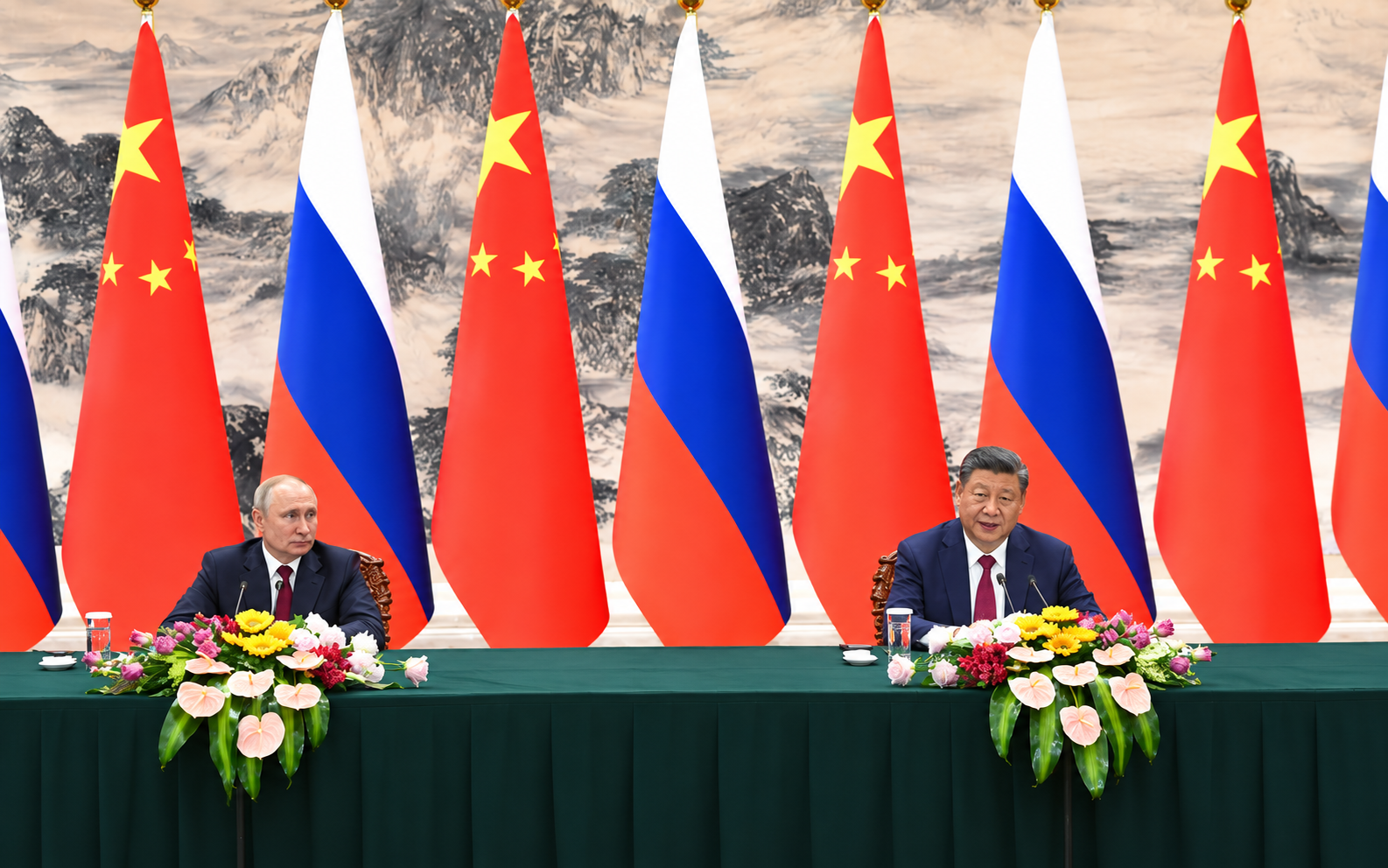
China and Russia are maintaining strong momentum in their bilateral relationship, with President Xi Jinping and Russian President Vladimir Putin signalling their intention to deepen cooperation across trade, energy, transport, technology and other sectors.
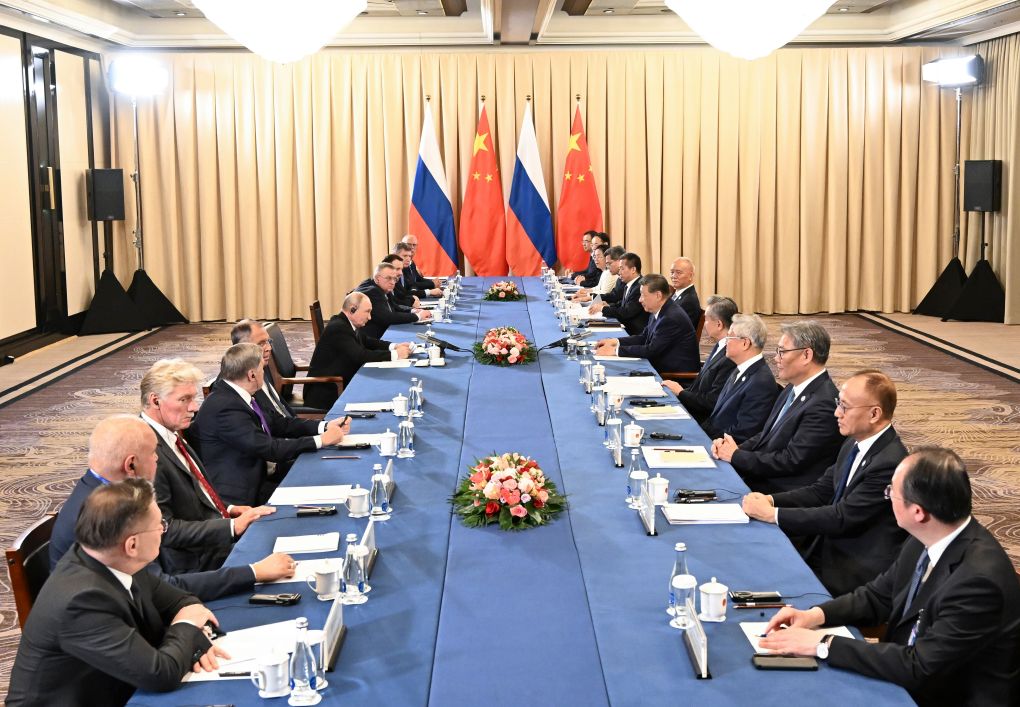
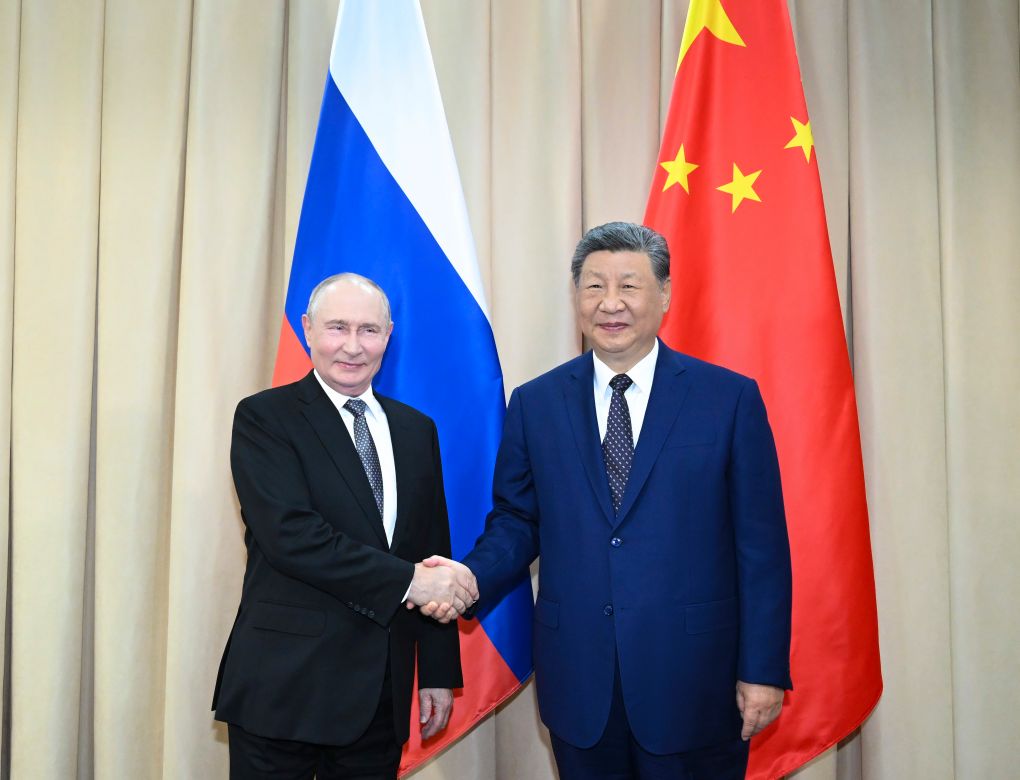
The two leaders met on Monday in Bishkek, Kyrgyzstan, where they reviewed the progress of bilateral ties and discussed the wider international situation. Xi said exchanges and cooperation between the two countries had continued to develop steadily, reflecting agreements reached during Putin’s state visit to China in May.
Xi recalled that he and Putin had used that visit to make arrangements from a strategic and long term perspective aimed at moving China Russia relations towards a higher level of development.
The two presidents also reached a series of agreements on expanding cooperation in different areas as both countries respond to changing circumstances, Xi said.
Since then, authorities in China and Russia have been working to put those agreements into practice. Xi said the implementation process had already produced a number of results, suggesting that decisions made at the leadership level were being translated into practical cooperation between government departments and other institutions.
He expressed confidence that continued coordination between the two countries would strengthen the foundations of their relationship and provide a more stable basis for future cooperation.
“Under our strategic guidance and through our joint efforts,” Xi said, the foundation of bilateral relations would become more solid, progress would become steadier and the prospects for cooperation would become brighter.
Putin calls for broader economic cooperation
Putin also described the development of China Russia relations as rapid, pointing to the breadth of cooperation between the two countries.
Russia, he said, is prepared to maintain high level exchanges with China while expanding work in several major areas of the economy.
These include trade, energy, industry, transportation, science and technology, as well as people to people exchanges.
The range of sectors mentioned by Putin reflects the broad scope of the relationship. Economic and energy ties have long formed an important part of China Russia cooperation, while transportation and industrial links provide additional channels for trade and investment.
Science and technology have also become an increasingly important area of cooperation as both countries seek to strengthen their domestic capabilities and expand partnerships in research and innovation.
Putin said Russia wanted to maintain close contact with China at the senior level and continue developing practical cooperation.
People to people exchanges were also included in his remarks, indicating that the relationship extends beyond government and business dealings to wider contacts between the two societies.
The meeting in Bishkek came as China and Russia continue to coordinate closely on regional and international issues. Both governments have repeatedly stressed the importance of maintaining regular communication between their senior leaders.
Leaders discuss an increasingly uncertain international environment
The talks also turned to broader changes taking place around the world.
Xi said the international environment was experiencing changes not seen in a century, while uncertainty and factors that are difficult to predict had increased significantly.
Despite those changes, he said the desire of people around the world for peace, development, cooperation and mutually beneficial outcomes had not changed.
Xi’s comments placed the China Russia relationship within a wider discussion about international stability and regional cooperation. Rather than focusing solely on bilateral economic ties, the two leaders also addressed the role of multilateral organisations in responding to political and economic uncertainty.
Among those organisations is the Shanghai Cooperation Organisation, or SCO, which brings together China, Russia and several other countries across Eurasia.
Xi said the SCO has a responsibility to help maintain regional stability and promote development.
The organisation has become an important forum for its member states to discuss security, economic cooperation and regional affairs. China and Russia are among its founding members and have played prominent roles in shaping its activities.
Xi said the SCO should continue to contribute to stability and development at a time when the international environment is becoming more difficult to predict.
Putin echoed that position, saying Russia and China should continue strengthening unity and cooperation within the SCO.
He said the two countries should play a leading role in the organisation.
Focus remains on practical results
The comments from both leaders point to a relationship that is being developed through a combination of high level political contact and practical cooperation.
Xi’s reference to agreements reached during Putin’s May visit also suggests that implementation remains an important measure of progress. Rather than limiting bilateral relations to diplomatic declarations, the two governments are seeking concrete results across multiple sectors.
Trade and energy remain major areas of interest, while transport and industry offer opportunities for wider economic links. Cooperation in science and technology provides another avenue for the two countries to work together as they pursue their respective development priorities.
The emphasis on people to people exchanges adds a broader dimension to the relationship. Government agreements can establish the framework for cooperation, but sustained interaction between businesses, researchers, institutions and ordinary citizens can determine how deeply those links take root.
For Xi, the next stage of China Russia relations will depend on continued strategic direction from the two leaderships and effective implementation by relevant authorities.
For Putin, maintaining high level contact while broadening cooperation across the economy and society remains a priority.
Their meeting in Bishkek therefore carried both a bilateral and regional message. China and Russia intend to preserve the momentum of their relationship while expanding practical cooperation, and both leaders see the SCO as an important platform for addressing regional stability and development.
The immediate task now is to turn the agreements and political commitments discussed by the two presidents into measurable cooperation in trade, energy, transportation, industry, technology and exchanges between their peoples.