

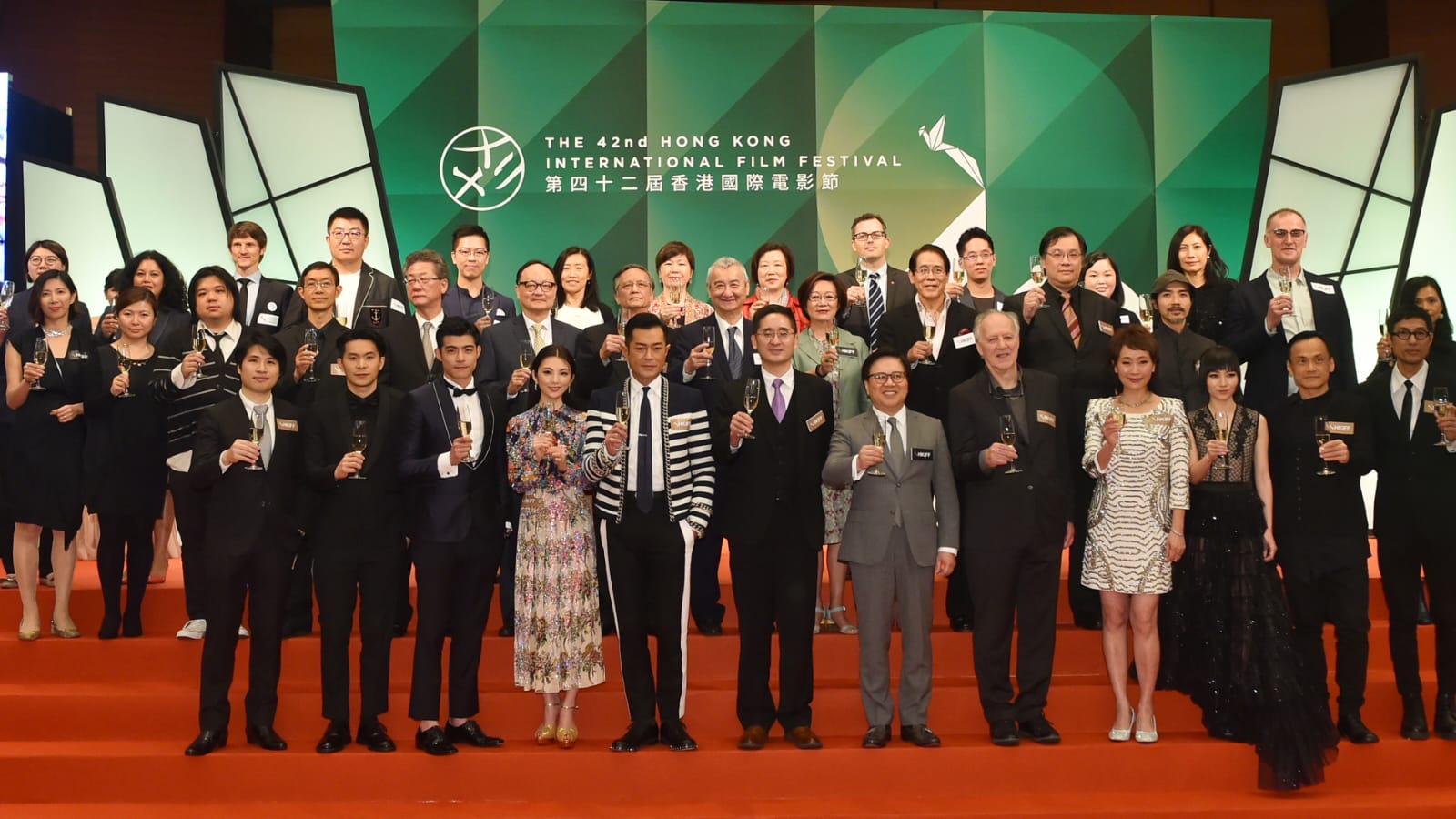
The Hong Kong International Film Festival celebrated its golden anniversary on Thursday with the opening night gala premiere of celebrated director Ann Hui's latest work, "Harbour Light," a sweeping narrative encompassing five decades of Hong Kong history that received a 12-minute standing ovation from an audience that included film professionals from 61 countries attending the 50th edition of what has become Asia's most prestigious film festival.
Five Decades of Cinema Diplomacy
Since its inaugural edition in 1977, the Hong Kong International Film Festival has served simultaneously as a showcase for Hong Kong cinema, a bridge between Asian and world film cultures, and a marketplace where Hong Kong's position as the film industry capital of greater China has been annually reaffirmed. Its 50th edition, expanded to 25 days from the standard 16, features 245 films from 112 countries, 18 world premieres, 34 Asian premieres, and retrospective programmes dedicated to Cantonese cinema of the 1950s, Hong Kong New Wave directors of the 1980s and the martial arts genre that carried Hong Kong film to global recognition.
Festival Director Li Cheuk-to noted that the record 4,200 film submissions received for this year's edition reflected the festival's sustained international standing. "In a world where film festivals proliferate, the fact that filmmakers from 112 countries want their work to have its first public showing in Hong Kong is a testimony to what this festival has represented for half a century," he said.
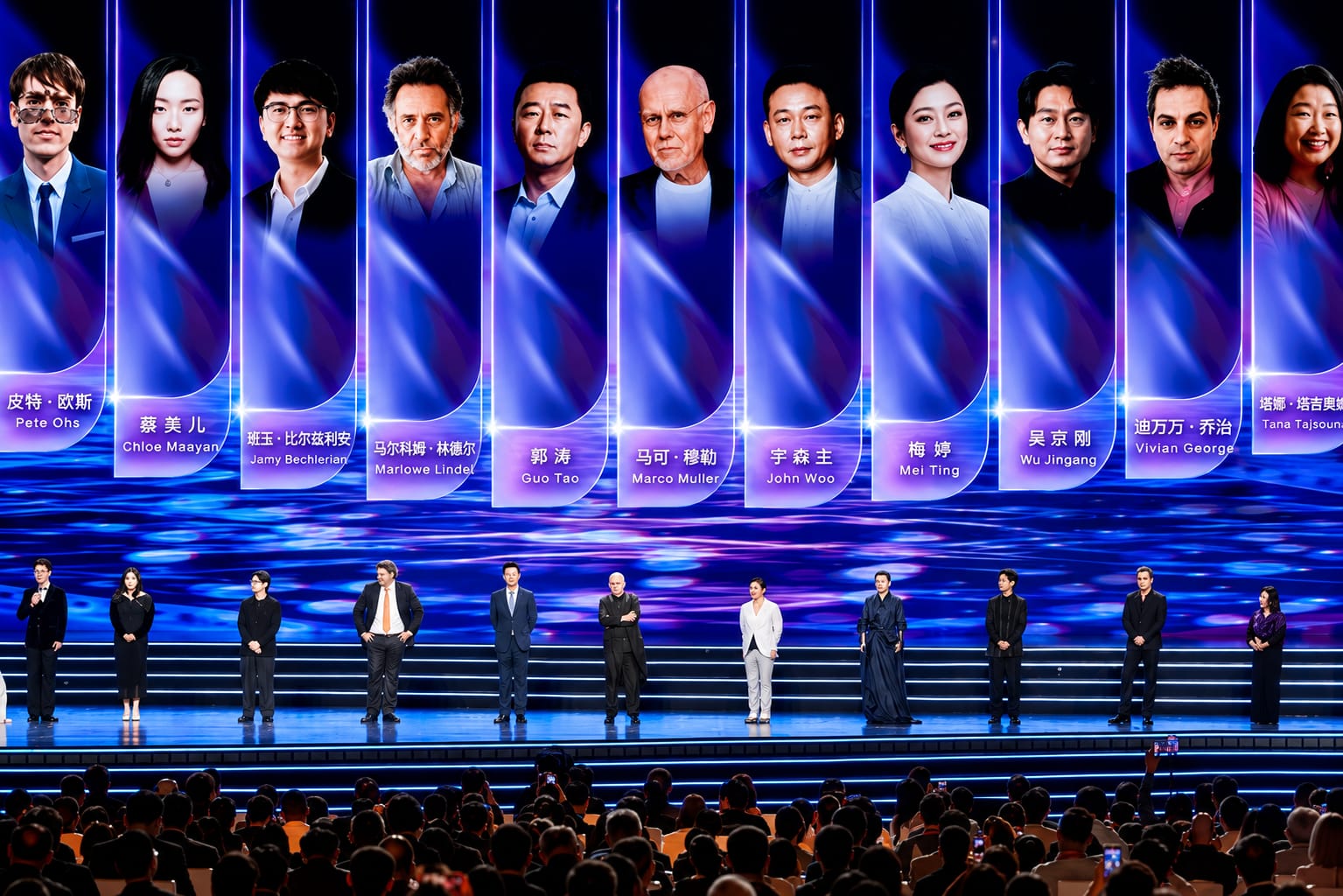
The 50th Hong Kong International Film Festival received 4,200 submissions from 112 countries, featuring 18 world premieres and an expanded 25-day programme.
The Programme's Highlights
Beyond Ann Hui's opening night film, the 50th edition features what critics are already describing as one of the strongest competitive programmes in the festival's history. The Firebird Award competition, which has launched the careers of numerous filmmakers who subsequently achieved global recognition, received its strongest-ever submission pool. The jurors, drawn from Hong Kong, France, South Korea, Iran and Brazil, face difficult deliberations among a cohort of films that several early reviewers have described as collectively the finest selection in memory.
A dedicated "50 Years of Hong Kong Cinema" retrospective programme has assembled 80 landmark films restored by the Hong Kong Film Archive and screened in the original Cantonese language with subtitles in English, Mandarin and French. The retrospective encompasses Golden Harvest classics, Shaw Brothers productions, Wong Kar-wai's definitive works, and a selection of contemporary Hong Kong films demonstrating the continued vitality of local filmmaking.
Industry and Market Activities
The festival's industry and market components have grown substantially in parallel with the main programme. The Hong Kong International Film and TV Market, running concurrently with the festival, hosted 2,800 registered industry professionals from 68 countries, with 340 companies maintaining exhibition space and over 1,200 one-to-one buyer-seller meetings facilitated through the festival's matchmaking platform. Total market transactions concluded or initiated during the festival are estimated at HK$2.4 billion.
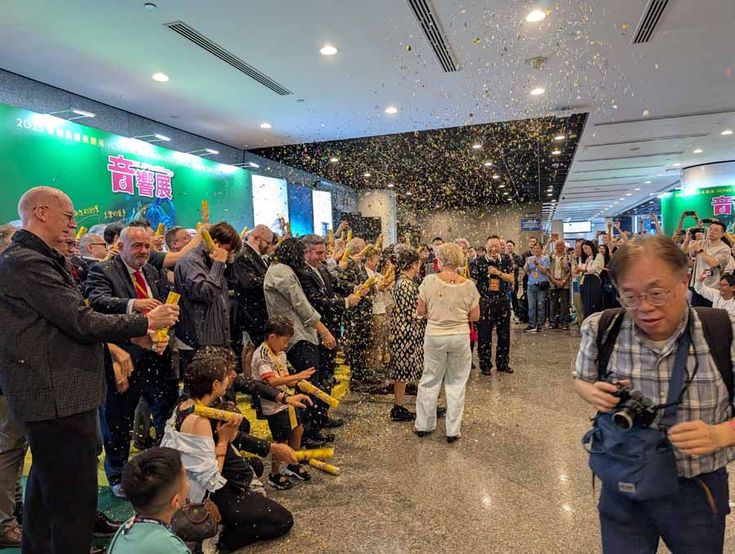
Hong Kong's international film market attracted 2,800 industry professionals from 68 countries, facilitating an estimated HK$2.4B in transactions during the festival period.
Co-Production as a Strategic Pillar
A notable feature of this year's programme is the strength of the Hong Kong-international co-production cohort, with 18 world premiere films representing collaborative productions between Hong Kong and partners in France, South Korea, the United Kingdom, Canada, Australia, Japan and the United States. The diversification of Hong Kong's co-production relationships beyond its traditional primary markets reflects the market diversification strategy pursued by the government through the Hong Kong Film Development Council.
The Film Development Council's co-production support scheme contributed HK$180 million to 12 international co-productions in the current fiscal year, providing development funding, production investment and international marketing support. The CEO of the council, Amy Chu, noted that the scheme had generated a commercial return of 340 percent since its inception in 2018, measured by the ratio of box office and licensing revenue generated by supported films to the total public investment made.