

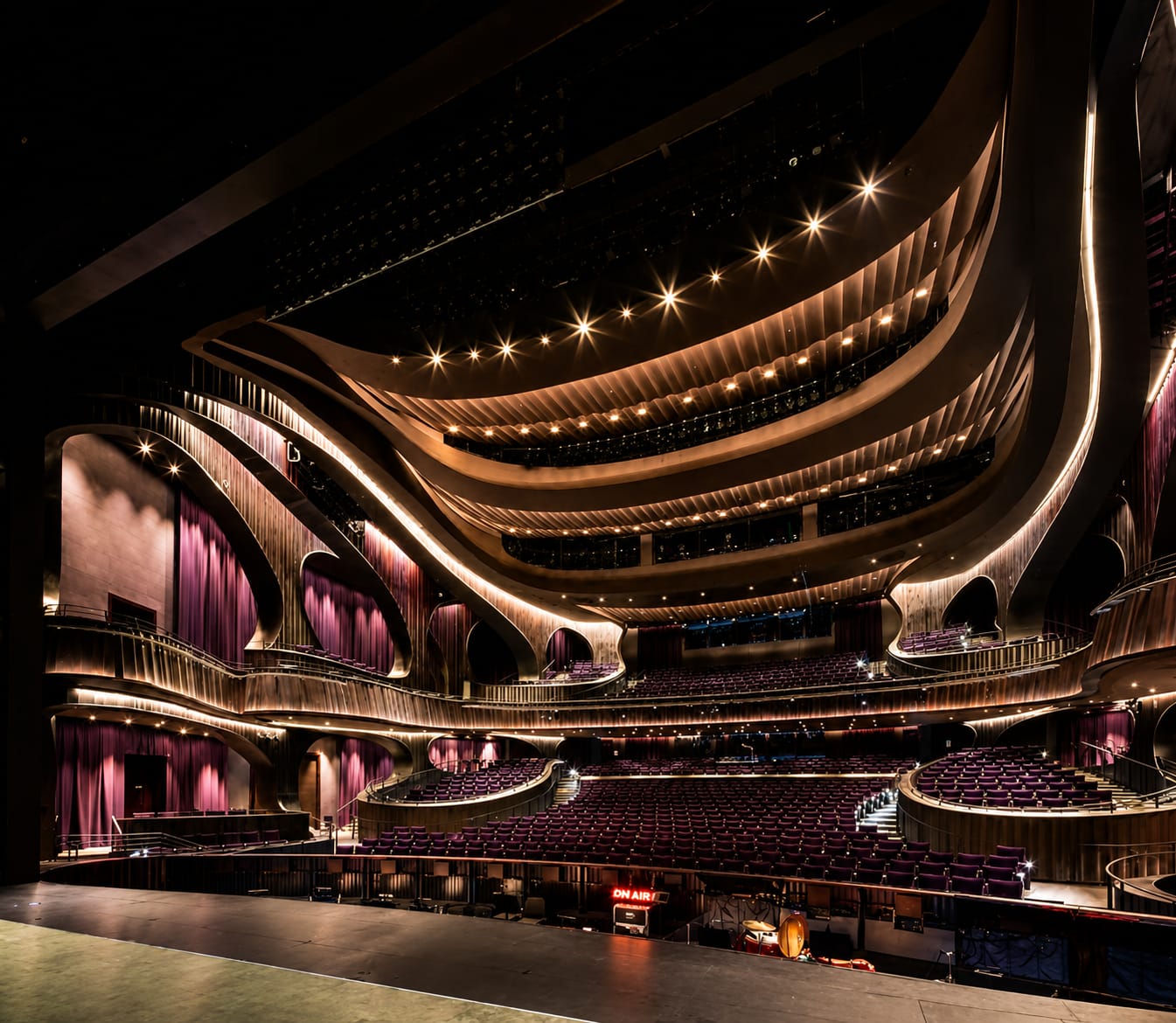
Hong Kong's live theatre scene is experiencing the most vigorous creative renaissance in its modern history, with the Hong Kong Arts Development Council reporting record annual ticket sales of HK$380 million across all performing arts disciplines in the past fiscal year, a 42 percent increase from the pre-pandemic baseline of 2019. The growth is driven by a generational renewal of creative talent, significant public and private investment in venue infrastructure, and an audience that has returned to live performance with a hunger that industry professionals attribute partly to the cultural deprivation of the pandemic years.
New Venues Transforming Access
Three new performing arts venues have opened in Hong Kong in the past 18 months, each addressing specific gaps in the city's venue ecosystem. The Yau Ma Tei Black Box Theatre, a 180-seat flexible studio space embedded in a repurposed industrial building in Kowloon, provides affordable rehearsal and performance infrastructure for emerging theatre companies that had previously been priced out of Hong Kong's commercial venue market.
The Tuen Mun Performing Arts Centre, the first dedicated medium-format performing arts venue in Hong Kong's western New Territories, offers a 600-seat main hall and a 200-seat studio that have transformed performing arts access for the 800,000 residents of Tuen Mun, who previously faced lengthy cross-harbour journeys to attend professional productions. The centre's first three months of programming sold out 87 percent of available seats, significantly exceeding projections.
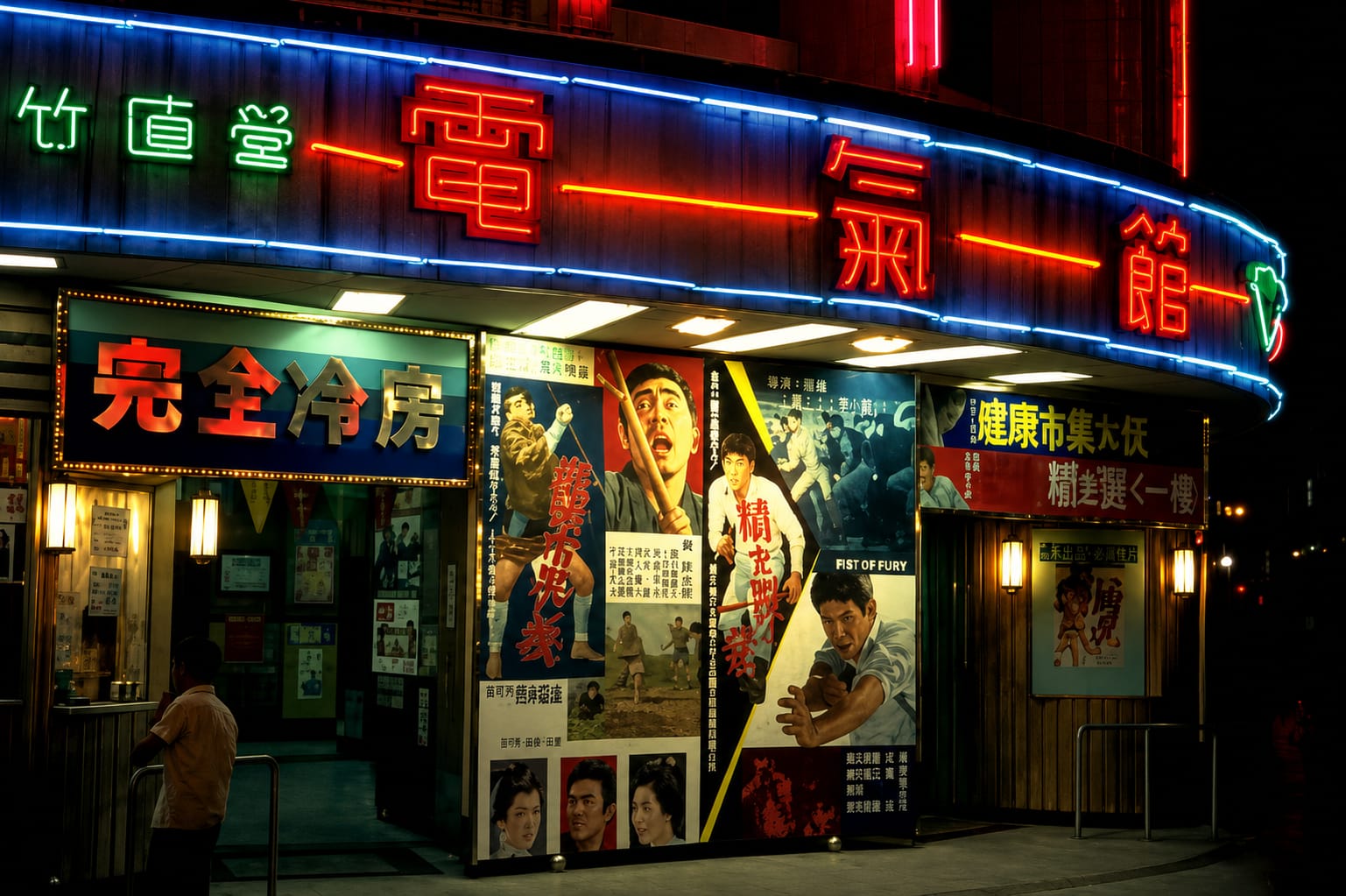
Three new venues including the Yau Ma Tei Black Box and Tuen Mun Performing Arts Centre have expanded Hong Kong's performing arts infrastructure significantly.
A New Generation of Playwrights
The most critically celebrated development in the current renaissance is the emergence of a cohort of young Hong Kong playwrights whose work engages directly and powerfully with the complexities of contemporary Hong Kong identity, history and social experience. Their work, performed in Cantonese with surtitles in English and Mandarin, has attracted international critical attention and programming invitations from festivals in Edinburgh, New York and Berlin.
Playwright and director Chan Yan-lok's trilogy of productions examining three generations of a Hong Kong family across the handover eras has been performed to full houses at the Kwai Tsing Theatre and subsequently invited to the Edinburgh Festival Fringe, where it received four-star reviews from The Guardian, The Times and The Scotsman. The trilogy's evocation of Hong Kong's unique cultural identity resonated with international audiences in ways that surprised even its creator.
International Touring and Exchange
The internationalisation of Hong Kong theatre is a conscious priority of the Arts Development Council's current Strategic Plan, which allocates HK$45 million specifically to support international touring, residencies and co-productions. The results are measurable: Hong Kong theatre companies undertook 28 international touring engagements in 2025, reaching 34 cities across 18 countries, a threefold increase from the 2019 baseline.
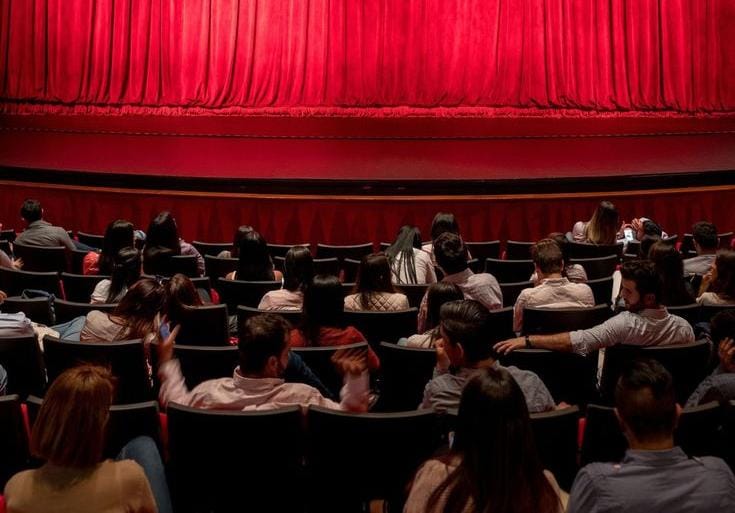
Hong Kong theatre companies undertook 28 international touring engagements in 2025, reaching 34 cities across 18 countries, triple the 2019 baseline.
The Musicals Boom
Musical theatre, historically a weaker component of Hong Kong's performing arts ecosystem compared with straight drama and Cantonese opera, has staged a remarkable commercial revival. The 2026 Hong Kong productions of Wicked, Hamilton, and the world premiere Cantonese-language original musical "Beloved Harbour," chronicling the history of the typhoon shelter communities of Aberdeen, have collectively sold 98 percent of available seats across their combined runs.
"Beloved Harbour," produced by the Hong Kong Repertory Theatre with a cast of 40 and an original score by celebrated Canto-pop composer James Wong Fan-gwong, has been optioned for productions in Singapore, Taiwan and the United Kingdom, marking what would be the first Hong Kong-originated Cantonese-language musical to achieve international transfers at this scale. The production's combination of emotional storytelling, spectacular staging and a score that effortlessly blends Cantonese operatic and pop traditions has generated widespread critical acclaim.