

Tsinghua University has strengthened its position at the top of Asia’s higher education rankings, rising to 11th place globally and helping push three Asian universities into the world’s top 15 for the first time.
The latest Times Higher Education World University Rankings 2027 place Tsinghua ahead of every university in continental Europe. Peking University ranks 13th and the National University of Singapore 15th, giving Asia an unprecedented three institutions inside the global top 15.
The rankings, released on Wednesday, include 1,003 universities from across Asia, compared with 929 institutions last year. The increase comes as universities across the Chinese mainland and Hong Kong continue to strengthen their international standing in research, teaching and links with industry.
Times Higher Education said the results point to a broader change in the distribution of academic strength around the world.
Tsinghua moves up as Asia expands its presence
Tsinghua climbed one position from 12th place in the previous edition of the rankings. Its rise marks the first time an Asian university has reached 11th place, according to Times Higher Education.
Peking University also remained among the strongest institutions globally, taking 13th place. Singapore’s National University of Singapore completed the Asian representation in the top 15 at 15th.
The three institutions now sit alongside the University of Oxford, Massachusetts Institute of Technology and Princeton University, which retained the top three positions in the global ranking.
Oxford remained first, followed by MIT and Princeton. The leading positions were broadly unchanged from last year, but the growing number of Asian universities near the top reflects a wider shift in global higher education.
Phil Baty, Times Higher Education’s chief global affairs officer, said the latest results indicate a long term movement in academic influence toward Asia.
He said the rankings show that the balance of global higher education is changing, with universities in Asia gaining ground while the representation of US institutions among the world’s leading universities has weakened.
The number of American universities in the global top 200 fell to a record low, Baty said.
India recorded the largest number of ranked universities in Asia for the second consecutive year. Its continued expansion in the rankings adds another dimension to the region’s growing presence in global higher education.
Five Hong Kong universities enter global top 100
Hong Kong maintained a strong showing, with five universities placing among the world’s top 100.
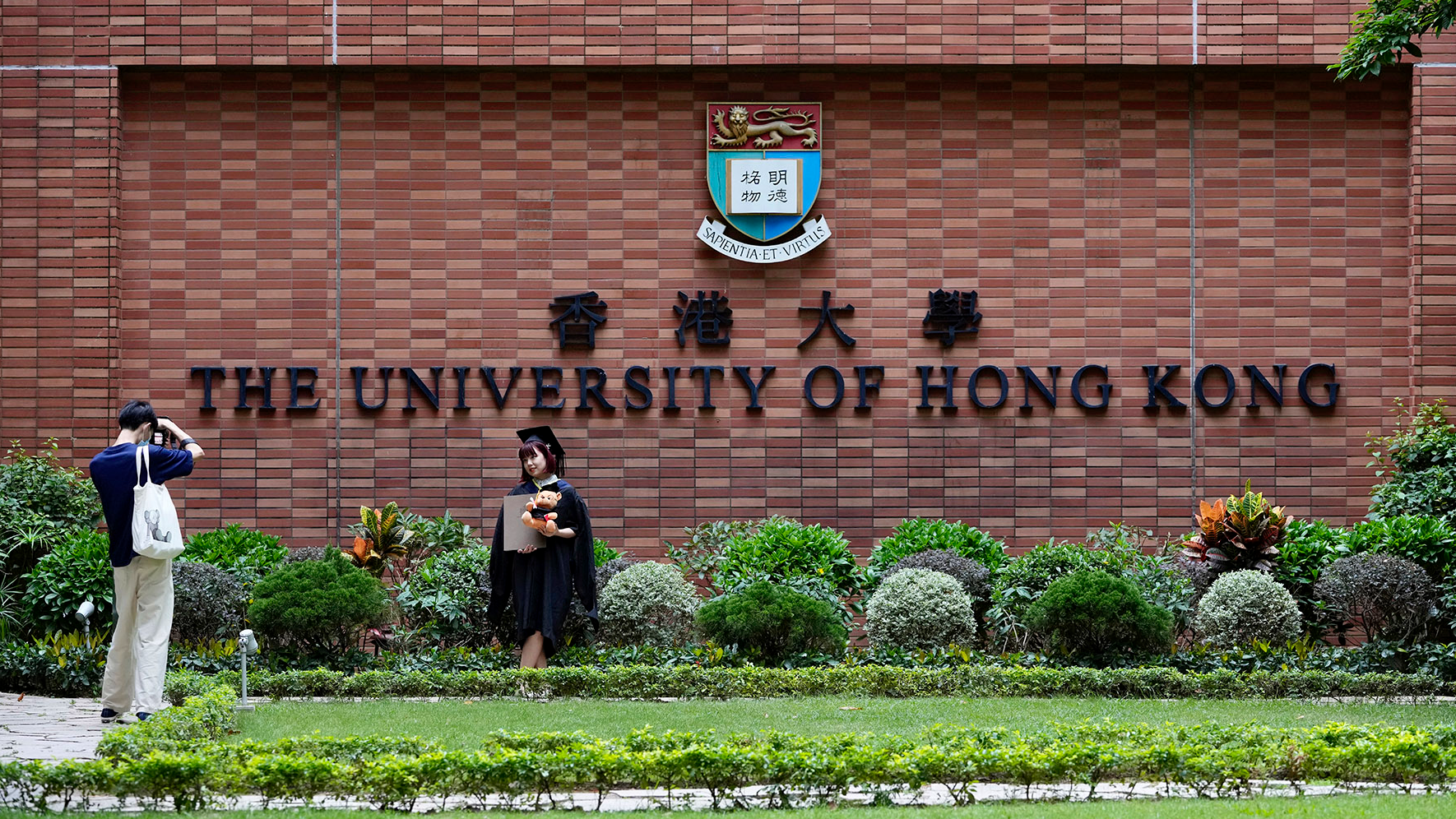
The University of Hong Kong remained the highest ranked institution in the Hong Kong Special Administrative Region, holding 33rd place, the same position it occupied last year.
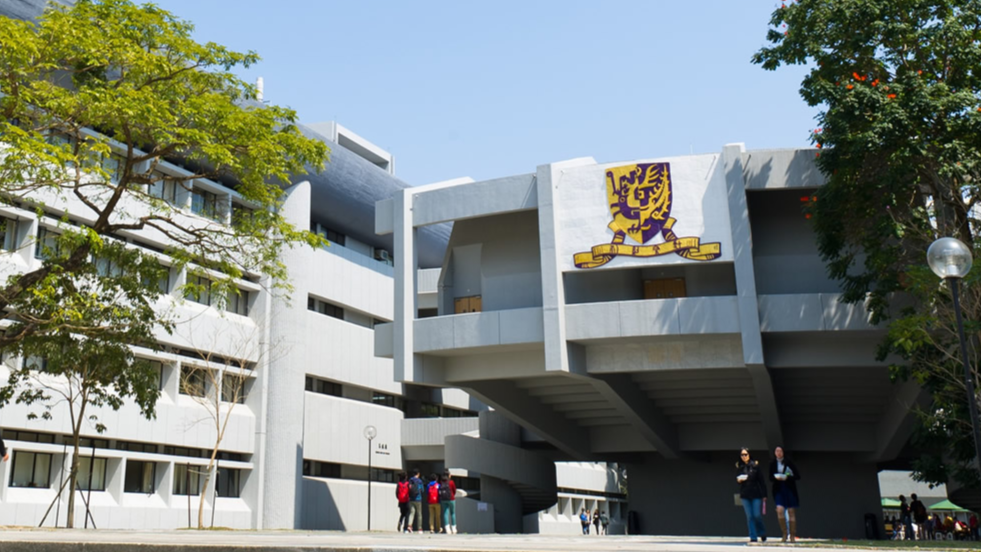
The Chinese University of Hong Kong ranked 42nd, slipping slightly from joint 41st in the previous edition. The Hong Kong University of Science and Technology remained in 58th place.
City University of Hong Kong recorded one of the territory’s notable gains. It climbed three places to 70th, its highest position in the ranking to date.
The Hong Kong Polytechnic University also improved, moving up one place to 79th.
The gains were not limited to institutions inside the top 100. Hong Kong Baptist University was ranked joint 205th, while the Education University of Hong Kong placed joint 212th.
Lingnan University recorded the largest rise among Hong Kong institutions. After entering the rankings last year in the 301 to 350 range, the university moved to joint 257th this year.
The movement gives Hong Kong eight universities represented in the latest ranking and shows that institutions across different academic profiles are gaining international recognition.
CityU and PolyU point to research and global links
City University of Hong Kong Acting President Lee Chun sing welcomed the university’s rise and said CityU would continue expanding international academic cooperation.
Lee also said the university planned to work more closely with industry while developing graduates who can compete internationally and contribute to society.
CityU has positioned these efforts alongside Hong Kong’s wider ambition to strengthen its role as an international centre for higher education, innovation and talent.
At PolyU, President Teng Jin guang said the university was encouraged by its improved ranking.
Teng said the result reflected the university’s strength and international impact in scientific research, teaching and the transfer of knowledge beyond academia.
He also pointed to PolyU’s efforts to build an international academic environment and prepare students to develop new ideas with an international outlook.
For universities competing in global rankings, research output alone is not the only measure. International collaboration, teaching conditions, research funding and relationships with industry increasingly influence how institutions are assessed.

Lingnan continues its rapid rise
Lingnan University’s latest result marks a second consecutive year of movement since it first appeared in the rankings.
President Joe Qin Sizhao said the university’s progress reflected improvements in teaching, research and knowledge transfer.
Lingnan has been developing a model that combines its traditional liberal arts focus with technology and artificial intelligence.
Qin said the university would continue expanding its “liberal arts plus technology” and “AI plus” initiatives as it seeks to strengthen its international academic profile.
The university’s movement from the 301 to 350 band to joint 257th represents a substantial change in its position within a single year.
Qin also pointed to improvements in research and the university’s ability to turn new ideas into practical applications.
That focus reflects a wider change in what universities are expected to deliver. Institutions are increasingly judged not only by academic publications but also by the quality of research, international cooperation and their ability to connect discoveries with industry and wider society.
How Times Higher Education measures universities
The World University Rankings assess universities across five broad areas.
Teaching measures the educational environment and the conditions in which students learn. Research environment considers factors including research scale, funding and academic reputation.
Research quality examines citation impact, research output, excellence and influence. International outlook assesses the global composition of staff and students as well as the international reach of research.
The fifth area, industry, measures universities through their relationships with industry, including funding and patents.
Universities receive an overall score out of 100 based on these areas.
The methodology means that a university’s position can change even when its academic programmes remain broadly stable, as changes in research performance, citations, international activity, funding or industry engagement affect the overall calculation.
The latest figures therefore offer more than a list of university positions. They show a growing concentration of highly ranked institutions in Asia, with universities in the Chinese mainland, Hong Kong, Singapore and India playing increasingly prominent roles.
For Hong Kong, the results also reinforce the international standing of its university sector. Five institutions remain inside the global top 100, while all eight Hong Kong universities represented in the ranking recorded positions across the wider table.
For universities across Asia, the next challenge will be to sustain research quality, international collaboration and industry links as competition at the top of global higher education intensifies.
How do you think Asia’s rising university rankings will shape the region’s role in global education and research?