

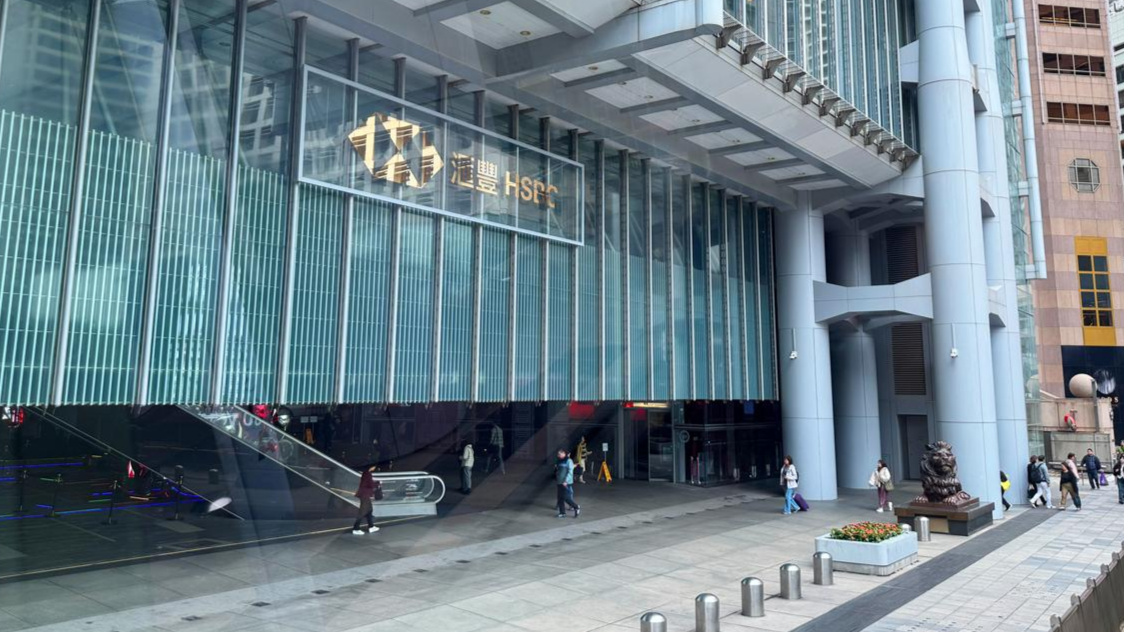
HSBC Holdings Plc is ending a Hong Kong employee benefit that can be worth as much as HK$200,000, removing a subsidy that has helped some mid level bankers pay for private members’ club access.
Under an internal memo, employees affected by the change will lose the subsidy covering half the cost of joining a members’ club after Dec 31. The move comes as HSBC reviews employee benefits in Hong Kong and works to align arrangements between HSBC Hong Kong and Hang Seng Bank.
The changes extend beyond club memberships. From 2027, new employees joining HSBC Hong Kong and Hang Seng Bank will no longer receive the same life assurance coverage available to existing staff, according to the memo.
The two banks will also bring several employee benefits closer together, including mortgage arrangements, medical coverage and life insurance.
An HSBC spokesperson said the bank remains focused on providing competitive support for its employees.
“We are focused on investing in our employees competitively,” the spokesperson said in an emailed statement. “HSBC and Hang Seng employees in Hong Kong have access to broad learning and development opportunities and a competitive benefits package.”
Club subsidy ends after December
The members’ club benefit has been particularly valuable in Hong Kong, where joining a private club can require a substantial upfront payment as well as recurring annual fees.
The subsidy covered 50 percent of membership costs for eligible mid level bankers, with the total value reaching as much as HK$200,000.
The benefit has also been connected to the professional culture of Hong Kong’s financial sector. Private clubs commonly provide dining facilities, meeting spaces, sporting facilities and social venues. For bankers and other professionals, they can serve as places for both personal activities and business meetings.
Some clubs also have lengthy waiting lists, making membership difficult to obtain even for employees willing to pay the full cost.
HSBC’s decision therefore removes more than a simple recreational benefit. For employees who have relied on the subsidy, the change will increase the personal cost of maintaining club memberships.
The change is scheduled to take effect after Dec 31.
It follows another reduction in employee benefits announced earlier this month.
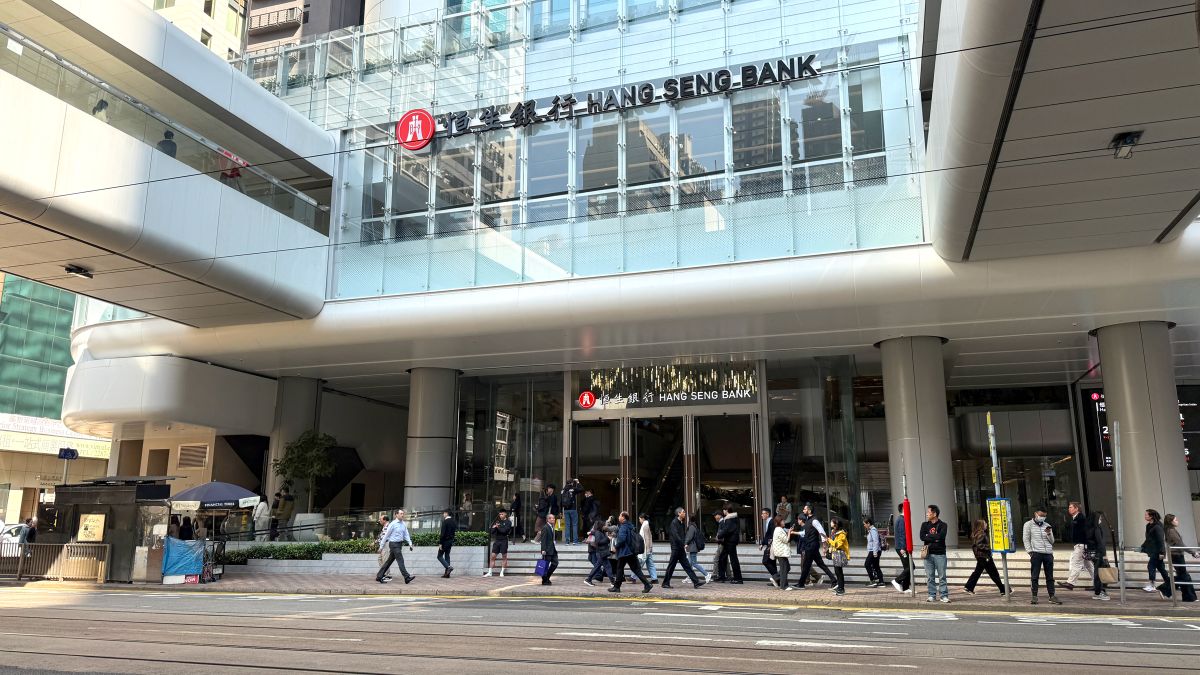
School fee benefit already reduced
HSBC recently ended a long standing education benefit for new employees joining the bank in Hong Kong and for certain senior staff transferring to the city.
Previously, eligible employees could receive a subsidy covering 95 percent of school fees, subject to annual limits of HK$220,000 for each primary school child and HK$300,000 for each secondary school child.
The education benefit remains available to certain existing employees in band three and managing director roles who already receive it, according to a person familiar with the decision cited in earlier reporting.
The change was significant because Hong Kong is HSBC’s largest market and had been unusual within the group for offering such extensive education support to mid level and senior employees.
The latest club membership decision adds another benefit change to the bank’s Hong Kong operations.
Taken together, the changes show a broader effort to standardize employee arrangements while reducing the cost associated with maintaining different benefit structures across locations and businesses.
Hang Seng integration adds another layer
HSBC completed its acquisition of Hang Seng Bank earlier this year, bringing the two institutions under the same ownership structure.
The integration has created a need to compare and align employee policies across the two banks, including compensation and benefits.
The latest memo indicates that mortgage benefits, medical coverage and life insurance will be brought into closer alignment for HSBC Hong Kong and Hang Seng employees.
The changes affect different groups in different ways. Existing employees may retain some benefits that will no longer be offered to new joiners, while other benefits will gradually be standardized across the two organizations.
That distinction is important in Hong Kong’s competitive banking sector, where compensation packages often include more than basic salary and annual bonuses.
Housing support, school fees, insurance and medical benefits can form a substantial part of total employment compensation, particularly for senior employees with families.
Removing or reducing one benefit may therefore have a greater financial effect than its headline value suggests.
HSBC continues its cost reduction programme
The benefits changes come as HSBC Chief Executive Officer Georges Elhedery continues a broad restructuring programme aimed at simplifying the bank and reducing expenses.
HSBC has been withdrawing from some businesses and markets while concentrating resources on areas it considers more closely connected to its strategic priorities.
The bank has announced exits from certain activities and has been working to generate additional savings. Its 2025 annual report said completed and announced exits were expected to generate annualized cost savings, while the integration of Hang Seng was also expected to produce further savings.
HSBC said in its 2026 reporting that cost reallocation remains part of its strategy, with savings intended to create investment capacity for areas where the bank sees growth opportunities.
The bank has not, however, stopped investing in Hong Kong.
HSBC continues to recruit for positions in the city, including roles in private banking, transaction banking, technology and retail banking. Current recruitment listings show openings across several business areas.
The bank has also continued to develop initiatives connected to technology and business growth. In September, HSBC launched its Climate Tech Connect programme in Hong Kong to connect companies, investors and climate technology businesses.
That combination means the current changes are not simply a withdrawal from Hong Kong. Instead, HSBC is changing where it spends money and how it structures employee support while continuing to operate and invest in the city.
What the changes mean for employees
For affected bankers, the end of the club subsidy will be most immediate.
Employees who choose to retain their memberships after the benefit expires will have to absorb a larger share of the cost themselves. Those who do not want to pay the additional amount may decide to give up their memberships.
The impact will vary according to salary level, personal circumstances and the type of club involved.
The changes to life assurance could have a different effect because insurance benefits can influence employees’ financial planning, particularly for people with dependants.
The alignment of mortgage and medical benefits between HSBC Hong Kong and Hang Seng could also produce differences for existing employees depending on which bank they work for and which arrangements they currently receive.
For new employees, the package offered at the point of joining may now look different from the package that was available to previous generations of Hong Kong bankers.
That distinction matters in a city where international banks compete for experienced professionals and where housing, education and healthcare costs remain significant components of household spending.
A changing model for banking benefits
Employee benefits in financial services have historically reflected the competition for experienced bankers, particularly in major international financial centres.
Private club memberships, education allowances, housing support and extensive insurance coverage can help banks attract and retain senior professionals. But these benefits also create recurring costs, and banks increasingly have to weigh them against broader efforts to improve efficiency.
HSBC’s latest changes show how that calculation is playing out in Hong Kong.
The bank is not eliminating every employee benefit. Instead, it is changing eligibility, reducing differences between employee groups and bringing HSBC and Hang Seng arrangements closer together.
The approach also fits with the bank’s broader effort to simplify its operations following the Hang Seng acquisition.
For employees, however, the practical question is how much of the cost will shift from the bank to individual households.
A HK$200,000 club subsidy, reduced school support and changes to insurance arrangements can represent meaningful amounts when combined, even if each decision is made separately.
The changes will therefore be closely watched by employees and competitors in Hong Kong’s financial sector as banks reassess the benefits they offer to attract experienced staff.
As HSBC reshapes its employee benefits in Hong Kong, what should banks prioritize when balancing cost control with attracting and retaining experienced talent?