

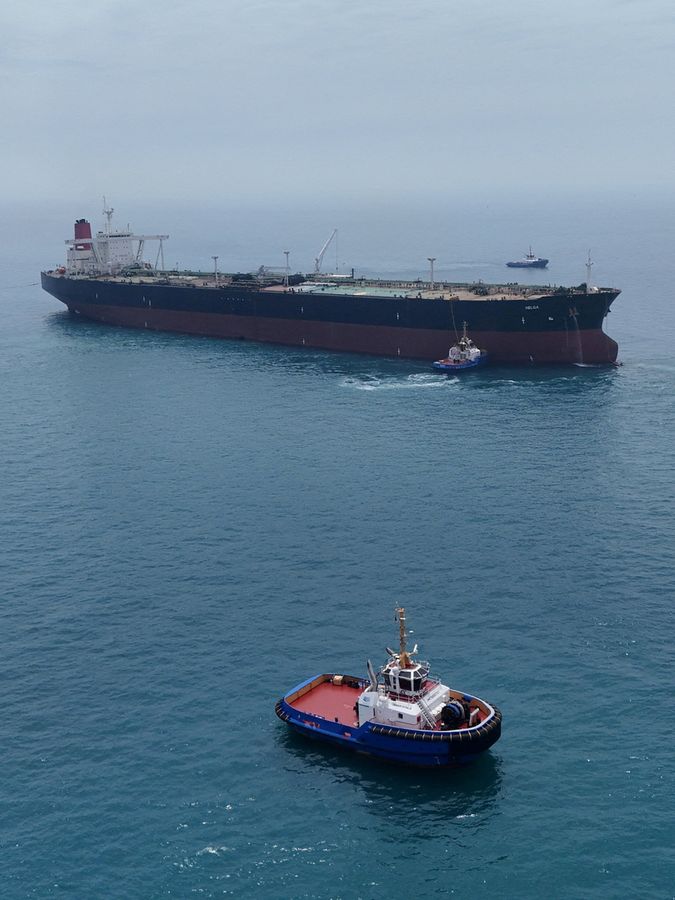
Oil prices climbed about 2 percent after US Iran peace efforts stalled, while renewed Middle East tensions and supply risks added pressure.
Oil prices climbed about 2 percent on Monday as uncertainty over US Iran negotiations raised fresh concerns about supplies from the Middle East and the future of shipments through the Strait of Hormuz.
Brent crude futures gained US$1.68, or 1.6 percent, to reach US$106 a barrel by 1320 GMT, after touching their highest level since September 15 earlier in the session. US West Texas Intermediate crude rose US$1.69, or 1.8 percent, to US$94.10 a barrel.
The gains came after US President Donald Trump rejected an Iranian proposal aimed at ending the conflict and reopening the Strait of Hormuz. His rejection initially suggested that diplomatic efforts could face another setback, although Trump later said US negotiators were expected to hold further discussions this week.
The conflicting signals left oil traders watching the negotiations closely because any prolonged disruption around the Strait of Hormuz could affect one of the world's most important oil shipping routes.
Trump rejects Iranian proposal as talks continue
Iran presented a peace proposal at the United Nations General Assembly in New York last week. Iranian officials said the proposal had been passed to the US through Qatari mediators as part of efforts to resolve the conflict.
Trump said on Saturday that he had rejected the proposal.
However, in a phone interview with Axios on Sunday, Trump said he expected US negotiators to continue talks during the week. The mixed messages left the diplomatic process unresolved rather than bringing it to a complete halt.
A senior official briefed on the negotiations told Reuters that mediators were expected to hold separate discussions with US and Iranian representatives on Monday or Tuesday.
For oil markets, the distinction matters. A diplomatic breakthrough could reduce concerns over shipping and supply interruptions, while a breakdown in talks could keep traders focused on the possibility of further disruption.
The Strait of Hormuz remains central to those calculations because it provides a major maritime route for crude and petroleum products leaving the Gulf.

Saudi Arabia and UAE lift oil exports
Despite the conflict, crude exports from major Middle Eastern producers increased in September.
Preliminary data from commodity analytics firm Kpler showed that exports from key producers reached 12.8 million barrels per day, the highest monthly level since the war began in February.
Saudi Arabia and the United Arab Emirates were responsible for much of the increase.
Shipments through the Strait of Hormuz also recovered. Kpler estimated that flows through the waterway were on course to reach around 7.4 million barrels per day in September.
That recovery came after disruptions earlier in the conflict affected regional energy shipments.
Saudi Arabia also changed the route used for some of its crude exports. Following attacks that damaged the country's East West pipeline, the kingdom redirected shipments from the Red Sea port of Yanbu toward its eastern Ras Tanura export facility.
Ras Tanura is one of Saudi Arabia's major oil export terminals, making the shift significant for the movement of crude toward the Gulf and international markets.
The higher export volumes have provided some relief to buyers, but analysts said they have not restored regional flows to levels seen before the conflict.
Hormuz traffic remains below previous levels
UBS oil analyst Giovanni Staunovo said increased vessel traffic through the Strait of Hormuz had not eliminated concerns over supply.
“Despite more vessel traffic through the Strait of Hormuz, flows remain below pre conflict levels, keeping the market undersupplied,” Staunovo said.
The Strait is particularly sensitive to developments involving Iran because the waterway connects the Persian Gulf with the Gulf of Oman and the wider Arabian Sea. Large volumes of crude and refined petroleum products normally pass through the route.
Any sustained reduction in traffic can therefore affect buyers far beyond the Middle East.
The latest price increase also reflected concerns over security risks elsewhere in the region.
Mahmoud Mashal, an analyst at VT Markets Dubai, pointed to renewed tensions between Saudi Arabia and Yemen's Iran backed Houthis as another source of pressure on energy markets.
Saudi Arabia's coalition said early Saturday that it had intercepted two ballistic missiles and two drones launched by the Houthis toward the kingdom.
The attacks added another layer of uncertainty for energy infrastructure and regional shipping at a time when traders were already watching the US Iran negotiations.
Diesel shortage adds another risk for oil markets
Crude prices have also been affected by concerns over refined fuel supplies, particularly diesel.
Brent crude rose 0.4 percent last week, while West Texas Intermediate fell by more than 7 percent. The different performance reflected concerns that the US government could restrict diesel exports in an attempt to bring down domestic prices.
Diesel prices have reached record levels amid a global shortage, increasing pressure on policymakers and refiners.
European low sulphur gasoil's premium over Brent crude futures rose to about US$95 a barrel last week, setting a record. The increase came after Trump said he supported the idea of banning US diesel exports to reduce domestic fuel prices.
The proposal has raised concerns among fuel traders because the United States is a major supplier of diesel to international markets.
Europe and Latin America are particularly important destinations for US diesel shipments. A reduction in American exports could force buyers in those regions to compete for alternative supplies.
Goldman Sachs warned that the impact would not necessarily remain confined to those markets.
The bank said a disruption to US diesel exports could spread to other regions, including Asia, as European and Latin American buyers sought additional cargoes from countries such as India.
Goldman estimated that every week of a US diesel export ban could push European wholesale diesel prices, measured by ARA gasoil, up by about US$3 per barrel, or just under 2 percent.
That scenario could create additional pressure on refiners and consumers at a time when fuel markets are already dealing with limited supply.
Ukraine targets Russian oil facilities
Oil market concerns also extended beyond the Middle East on Monday.
Ukrainian forces struck Russian oil facilities in the Krasnodar region, Ukrainian President Volodymyr Zelenskiy said.
The reported strikes added another supply related factor for traders monitoring energy infrastructure in major producing and exporting countries.
Oil markets are therefore facing several competing forces at once. Higher Middle Eastern exports and improved tanker traffic through the Strait of Hormuz are providing additional barrels, while diplomatic uncertainty, attacks involving regional energy infrastructure and tight refined fuel supplies are keeping traders cautious.
The immediate direction of crude prices is likely to remain closely tied to developments in the US Iran negotiations and the security of major oil shipping routes.
For consumers and energy companies, the key issue is whether additional diplomatic talks can reduce the risk surrounding Middle Eastern supply routes before further disruptions push crude and refined fuel prices higher.