


Shein shares fell more than 11 percent after the fast fashion retailer reported weak first half results, with revenue growth slowing to just 1 percent while operating profit fell by half.
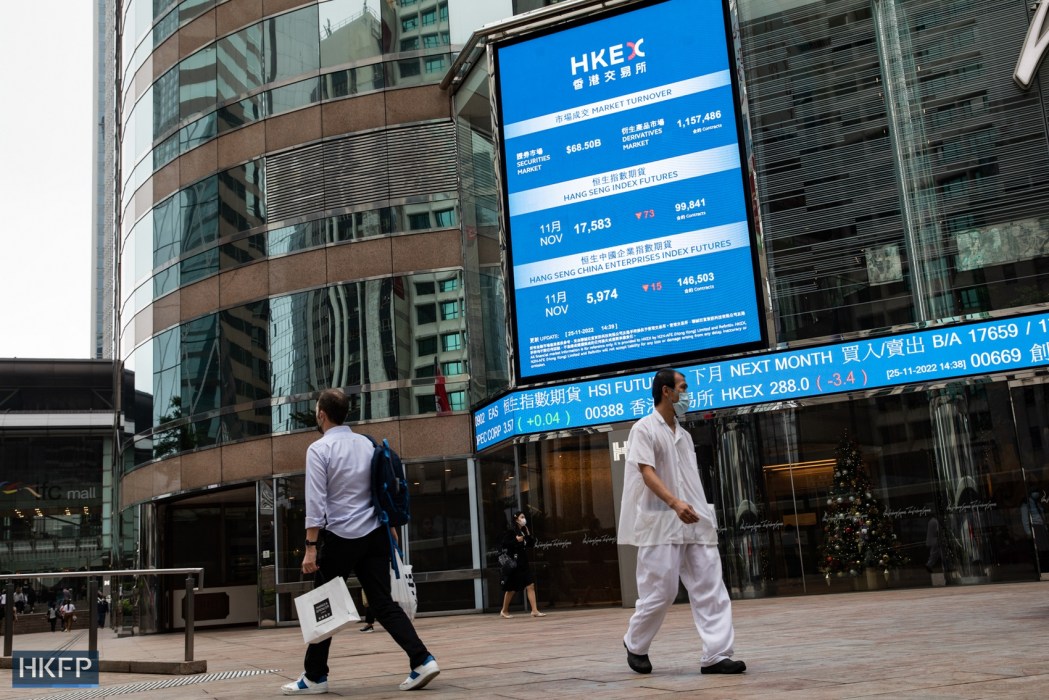
The company's shares were down 10.9 percent at HK$31.44 by around lunchtime on Tuesday, after recovering some of the losses recorded earlier in the session. The decline added to a broader fall in Shein's market value since its debut on the Hong Kong Stock Exchange.
Shein has lost more than 35 percent of its share price since its first trading day in September, according to the figures cited in the original report. The latest decline came after investors assessed the company's first earnings report since its high profile initial public offering.
The results showed pressure across some of Shein's major markets, including Europe and the United States, as the company dealt with higher costs, tariffs and changes to its pricing and advertising strategy.
Revenue growth slows sharply
Shein reported that revenue increased by only 1 percent year on year during the first six months of the year.
The weak growth was accompanied by a much sharper decline in profitability. Operating profit fell by half, raising concerns about the company's ability to maintain its rapid expansion while absorbing higher costs.
The results marked Shein's first major financial update since its Hong Kong listing this month. The initial public offering valued the company at about US$26.3 billion, significantly below the nearly US$100 billion valuation it reached during private fundraising rounds in 2022.
The difference between those valuations reflects how sharply investor expectations around the company have changed in recent years.
Shein built its business around low prices, a huge selection of products and rapid online sales. Its model helped it expand quickly across international markets, particularly among younger consumers looking for inexpensive clothing and accessories.
The company now faces a more difficult operating environment as costs rise and competition increases.
European revenue drops 13.9 percent
Europe was one of the clearest areas of weakness in the latest results.
Shein reported that net revenue from Europe fell 13.9 percent to nearly US$3.8 billion in the second quarter.
The company attributed the decline to lower sales volumes after it raised prices and reduced online advertising spending.
Shein said those decisions were made ahead of the expected removal of a customs duty exemption.
The change has implications for a business built around shipping large numbers of relatively inexpensive individual orders directly to consumers. Customs costs can have a greater effect on low priced products because even a modest additional charge can represent a significant share of the item's final price.
By reducing advertising spending and raising prices, Shein attempted to prepare for the change in the trading environment. The immediate effect, however, was weaker sales volume in Europe.
The company is also considering changes to its logistics operations in the region.
Analyst Catherine Lim of Business Intelligence said localising stock in Europe would result in higher logistics costs in the short term.
That move could eventually change how Shein fulfils orders in the European market, but it also adds another expense at a time when operating profit is already under pressure.
US sales hit by tariffs
The United States also recorded weaker sales during the second quarter.
Revenue in the US fell 6 percent between April and June, with Shein pointing to the impact of tariffs.
The American market has become an important source of revenue for the company, making changes in trade policy particularly significant for its business model.
Shein has historically competed by keeping prices low, but higher tariffs can increase the cost of goods entering the market. The company therefore faces a choice between absorbing additional costs, increasing prices or finding other ways to reduce expenses.
Lim said Shein's management planned to absorb freight and tariff costs rather than increase prices, in an effort to protect its competitive position.
That approach could help the company keep its products relatively inexpensive, but it also puts further pressure on profitability.
Competition intensifies in low cost online retail
Shein's earnings come as competition in low cost online shopping becomes more intense.
Platforms such as Temu and AliExpress have expanded their presence in international markets, offering consumers another source of inexpensive products.
The competition matters because Shein's growth has depended heavily on attracting consumers with low prices and a large selection of goods.
As competitors offer similar pricing, Shein has less room to raise prices without risking a decline in demand.
The company is also under pressure to move beyond its reputation as a low cost fashion platform. Its push towards higher priced brands is intended to broaden its appeal and potentially increase the amount consumers spend per purchase.
But the strategy has yet to prove whether it can offset the pressures facing the core business.
Lim said the decline in operating profit made the scale of a potential recovery in 2027 less certain. She pointed to expected freight relief and Shein's move into higher priced brands as factors that could affect future performance, while noting that the outcome of the strategy remains unproven.

Environmental and labour concerns remain
Shein's financial performance is also being watched alongside longstanding scrutiny of its business practices.
The company has faced criticism over its environmental footprint, particularly because of the high volume of products produced and sold through its fast fashion model.
It has also faced allegations concerning human rights and labour practices.
Those issues have added another layer of pressure as the company seeks to expand its global business and appeal to investors following its Hong Kong listing.
For Shein, maintaining rapid sales growth while responding to criticism and controlling costs presents a difficult commercial balance.
The company must continue attracting customers with competitive prices while dealing with higher freight and tariff expenses. At the same time, reducing advertising or raising prices can affect sales volume, as the latest European figures demonstrate.
Investors assess path to recovery
The sharp share price decline following the earnings report reflects investor attention on Shein's profitability as well as its revenue growth.
A company can continue increasing sales while seeing its operating profit fall if expenses rise faster than revenue. Shein's latest figures show that problem clearly, with first half revenue increasing only 1 percent while operating profit dropped by half.
The pressure is particularly significant following the company's Hong Kong listing, which gave public market investors a direct way to assess its financial performance.
Shein entered the public market with a valuation of around US$26.3 billion, far below the valuation of nearly US$100 billion recorded during its 2022 private fundraising.
Since its September debut, its shares have fallen more than 35 percent, adding to the pressure created by the latest earnings figures.
The company's next steps will include managing freight and tariff expenses, adjusting its European supply and distribution operations and determining whether its higher priced brands can attract customers without weakening its established low price appeal.
For investors and consumers watching Shein's next phase, the key question is whether the retailer can restore profit growth while keeping prices competitive in an increasingly crowded online market.