

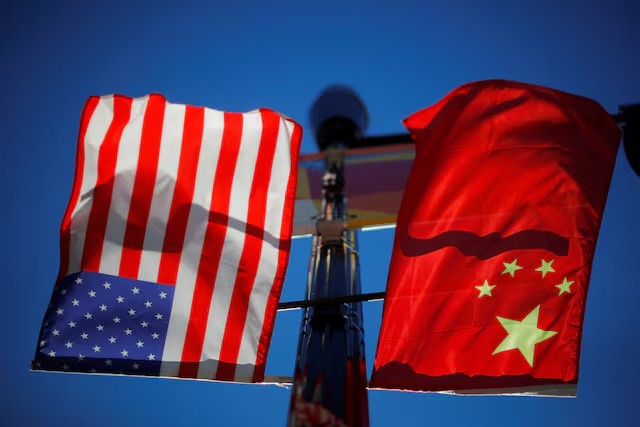
The upcoming US China summit is likely to produce a series of limited but concrete agreements on trade, artificial intelligence and geopolitical issues rather than a sweeping deal between the world’s two largest economies, according to Citi Research.
Citi expects the most immediate outcome to be an extension of the existing trade truce, with discussions likely to cover tariffs, rare earth exports, agricultural purchases and aircraft sales. The two sides could also move forward with institutional mechanisms agreed earlier this year, including the bilateral Board of Trade and Board of Investment.
The meeting comes as Washington and Beijing continue to manage a fragile economic relationship shaped by tariffs, technology restrictions, supply chain concerns and competition over artificial intelligence. While both governments have reasons to prevent another sharp escalation, major differences remain over technology access, national security and trade.
Trade Truce Expected to Remain at the Centre
Citi said the trade truce remains the most likely area for a practical agreement. Any additional US tariffs imposed as part of the talks are expected to remain below China's 20 percent ceiling, limiting the immediate risk of another major increase in duties on Chinese goods.
The arrangement could also include commitments involving China's exports of rare earth materials. Beijing's control over key rare earth supplies has become a major point of concern for US industries because the materials are used in products ranging from electronics and electric vehicles to advanced defence systems.
Agricultural purchases are another area where the two countries could reach an understanding. US farm exports to China have previously featured prominently in trade negotiations, making purchases of American agricultural products a possible component of any renewed arrangement.
Aircraft purchases could also form part of the package. Commercial aviation has been affected by the wider US China trade dispute, and commitments involving aircraft could provide both sides with a tangible economic outcome without requiring agreement on their broader differences.
Citi also expects the two governments to work on implementing the bilateral Board of Trade and Board of Investment arrangements agreed in May. Such mechanisms could give officials a more structured channel for handling commercial disputes and discussing investment issues after the summit.

Artificial Intelligence Adds a More Difficult Challenge
Artificial intelligence is expected to occupy a separate and more difficult part of the discussions.
The United States and China are competing aggressively over advanced computing, semiconductor technology and AI systems. Washington has increasingly linked access to advanced technology with national security, while Beijing continues to build its own domestic capabilities and reduce reliance on foreign technology.
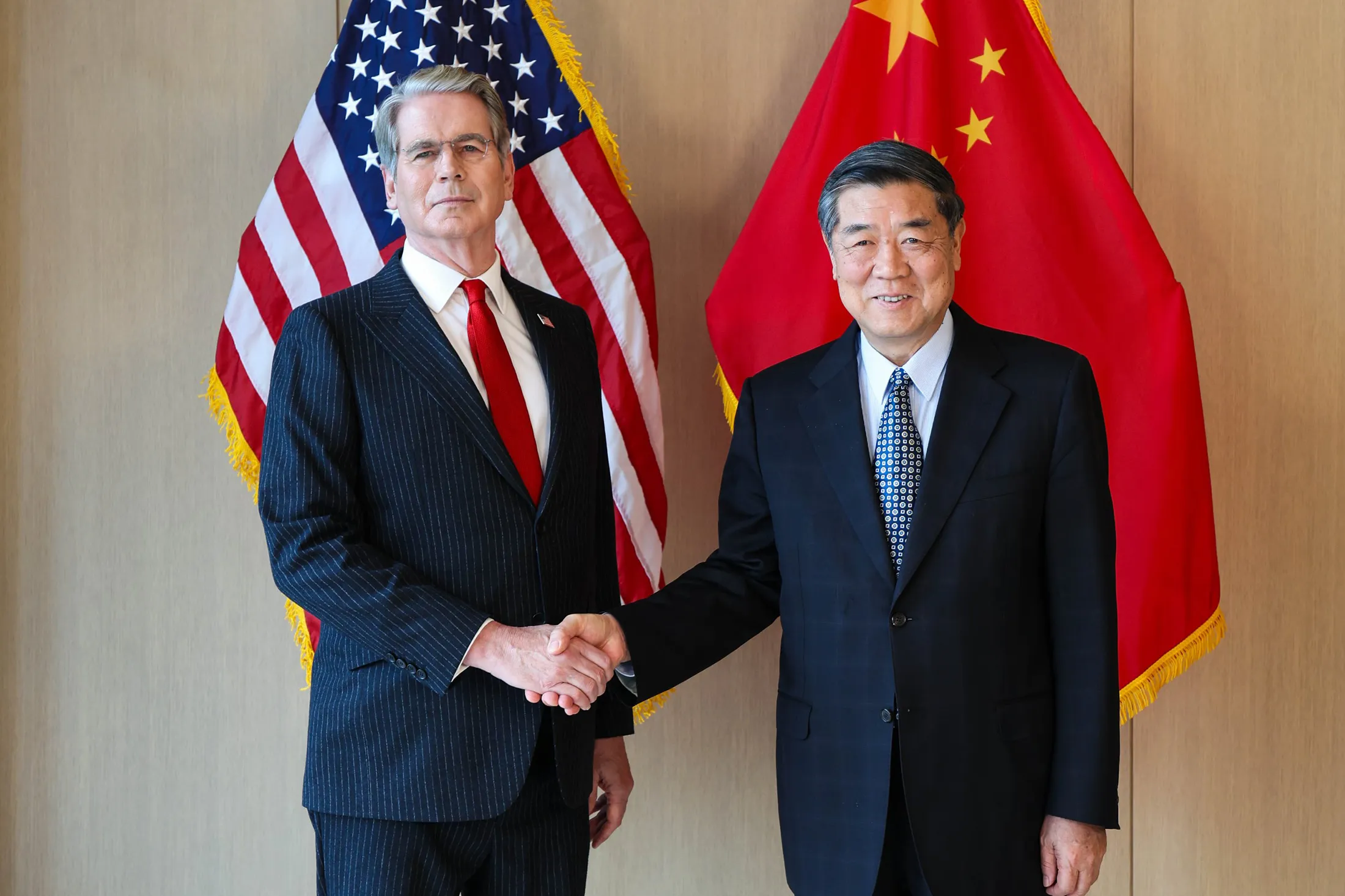
Citi said the two governments could establish a formal US China dialogue on artificial intelligence. US Treasury Secretary Scott Bessent has previously signaled support for discussions aimed at managing risks associated with the rapidly developing technology.
Such a mechanism would not necessarily mean that Washington and Beijing are moving toward broad cooperation in AI. Instead, it could provide officials with a channel to discuss risks and establish basic lines of communication while competition continues.
Technology Competition Likely to Continue
Citi expects competition to remain stronger than cooperation in the technology sector.
The bank said the summit could produce only a high level understanding on AI governance rather than a detailed agreement covering the development or deployment of advanced systems. Issues involving national security are likely to remain particularly difficult because both governments regard leading AI capabilities as strategically important.
Export controls could also become more extensive.
According to Citi, future US restrictions could cover additional power and computing equipment, access to frontier AI models and cloud services that provide access to advanced chips. Such measures would build on Washington's existing efforts to limit China's ability to obtain or use some of the most sophisticated semiconductor technology.
The restrictions could affect more than the direct sale of chips. Cloud computing can allow companies and researchers to access powerful computing resources without physically importing advanced processors, making cloud access another area of concern for US policymakers.
Citi also expects the possibility of additional US measures designed to prevent Chinese suppliers from participating in parts of America's AI infrastructure on national security grounds.
That issue could become increasingly significant as governments and private companies invest heavily in data centres, advanced computing facilities and other infrastructure needed to train and operate increasingly capable AI systems.
Businesses Face Continued Uncertainty
For businesses operating between the two markets, the distinction between a temporary trade agreement and a broader settlement is significant. An extension of the truce could reduce immediate uncertainty around tariffs and supply chains, but it would not remove the underlying disputes over technology, market access or national security.
The summit could therefore produce practical arrangements without resolving the larger US China economic rivalry.
Summit Could Shape Upcoming Global Meetings
Citi's assessment also points to the diplomatic significance of a successful meeting. If Washington and Beijing reach an acceptable outcome, it could help create the conditions for the two countries' leaders to attend upcoming international gatherings.
The bank expects a positive result could pave the way for leader level participation at the Asia Pacific Economic Cooperation summit in Shenzhen on November 18 and 19, followed by the G20 meeting in Miami on December 14 and 15.
Those meetings would give the two governments additional opportunities to maintain direct communication after the summit. They could also provide a setting for further discussions on trade, investment, technology and broader geopolitical issues.
Limited Agreements May Define the Meeting
For now, the expectations surrounding the US China meeting remain measured. Citi does not anticipate a single agreement capable of resolving the disputes that have accumulated between Washington and Beijing. Instead, the likely focus is on smaller arrangements that can keep the trade relationship stable while leaving the more difficult technology and security questions open.
The immediate test will be whether both sides can turn that limited approach into specific commitments on tariffs, rare earths, purchases and communication channels.
Will Washington and Beijing use the summit to secure practical agreements while keeping their wider economic and technology rivalry under control?