

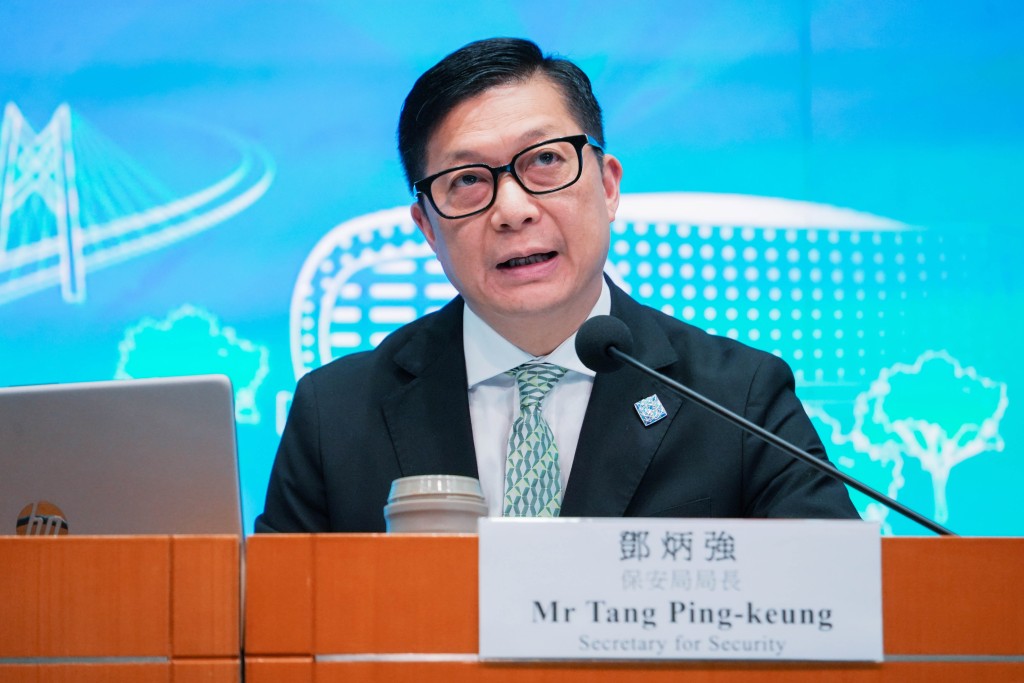
Hong Kong plans to use artificial intelligence to bring together information from government departments during extreme weather and emergency incidents, but final decisions will remain with human officials, Secretary for Security Chris Tang Ping-keung said Thursday.
The proposed “AI city brain” is designed to process real time information from multiple government systems and identify potential risks before recommending operational responses. Tang told a Legislative Council security panel briefing that artificial intelligence would function as an analytical tool rather than replace professional judgment.
The initiative was proposed in the government’s latest Policy Address as part of an integrated city management system. The first phase is expected to cost HK$200 million and is scheduled for completion by 2028.
AI to process emergency data in real time
The planned system will bring together information covering public works, environmental conditions, transport and emergency response. Officials currently rely on separate departmental systems and, during major incidents, personnel from different agencies may need to meet at emergency monitoring centres to exchange updates and assess changing conditions.
Tang said the new system could reduce the time required to gather and analyse that information.
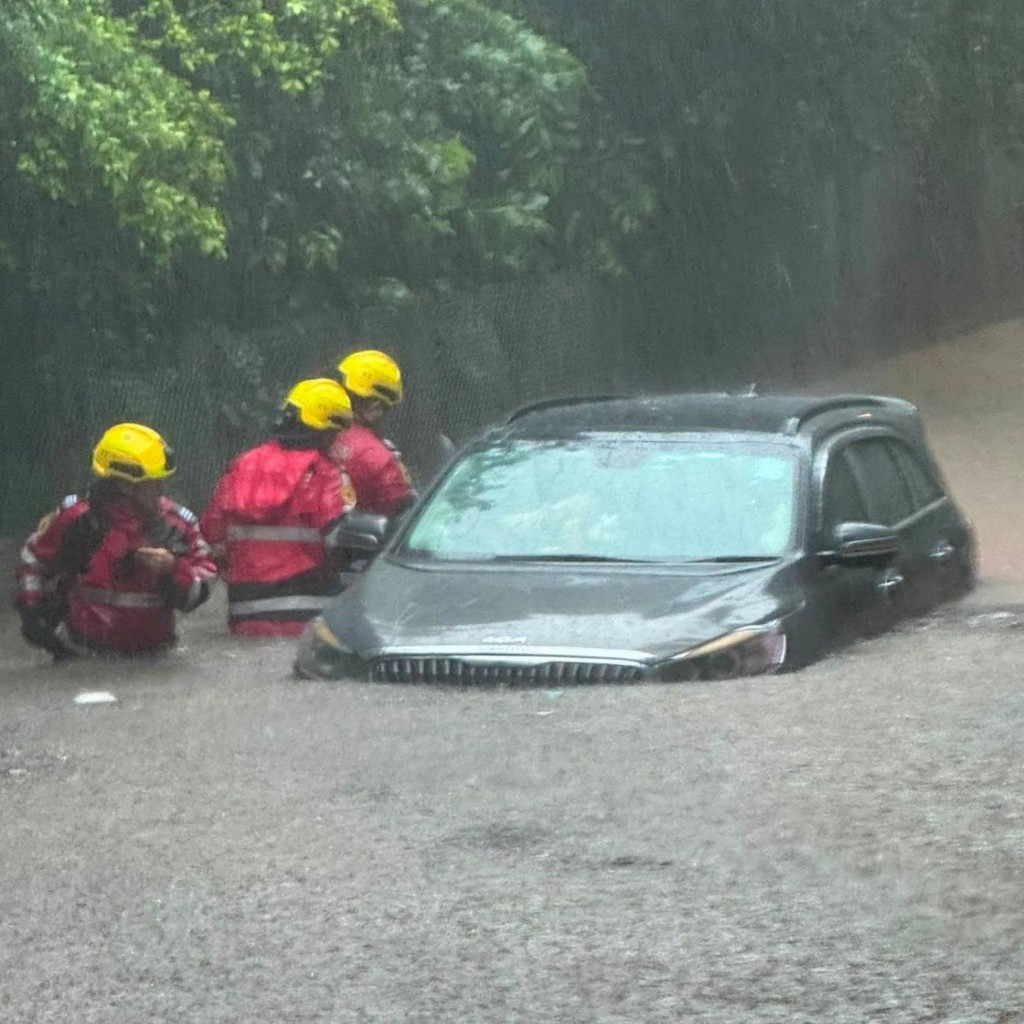
During severe weather, for example, staff may need to examine CCTV footage, check reports of blocked drainage channels, monitor traffic conditions and review other information before deciding where intervention is needed. The AI system is intended to process those streams of information automatically.
It could then identify patterns associated with flooding or other hazards and recommend specific operational measures to government departments.
The recommendations, however, would not automatically trigger action.
Tang stressed that officials would assess AI generated recommendations before they were implemented. Human personnel would determine whether proposed measures were practical and reasonable in the circumstances.
That distinction is expected to remain central to the government's approach as it expands the use of artificial intelligence in public administration.
Existing government data will form the foundation
The proposal has also raised questions about how information from different departments will be brought together and whether the government intends to gather large quantities of new data.
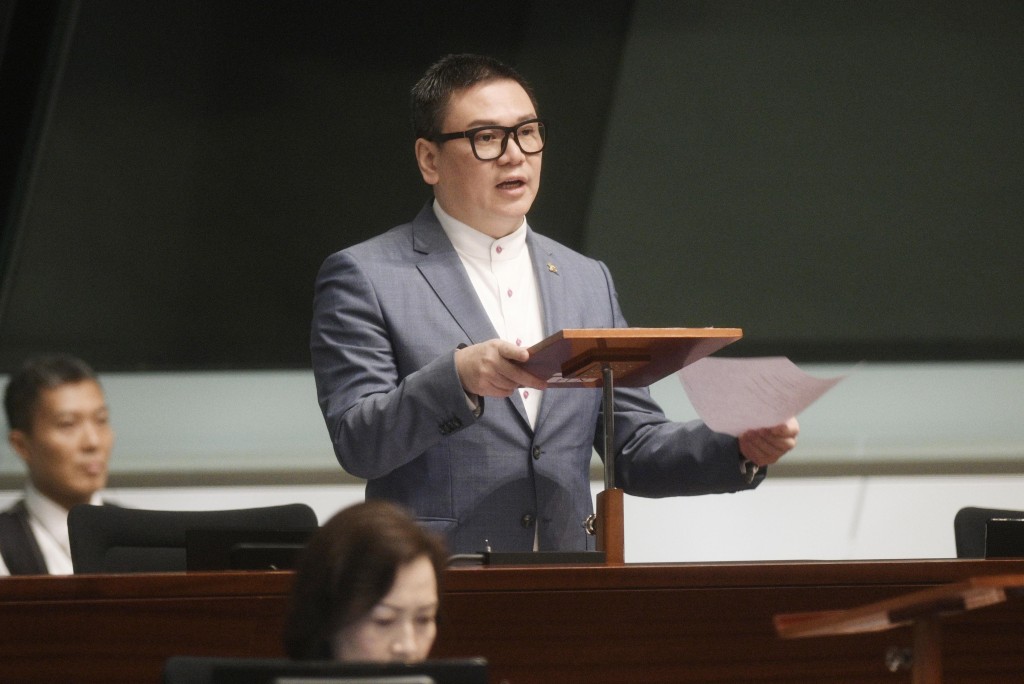
Lawmaker Lau Ka-keung asked about coordination among approximately 30 government bodies that hold information relevant to emergency management.
Tang said the proposed platform would not depend on collecting new external data. Instead, it would connect and organise information that government departments already maintain on separate platforms.
One source would be weather information and forecasting models produced by the Hong Kong Observatory. Another would be the landslide reporting system operated by the Civil Engineering and Development Department.
The system would also be able to draw on underground sensor networks operated by the Water Supplies Department and Drainage Services Department, allowing information from infrastructure and environmental monitoring systems to be considered alongside other emergency data.
The government's approach therefore focuses on integration rather than creating an entirely new network of information sources.
Bringing the existing systems together could give officials a broader picture of conditions across the city. A developing weather event, for instance, could be assessed alongside information about drainage, road conditions, infrastructure and other factors that affect the potential impact on communities.
Faster communication between departments
Tang said the system could also change the way departments communicate during emergencies.
At present, representatives from different agencies can gather at monitoring centres and exchange situation reports as an incident develops. That process requires personnel to collect information, communicate updates and relay them to colleagues in other departments.
An integrated platform could automate much of that information exchange.
Instead of waiting for separate reports to be compiled and passed between departments, the system would continuously process available data and make relevant information accessible through a central platform.
For emergency management, the objective is to shorten the gap between detecting a problem and deciding how to respond.
The system could be particularly useful during rapidly changing weather conditions, when flooding, road congestion, landslides or infrastructure problems may develop at the same time in different parts of the city.
However, the government's proposed model keeps decision making with human officials. AI would identify patterns, analyse information and make recommendations, while government personnel would determine whether those recommendations should be acted upon.
National security education remains part of briefing
The Legislative Council briefing also covered the government's national security education efforts.
Lawmaker Andrew Fan Chun-wah asked whether public education initiatives could be expanded through mobile exhibitions. He also raised the possibility of incorporating national identity related curriculum modules into the Ethics College, an academy established by the Correctional Services Department inside penal facilities.
The Ethics College provides adult inmates with rehabilitation and continuing education opportunities.
Tang said national security education already extends beyond formal classroom programmes. The government conducts outreach in primary and secondary schools and within local communities through several formats.
These include drama performances, mobile educational vans and grassroots community ambassadors.
The government has also incorporated national education elements into correctional rehabilitation programmes, according to Tang.
He said those programmes cover all inmates and include themes related to national identity, compliance with the law and patriotic awareness.
That means the Ethics College is not being treated as the sole channel for delivering such education within correctional facilities. Instead, the Correctional Services Department has incorporated national education elements into its broader rehabilitation work.

Human oversight will remain central
The AI city brain proposal reflects a broader effort to use technology to connect information that is currently divided among government departments. Its initial HK$200 million phase is expected to run toward a 2028 completion target.
The government's stated approach also sets a clear boundary around the technology's role. AI will analyse information and propose responses, but officials will remain responsible for deciding what action is appropriate.
That distinction will matter most during emergencies, when conditions can change faster than a system can account for and when recommendations may require context that cannot be captured through data alone.
As Hong Kong develops the system, questions over data integration, operational accuracy, accountability and human review are likely to remain important parts of the discussion.
The immediate test will be whether the planned platform can turn existing government information into faster, more coordinated emergency responses without removing human responsibility from the decisions that follow.
How much authority should AI have when recommending emergency measures, and where should human officials draw the line?