

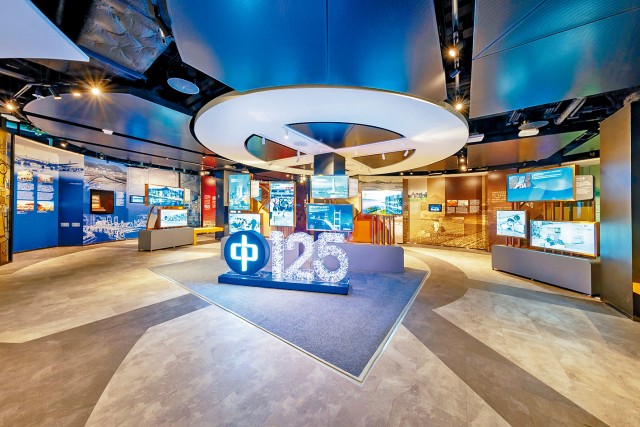
CLP Pulse Exhibition Marks 125 Years With History and Innovation
Standfirst: More than 100 rare photographs and interactive displays will explore CLP Power’s history and Hong Kong’s changing energy needs.
CLP Pulse, the revitalised clock tower that now operates as a cultural centre, will open a seven month special exhibition on October 6 as the grand finale of CLP Power’s 125th anniversary celebrations. The exhibition will bring together more than 100 rare historical photographs, interactive displays and new public art installations, offering visitors a look at how Hong Kong’s power network and urban life have changed over the decades.
The exhibition is designed to connect the company’s history with questions about the city’s future. Alongside archival photographs, visitors will be invited to explore ideas linked to smart city development, reliable electricity and the transition towards a lower carbon energy system.
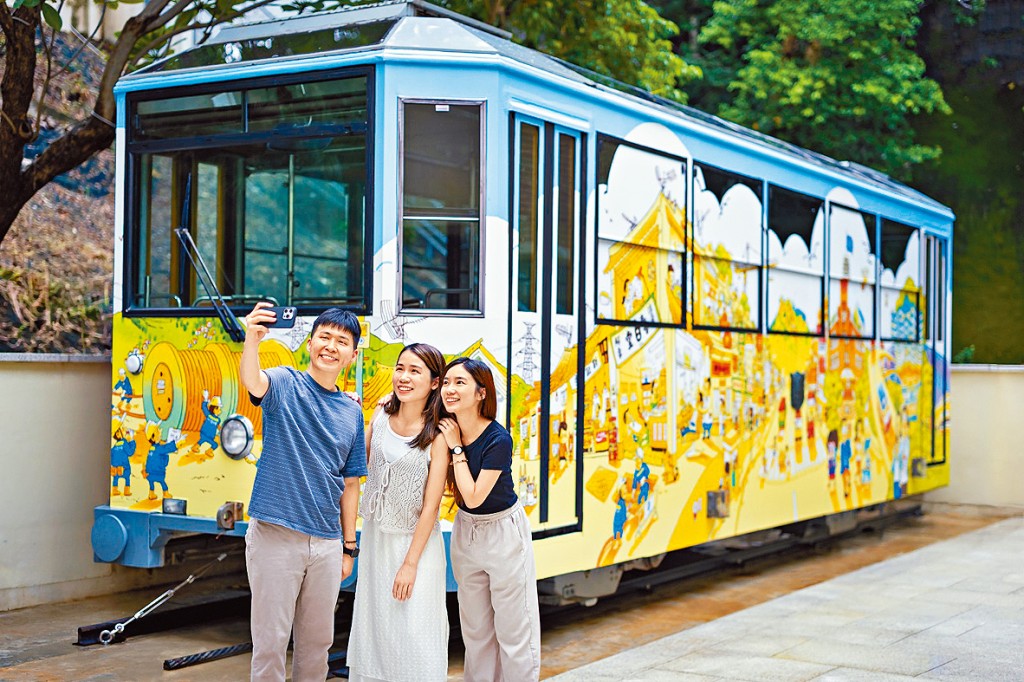
A new photo spot in the garden on the first floor will also give visitors an additional place to capture images during their visit.
Rare Photographs Tell Hong Kong’s Energy Story
The exhibition’s historical collection provides a visual record of some of the people and events connected with the development of Hong Kong’s electricity network.
One photograph shows workers laying cables in Kowloon City in 1950. The image captures the physical work involved in extending electricity infrastructure at a time when Hong Kong was developing rapidly and demand for power was growing.
The photograph also reflects CLP’s long association with the city’s development. Electricity infrastructure has had to expand alongside residential districts, commercial areas and public facilities, making the growth of the power network closely connected with the expansion of the city itself.
Another photograph takes visitors back to one of the most difficult periods in Hong Kong’s history. It depicts the eve of the city’s fall during the Second World War, when CLP engineers decided to destroy the generators at Hok Un Power Station rather than allow them to fall into enemy hands.
The decision forms part of the company’s wartime history and shows the risks faced by engineers responsible for critical infrastructure during the conflict.
By placing such images alongside photographs of infrastructure construction and everyday work, the exhibition presents the history of electricity through the people and events behind the system.
Interactive Displays Focus on Smart City Living
The exhibition does not rely solely on archival material.
At the ground floor exhibition hall, visitors can take part in an immersive experience focused on the role of energy in the city's transition towards sustainability. The display examines why a diverse, low carbon energy mix matters as Hong Kong considers how its future energy system can support a changing urban environment.
One of the main interactive features is a city planner role play game.
Visitors can use magnetic tiles representing different types of power infrastructure and community facilities to design their own neighbourhoods. The activity turns an otherwise technical subject into a practical exercise, allowing participants to consider how electricity infrastructure fits into the wider design of a city.
The game also demonstrates that urban development involves more than constructing buildings and roads. Communities depend on reliable power to operate homes, businesses and public facilities, while future city planning must also consider how energy systems can support sustainability goals.
For younger visitors and families, the hands on format provides a way to engage with these issues without relying solely on conventional exhibition panels.
Garden Adds New Public Art and Photo Spots
The experience continues outside the exhibition hall.
The garden beside the first floor café has been updated with new photo opportunities, including artwork installed on a cable car. The design draws inspiration from the large public mural at the Shing Kai Road Substation.
That mural depicts Hong Kong's development over the past century and reflects the parallel histories of the city and CLP. The new garden installation brings elements of that artwork into the exhibition setting, giving visitors another way to interact with the themes of the anniversary programme.
Two additional murals created by local artists have also been added to the garden.
The artworks combine the distinctive form of the clock tower with images of the garden's frangipani trees. The result brings together the building's industrial and architectural character with the natural features surrounding the café.
The installations also turn parts of the site into public spaces where visitors can stop, take photographs and spend time outside the formal exhibition areas.

History Meets Hong Kong's Future
The exhibition's structure places historical photographs beside interactive experiences and contemporary artwork. That combination allows visitors to move between different periods of Hong Kong's development while considering how the city's energy needs have changed.
The photograph of workers laying cables in Kowloon City represents the physical expansion of the electricity network. The wartime image from Hok Un Power Station recalls a period when the protection of infrastructure became a matter of survival and security. The smart city game, meanwhile, shifts the focus towards the decisions that will shape future communities.
Together, the displays connect electricity with everyday life rather than presenting it simply as an engineering subject.
The approach is particularly relevant to discussions about urban sustainability. As cities seek to reduce carbon emissions, electricity systems must support new technologies and changing patterns of consumption while continuing to provide dependable service.
The exhibition introduces these issues through physical objects, photographs, artwork and participation rather than relying on a single format.
Seven Months of Public Access
The special exhibition will run for seven months from October 6, giving residents and visitors an extended opportunity to explore the displays and the newly updated spaces at CLP Pulse.
The programme forms the final major exhibition element of CLP Power's 125th anniversary celebrations. Its emphasis on both historical material and future focused experiences reflects the anniversary's broader connection between the company's long history and the changing needs of Hong Kong.
For visitors, the exhibition offers several different ways to engage with that history. They can examine rare photographs, take part in the city planning activity, explore the low carbon energy display or visit the garden's new artworks and photo locations.
The result is an exhibition that uses the clock tower itself as part of the experience. Its architecture, surrounding garden and historical imagery all contribute to a story about Hong Kong's development and the infrastructure that has supported it.
With the exhibition opening on October 6, visitors can explore the rare photographs and interactive displays while considering a simple question: How should Hong Kong design its energy system and communities for the next generation?