

More than 80 students and alumni of The Chinese University of Hong Kong’s New Asia College have signed a petition demanding a public apology from economics professor Terence Chong over remarks he made during a college assembly about women, marriage and career choices.
The petition also calls for Chong to be suspended from his position as associate college head and for the college to consider removing him from the role permanently. It was launched by a concern group formed after his talk, which drew criticism online and among students who described his comments as sexist and reflective of traditional gender stereotypes.
Controversial remarks at college assembly
Chong delivered the talk, titled “How to invest in your life?”, at a biweekly New Asia College assembly last week.
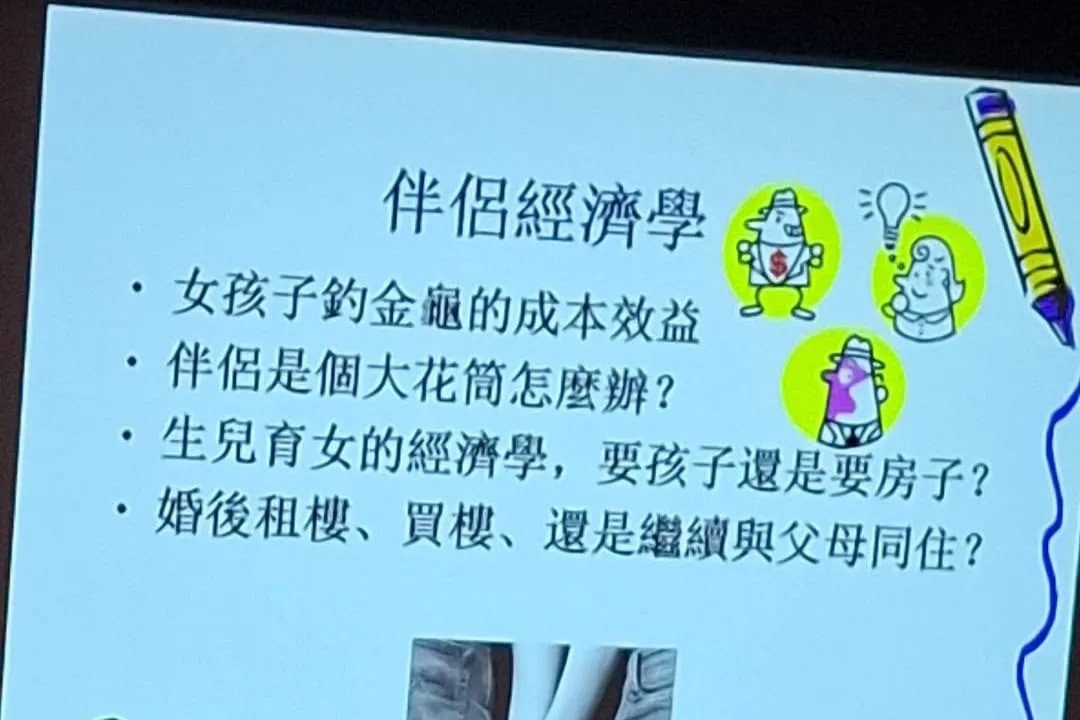
During the presentation, he discussed the idea of women “fishing for a golden tortoise”, a Chinese expression commonly used to describe finding a wealthy partner. He also said that women’s youth was “very precious”.
One presentation slide shown during the talk referred to the “cost benefit [analysis] of girls fishing for a golden tortoise”.
According to the petition, Chong also suggested that female students should reconsider pursuing PhDs and instead consider finding a wealthy husband while they were young.
Students who objected to the remarks said the comments presented marriage and financial security as alternatives to academic and professional development for women.
The remarks attracted attention online shortly after the assembly, with critics questioning why a university professor would advise female students to consider marriage to a wealthy partner instead of pursuing further education.
Students accuse professor of promoting gender stereotypes
The controversy quickly spread across social media, where students and other users criticised Chong’s comments.
Some students accused him of promoting what they described as old fashioned social expectations about the roles of men and women. Others characterised the remarks as misogynistic, materialistic and sexist.
Critics particularly objected to the focus on women's youth and the suggestion that women should consider their prospects of finding a wealthy partner when making decisions about education and their future.
The concern group behind the petition argued that such comments reinforce gender stereotypes by presenting women’s personal and professional choices through the lens of marriage and financial security.
The group also said the issue should be considered in the wider context of efforts to promote gender equality within society and educational institutions.
Petition calls for apology and removal
The petition had collected more than 80 signatures from CUHK students and alumni by Monday night.
Its organisers are asking Chong to issue a public apology for his remarks. They are also calling on New Asia College to suspend him from his position as associate college head and consider permanently removing him from the role.
The petition states that Chong has not acknowledged that the content of his speech was sexist and has not withdrawn the remarks.
“[Chong] has not admitted that the content of his speech constitutes sexism, and he has not recalled his speech. This is unacceptable,” the petition letter said.
The organisers further argued that his comments could damage the reputation of New Asia College and undermine efforts made over many years to challenge gender stereotypes.
“His comments undermine years of efforts made by generations of predecessors to eradicate gender stereotypes and achieve gender equity,” the petition added.
The petition therefore frames the controversy as more than a disagreement over a single speech. Its organisers are asking the college to consider whether the standards used to select speakers and approve assembly topics are sufficient.
Calls for students to have greater say
The petition also proposes changes to the way New Asia College reviews speakers and topics for its biweekly assemblies.
One of its requests is for the college to strengthen its procedures for vetting guest speakers before they are invited to address students.
The organisers also want student representatives to have a place on the committee responsible for deciding the content of future assemblies.
Their argument is that students should have a greater role in determining the subjects and speakers they encounter at college events, particularly when discussions involve sensitive issues such as gender, relationships and personal choices.
The proposed changes would give students a formal channel for raising concerns before controversial talks take place rather than relying on complaints after an event has already occurred.

Chong says he did not discriminate
Following the backlash, Chong defended his position and maintained that he had not discriminated against women.
According to reports, he argued that men could also seek wealthy partners and therefore said his comments did not amount to discrimination.
His response has become part of the dispute, with critics focusing not only on whether Chong intended to discriminate but also on the specific way he addressed female students during the presentation.
The controversy therefore involves two different questions.
Chong has maintained that his comments were not discriminatory because the possibility of seeking a wealthy partner is not limited to women. Critics, however, have argued that the focus of the presentation on female students, their youth and marriage prospects reinforced traditional expectations about women.
University responds to backlash
CUHK has acknowledged the controversy surrounding the speech.
Following the backlash, the university said New Asia College had reminded Chong to be mindful of his language and other people's feelings.
The university's response did not indicate that Chong had been removed from his position as associate college head.
That is significant because one of the central demands of the petition is for the college to suspend him from the position and consider removing him permanently.
The petition therefore calls for action that goes beyond the reminder issued by the college.
Debate over university speech and responsibility
The controversy has also raised broader questions about the role of university assemblies and the responsibilities of academics speaking to students.
University events often provide academics with an opportunity to discuss subjects beyond their formal areas of research. However, speakers addressing students can also face scrutiny over whether their comments are appropriate for the setting and whether they reinforce stereotypes.
In this case, the criticism centres on the argument that female students should consider marriage to wealthy partners while they are young rather than pursuing advanced academic qualifications.
For the petition organisers, the concern is not simply whether Chong intended his remarks to be discriminatory. They argue that the wording and message of the presentation should also be considered when assessing its impact on students.
Chong's defence rests on his position that men can also seek wealthy partners and that he therefore did not discriminate against women.
The disagreement illustrates the gap between an individual's stated intention and the way comments can be received by an audience.
Petition keeps pressure on New Asia College
With more than 80 students and alumni already signing the petition, the organisers are continuing to press New Asia College for a formal response.
Their demands include a public apology from Chong, action regarding his position as associate college head and changes to the process for approving future speakers and assembly topics.
The college has so far reminded Chong to be mindful of his language and other people's feelings, while the professor has maintained that he did not discriminate.
The petition puts the focus back on New Asia College and its handling of the dispute.
Will the college introduce changes to its speaker review process and give students a formal role in deciding future assembly content?