

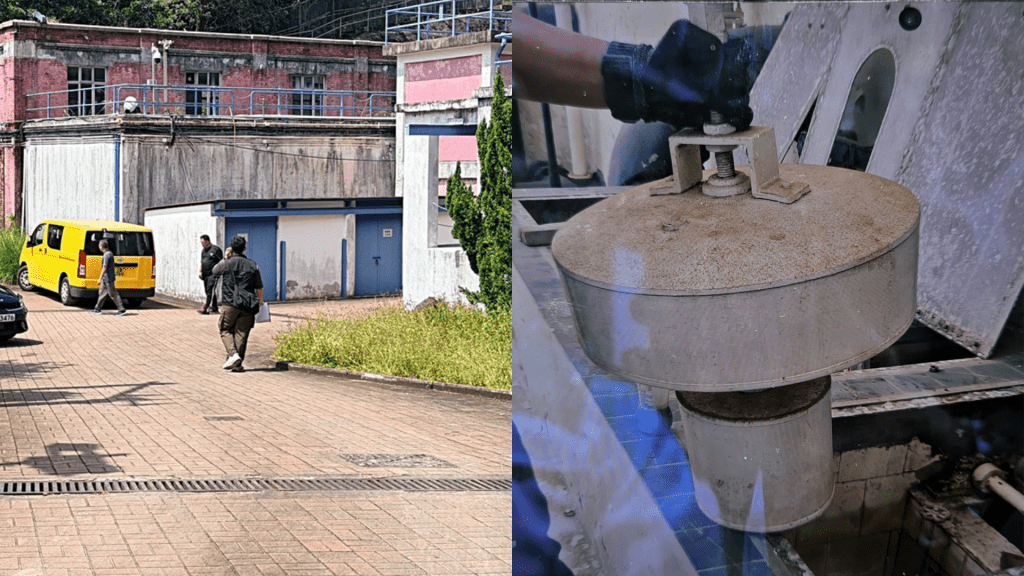
Five men have been arrested over an alleged copper theft operation targeting the Shek Lei Pui Water Treatment Works in Kam Shan, where police say thieves stole industrial copper components worth about HK$350,000.
The arrests followed several reports filed by the Water Supplies Department between July and September after copper wiring and 48 copper components from water pumps disappeared from the secure facility. Police said the investigation eventually led officers to a suspected burglary group and a recycling shop accused of buying the stolen material.
The case has drawn attention to the security risks posed by high value metal theft, particularly when stolen industrial equipment comes from infrastructure sites. Copper remains attractive to thieves because it can be sold quickly to recycling businesses, even though removing components from essential facilities can cause far greater damage than the value of the metal itself.
Water Treatment Plant Reports Repeated Thefts
Police began investigating after the Water Supplies Department reported multiple thefts from the Shek Lei Pui Water Treatment Works between July and September.
The missing property included several sets of copper wiring and 48 copper water pump components. Authorities estimated the combined value of the stolen material at approximately HK$350,000.
The equipment was not ordinary household scrap. Copper wiring and pump components are used in industrial water treatment operations, making the thefts a security concern as well as a property crime.
Investigators from the Sham Shui Po Police District, including detectives and task force officers, were assigned to examine how the suspects allegedly gained access to the facility and how the stolen material was moved after the thefts.
Rather than treating each incident as an isolated case, officers examined the available evidence for links between the reported thefts.
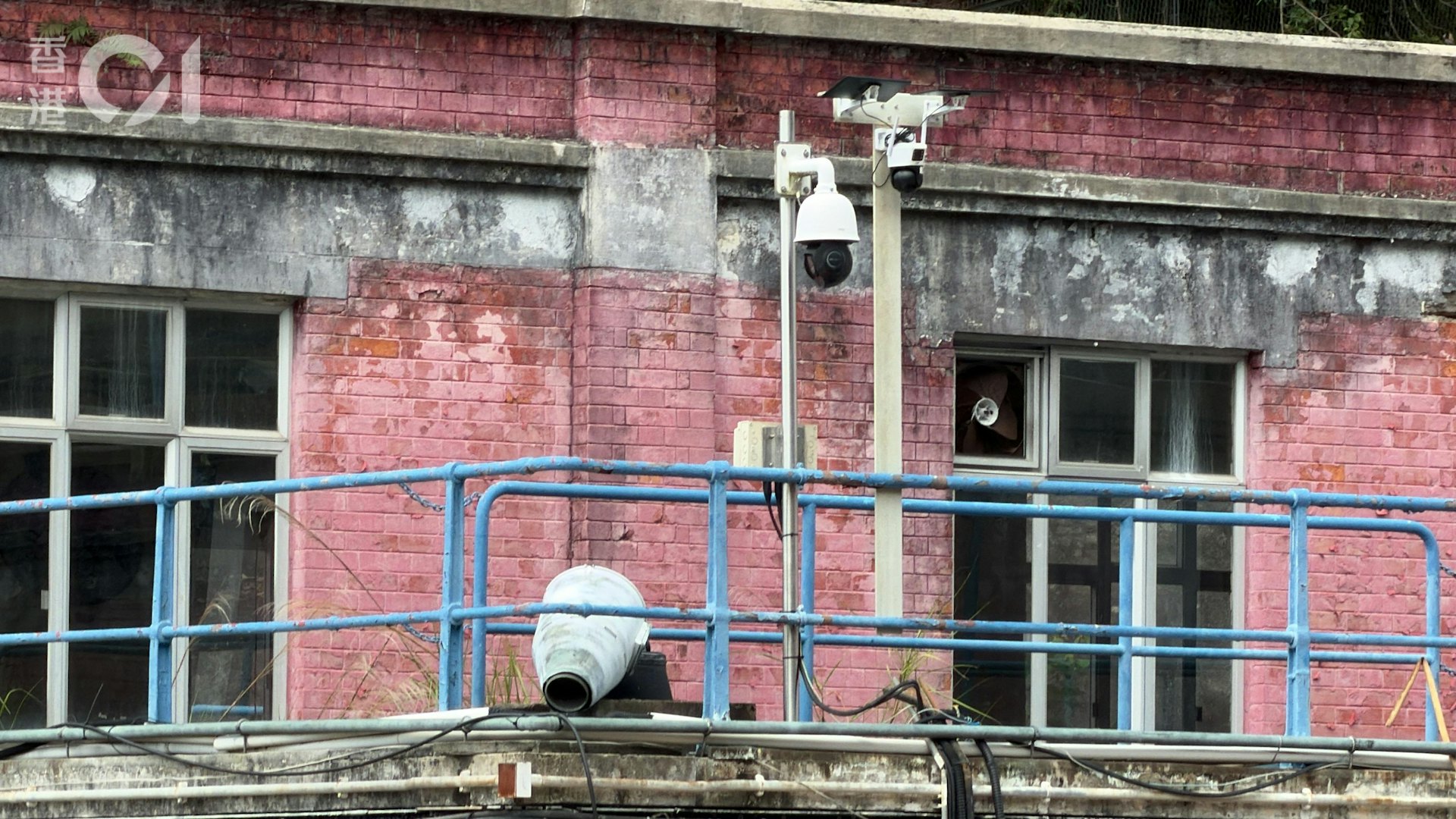
CCTV Footage Leads Police to Suspected Gang
Security camera footage became an important part of the investigation.
Officers reviewed recordings from the treatment works and other surveillance sources, including the SmartView public surveillance system. According to police, the footage helped investigators identify a group suspected of being involved in the thefts.
The recordings allegedly showed suspects removing heavy copper components from the secured facility before transporting the material to a recycling shop in Sham Shui Po.
The suspected route gave investigators a possible link between the thefts and the eventual sale of the stolen goods.
Copper theft cases can depend heavily on tracing what happens after material is removed from a site. Industrial copper components are often bulky and difficult to transport without attracting attention. Investigators therefore examined not only the alleged burglaries but also where the stolen items were taken and how they were disposed of.
Police said the investigation identified a recycling business that was allegedly used to receive the stolen material in exchange for cash.
Four Suspected Burglars Arrested
Police carried out a coordinated operation in Sham Shui Po on Wednesday, arresting four men suspected of taking part in the burglaries.
The four suspects included one Hong Kong man and three Vietnamese nationals. They are aged between 25 and 45.
Police said the three Vietnamese suspects were living in Hong Kong on recognizance forms.
The arrests followed the investigation into the surveillance footage and other evidence gathered by officers. Detectives also moved against the business they believed was connected to the suspected sale of the stolen copper.
The four men were arrested on suspicion of burglary. Police did not announce charges at the time of the arrests, and the investigation remained ongoing.
Recycling Shop Owner Also Arrested
At the same time as the arrests of the suspected burglars, officers raided the recycling shop believed to have been involved in the transactions.
Police arrested the shop's 55 year old local male proprietor on suspicion of handling stolen property.
The alleged involvement of a recycling business is significant because stolen metals can move rapidly through legitimate commercial channels once they leave a crime scene. Businesses that purchase scrap materials may encounter goods whose origins are difficult to establish, particularly when sellers offer large quantities of valuable metal.
In this case, investigators believe the recycling shop was connected to the suspected disposal of copper taken from the water treatment facility.
The arrest does not establish guilt. The shop owner, like the other suspects, remains subject to the legal process and any charges will have to be supported by evidence.
Police Continue Investigation
All five suspects are being detained for questioning as officers continue their investigation through the Sham Shui Po Police District.
Investigators are expected to examine the full chain of events, including how the suspects allegedly entered the water treatment works, whether the men were involved in each reported theft, how the heavy components were transported and what happened to the stolen copper after it reached the recycling shop.
Police may also seek to establish whether additional people or businesses were involved in the alleged operation.
The case also demonstrates why metal theft can present a wider problem when criminals target infrastructure rather than private property. Copper wiring and pump components are valuable because of the metal they contain, but their removal can interfere with equipment designed to support essential public services.
For the Water Supplies Department, the immediate issue was the loss of equipment from a controlled facility. For investigators, the challenge was tracing that equipment after it had allegedly been removed and sold.
The five arrests mark a significant development in the case, but the investigation has not ended. Police are continuing to question the suspects and gather evidence surrounding the reported thefts.
Could stronger security measures and tighter checks on recycled metals help prevent similar thefts from critical infrastructure in Hong Kong?