

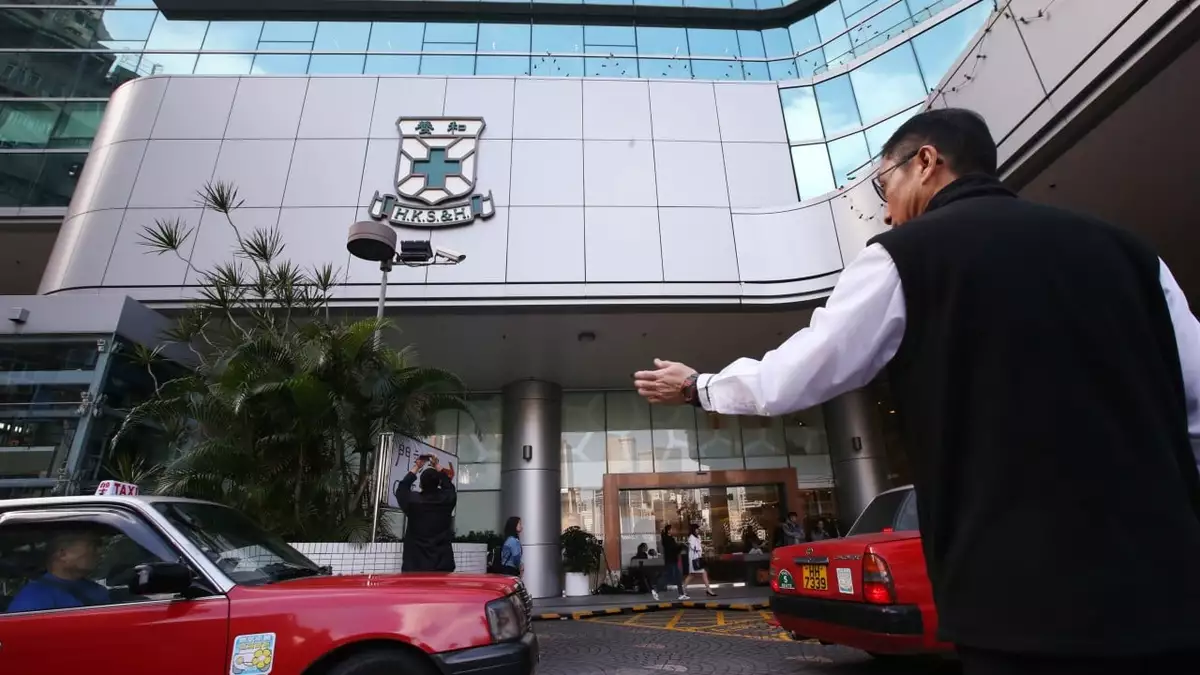
A former nursing student has been sentenced to two years and four months in prison after stealing cash, credit cards and a phone from patients and colleagues at a Hong Kong hospital.
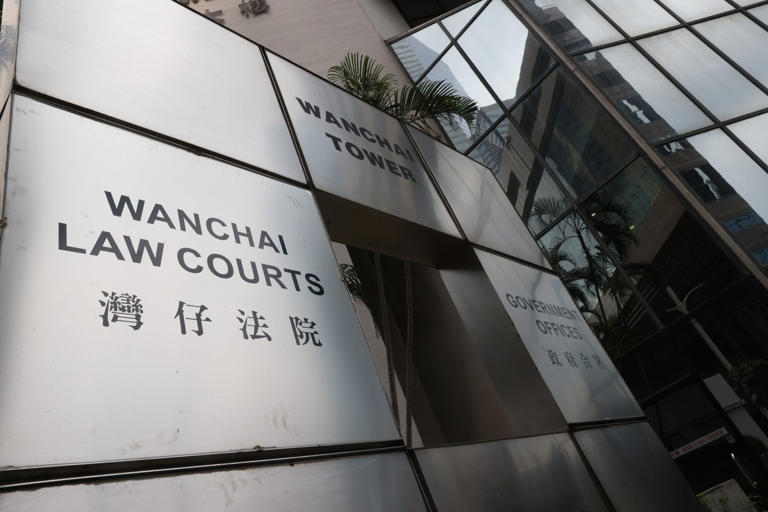
Leung Ho-fung, 29, pleaded guilty to 11 theft charges at the District Court on Wednesday after admitting that he took personal belongings from four patients and four colleagues while on a nursing placement at Hong Kong Sanatorium and Hospital in Happy Valley.
The offences took place over about five weeks, from September 19 to October 23, 2024. The stolen property included an iPhone, HK$6,500 in cash and nine credit cards. The total loss was at least HK$59,000 (US$7,517).
Credit Cards Used for HK$52,875 in Purchases
After taking the bank cards, Leung used some of them to make purchases worth HK$52,875 at an Apple store on three separate occasions.
The court heard that Leung had been assigned to a ward on the hospital's 20th floor as part of his nursing placement. Police began investigating after patients reported that personal belongings had disappeared during their stays between September and October.
According to court documents, Leung targeted items kept in patients' bedside cabinets. He also stole from lockers used by colleagues in a changing room.
Investigators eventually linked him to the thefts. When police searched him, officers found five of the stolen credit cards in his possession.
Leung later admitted during a police interview that he had taken property from both patients and fellow hospital workers.
The thefts placed him in a position of particular trust. He was not an outsider entering the hospital but a nursing student working inside a ward where patients and staff could reasonably expect their personal belongings to remain secure.
Court Hears of Financial Problems
Leung's lawyer, Joe Chan Wai-yin, told the court that his client had been struggling financially when the offences occurred.
The court heard that Leung had accumulated debts of at least HK$300,000 and subsequently declared bankruptcy. Chan said his client's financial problems were partly linked to poor money management.
The defence also told the court that Leung had fallen victim to a scam and suffered a five-figure financial loss. The circumstances, however, did not excuse the thefts.
Chan said Leung now understood the seriousness of what he had done and regretted his actions.
“He feels stupid,” the lawyer told the court.
Leung's financial circumstances were presented as part of the mitigation before sentencing. The defence did not dispute the thefts, and Leung's guilty pleas meant the court was able to sentence him after considering his admission of responsibility.
Judge Says Leung Abused His Position
Deputy District Judge Derek Lai Kim-wah said Leung had abused his position within the hospital ward when carrying out the offences.
The judge noted that the thefts continued over a period of about five weeks, rather than being the result of a single incident.
That period covered multiple victims and different types of property. Patients lost cash and personal belongings while colleagues had items taken from their lockers. The stolen credit cards were then used for expensive purchases.
The court's findings reflected the fact that Leung's access to the ward formed part of the circumstances surrounding the offences. His placement gave him access to areas where patients kept personal belongings and where staff stored their possessions.
Leung was sentenced to two years and four months in prison after pleading guilty to all 11 counts of theft.
More Than HK$59,000 Paid in Compensation
The court also heard that Leung had repaid more than HK$59,000 to compensate for the stolen property.
His relatives helped him make the compensation payment, which covered the value of the losses suffered by the victims.
The repayment did not prevent a prison sentence, given the number of offences, the period over which they were committed and the use of stolen credit cards to make substantial purchases.
The case also demonstrates how theft involving payment cards can quickly increase financial losses beyond the value of the property originally taken. In Leung's case, the initial thefts included HK$6,500 in cash, an iPhone and nine credit cards, while subsequent transactions made with some of those cards reached HK$52,875.
The court was told that five patients had reported missing belongings during the relevant period. The investigation eventually focused on Leung after police connected him to the incidents.
His arrest brought the investigation inside the hospital, where officers recovered five stolen credit cards from him. His subsequent admission provided further details about how he had taken property from bedside cabinets and staff lockers.
Prison Sentence Follows Guilty Plea
Leung's case ended with a prison sentence despite his guilty pleas, financial difficulties and repayment of the victims' losses.
The sentence of two years and four months reflects the court's assessment of the offences and the circumstances in which they were committed. Judge Lai specifically pointed to Leung's abuse of his position and the fact that the offending continued across several weeks.
The former nursing student will now serve his sentence after admitting responsibility for the 11 theft charges.
The case serves as a reminder that access granted through a professional or educational placement carries responsibilities that extend beyond the formal duties of the role. For patients, colleagues and hospital staff, personal belongings can be especially vulnerable when people are receiving treatment or working long shifts.
Leung's relatives have already helped repay more than HK$59,000 to those affected. The criminal case, however, has resulted in a prison term for the former nursing student.
What measures should hospitals take to better protect patients' and staff members' belongings from theft?