

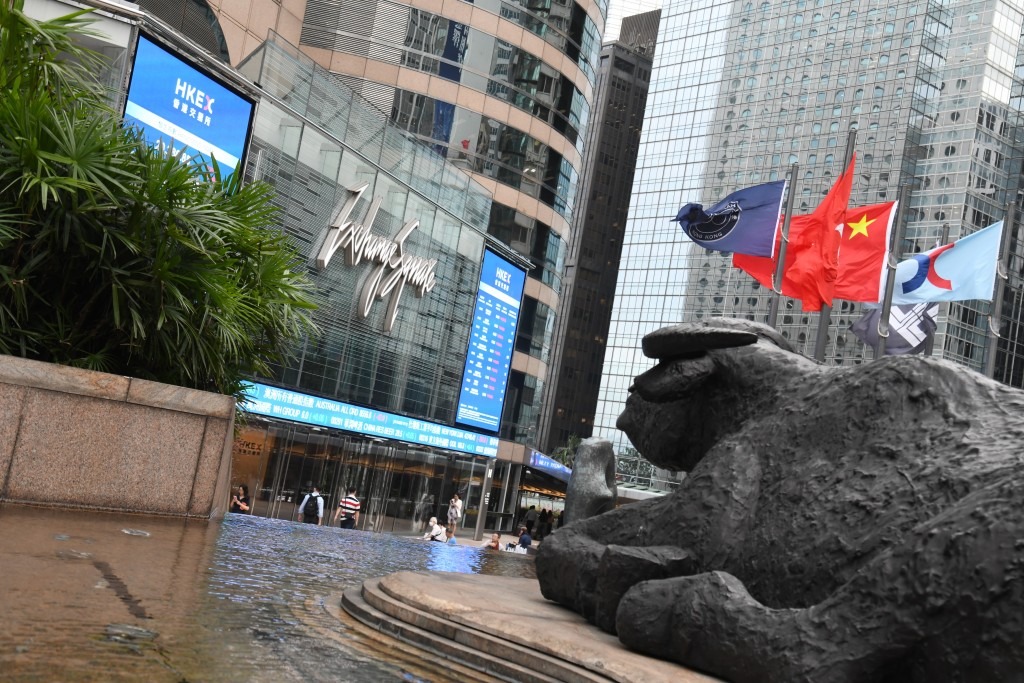
Hong Kong stocks opened sharply lower on Thursday, with the Hang Seng Index slipping below the 25,000 level as heavy losses across major technology companies weighed on investor sentiment.
The benchmark Hang Seng Index fell 289 points, or 1.15 percent, to 24,985 points shortly after the market opened. The decline pushed the index below a closely watched psychological threshold as investors faced broad weakness among some of the market’s largest technology names.
The Hang Seng Tech Index performed even worse, dropping 1.39 percent to 4,359 points. Losses spread across several major internet and technology companies, with Alibaba, Baidu, JD.com and Trip.com among the sharpest decliners.
Technology Stocks Lead the Decline
Alibaba Group fell 2.4 percent, while Tencent Holdings dropped 0.9 percent. Baidu also declined 2.4 percent, adding to the pressure on the technology sector.
Meituan fell 2 percent, while Xiaomi slipped 1.3 percent. JD.com declined 2.4 percent as selling pressure continued across the group.
Trip.com was the weakest performing blue chip at the open, falling 2.5 percent.
The concentration of losses among large technology companies had an immediate effect on the broader market. These companies carry significant weight in Hong Kong's major stock indexes, meaning relatively sharp moves in a handful of large technology shares can quickly influence the overall direction of the market.
Thursday's opening therefore reflected more than isolated declines in individual stocks. The breadth of the technology selloff showed that investors were selling across several major names at the same time.
Hang Seng Drops Below 25,000
The Hang Seng Index opened at 24,985 points after losing 289 points.
The 25,000 level has considerable psychological significance for traders because round numbers often serve as reference points when investors assess market momentum. A move below such a level can also influence short term trading decisions, particularly when the decline is accompanied by weakness across several sectors.
The latest fall came as technology shares came under renewed selling pressure. Alibaba and Baidu each lost 2.4 percent, while JD.com fell by the same amount. Trip.com recorded an even larger decline of 2.5 percent.
The pattern suggested that weakness was not limited to one particular corner of Hong Kong's technology market.

CNOOC Bucks the Broader Weakness
While most major stocks opened lower, oil producer CNOOC moved in the opposite direction.
CNOOC rose 1.4 percent, making it the best performing blue chip at the open. The gain provided some support as investors shifted toward the energy company while technology stocks came under pressure.
The performance of CNOOC stood out against the broader decline in the market. Its shares were among the few major blue chips to start the session firmly higher.
Chow Tai Fook Jewellery also gained, rising 0.66 percent.
The gains, however, were not enough to offset the losses among the technology heavyweights. The Hang Seng Index remained firmly lower after the opening bell.
HSBC Shares Also Fall
HSBC Holdings, one of Hong Kong's largest financial companies, fell 1.4 percent.
The decline added pressure outside the technology sector and showed that the weakness was not confined entirely to internet and technology stocks.
Still, technology companies accounted for some of the largest individual losses among major blue chips. Alibaba, Baidu and JD.com each fell 2.4 percent, while Meituan lost 2 percent and Trip.com dropped 2.5 percent.
With several high profile companies declining together, the technology sector became the main source of pressure on the benchmark.
Investors Watch Market Direction
The sharp opening decline leaves investors watching whether selling pressure persists beyond the first stage of trading.
A fall of 1.15 percent in the Hang Seng Index represents a significant move at the opening of a session, particularly when the index falls below 25,000 at the same time.
The performance of the technology sector will be closely watched because of its influence on the wider Hong Kong market. Alibaba, Tencent, Baidu, Meituan, Xiaomi, JD.com and Trip.com are among the most actively followed companies in the region, and large movements in their shares can quickly affect broader investor sentiment.
For traders, the immediate question is whether Thursday's decline represents a temporary bout of selling or the beginning of a broader retreat from technology stocks.
The Hang Seng Tech Index's 1.39 percent decline points to particularly strong pressure within the sector. If losses continue to widen, the weakness could spread further across the broader market.
Energy Stocks Offer a Counterpoint
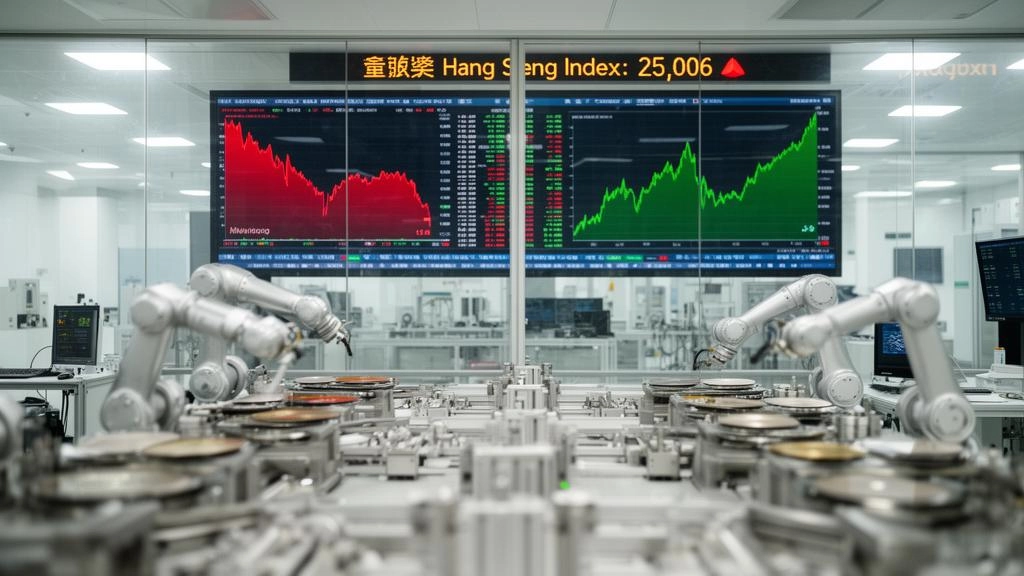
CNOOC's 1.4 percent gain offered a clear contrast to the technology selloff.
The oil major was the strongest performing blue chip at the open, while Chow Tai Fook gained 0.66 percent. Their gains demonstrated that investors were not selling every major Hong Kong stock indiscriminately.
The different performances also showed how market sentiment can vary sharply between sectors. Technology shares faced widespread declines, while CNOOC moved higher.
That divergence will be important to watch as trading develops. If energy and other defensive areas continue to attract buyers while technology shares remain under pressure, the market could become increasingly divided between sectors benefiting from current conditions and those facing stronger selling.
Key Stocks at the Open
The early moves among major companies were as follows:
Alibaba fell 2.4 percent.
Tencent declined 0.9 percent.
Baidu dropped 2.4 percent.
Meituan fell 2 percent.
Xiaomi slipped 1.3 percent.
JD.com declined 2.4 percent.
Trip.com fell 2.5 percent, making it the weakest performing blue chip.
CNOOC gained 1.4 percent, making it the strongest performing blue chip.
Chow Tai Fook rose 0.66 percent.
HSBC fell 1.4 percent.
The overall picture was therefore one of broad weakness led by technology companies, with only a small number of major stocks moving higher.
The Hang Seng Index's fall below 25,000 puts the next phase of trading firmly in focus. Investors will be watching whether technology stocks can stabilise or whether continued selling pushes the benchmark further below the threshold.
Will Hong Kong's technology sector recover during Thursday's session, or will the deepening selloff push the Hang Seng Index further below 25,000?