

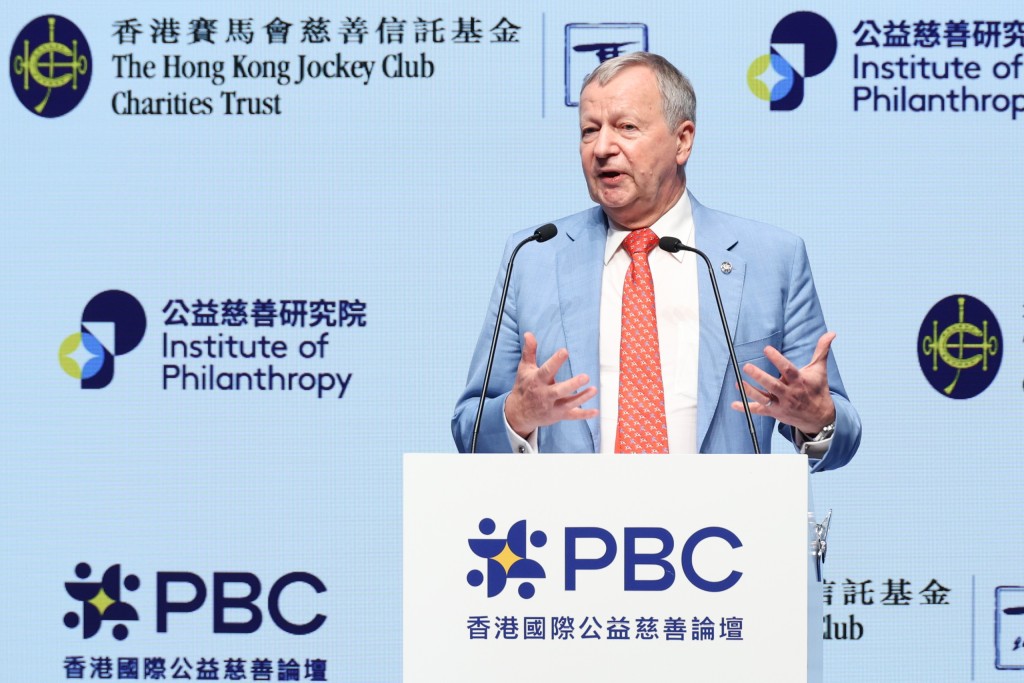
The Hong Kong Jockey Club has concluded the 10th anniversary edition of its Philanthropy for Better Cities forum, bringing together more than 2,000 delegates and 80 speakers from around the world to examine how philanthropy can produce practical responses to some of society's most difficult problems.
The two day forum, held at the West Kowloon Cultural District, ended Tuesday with a Gala Dinner at the Hong Kong Palace Museum. Participants included foundation leaders, government officials, representatives from tertiary institutions and community organisations from the Chinese mainland and overseas.
Organised by the Hong Kong Jockey Club Charities Trust in partnership with the Institute of Philanthropy, the anniversary forum was held under the theme "Leaping for Impact". Discussions focused on issues ranging from healthcare and climate resilience to youth development, urban poverty and employment opportunities for people who can face barriers entering the workforce.
Rather than limiting the programme to speeches and panel discussions, organisers incorporated practical sessions designed to turn ideas into potential projects. Interactive Impact Studios and Co Learning Workshops gave participants opportunities to examine specific problems, exchange approaches and consider how proposed solutions could be put into practice.
A Decade of Global Philanthropic Cooperation
The 10th anniversary provided an opportunity to look back at how the Philanthropy for Better Cities forum has developed since it was launched in 2016.
Over the past decade, the platform has attracted about 10,000 participants and more than 380 speakers representing over 40 countries and regions. Its growth reflects the increasing role of philanthropic organisations in discussions that once sat largely within government, business or academic circles.
The forum has also developed around the idea that social problems rarely fit neatly within the responsibilities of a single institution.
Issues such as poverty, access to healthcare, climate adaptation and youth opportunity often overlap. A young person facing financial hardship, for example, may also encounter barriers to education, employment and healthcare. Climate related disruption can place additional pressure on communities that already have limited resources.
That complexity has encouraged philanthropic organisations to work more closely with governments, universities, businesses and community groups.
At this year's forum, that approach was reflected in both the subject matter and the format of the programme.
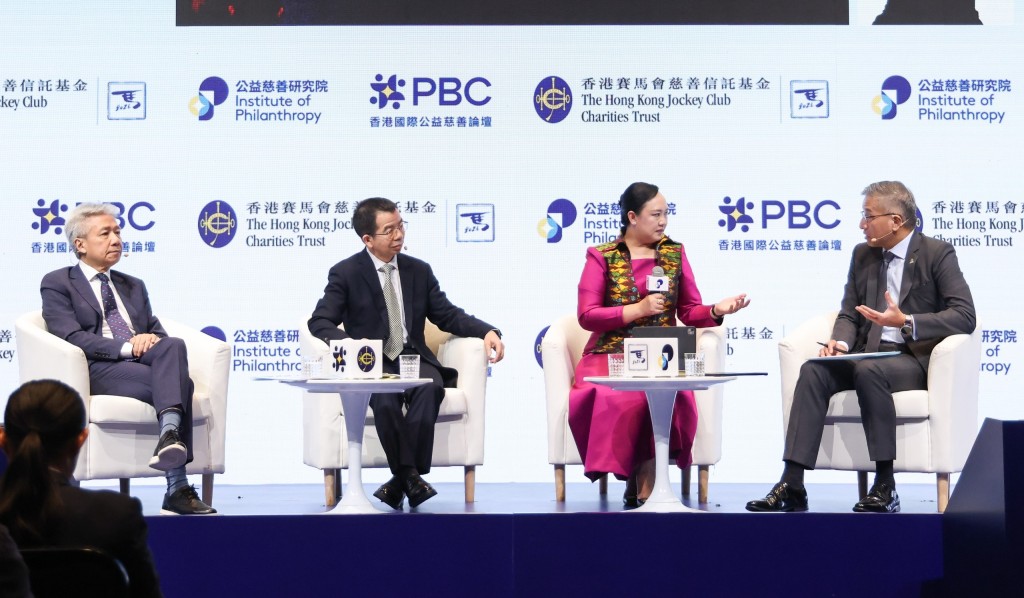
Health, Climate and Youth Take Centre Stage
Healthcare was among the areas examined during the event, with discussions addressing the need to develop responses that can reach communities rather than remaining confined to individual projects.
Climate resilience was another major focus. As cities and communities face increasing pressure from environmental changes, philanthropic funding is being directed towards programmes intended to strengthen local capacity and help vulnerable populations cope with disruption.
Youth development also featured prominently. The discussions considered the paths young people take into adulthood and the role that education, sport, community programmes and mentorship can play in shaping those trajectories.
Urban poverty was examined from the perspective of practical community needs, while inclusive employment discussions considered ways of expanding access to work for people who have traditionally faced difficulties entering or remaining in the labour market.
The breadth of these subjects reflected the forum's wider purpose. Philanthropy is no longer limited to writing cheques for individual causes. Large charitable institutions increasingly seek measurable results, stronger partnerships and programmes that can continue after initial funding ends.
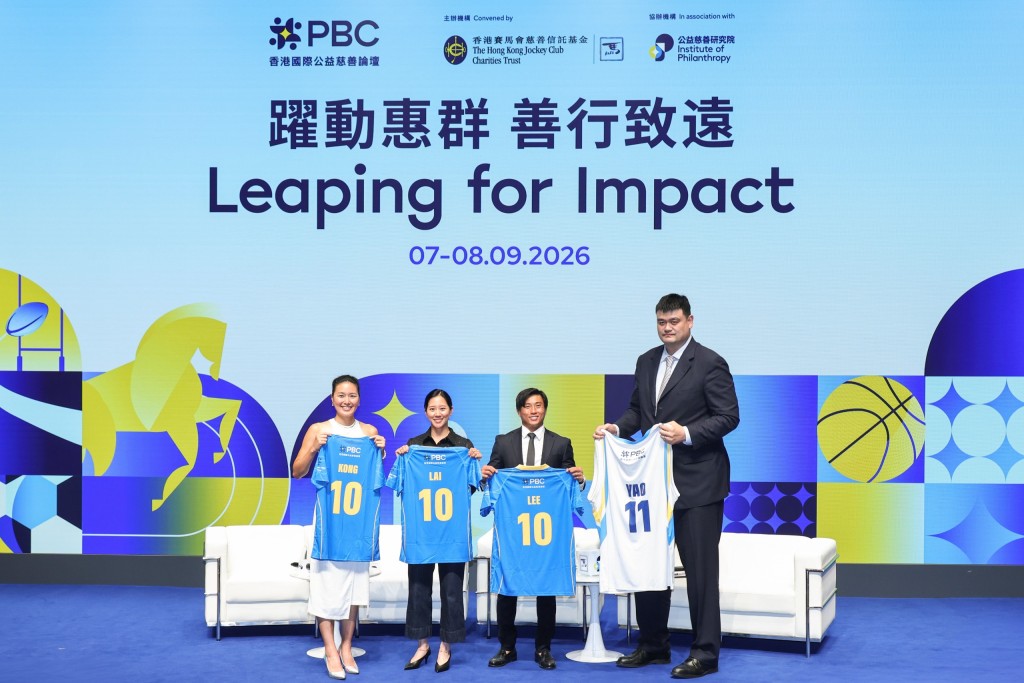
Yao Ming Leads Closing Discussion With Young Athletes
The forum's closing plenary brought the conversation back to sport and leadership.
The session was moderated by Yao Ming, founder and chairman of the Yao Foundation. The former basketball star led an intergenerational discussion involving a sports leader turned philanthropist and young athletes who want to use their platforms to contribute to wider social change.
The discussion explored how athletes can extend their influence beyond competition and use experience gained through sport to support communities.
For young athletes, the transition from participant to leader can involve more than sporting achievement. Discipline, teamwork and the ability to deal with setbacks can also shape how they approach community work and public responsibility.
The speakers considered how personal development can become a foundation for leadership, particularly when athletes are given opportunities to engage directly with social issues.
The discussion also reflected a broader shift in the way sporting figures are viewed by charitable organisations. Athletes can command attention across large audiences, while their personal experiences can help connect philanthropic programmes with younger generations.
For organisations seeking to involve young people in social initiatives, that connection can be especially valuable.
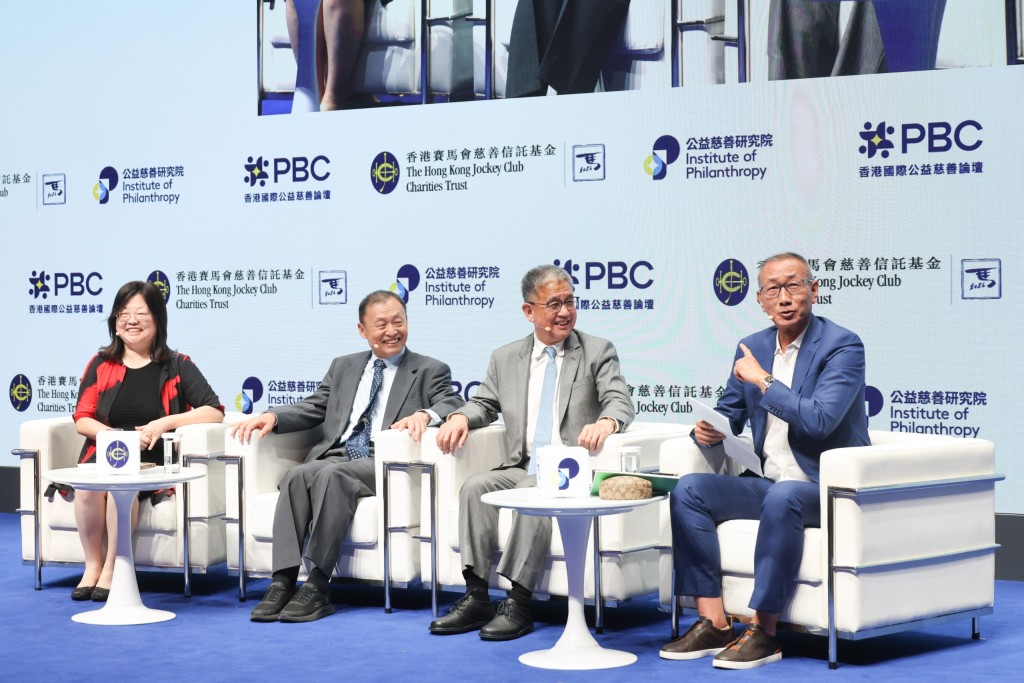
Gala Dinner Brings Forum to a Close
The formal conclusion came with a Gala Dinner at the Hong Kong Palace Museum, where delegates gathered after two days of discussions and workshops.
Guests included senior representatives from philanthropic foundations, public authorities, universities and community organisations. Their presence reflected the international and cross sector nature of the event, which has expanded considerably since the first PBC forum in 2016.
For Hong Kong, the gathering also provided an opportunity to position the city as a meeting point for international philanthropic organisations and institutions working on social development.
The West Kowloon Cultural District, where the main forum took place, offered a setting that brought together international delegates with one of Hong Kong's major cultural institutions.
HKJC Chairman Reflects on PBC's Growth
HKJC chairman Martin Liao Cheung kong reflected on the forum's development over its first decade, praising its expansion into a major international gathering for the philanthropic community.
The scale of this year's event offered a clear measure of that growth. From its launch in 2016, PBC has developed from a platform for philanthropic discussion into a forum that brings together funders, policymakers, academics, community leaders and other stakeholders.
The participation figures tell part of that story. Around 10,000 people have taken part in PBC events during the past decade, while more than 380 speakers from over 40 countries and regions have contributed to its discussions.
That international reach has allowed participants to compare approaches to similar problems in different communities and examine which ideas can be adapted to local circumstances.
Partnership Seen as Key to Tackling Complex Problems
HKJC chief executive and Institute of Philanthropy director Winfried Engelbrecht Bresges stressed the need for disciplined cooperation between different sectors when dealing with complex global challenges.
His message went beyond the traditional role of philanthropy as a source of financial support.
Large scale social problems often require several forms of expertise at once. Governments may provide policy and public infrastructure. Businesses can contribute technology, investment and operational experience. Universities can supply research and evidence. Community organisations can provide direct knowledge of the people and neighbourhoods affected.
Philanthropic organisations can help bring those groups together while funding programmes that test new approaches.
The emphasis on cooperation was reflected throughout the anniversary forum. Participants were encouraged not simply to identify problems but to examine how solutions could be developed, tested and implemented.
That distinction matters because social programmes can struggle when promising ideas remain confined to conferences or pilot projects. Moving from discussion to implementation requires funding, accountability, evidence and partners willing to continue the work.
Looking Beyond the 10th Anniversary
The conclusion of the 10th PBC forum marks a milestone, but the organisers' emphasis on practical action points towards what comes next.
The issues discussed in Hong Kong will not be solved by philanthropy alone. Healthcare pressures, climate risks, youth opportunity, urban poverty and access to employment require sustained cooperation across institutions and borders.
The forum's decade of activity has created a network of people working in those areas. The challenge now is to turn that network into lasting partnerships and measurable results in the communities they serve.
With more than 2,000 delegates attending this year's event, the anniversary gathering demonstrated the scale of interest in that work.
The question for the philanthropic sector is straightforward: Which ideas discussed in Hong Kong will now move from the workshop room into communities where people can see and measure the results?