

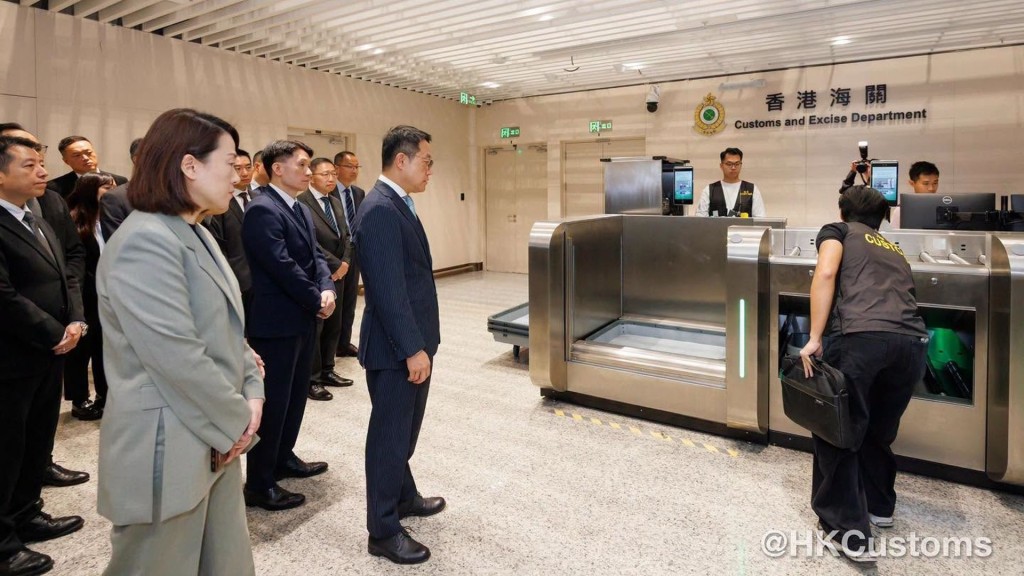
Hong Kong Customs Commissioner Chan Tsz-tat inspected the new Huanggang port on Tuesday as authorities moved closer to opening the new land boundary control point and completing preparations for passenger and vehicle clearance.
Chan led the Customs leadership team on a morning inspection of the facility, where frontline officers briefed senior officials on preparations for the port's opening. The inspection also included a review of Customs facilities and the arrangements being put in place to handle travellers and vehicles once the new port begins operations.
The visit came as Hong Kong authorities prepare to introduce several clearance arrangements that officials say will change how vehicles are processed at the boundary. Some of the measures will be introduced at a land boundary control point for the first time.
Among the new arrangements is a "Joint One-stop" vehicle lane, designed to bring clearance procedures together in a single process. Authorities will also introduce an integrated information collection device and a Customs front kiosk as part of the new clearance system.
Another change will separate the clearance procedures for private car drivers and their vehicles. The arrangement is intended to allow authorities to process the driver and the vehicle through separate clearance procedures rather than treating both as a single movement through the control point.
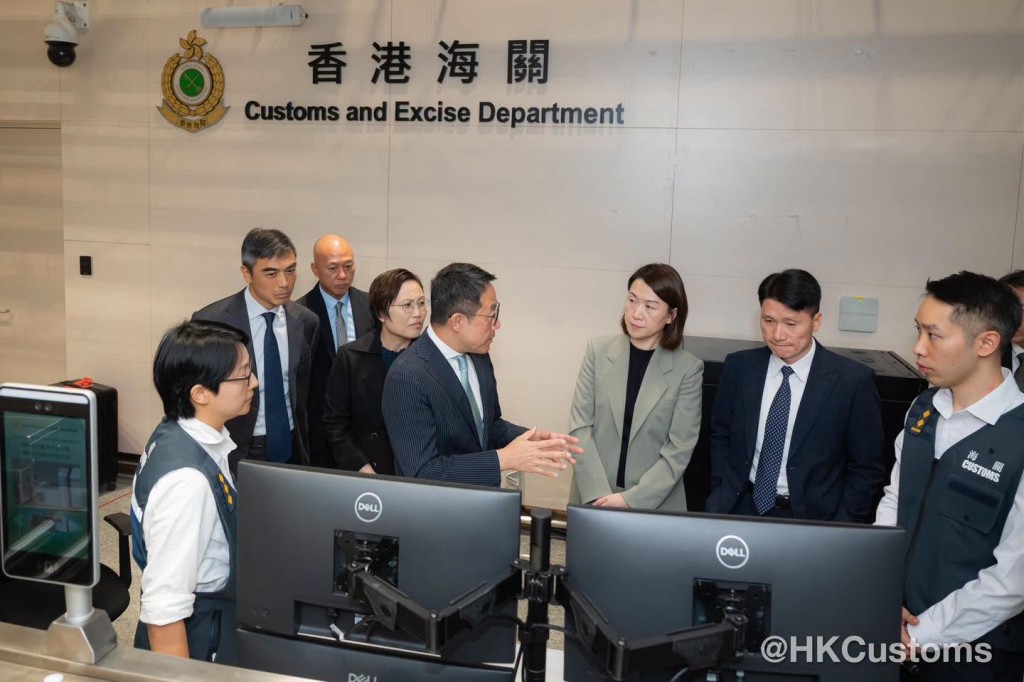
Customs reviews facilities before opening
During Tuesday morning's inspection, Chan and other Customs officials reviewed the facilities that will support passenger and vehicle inspections at the new Huanggang port.
Frontline staff provided briefings on the work carried out ahead of the opening, giving senior officials an overview of the operational preparations and the systems that Customs personnel will use.
The inspection focused on the practical side of the new facility. Customs officials examined the areas and equipment involved in the clearance process while frontline personnel explained the arrangements being prepared for day-to-day operations.
For a new boundary control point, the readiness of both infrastructure and personnel is central to the ability to process travellers and vehicles. Customs therefore said it had completed preparations for passenger and vehicle inspection facilities and had staff ready to operate the new port.
The department said its aim is to provide travellers with a smooth, efficient and quality clearance experience.
The statement also reflects the scale of the task facing frontline officers. A land boundary control point must coordinate physical inspection facilities, information collection, staff deployment and vehicle movements within a single operating environment.
New vehicle clearance measures introduced
The new Huanggang port will also introduce several measures aimed at changing the way vehicle clearance is handled.
Assistant Commissioner (Boundary and Ports) Chiang Yi-lee and representatives from the Immigration Department met the media on Tuesday afternoon to explain the new arrangements.
The "Joint One-stop" vehicle lane is one of the most notable measures. It will allow relevant clearance procedures to be brought together within one vehicle lane, reducing the need for drivers to deal with separate stages at different points of the process.
Officials also introduced an integrated information collection device. The system forms part of the new arrangements being prepared for the land boundary control point and is intended to support the collection of information during the clearance process.
A Customs front kiosk will also be available as part of the new setup.
These measures are being introduced alongside a separate arrangement for private cars that distinguishes between the clearance of drivers and the clearance of vehicles. The change creates a different structure for processing people and vehicles at the boundary.
The Immigration Department's participation in the media briefing reflects the need for different government departments to coordinate their respective responsibilities at the port. Customs is responsible for its own inspection and clearance functions, while immigration officers handle immigration-related clearance.
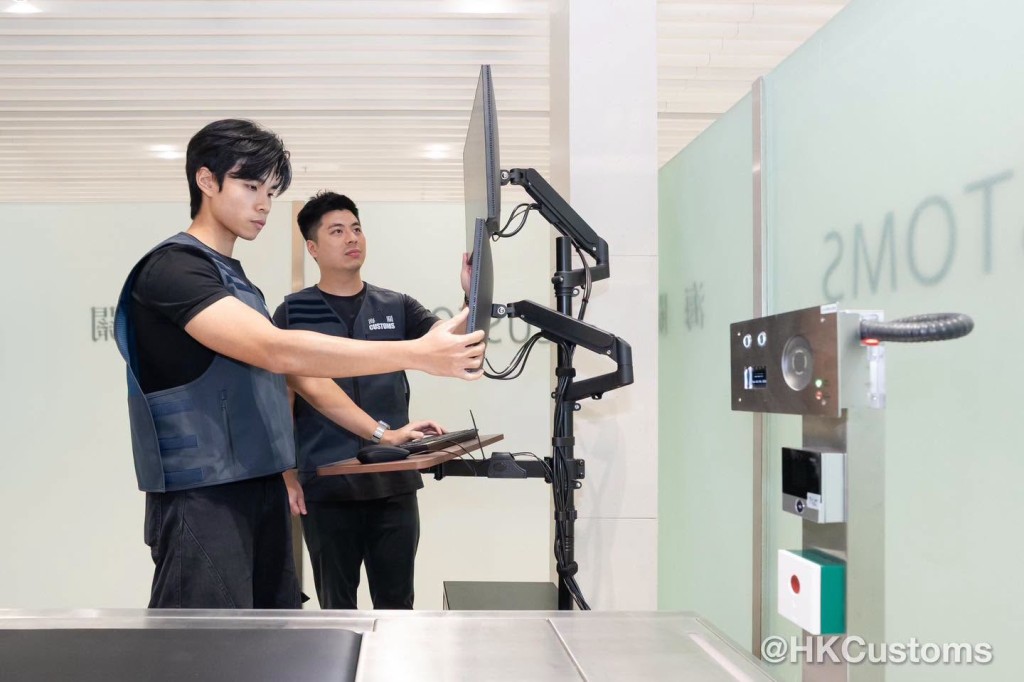
Focus on passenger and vehicle processing
The preparation of the new Huanggang port comes with a clear operational focus: ensuring that the facilities, equipment and personnel are ready before the facility begins handling travellers and vehicles.
Customs said passenger and vehicle inspection facilities are ready and that staff have been prepared to carry out their duties.
The department has also stressed the quality of the clearance experience it intends to provide. For passengers, this means having officers and facilities in place to process people efficiently. For drivers, the new arrangements will determine how vehicles and their occupants move through the boundary control point.
The introduction of separate driver and vehicle clearance arrangements for private cars represents one of the changes that drivers will encounter at the new port. Instead of relying solely on a conventional clearance process, the new system will divide parts of the procedure between the driver and the vehicle.
The "Joint One-stop" lane and integrated information collection device are also part of a broader effort to organise the clearance process through dedicated facilities and technology.
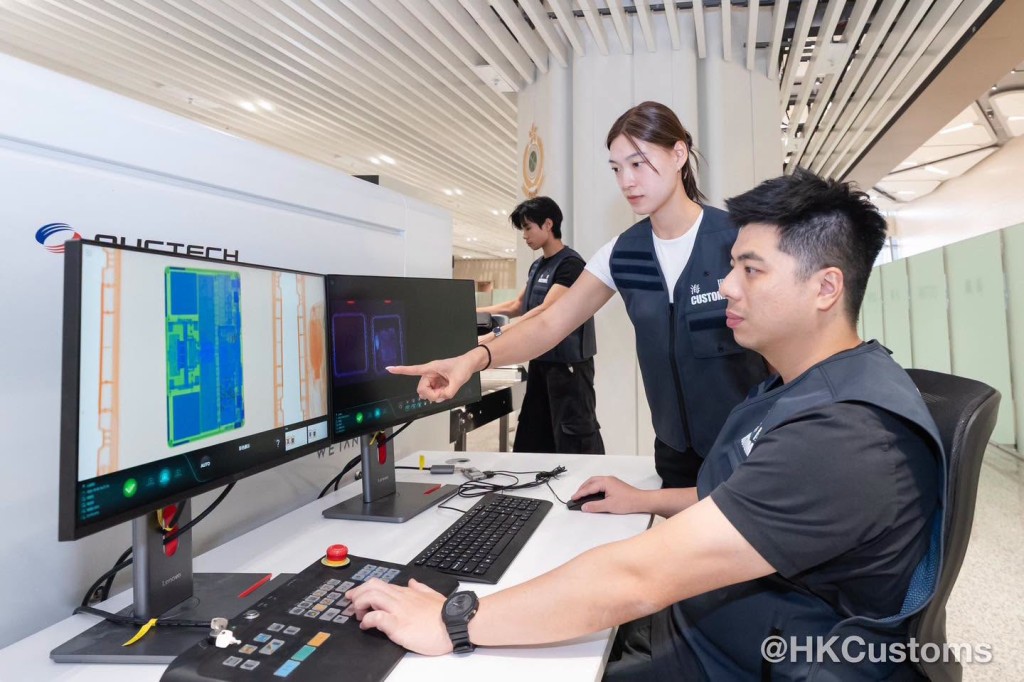
Officials assess readiness ahead of opening
Tuesday's inspection gave Customs leadership an opportunity to assess preparations directly at the port rather than relying only on administrative briefings.
Chan's visit also placed frontline officers at the centre of the preparations. Staff working at the new facility briefed senior officials on the work completed before the opening and the operation of Customs facilities.
The afternoon media briefing then provided details of the new arrangements to the public, particularly those relating to vehicle clearance.
For travellers and private car users, the practical impact of the new measures will become clearer once the port begins normal operations. Drivers will need to understand the arrangements for their own clearance as well as those applied to their vehicles.
Customs, meanwhile, has said that its inspection facilities and personnel are ready.
The department's preparation now moves from construction and pre-opening arrangements toward the actual operation of the new control point. The effectiveness of the new system will depend on how smoothly the facilities, technology and frontline staff work together once travellers and vehicles begin using the port.
With the new vehicle lanes, information collection equipment, Customs kiosk and separate driver and vehicle arrangements in place, the focus is now on delivering the clearance process that officials have prepared for.
Would these new one-stop and separate driver-vehicle arrangements make cross-boundary travel more convenient for private car users?