

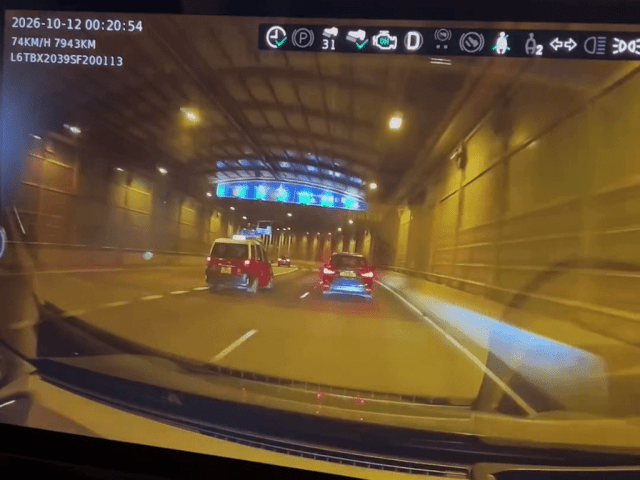
A 30 year old man has been charged with dangerous driving after allegedly driving against traffic on Hong Kong’s Tsing Sha Highway early Monday, forcing a taxi driver to brake suddenly and causing a second taxi to crash into it. No injuries were reported in the collision, which was captured in dashcam footage circulating online.
The incident raised concerns about the dangers of wrong way driving on busy highways, where vehicles travelling at speed have little time to react to an oncoming car. Police arrested the driver, surnamed Lee, following an investigation and formally charged him with dangerous driving.
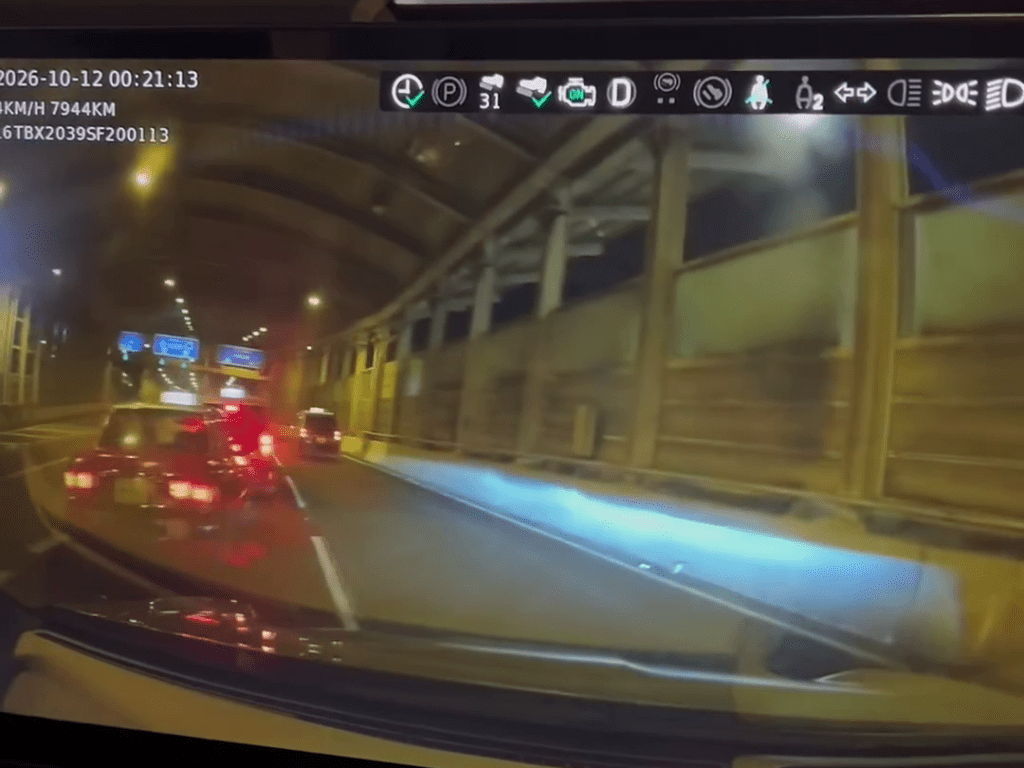
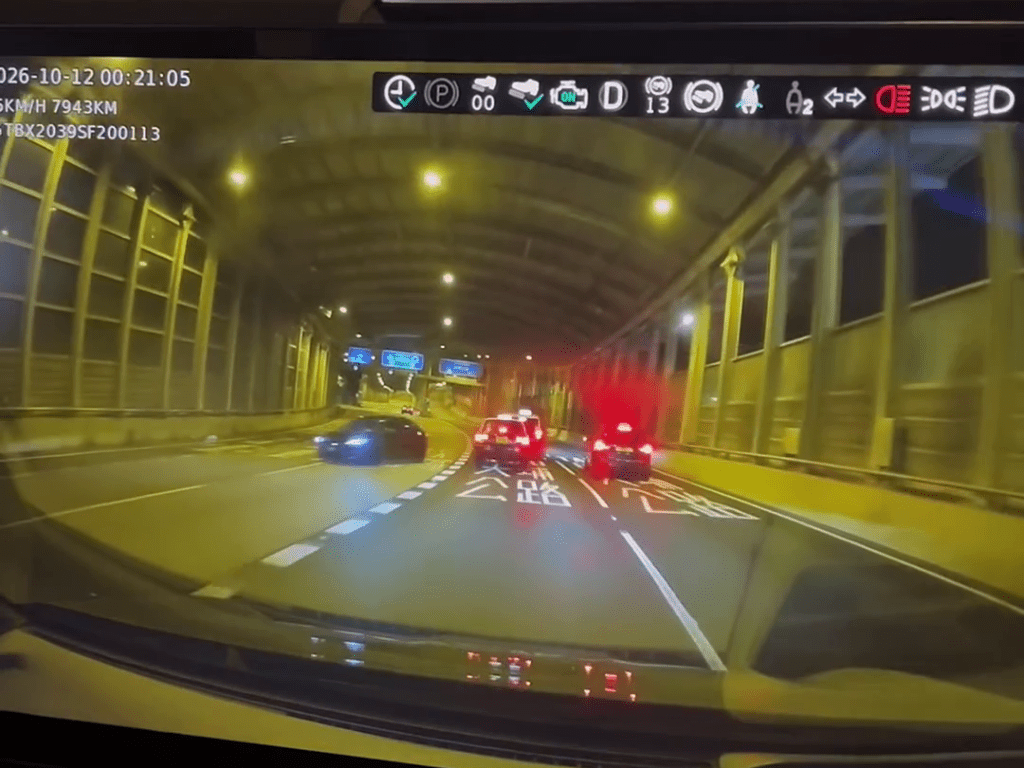
Footage of the crash showed a private car approaching from the wrong direction as an urban taxi travelled along the correct side of the road. The taxi driver appeared to brake sharply to avoid a head on collision. A second taxi following behind could not stop in time and struck the rear of the first vehicle.
The private car then swerved clear of the two taxis and continued away from the immediate collision scene, according to the footage described in reports of the incident.
Although no injuries were reported, the sequence of events demonstrated how quickly a wrong way vehicle can turn an ordinary journey into a potentially serious road accident.
Dashcam Footage Shows Taxi Braking to Avoid Oncoming Car
The online footage provided a clear view of the immediate danger faced by the taxi drivers.
As the first taxi approached, the private car appeared in its path, travelling against the normal direction of traffic. The taxi driver reacted by braking abruptly, apparently attempting to avoid striking the oncoming vehicle.
The second taxi, travelling close behind, had less time to respond. It collided with the rear of the first taxi after failing to stop before reaching it.
The wrong way driver avoided being struck during the sequence, but the two taxis were involved in a collision as a result of the sudden manoeuvre.
The footage illustrates a familiar danger on high speed roads. Drivers generally expect traffic to move in the designated direction, so an approaching vehicle travelling against the flow can leave very little time to assess the situation and choose a safe response.
Braking suddenly may help a driver avoid a direct collision, but it can also create a secondary hazard for vehicles following behind. Maintaining a safe following distance gives drivers more time to react when traffic slows unexpectedly.
The available information did not specify the exact speed of the vehicles, the extent of damage to the taxis or whether the private car sustained any damage.
Police Arrest Driver After Investigation
Police subsequently arrested the driver, identified by his surname Lee, and charged him with dangerous driving.
The charge followed an investigation into the wrong way driving incident and the resulting collision between the two taxis.
The available account did not state where Lee entered the highway, how far he travelled against traffic or why he was driving in the wrong direction. It also did not provide details of any court appearance or plea.
Those details remain separate from the facts reported about the incident itself: a private car travelled against traffic, a taxi braked to avoid it, a second taxi struck the first, and police later charged the driver.
Dangerous driving is a serious road traffic offence in Hong Kong. The charge reflects the potential risk created when a motorist's actions place other road users in immediate danger.
A wrong way vehicle can expose drivers, passengers and other road users to a head on collision, while sudden evasive action can cause additional crashes involving vehicles travelling behind.
Even when a collision produces no reported injuries, the absence of physical harm does not remove the danger associated with the alleged driving behaviour.
Dangerous Driving Can Carry a Three Year Prison Sentence
Under Hong Kong's Road Traffic Ordinance, dangerous driving carries a maximum penalty of a HK$25,000 fine and three years' imprisonment upon conviction, according to the information provided in the incident report.
These are maximum penalties, not an indication of the sentence Lee will receive. Any outcome depends on the legal proceedings and the circumstances established before the court.
Dangerous driving cases can involve questions about the manner of driving, the surrounding road conditions and the risk posed to other people. Investigators may examine witness accounts, video footage and other available evidence when establishing what happened.
Dashcam recordings can be particularly useful in traffic investigations because they may capture the movements of vehicles immediately before and during a collision. However, a recording may not show every relevant detail, including what happened before the camera began recording or the driver's reasons for taking a particular route.
In this case, footage circulating online showed the private car travelling against traffic and the two taxis colliding after the first driver braked.
The police investigation led to Lee's arrest and charge, but the available report did not provide further details about the evidence submitted to support the case.
Wrong Way Driving Creates Risks for Every Road User
Driving against the flow of traffic is especially dangerous on highways because vehicles may be travelling too quickly to stop safely when confronted by an unexpected obstacle.
A driver who encounters an oncoming vehicle has only a limited amount of time to recognise the danger, assess the available space and react. Other motorists may face the same problem moments later, particularly when one vehicle brakes sharply or changes direction.
The Tsing Sha Highway incident involved two taxis, but a similar sequence could affect private cars, buses, motorcycles and other vehicles using the same road.
The danger also extends beyond the vehicle travelling in the wrong direction. A sudden collision or evasive manoeuvre can disrupt surrounding traffic, potentially causing further crashes if drivers are following too closely or cannot see the hazard ahead.
Motorists can reduce some of these risks by maintaining a safe distance from the vehicle in front, keeping their attention on the road and avoiding sudden movements unless necessary to prevent a collision.
If a driver encounters a vehicle travelling in the wrong direction, the safest response depends on the immediate road conditions. Motorists should avoid attempting a risky manoeuvre to confront or follow the vehicle and should alert the authorities when it is safe to do so.
Drivers who realise they have entered a road in the wrong direction should stop making forward progress as soon as they can do so safely and seek assistance rather than attempting to continue through oncoming traffic.
Police Warn Against Dangerous Traffic Violations
Following the incident, police reiterated their zero tolerance stance towards traffic violations and warned motorists against disregarding road laws.
The warning came after an incident in which a wrong way vehicle forced another driver into emergency braking and contributed to a rear end collision.
The lack of reported injuries was fortunate, but the incident shows why traffic rules are designed to protect more than the driver responsible for a vehicle. Every motorist's decisions can affect passengers, other drivers and people who have no control over the situation unfolding around them.
For drivers using Hong Kong's highways, following the correct direction of traffic, observing road signs and remaining alert to changing conditions are basic requirements for safe travel.
Police have charged Lee with dangerous driving following their investigation. The case now concerns the alleged offence and the legal process that follows the charge.
Have you witnessed a wrong way driving incident on a highway? Share your experience and tell us what measures could help prevent similar crashes.