

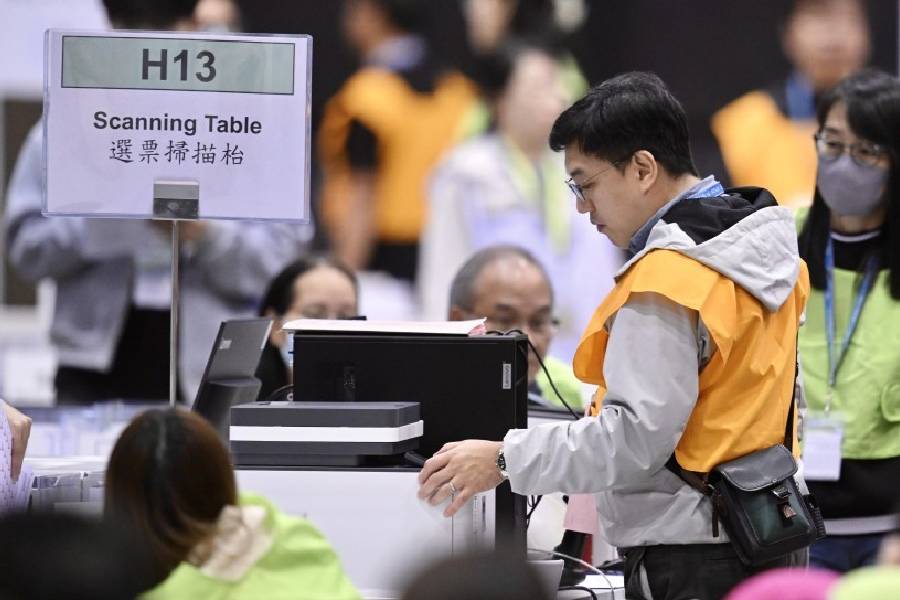
Hong Kong’s 2026 Election Committee subsector elections have started with a strong wave of nominations, with 471 submissions recorded during the first two days of the nomination period.
Returning officers received 465 candidate nomination forms and six forms from designated bodies by the end of October 8, according to the figures released for the opening stage of the election process.
The nomination period began on October 7 and will remain open until October 20, giving candidates and designated bodies another 12 days to submit their entries.
The early figures show participation across a wide range of sectors, from labour and grassroots organisations to business, tourism, professional and cultural groups. Some subsectors moved quickly on the first day, while others increased their activity on the second.
471 Submissions Recorded in First Two Days
The nomination process for the 2026 Election Committee subsector ordinary elections officially opened on October 7.
By the end of the second day, returning officers across the different subsectors had received 465 candidate nomination forms. Another six forms were submitted by designated bodies, taking the combined number of submissions to 471.
The figures represent submissions rather than final confirmed candidates. Nomination forms still have to go through the relevant election procedures before candidates are formally accepted.
With the nomination window running until October 20, the number is expected to change as more individuals and organisations file their paperwork.
The early participation, however, provides a first indication of which sectors are moving most quickly to put forward representatives.
Labour Sector Leads First Day
The labour subsector recorded the strongest first day among the individual groups, submitting 60 candidate nomination forms.
The figure placed labour at the front of the opening day’s activity and helped give the wider nomination process an immediate burst of participation.
Activity remained strong among grassroots and community related groups on the second day.
Agricultural and fisheries groups submitted 21 nominations, while grassroots associations also filed 21 forms. Associations of Chinese fellow townsmen recorded another 15 nominations.
The numbers show that participation was not concentrated solely among commercial or professional organizations. Community based and sector specific groups also moved early in the nomination period.
For the Election Committee, representation across these different categories is significant because the subsector structure brings together people and organisations from a broad range of economic and social groups.
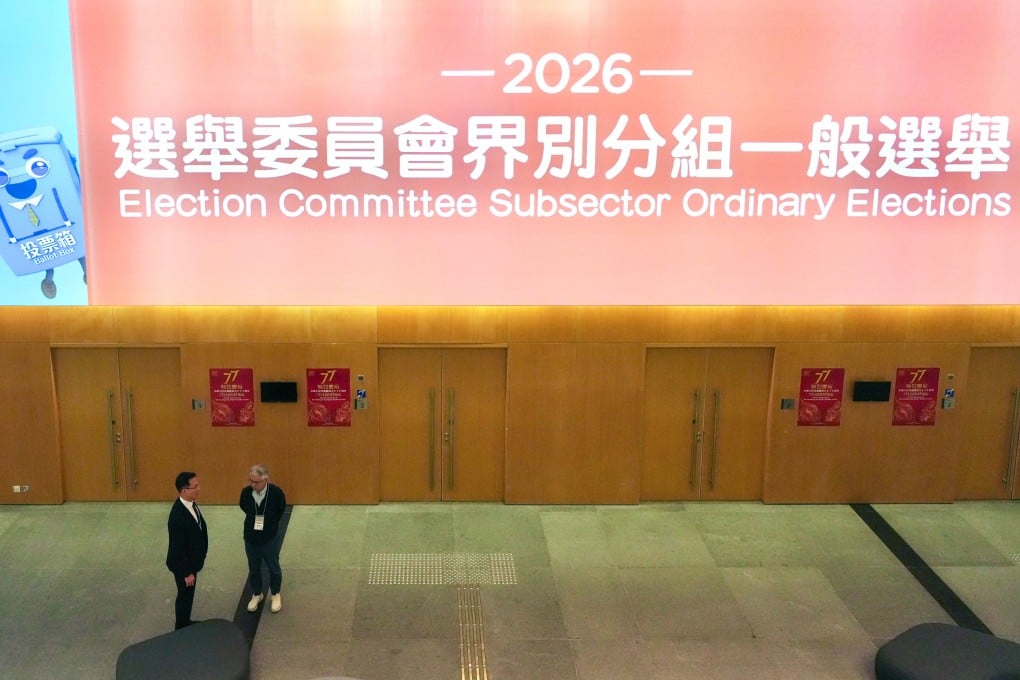
District Groups Add 33 Nominations
The Fourth Sector also recorded a notable increase in nominations during the second day.
Representatives of members of Area Committees, District Fight Crime Committees and District Fire Safety Committees across Hong Kong and Kowloon, as well as the New Territories, submitted a combined 33 candidate nomination forms on October 8.
The group had a significant role in the second day’s overall activity, adding another layer of district based participation to the nomination figures.
The Heung Yee Kuk was also active at the start of the process, submitting 28 nominations on the opening day.
The figures from district and community organisations add to the wider range of sectors participating in the election process and show that nominations are coming from groups with different roles in local community affairs.
Business Groups Increase Participation
Commercial groups have also begun submitting candidates as the nomination period progresses.
Within the First Sector, the commercial third subsector recorded 14 nominations on the second day, making it the most active individual subsector in that sector for the day.
The hotel subsector followed with 10 nomination forms.
Those submissions came after a strong first day for the tourism subsector, which filed 17 candidate nomination forms when nominations opened.
The early activity from tourism, hotels and commercial organisations reflects the participation of businesses whose industries are closely connected to Hong Kong’s wider economy.
More nominations can still be expected from these groups before the October 20 deadline.
Professional and Cultural Groups Join the Process
The Second Sector has also seen nominations arrive from a range of professional and cultural fields.
Traditional Chinese medicine groups submitted nine forms on the second day.
Earlier nominations had already come from subsectors representing education, sports, performing arts, culture and publishing.
The spread of submissions means the nomination process is drawing participation from sectors with very different professional interests and areas of expertise.
These groups form part of the broader structure through which different professional and social constituencies are represented in the Election Committee.
The figures also show that participation is developing at different speeds. Some groups submitted large numbers immediately after the nomination period opened, while others have begun with smaller batches of candidates.
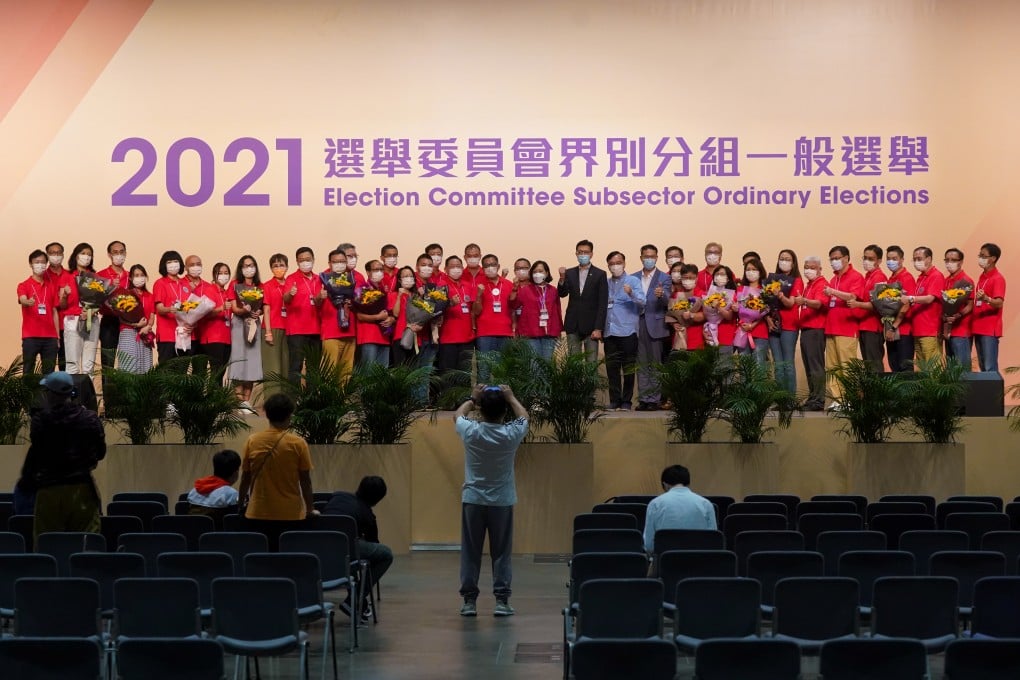
Fifth Sector and Designated Bodies Begin Submitting Forms
The Fifth Sector has also started recording participation.
Representatives of Hong Kong members of relevant national organisations have submitted initial entries during the first two days.
Designated bodies have also begun filing their forms. Among them are organisations including the Hong Kong Chamber of Commerce in China, Guangdong and the Hong Kong Association of China Business.
Six forms from designated bodies had been received by the end of the second day.
Their submissions add another component to the overall nomination figures and broaden the range of organisations represented in the opening stage of the election process.
Nomination Period Continues Until October 20
The strong opening does not mean the nomination process is close to completion.
Candidates and designated bodies still have until October 20 to submit their forms. The remaining days could therefore bring significant changes to the participation figures across individual subsectors.
The first two days have already produced 471 submissions, with labour groups, grassroots organisations, district representatives, commercial businesses, professional bodies and other organisations all entering the process.
The next stage will involve the relevant election authorities processing the submitted forms and carrying out the procedures required for the subsector elections.
For candidates and organisations that have not yet submitted their nominations, the October 20 deadline remains the key date.
As the nomination period continues, the final number of submissions will provide a clearer picture of the breadth of participation across Hong Kong’s 2026 Election Committee subsector elections.
Will the strong opening continue, and which subsectors will record the biggest increase in nominations before the October 20 deadline?