

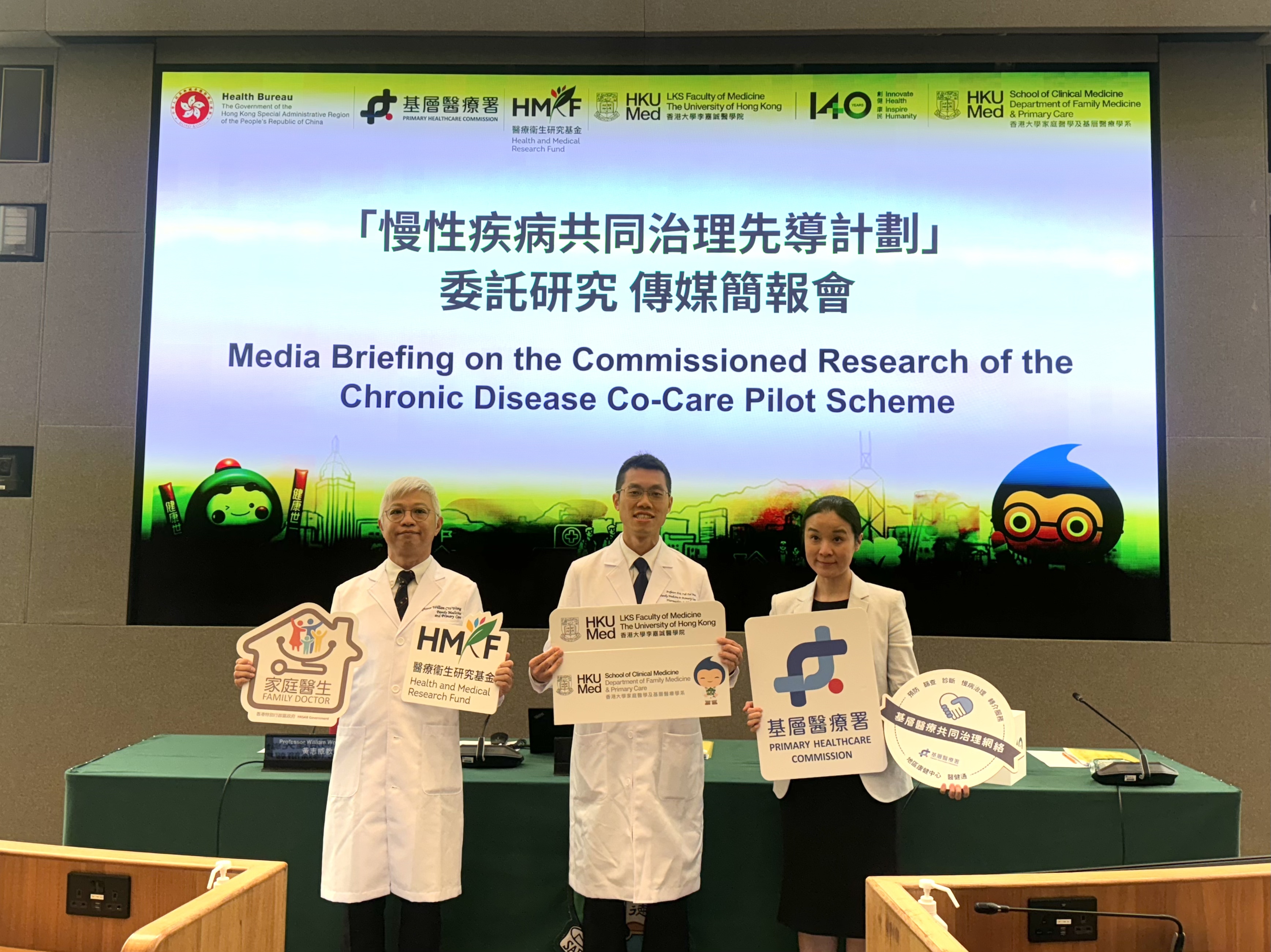
Nearly 6,000 Hong Kong residents diagnosed with diabetes, hypertension or pre diabetes have recorded significant improvements in their health after a year of coordinated medical care. The results from the government's Chronic Disease Co Care Scheme have renewed calls for eligible residents to get screened early, when timely treatment and lifestyle changes can help prevent serious complications.
The findings, announced on Monday by researchers at the University of Hong Kong (HKU), offer encouraging evidence of the benefits of early diagnosis and continued medical support. The programme connects residents with family doctors, district health centres and other healthcare professionals to help them manage chronic conditions before they lead to more serious health problems.
Researchers reported improvements in key cardiovascular and metabolic indicators among 5,950 newly diagnosed patients who received a year of health management and follow up care. Experts said the approach could help reduce the long term risks associated with conditions such as diabetes and high blood pressure, including stroke and heart failure.
More Than 300,000 Residents Enrol in Hong Kong Health Scheme
Hong Kong launched the Chronic Disease Co Care Scheme in 2023 to improve the early detection and management of long term illnesses. The programme covers conditions including diabetes, hypertension and chronic hepatitis B, bringing public and private healthcare providers together to deliver screening and continuing care.
Initially introduced as a pilot initiative, the scheme became a regular part of Hong Kong's primary healthcare network in March 2026.
More than 300,000 residents have enrolled in the programme so far. Of the approximately 160,000 people who had completed screening, nearly 40% were diagnosed with diabetes, hypertension or pre diabetes, according to figures presented at a news conference organised by HKU's Li Ka Shing Faculty of Medicine.
The findings show why health screening matters. Diabetes and hypertension can develop without noticeable symptoms, meaning some people may not realise they have a condition until complications begin to emerge.
Pre diabetes also deserves attention. It refers to blood glucose levels that are higher than normal but do not meet the threshold for a diabetes diagnosis. Without appropriate intervention, some people with pre diabetes may progress to type 2 diabetes.
Early screening can help identify these risks and give patients an opportunity to seek medical advice, improve their daily habits and monitor their health.

HKU Study Finds Improvements After 12 Months of Care
A research team from HKU's Department of Family Medicine and Primary Care was commissioned by the government to evaluate the scheme's performance.
Researchers analysed data from 26,990 participants who had completed screening by June 30, 2024. Their evaluation found significant improvements in key cardiovascular and metabolic indicators among 5,950 newly diagnosed patients following health management and follow up care.
The results suggest that identifying a chronic condition is only the first step. Patients may also benefit from structured support that helps them understand their diagnosis, follow medical advice and make changes that can be sustained over time.
Eric Wan Yuk fai, an associate professor and chief of research at HKU's Department of Family Medicine and Primary Care, said participants with pre diabetes had shown marked improvements in weight and cholesterol related indicators after 12 months.
They were also significantly more likely to meet their weight targets, he said.
Weight management can help reduce the risk of developing type 2 diabetes in people with pre diabetes. Monitoring cholesterol levels is also important because unhealthy levels can contribute to cardiovascular disease.
However, improvements in individual health indicators do not mean that every participant experienced the same results or that their risk of developing complications disappeared. Long term management still depends on factors such as medical treatment, physical activity, diet and regular monitoring.
The evaluation nevertheless provides evidence that coordinated follow up can support people who have recently learned that they are at risk of chronic illness.
Family Doctors Help Patients Manage Chronic Diseases
William Wong Chi wai, clinical professor and chairperson of HKU's Department of Family Medicine and Primary Care, said the multidisciplinary network connecting district health centres with family doctors had demonstrated clear benefits.
The programme gives patients access to continuing support after screening, rather than leaving them to manage a new diagnosis without guidance.
For people with diabetes or hypertension, regular monitoring can help doctors assess whether treatment is working and determine whether adjustments are needed. Patients may also receive advice on medication, diet, exercise and other habits that affect their health.
This kind of support can be particularly useful for people who have difficulty making lifestyle changes on their own. A healthcare professional can help them set realistic goals, understand their readings and identify when they need further medical attention.
Wong said effective management of relevant health indicators could reduce complications, including stroke and heart failure, by about 10% over the next decade. He also said the programme could significantly reduce the risk of death among people with chronic diseases.
The projected reduction concerns potential long term benefits. It should not be interpreted as a confirmed 10% reduction in complications already achieved by the programme.
Still, the findings point to the possible benefits of detecting chronic diseases early and providing patients with consistent medical support.
Hong Kong Patient Sees Improvements in Blood Sugar and Fitness
For Chu, a 51 year old resident of Mong Kok, joining the programme helped him understand how changes to his daily routine could affect his health.
Chu discovered that he had diabetes after undergoing screening through the scheme. He said his blood sugar levels, energy and physical fitness had improved since he began receiving health management support.
He identified exercise as one of the biggest changes in his routine. Advice from medical professionals, particularly detailed guidance on diet, also helped him make more informed decisions about his health.
Managing diabetes often requires attention to several areas at once. Patients may need medication, regular blood glucose checks and changes to their eating habits. Physical activity can also help improve blood glucose management and overall fitness.
For someone who has recently received a diagnosis, knowing where to begin can be difficult. Regular guidance can help turn medical recommendations into practical steps that fit into everyday life.
Chu praised the programme's convenient arrangements and encouraged other eligible residents to participate early.
His experience offers a personal example of the benefits patients may experience, although individual accounts cannot establish how every participant will respond to treatment. The wider research findings provide a broader assessment of health changes across thousands of participants.
Government Targets 700,000 Residents Within Five Years
Esther Yu Yee tak, a consultant overseeing service standards and research management at the Health Bureau's Primary Healthcare Commission, described the evaluation results as encouraging.
The government aims to serve 700,000 residents through the Chronic Disease Co Care Scheme within five years, she said.
Reaching that target will require continued efforts to encourage eligible residents to enrol, complete screening and access appropriate care if doctors identify a health problem.
The authorities also plan to expand the programme to cover additional chronic diseases, Yu said. This would broaden the range of conditions addressed through the scheme and potentially allow more residents to benefit from early detection and continuing medical support.
As the programme grows, maintaining consistent service standards will remain important. Screening alone cannot prevent complications unless patients receive appropriate assessment, treatment and follow up care.
The involvement of family doctors and district health centres is intended to connect these stages and make primary healthcare more accessible to residents.
Why Early Screening Matters for Diabetes and Hypertension
The programme's findings reinforce the importance of checking for chronic diseases before symptoms become severe.
People who have diabetes, high blood pressure or pre diabetes may not always notice changes in their health during the early stages. Screening can identify warning signs and help healthcare professionals recommend appropriate next steps.
Residents who qualify for Hong Kong's Chronic Disease Co Care Scheme should check the official eligibility requirements and enrolment arrangements. Anyone concerned about blood sugar, blood pressure or other risk factors should consult a qualified healthcare professional about suitable screening.
With more than 300,000 residents already enrolled, the scheme is seeking to expand access to preventive care while helping patients manage existing conditions.
The latest results offer an encouraging sign: among the 5,950 newly diagnosed patients identified in the evaluation, key health indicators improved following a year of coordinated care.
Have you checked your blood sugar and blood pressure recently? If you live in Hong Kong, check whether you qualify for the Chronic Disease Co Care Scheme and speak to a healthcare professional about getting screened.