


Hong Kong lawmaker Nixie Lam has called on the government to introduce a comprehensive population policy as the city records its lowest number of births on record, warning that existing measures are spread across different departments and do not fully address why young people are delaying or deciding against parenthood.
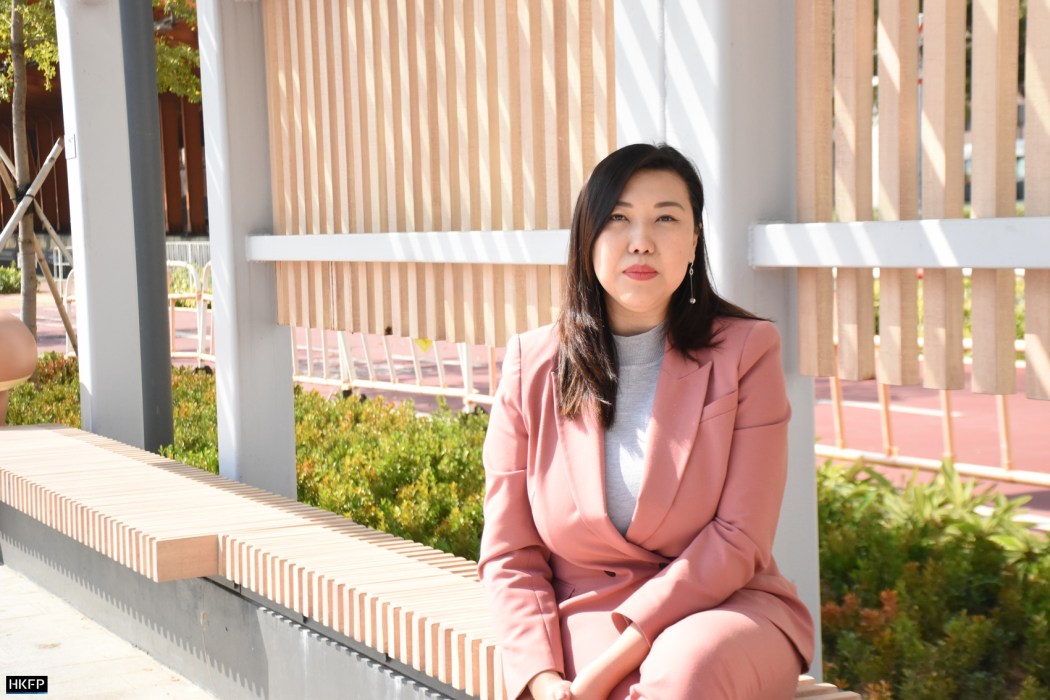
Lam, a legislator with the Democratic Alliance for the Betterment and Progress of Hong Kong, made the comments during an interview with RTHK Radio 1 on Wednesday. She said the government had introduced several measures intended to encourage childbirth, but had yet to establish an overarching population policy that brings those efforts together.
She proposed creating a population policy task force led by secretarial grade officials to examine demographic trends and study younger residents' views on marriage, having children and raising families.
Lam said policymakers needed current evidence before deciding which measures would have a meaningful effect.
Young people's views need fresh research
Lam said the government should look beyond birth statistics and investigate the reasons behind people's decisions about having children.
She said authorities had not conducted enough recent research into whether young people wanted children, what factors influenced those decisions and what pressures they faced when considering starting a family.
Without updated information, she argued, policymakers risk relying on assumptions that no longer reflect the circumstances faced by younger generations.
The cost of raising children, housing conditions, employment uncertainty, childcare arrangements and the demands of working life can all influence decisions about family formation. Lam did not identify one factor as solely responsible for the decline, but said the government needed new research to understand what was actually affecting young residents.
She also criticised the continued use of older assumptions when designing fertility policies.
"Without research, we are still using ideas from the last century to formulate relevant policies," Lam said.
Her proposed task force would provide a central mechanism for bringing together work currently handled by separate bureaux and government departments. It could also allow officials to examine population trends alongside the social and economic pressures affecting families.
Fewer than 30,000 babies born
The call for a new population strategy comes as Hong Kong records a sharp decline in births.
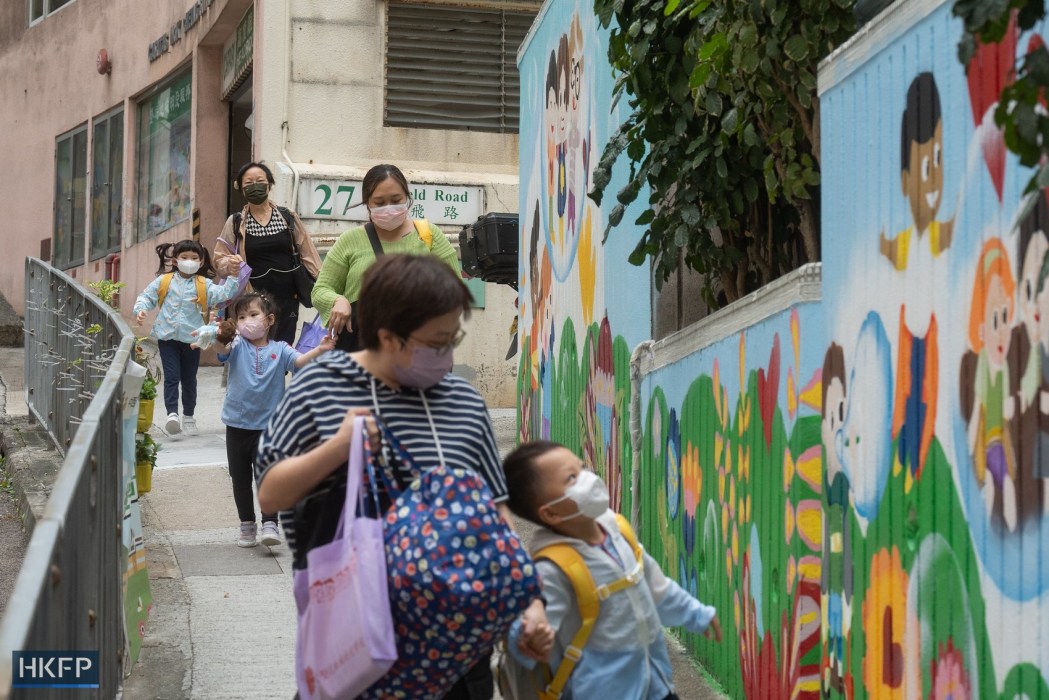
Fewer than 30,000 babies were born in the territory over the past year, according to figures cited in the original report, marking a record low. The number of births recorded in 2025 was around half the level recorded in 2015, according to data from the Census and Statistics Department.
The decline has continued despite government efforts to encourage more people to have children.
One measure introduced by the authorities was a new tax allowance for eligible Hong Kong residents receiving assisted reproductive services. The policy was intended to reduce some of the financial burden associated with fertility treatment.
The government also introduced a direct cash incentive for eligible parents.
In late 2023, authorities launched a Newborn Baby Bonus that provided HK$20,000 to eligible parents. The scheme was designed to operate for three years, but its future beyond October remains uncertain.
Lam called on the government to continue the payments.
She argued that cancelling the bonus without replacing it with a broader population strategy would leave families uncertain about the government's long term approach to supporting parenthood.
The HK$20,000 payment is only one part of the government's response to declining fertility. Lam's proposal suggests that financial incentives alone may not be enough to change decisions about whether and when people have children.
Falling birth numbers are reaching schools
The demographic decline is already being felt across Hong Kong's education system.
Kindergartens and primary schools have experienced falling enrolment as fewer children enter the school system. Emigration from Hong Kong has added to the pressure, reducing the number of children available to fill places at some schools.
The effect is particularly visible in Primary One classes.
According to a Ming Pao report published on Wednesday, 127 of 446 government subsidised primary schools had reduced the number of Primary One classes for the new school year.
Among those schools, 60 were operating only one Primary One class in the new academic year.
Another 15 schools had stopped operating Primary One classes altogether, putting them at risk of closure.
The figures show how demographic changes are moving through the education system. A fall in births does not affect schools immediately. Children born today enter primary education several years later, meaning the impact of lower birth numbers continues to emerge across successive school years.
For schools that already operate with small intakes, another decline can make it harder to maintain existing class structures and teaching resources.
Schools face a changing student population
The reduction in Primary One classes is not simply an education issue. It is also a consequence of the broader demographic changes Lam wants the government to address.
When fewer children are born, demand for kindergarten places falls first. Several years later, primary schools begin to feel the effect. Secondary schools eventually face similar pressure as smaller groups of children move through the system.
This creates difficult decisions for the government and school operators.
Schools need enough students to sustain their programmes, while authorities must consider whether the existing number of school places remains appropriate for a smaller population. Families, meanwhile, may have different expectations about education, housing and childcare than previous generations.
Lam's call for a population policy task force therefore comes as the effects of declining fertility are no longer confined to demographic statistics.
The consequences are appearing in classrooms, school enrolment figures and decisions about the future provision of education services.
Government measures face questions over effectiveness
The government has already introduced measures intended to encourage childbirth, but the continued decline in births has raised questions about whether those policies address the reasons behind the trend.
Financial support can reduce some of the costs associated with having a child, but it does not necessarily resolve wider concerns faced by prospective parents.
For some young couples, starting a family involves a combination of financial, professional and personal considerations. A cash payment may help with immediate expenses, while housing, childcare and career concerns can influence decisions over a much longer period.
That is why Lam is calling for research into the views of young people rather than relying mainly on financial incentives.
The proposed task force could also bring together officials working on different aspects of population policy, including demographic planning, education, housing, healthcare, employment and family support.
Lam said the government should not simply allow the Newborn Baby Bonus to expire without first establishing a broader plan.
The debate now extends beyond the amount of financial assistance available to parents. It concerns whether Hong Kong has a coordinated strategy for dealing with a declining number of births and the wider effects that will follow.
A demographic issue with consequences across Hong Kong
The latest figures point to an issue that could affect far more than maternity services or family policy.
Fewer births mean smaller groups of children entering schools. Smaller school cohorts can lead to fewer classes and, in some cases, pressure on schools to close. Over time, the same demographic shift can affect the size of the future workforce and the balance between working age residents and older people.
Reliable research will therefore become increasingly important for government planning.
Lam wants officials to establish what young Hong Kong residents actually want, what prevents them from having children and what forms of support could make a meaningful difference.
For now, the figures provide a clear measure of the challenge. Hong Kong recorded fewer than 30,000 births over the past year, while 127 government subsidised primary schools have reduced their Primary One classes for the new academic year.
Lam is calling for a coordinated population policy backed by current research into the lives and choices of younger residents, while urging the government to continue the HK$20,000 newborn payment until a broader strategy is established.