


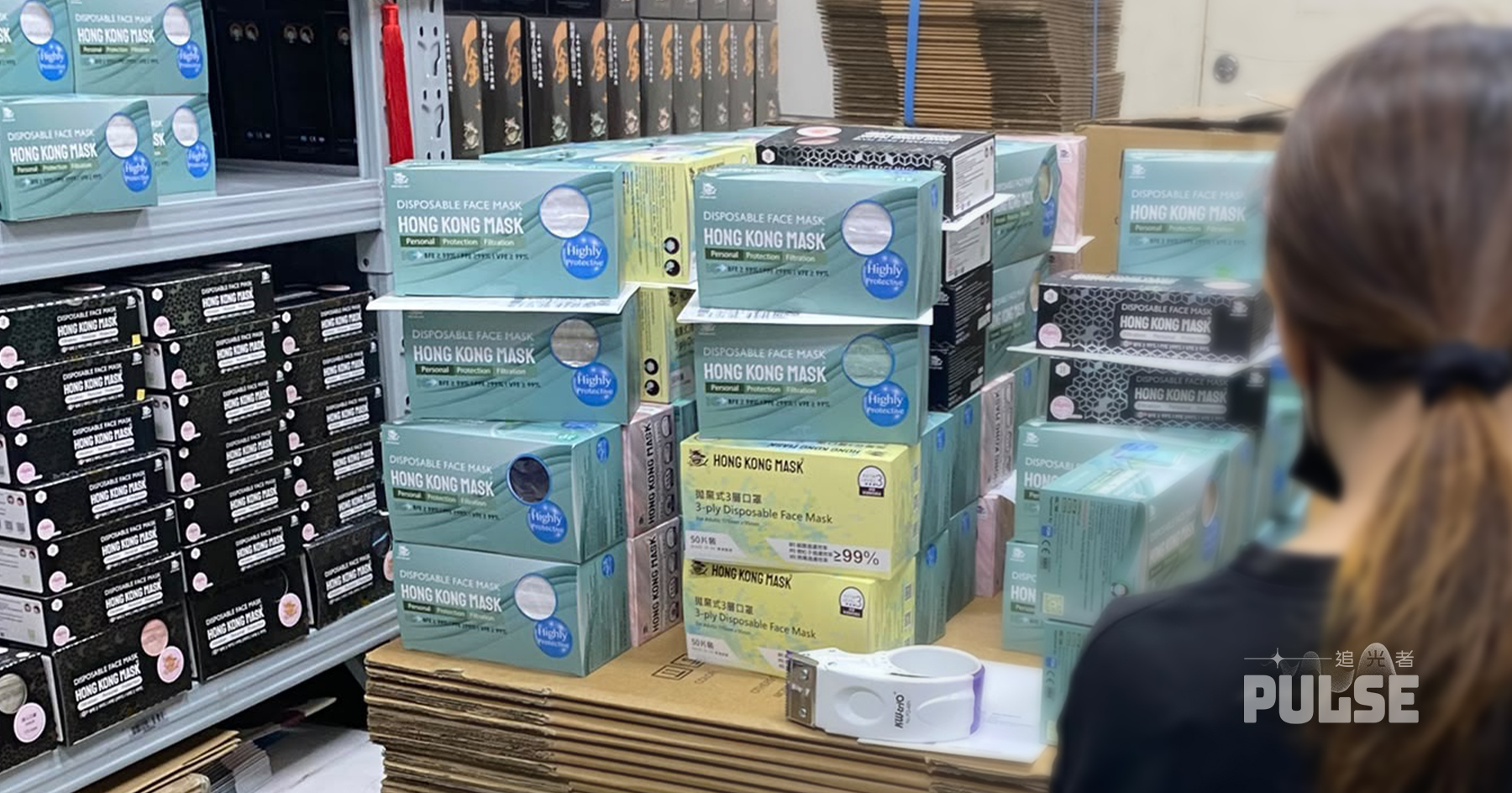
A Hong Kong mask manufacturer has reported an unprecedented surge in demand, with sales climbing to 3,000 percent of normal levels as reports of pneumonic plague in Russia spread across social media and prompt residents to stock up on protective supplies.
Hung, the owner of Hong Kong Mask, told Sing Tao Daily, the sister publication of The Standard, that the company had been overwhelmed by orders following a social media post about the disease that attracted more than 500,000 views. The sudden increase has pushed demand far beyond the usual seasonal rises associated with influenza outbreaks in the city.
The reported surge reflects growing public concern about infectious diseases and the role face masks continue to play in Hong Kong residents' personal protection habits following the COVID-19 pandemic. However, the accounts of worried residents and increased commercial demand do not, by themselves, establish that pneumonic plague poses an immediate threat to Hong Kong.
Mask manufacturer struggles to meet rising demand
Hung said the company had experienced a dramatic increase in orders over a short period, with demand eventually reaching a cumulative 3,000 percent of its normal level.
Sales were already running at 300 to 400 percent of normal levels on the day before reports of the plague emerged. By the following Thursday, they had climbed to 900 percent of the usual volume before continuing to rise.
The latest figures represent a substantial departure from the company's experience during previous outbreaks of seasonal influenza. Hung said sales typically increased two to four times during local flu seasons, making the latest surge unusual in both its scale and duration.
The manufacturer's experience also illustrates how quickly public concern can translate into purchasing activity when information about a potentially serious disease circulates online. A single social media post attracting hundreds of thousands of views was followed by a rush of orders that placed considerable pressure on the business.
"We're completely overwhelmed," Hung said, describing the volume of incoming orders.
The factory faced a sharp increase in demand as customers sought to secure masks for themselves and their households. Although the company had previously supplied medical institutions, its recent shift toward retail sales meant it was increasingly exposed to changes in consumer behaviour.
Hung said Hong Kong Mask originally operated as a supplier to clinics and hospitals. During the past two to three years, however, the business has expanded its focus to include retail customers.
He attributed most of the current increase to individual buyers rather than corporate clients. Wholesale inquiries from businesses had risen approximately four to five times, considerably less than the increase in retail demand.
That difference suggests that household purchasing, rather than a comparable expansion in institutional procurement, has driven much of the latest rush.

Retail customers drive the surge
Hung said the current buying pattern did not necessarily mean that widespread panic buying had begun across Hong Kong.
Instead, he described the customers placing orders as people who already regularly wore masks and were now purchasing additional supplies in response to the reports.
The distinction matters because established mask users may already have routines that include wearing face coverings in crowded places, during flu season or when respiratory infections are circulating. For these consumers, increasing their household supply may be a precaution rather than a sudden change in behaviour.
Nevertheless, Hung warned that demand could become more difficult to manage if people who do not normally wear masks also began stockpiling them.
He observed that relatively few people were wearing masks on the streets at the time of his comments. A broader shift in public behaviour, he suggested, could put further pressure on available supplies.
The current figures therefore present two different pictures of the situation: a manufacturer experiencing extraordinary demand from existing customers and a wider population that has not yet shown the same level of visible response.
Whether the increase continues will depend partly on how public concern develops and whether more residents decide to purchase masks in larger quantities.
The episode also demonstrates the commercial impact of disease-related news, particularly when social media posts spread quickly and prompt consumers to act before they have assessed the level of risk to their own communities.
Residents recall COVID-19 and fear another outbreak
For some Hong Kong residents, reports of pneumonic plague have revived memories of earlier infectious disease emergencies.
Chan, a resident who was seen carrying boxes of masks, said she was "very scared" by reports of the disease in Russia. She explained that she had maintained a substantial supply of masks at home since the COVID-19 pandemic and continued to wear them in crowded places.
Her precautions were also shaped by her living environment and personal health concerns. Chan cited Hong Kong's densely populated housing and poor air quality, explaining that she had become accustomed to wearing masks because of her sensitive airways.
The possibility of a serious outbreak prompted her to consider additional steps to protect herself and maintain cleanliness at home.
Chan referred to the historical Black Death when describing her fears, expressing concern about the possibility of another devastating plague outbreak. She said she intended to pay closer attention to personal and household hygiene.
She also joked that her home was already clean and free of rats, reflecting the public association between plague and rodents.
Beyond household precautions, Chan called on the government to strengthen street-cleaning efforts. She argued that officials should take practical steps to improve public cleanliness rather than remain removed from conditions on the ground.
Her comments reflected a broader expectation that residents should not bear the entire responsibility for protecting themselves during a public health scare. Individual hygiene measures, she suggested, should be accompanied by visible action from the authorities.
However, maintaining clean homes and streets should not be confused with a complete means of preventing pneumonic plague. The disease has distinct transmission routes and requires public health measures appropriate to the circumstances of any suspected outbreak.
Couple maintain mask supplies despite concerns
Another couple, surnamed Lau, said they were concerned about the reports but were trying not to become overly alarmed.
The couple described themselves as highly conscious of hygiene and said they had long kept additional masks at home in case supplies became difficult to obtain.
They also explained that they had never entirely stopped wearing masks because influenza and COVID-19 remained concerns.
"There is no harm wearing a mask anyway," they said, describing face coverings as a precaution they were already accustomed to taking.
Their response reflects how habits established during the COVID-19 pandemic have continued among some Hong Kong residents. Rather than treating masks as an emergency purchase, the couple regarded them as part of their regular approach to reducing exposure to respiratory infections.
The pair acknowledged concerns about the possibility of plague reaching Hong Kong but expressed confidence in the government's ability to prepare for potential risks.
Lau said they trusted officials to conduct appropriate screening and take lessons from previous outbreaks into account. Their comments placed particular emphasis on early detection and avoiding mistakes made during earlier public health emergencies.
The couple's approach differed from Chan's more openly expressed fear, but both accounts pointed to the lasting influence of COVID-19 on public attitudes toward disease prevention.
For residents who remember earlier outbreaks, keeping masks at home may offer a sense of preparedness when unfamiliar disease reports begin circulating. Yet the presence of supplies does not necessarily indicate that an outbreak is imminent.
What pneumonic plague means for public health
Pneumonic plague is a severe form of plague that affects the lungs. It is caused by the bacterium Yersinia pestis, the same bacterium responsible for other forms of the disease.
Unlike bubonic plague, which commonly involves swollen lymph nodes, pneumonic plague can cause pneumonia and may progress rapidly without appropriate treatment. It can spread through respiratory droplets from a person with pneumonic plague, particularly during close contact.
The disease is treatable with antibiotics, but prompt medical assessment and treatment are essential. Early recognition is particularly important because delays can allow the illness to become life-threatening.
Claims about an exceptionally high fatality rate require context. Untreated pneumonic plague can be fatal, but the outcome depends on factors including how quickly treatment begins. A reported mortality figure should not be interpreted as the expected outcome for every patient or as evidence that an outbreak has reached Hong Kong.
Similarly, reports of cases in another country do not automatically establish that residents elsewhere face an immediate threat. Assessing the actual risk requires reliable information about confirmed cases, their locations, possible exposure routes and any evidence of transmission beyond the affected area.
The available accounts from Hong Kong Mask and local residents describe rising concern and purchasing activity. They do not provide independent confirmation of the disease's reported spread or establish that Hong Kong is experiencing an outbreak.
Residents seeking reliable guidance should therefore follow announcements from Hong Kong's health authorities and established public health organisations rather than rely solely on viral social media posts.
Preparedness without unnecessary stockpiling
The surge in mask orders presents a practical challenge for retailers and manufacturers. If demand continues to climb, individual customers may find it harder to obtain their preferred products, particularly if large numbers of households purchase more than they need at the same time.
Hung's warning about a possible wider rush highlights the difference between reasonable preparedness and excessive stockpiling. Keeping a suitable supply of masks for ordinary use can be sensible, especially for people who routinely wear them. Buying far more than a household can reasonably use, however, can place additional pressure on supplies without establishing that the extra purchases will provide greater protection.
For residents concerned about infectious disease, useful precautions include maintaining hand hygiene, following official health advice and seeking prompt medical attention if symptoms or a known exposure raise concern. Anyone who suspects exposure to a serious infectious disease should contact a healthcare professional for guidance rather than attempt to assess the risk through social media reports alone.
The immediate issue in Hong Kong is the extraordinary increase in orders reported by one local manufacturer, not confirmed evidence in these accounts of a local plague outbreak. As residents watch for further information, clear public communication will be important in helping households make informed decisions.
Will Hong Kong residents continue stockpiling masks, or will clearer public health guidance ease concerns about the reported plague threat?