

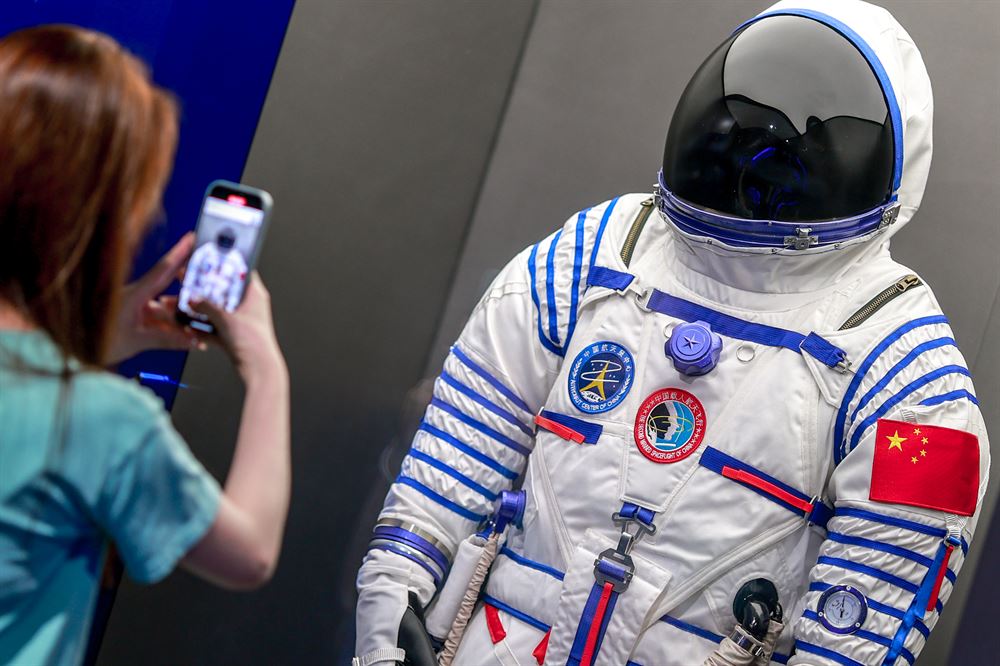
Visitors to Hong Kong can experience a simulated journey to the Moon without leaving the city, as an immersive exhibition transforms parts of Tsim Sha Tsui into a vision of future space exploration and lunar living.
Titled Fly Me to the Moon: A 380,000 km Odyssey, the exhibition runs from October 2 to November 22 at K11 MUSEA, Salisbury Garden and the Avenue of Stars. The project invites visitors to imagine humanity's next steps beyond Earth through immersive visuals, interactive installations and multisensory experiences inspired by the Moon.
Jointly presented by joio studio and the HIT Commercial Aerospace Industry Technology Alliance (Hong Kong), the exhibition combines art, visual storytelling and aerospace themes to introduce visitors to a future in which the Moon could become a destination for human settlement.
Rather than focusing solely on scientific displays, the experience places visitors inside a series of imagined space exploration scenarios. These include a simulated rocket launch, a lunar touchdown, a futuristic Moon habitat and a view of Earth rising above the lunar horizon.
The exhibition also extends into public spaces near Victoria Harbour, where a separate, free installation features oversized inflatable planets and a giant rocket model.
A simulated journey from Earth to the Moon
The exhibition takes its name from the approximate 380,000-kilometre distance between Earth and the Moon. That distance serves as the central idea behind an experience designed to make space exploration feel more immediate and accessible to people who may never have the opportunity to travel beyond Earth.
Visitors can take part in a simulated launch and experience a recreated lunar landing, bringing two major stages of a space mission into an exhibition setting. The installations use visual effects and immersive presentation to give participants a sense of travelling through space and arriving on another world.
The experience also asks visitors to picture what life might look like if people eventually establish a sustained presence on the lunar surface. A futuristic habitat installation offers a glimpse of that possibility, shifting attention from the spectacle of reaching the Moon to the practical question of living there.
A lunar settlement would require much more than a successful landing. Future residents would need suitable shelter, reliable power, water supplies, food systems and protection from the Moon's harsh environment. The exhibition presents an imaginative view of this future rather than demonstrating that such a settlement will exist by a particular date.
Its 2048 setting gives visitors a specific year around which to consider those possibilities. The date serves as a vision of a potential future, not a confirmed deadline for the establishment of permanent human settlements on the Moon.
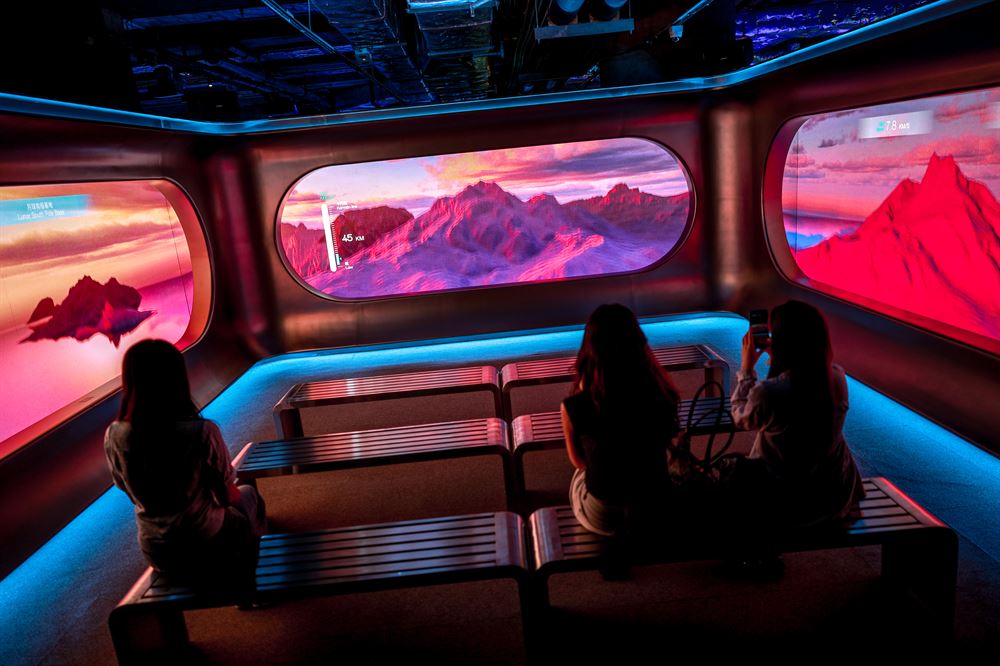
Earthrise offers a different perspective
One of the exhibition's featured experiences recreates an Earthrise view from the Moon's far side, offering visitors a visual reminder of the relationship between Earth and its natural satellite.
The sight of Earth above the lunar horizon has a special place in the history of space exploration. Photographs taken during the Apollo missions helped bring the view to audiences around the world, presenting Earth as a distant, fragile-looking sphere against the darkness of space.
The exhibition uses that imagery as part of its immersive approach, allowing visitors to imagine seeing their home planet from a location far beyond its surface.
The far side of the Moon is also an important part of lunar exploration. It is not permanently dark, as the term can sometimes suggest. Like the near side, it experiences periods of daylight and darkness, but it remains largely hidden from direct view from Earth because the Moon rotates at roughly the same rate that it orbits our planet.
A recreated lunar viewpoint can help visitors picture the unfamiliar environment astronauts and future explorers might encounter. It also brings the exhibition's artistic and technological elements together, using a recognisable image of space to connect an imagined lunar future with real milestones in spaceflight.
Art, technology and interactive installations
The exhibition combines visual art with technology to present space exploration in a format intended for a broad audience. Its installations offer more than conventional information panels, encouraging visitors to move through different scenes and engage with the subject through sight and participation.
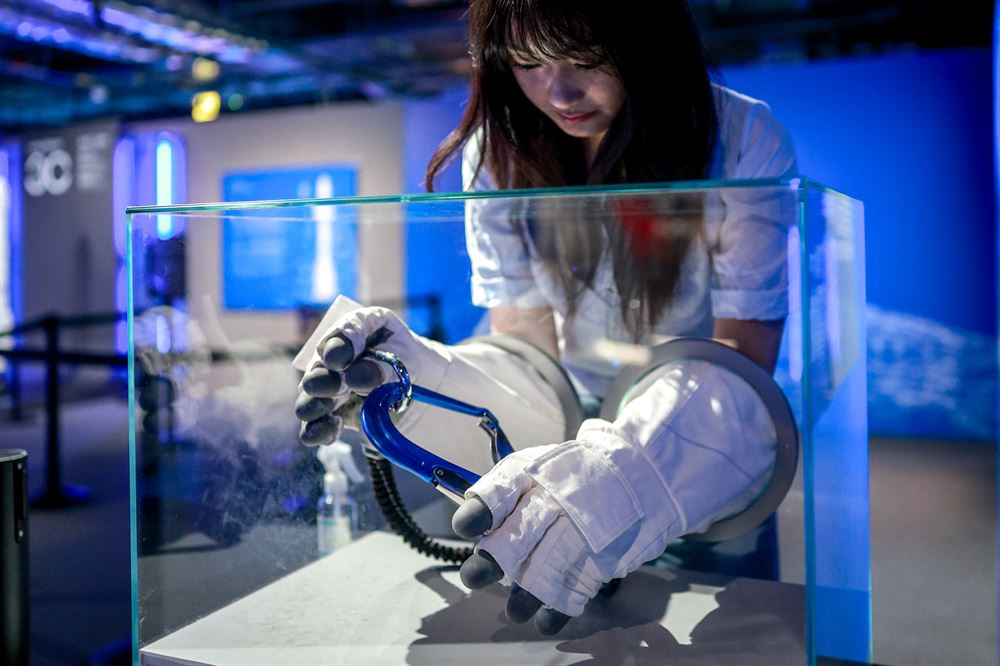
Dynamic lighting and dedicated photo spots provide opportunities to capture images during the visit. These features also give the exhibition a social dimension, allowing visitors to share their experiences and introduce others to its lunar theme.
The combination of simulated travel, futuristic architecture and large-scale visuals makes the event accessible to people with different levels of knowledge about astronomy and aerospace engineering. Visitors do not need a technical background to engage with the central idea: what might it take for humans to move from visiting the Moon to living there?
At the same time, the exhibition's imaginative approach should be distinguished from a working demonstration of future lunar technology. Its installations offer a creative interpretation of space travel and settlement, while the engineering challenges of long-term human habitation remain substantial.
The project reflects the growing interest in presenting aerospace and science through public experiences that combine education with entertainment. By placing the subject in a prominent cultural and waterfront district, the organisers bring a traditionally specialised field to a wider urban audience.
Free planetary installations at Victoria Harbour
Visitors who want to experience the space theme without purchasing an admission ticket can also explore a large aerospace-themed installation near Victoria Harbour.
The free attraction features a planetary zone with oversized inflatable planets and a giant rocket model. Its placement beside one of Hong Kong's best-known waterfront areas gives visitors another way to engage with the exhibition's theme and photograph the installations.
Unlike the main odyssey, which requires paid admission, the outdoor display does not require a ticket. It offers an alternative for families, tourists and passers-by who want to see the large-scale installations without committing to the full immersive experience.
The different locations also extend the event beyond a single indoor venue. K11 MUSEA, Salisbury Garden and the Avenue of Stars form part of the exhibition's footprint in Tsim Sha Tsui, an area known for its shopping, cultural attractions and views across Victoria Harbour.
China Daily photographer Andy Chong photographed the futuristic lunar installations on Friday, capturing highlights of the event as the exhibition continued its run.
Tickets, dates and visitor information
Fly Me to the Moon: A 380,000 km Odyssey runs from October 2 through November 22, 2026, according to the supplied event information.
Standard admission costs HK$200 for visitors aged 12 and above. Children under 12 pay HK$175. The separate aerospace installation featuring inflatable planets and a giant rocket model is free to visit.
The exhibition is aimed at people interested in space, science, art and immersive experiences. Families may also find the combination of simulated lunar travel, futuristic habitats and large-scale visual displays an accessible introduction to the idea of human exploration beyond Earth.
For visitors, the experience offers an opportunity to consider a question that extends beyond the exhibition itself: if humans eventually build communities on the Moon, what would those communities need to survive?
The answer will depend on scientific research, engineering advances and the ability to overcome the practical demands of living far from Earth's natural support systems. In the meantime, Hong Kong's lunar-themed exhibition offers visitors a chance to imagine that future through art and immersive installations.
Would you visit a simulated lunar settlement, and what would you most want to experience on a journey to the Moon?