

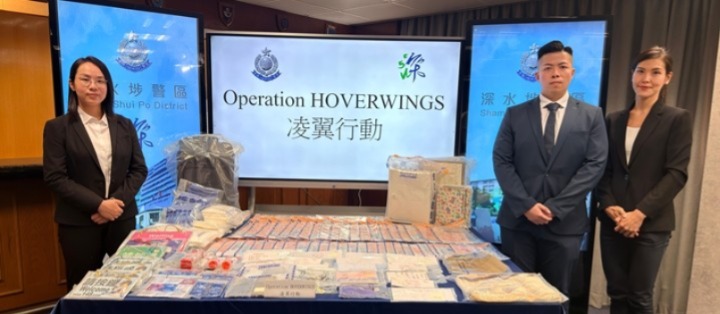
Hong Kong police have arrested 20 people suspected of running a sex trafficking network that allegedly lured Southeast Asian women to the city with promises of covered travel costs, then forced them to provide dozens of sexual services without payment. Investigators say the syndicate operated suspected brothels in subdivided flats and laundered more than HK$10 million through bank accounts linked to its members.
The investigation, led by Sham Shui Po District Police, uncovered an alleged recruitment system that relied on contacts within Southeast Asian communities. Women were reportedly offered financial assistance with travel and accommodation, making it easier for them to come to Hong Kong. But after arriving, they allegedly discovered that the arrangement required them to work without pay before they could earn any money.
According to police findings, each woman was expected to provide between 30 and 45 unpaid sexual services to settle her travel debt. Even after completing that requirement, she would have to share her earnings with the syndicate.
The case has led to charges against two alleged key members for trafficking persons to or from Hong Kong and living on the earnings of the prostitution of others. Their cases were heard at West Kowloon Magistrates’ Courts on Tuesday morning. Police say the investigation remains active, and further arrests are possible.
How the Alleged Sex Trafficking Network Recruited Women
Police said the suspected syndicate used a network of contacts in Southeast Asia to recruit women and arrange their journeys to Hong Kong. By offering to cover travel and accommodation expenses, recruiters allegedly made the opportunity appear financially manageable for women who might otherwise have struggled to pay for relocation.
The arrangement reportedly changed once the women reached Hong Kong. Instead of immediately receiving payment for their work, they were allegedly required to provide between 30 and 45 sexual services without compensation.
This requirement placed the women under an immediate financial obligation. Their ability to earn money depended on first completing the services demanded by the syndicate. After that, they could begin receiving income, although a portion would still go to the people running the operation.
Such arrangements can create serious risks for people recruited to work abroad. When recruiters control accommodation, impose travel debts and dictate how workers earn money, those workers may find it difficult to leave or challenge the conditions.
The police findings suggest that recruitment, accommodation and the collection of prostitution earnings were connected parts of the alleged operation. However, authorities have not disclosed the nationalities of all the women involved, the total number of potential victims or whether every woman was subjected to the same conditions.
These details will help establish the scale of the alleged exploitation and the responsibilities of individual suspects as the investigation progresses.
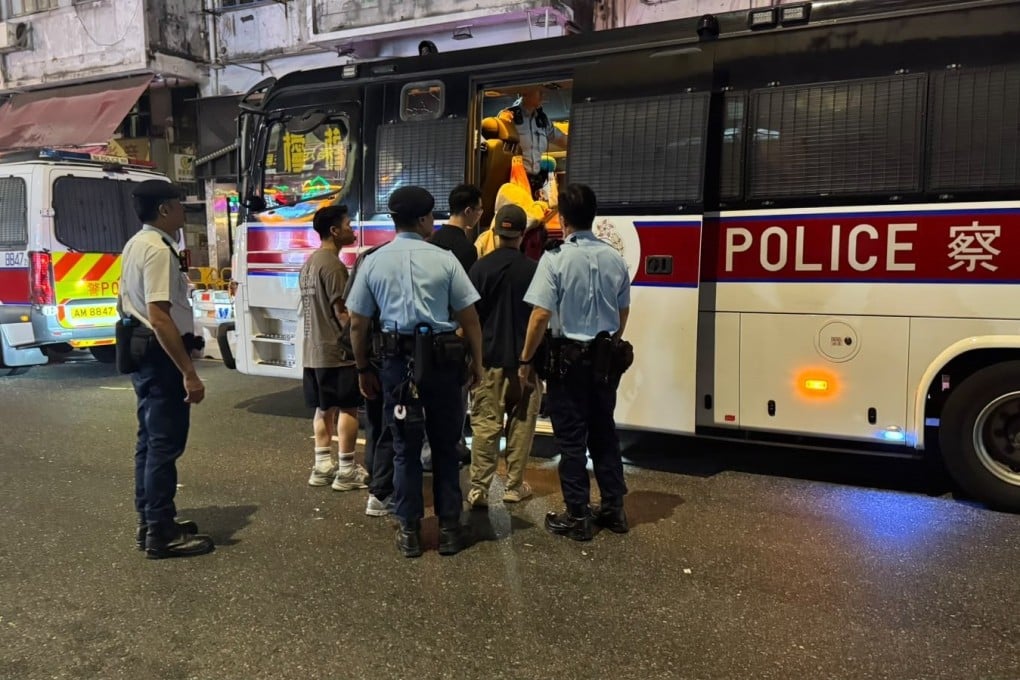
Three Flats in Sham Shui Po and Tsuen Wan Allegedly Used as Brothels
Investigators found that the syndicate rented three units in tenement buildings in Sham Shui Po and Tsuen Wan. Police said the units were converted into subdivided flats and used to operate brothels.
The discovery suggests that the alleged operation involved multiple premises rather than a single location. Investigators are examining how the properties were rented, who managed the premises and how money collected from the prostitution business was distributed.
Sham Shui Po District Police led the operation, while the discovery of premises in Tsuen Wan indicates that the suspected activities extended beyond one district.
Subdivided flats are common in Hong Kong's densely populated residential areas, where larger units may be divided into smaller living spaces. Their use does not, by itself, indicate criminal activity. In this case, however, police identified three rented units as part of the suspected prostitution network.
The properties may provide investigators with evidence about how the operation functioned, including records relating to rental agreements, the people who had access to the premises and possible links between those managing the locations.
Police have not disclosed how long the three units were used, how many women stayed at each property or whether other premises were involved.
The two suspects charged so far face allegations relating to human trafficking and profiting from the prostitution of others. The charges remain allegations, and the defendants' guilt has not been established.
Police Freeze More Than HK$10 Million in Suspected Criminal Proceeds
The investigation has also uncovered a substantial financial trail. Police froze more than HK$10 million in suspected criminal proceeds after examining how the syndicate allegedly collected and transferred money.
According to investigators, key members deposited earnings from prostitution into bank accounts belonging to other members. These accounts had reportedly been used to launder more than HK$10 million over several years.
The alleged transfers are now a major focus of the investigation. By examining account activity and tracing where the money went, police hope to identify the people who controlled the funds and determine whether additional individuals helped manage the operation.
Using accounts held by other people can complicate efforts to establish who owns money and where it originated. Investigators may examine transaction records, account holders' relationships with suspects and the movement of funds between different accounts to build a clearer picture of the alleged financial network.
Freezing suspected criminal proceeds can prevent funds from being moved while an investigation continues. However, a freeze does not automatically mean the money has been permanently confiscated or that every transaction has been proven to involve criminal activity.
Police have not identified the banks involved or provided a breakdown of the suspected proceeds. It is also unclear how much money was recovered directly from the premises.
Authorities say they will continue tracing the funds and searching for other suspected members who remain at large. Further arrests have not been ruled out.
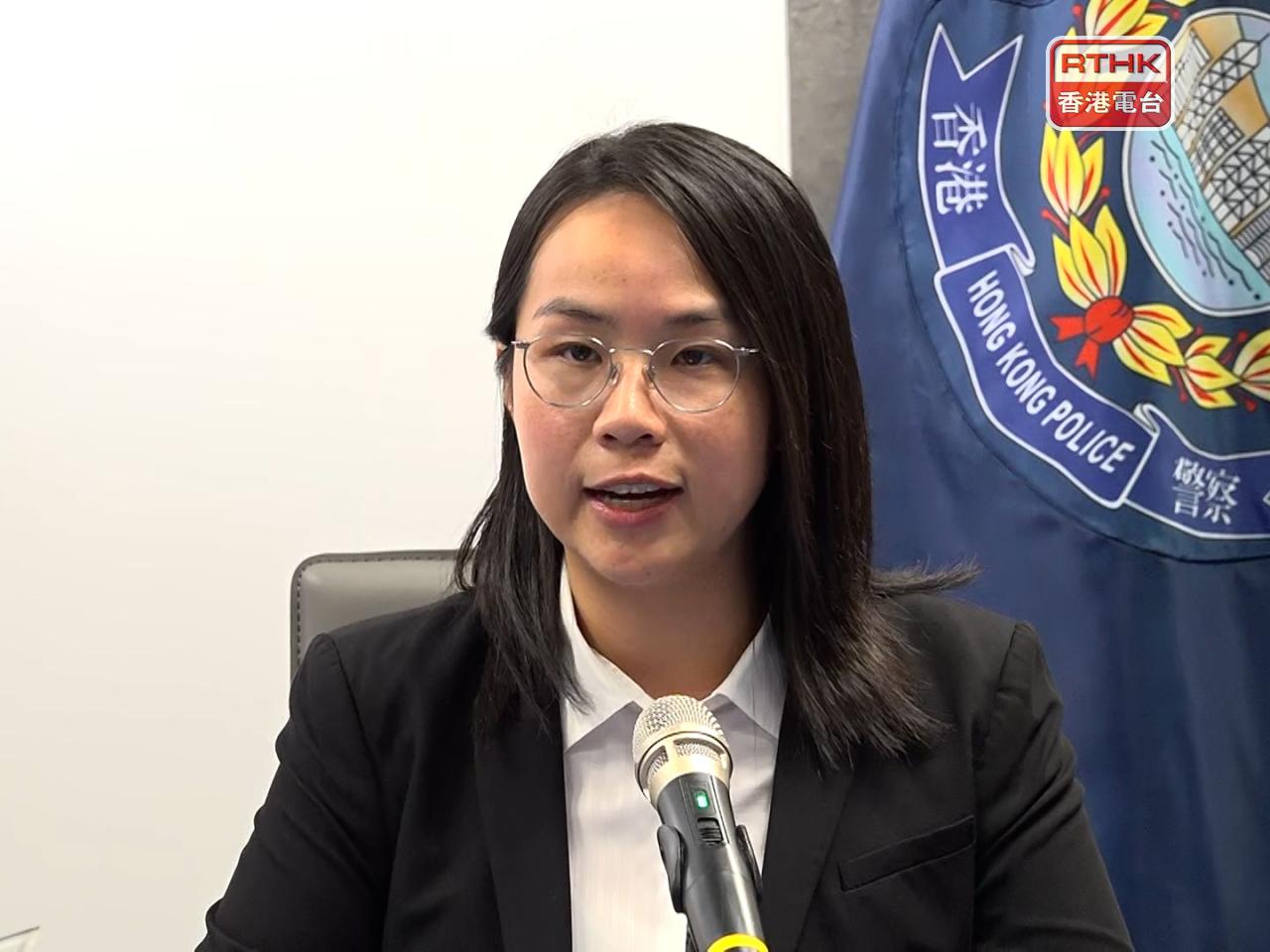
Two Suspects Face Human Trafficking Charges
Two alleged key members of the syndicate have been charged with trafficking persons to or from Hong Kong and living on the earnings of the prostitution of others.
Their cases were heard at West Kowloon Magistrates’ Courts on Tuesday morning. Police have not publicly provided a complete breakdown of the legal status of all 20 people arrested during the operation.
The distinction between arrest and charge is important. An arrest means that police suspect a person of involvement in an offence, while a charge formally sets out an allegation that must be addressed through the legal process.
Investigators must establish the role played by each suspect, including whether individuals were involved in recruitment, managing the alleged brothels, collecting earnings or transferring money.
Evidence from the women, rental records, communications and bank transactions may help establish how the suspected network operated. Information gathered in Hong Kong may also need to be considered alongside evidence about recruitment and travel arrangements in Southeast Asia.
Police have not said how many potential victims have been identified or whether investigators believe the network recruited women from more than one country.
Those unanswered questions will be important in assessing the extent of the alleged trafficking operation and determining whether more people may have been involved.
Investigation Continues as Police Search for More Suspects
The arrests mark a significant development in the investigation, but police have made clear that their work is not finished.
Officers are continuing to trace the movement of suspected criminal proceeds and look for members of the network who remain at large. Further arrests could follow if investigators identify additional suspects or uncover evidence connecting more people to the alleged operation.
The inquiry has two closely related aims: establishing whether women were trafficked and exploited, and identifying the people who allegedly profited from the operation. Financial records may help reveal who received the money, while evidence about recruitment and working conditions may clarify how the women were brought to Hong Kong and what happened after they arrived.
For potential victims, the reported requirement to provide dozens of unpaid sexual services raises serious concerns about financial coercion and freedom to leave. Authorities have not yet released enough information to determine the circumstances of every woman involved.
The investigation could also reveal whether the alleged recruitment network extended further across Southeast Asia or whether other properties and financial accounts were used.
With 20 arrests, charges against two alleged key members and more than HK$10 million in suspected proceeds frozen, police are continuing to pursue both the people behind the alleged exploitation and the money connected to it.
Do you think stronger cross border cooperation and financial investigations can help Hong Kong police dismantle human trafficking networks? Share your views and follow the latest Hong Kong crime news for further updates.