

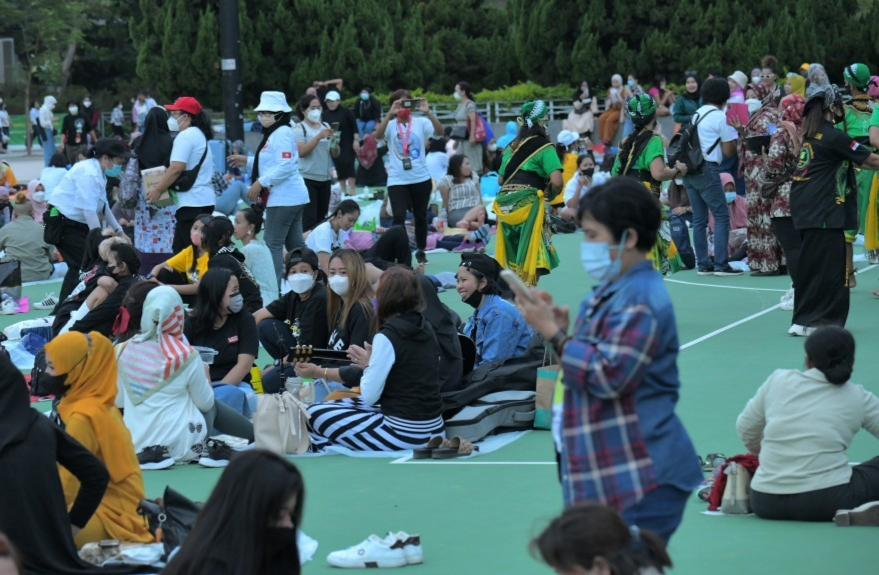
Hong Kong has raised the minimum monthly wage for foreign domestic workers by 2.35 per cent to HK$5,220, but migrant worker groups say the increase falls well short of what workers need to meet the city’s rising living costs.
The new rate, announced by the Hong Kong government on Friday, increases the minimum wage from HK$5,100 by HK$120 a month. It will apply to employment contracts signed on or after October 3.
The government also confirmed that the minimum monthly food allowance for foreign domestic workers will remain at HK$1,236. Employers must provide free meals or pay the allowance to workers instead.
The decision affects more than 380,000 foreign domestic workers in Hong Kong, many of whom are employed as live in helpers providing childcare, elderly care, cooking and household services.
Government Sets New Wage at HK$5,220
The 2.35 per cent increase follows an annual review of the minimum allowable wage for foreign domestic workers. Last year, the government raised the rate by 2.2 per cent.
Officials said they considered views from both employers and domestic workers before deciding on the latest adjustment. The government also said this year’s economic and social conditions were more favourable than those considered during last year’s review.
“This year’s socio economic factors are more favourable than those at the time of last year’s review,” a government spokesperson said.
The annual review takes into account several factors, including Hong Kong’s economic performance, labour market conditions, employers’ ability to afford higher wages and the basic living needs of foreign domestic workers.
The government normally announces the adjustment in September. This year’s decision came later than usual after the review was delayed.
Despite the increase, the new wage remains considerably below the amount migrant worker organisations have been seeking.

Worker Groups Wanted a 21% Increase
The Asian Migrants Coordinating Body, or AMCB, had called for the minimum monthly wage to rise to HK$6,172.
That figure represents an increase of about 21 per cent from the previous HK$5,100 minimum. The group has argued that a much larger adjustment is needed to reflect the cost of living faced by workers in Hong Kong.
AMCB spokesperson Sringatin said the HK$120 increase reflected years of organising and collective efforts by migrant workers in the city. However, she said the new wage still falls considerably below the HK$6,172 figure the group considers a living wage.
“The HK$5,220 is far from the HK$6,172 living wage in Hong Kong,” Sringatin said.
She also criticised the size of the increase, arguing that it would provide only limited financial relief to workers dealing with higher living expenses.
“The piecemeal increase will give a very little relief with our long standing sufferings and burden because of the rapid increase of inflation and standard living [in Hong Kong],” she said.
Her comments reflect a wider concern among migrant worker organisations that official wage adjustments have not kept pace with the costs workers face while living and working in Hong Kong.
Food Allowance Remains Unchanged
The wage increase was accompanied by no change to the monthly food allowance.
Under Hong Kong’s employment rules, employers must provide free food to foreign domestic workers. When an employer does not provide meals, the employer must instead pay the prescribed food allowance.
That allowance will remain at HK$1,236 per month.
AMCB has called for the amount to be increased to HK$3,123, more than double the current figure. The proposed amount would work out at roughly HK$100 a day for food.
Sringatin said keeping the allowance unchanged would place additional pressure on workers who do not receive meals from their employers.
“While no increase in food allowance will mean more expenses and loss in the wage of [domestic workers] who have no food at employer’s house,” she said.
The difference between the existing allowance and the amount sought by the AMCB is HK$1,887 per month. For workers who rely on the allowance to cover their meals, that gap can represent a significant share of their monthly income.
More Than 380,000 Workers Affected
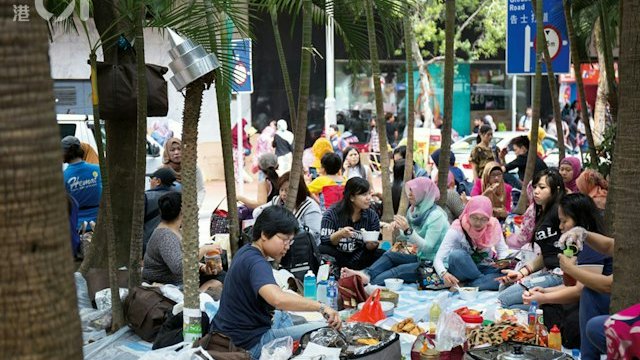
Foreign domestic workers form a large part of Hong Kong’s migrant workforce. More than 380,000 workers are employed in households across the city, performing work that ranges from domestic cleaning and cooking to caring for children and older family members.
Most foreign domestic workers are employed under contracts that require them to live in their employer’s home. Their employment conditions are therefore closely tied to both their wages and the benefits employers are required to provide.
The minimum allowable wage is not simply a recommended salary. It establishes the minimum amount an employer can agree to pay a foreign domestic worker under a new contract.
The government’s latest decision therefore affects workers entering new contracts or renewing their existing employment arrangements, with the new HK$5,220 rate applying to contracts signed from October 3.
Existing contracts are generally governed by the wage conditions applicable when they were signed, subject to Hong Kong’s employment rules and contract requirements.
Government Balances Workers’ Needs and Employer Costs
The government said its annual review considers both workers’ needs and employers’ ability to pay.
Officials examine economic conditions, the labour market and broader social and economic indicators before setting the minimum allowable wage.
That approach places the wage review at the intersection of two competing financial pressures. Domestic workers and their representative organisations have pushed for substantial increases to reflect living costs, while employers face their own household expenses and financial constraints.
The latest decision indicates that the government did not adopt the migrant worker organisations’ proposed 21 per cent increase.
Instead, it opted for a modest adjustment broadly similar to last year’s increase.
The difference between the government’s new minimum and the AMCB’s proposed living wage is HK$952 per month. The gap is even wider when the food allowance is considered, with the group seeking an increase from HK$1,236 to HK$3,123.
Delayed Review Draws Attention to Wage Debate
The wage announcement also follows a delay in this year’s review.
The government traditionally announces the adjustment in September, but officials did not immediately release the new rate as expected. The delay prompted questions from migrant worker advocates about when the decision would be announced.
The eventual figure has now provided clarity for employers and workers entering new contracts from October 3, but it has also renewed debate over whether annual wage adjustments adequately reflect changes in household expenses and living costs.
For migrant worker organisations, the issue extends beyond the HK$120 increase. Their demands include a substantially higher basic wage and a larger food allowance for workers whose employers do not provide meals.
For the government, the annual review remains tied to a broader assessment of Hong Kong’s economic conditions, labour market and the affordability of employment for households.
The new HK$5,220 minimum wage will now set the floor for eligible new contracts. But with worker organisations continuing to call for HK$6,172 in monthly pay and HK$3,123 for food, the gap between the official rate and the demands of migrant worker advocates remains clear.
Do you think Hong Kong’s new minimum wage adequately reflects the living costs faced by foreign domestic workers?