

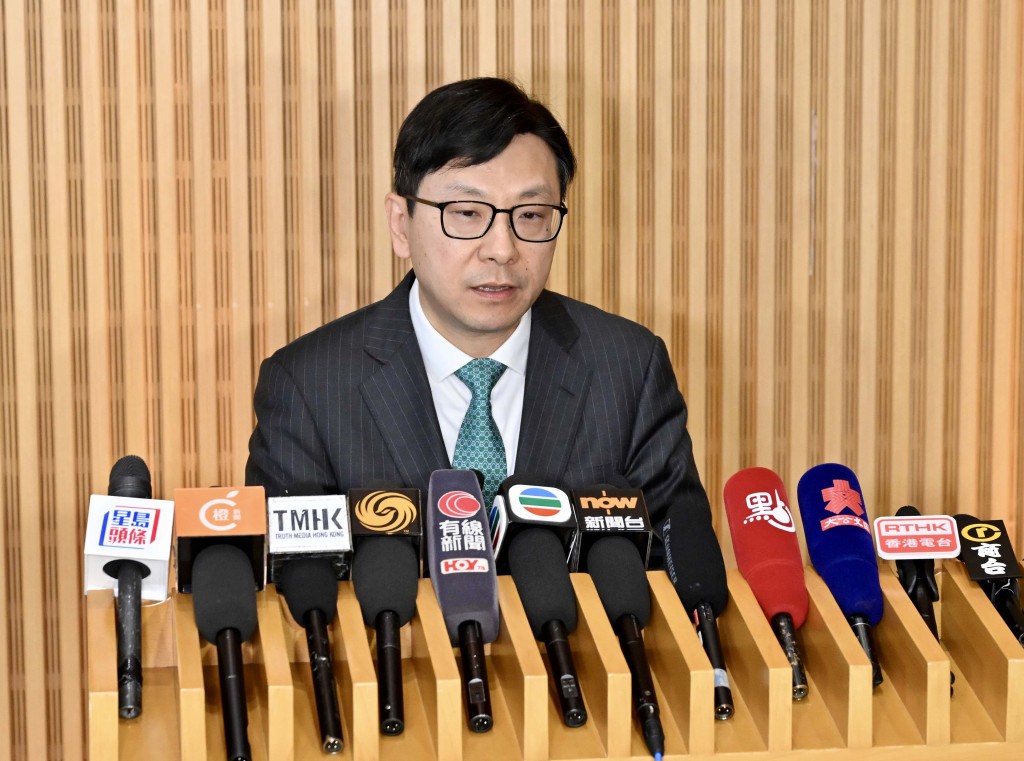
Hong Kong authorities are reviewing the welfare payments received by a family under investigation for suspected child neglect in Tuen Mun, with Labour and Welfare Secretary Chris Sun Yuk-han warning that suspected fraudulent claims could be referred to police for criminal investigation. Meanwhile, the government is arranging residential care for the family’s three children after their hospital discharge, as social workers assess whether their home environment is safe.
The case has triggered widespread public concern after footage circulated online showing a 10-year-old girl carrying two heavy plastic bags filled with canned beer at Fu Tai Estate in Tuen Mun. The incident prompted questions about the children’s living conditions and the family’s reported reliance on public assistance.
The controversy intensified after the girl’s mother reportedly told the media that the family received Comprehensive Social Security Assistance (CSSA) while taking several overseas holidays each year. The claims prompted public discussion about whether the family’s reported spending was consistent with its welfare eligibility.
Sun said the Social Welfare Department was examining the family’s assistance records. He stressed that officials would follow established procedures and take appropriate action if the investigation uncovered false declarations, breaches of eligibility rules or other irregularities.
Hong Kong Officials Examine Family’s CSSA Claims
The government’s review focuses on whether the family received public assistance in accordance with the rules governing Hong Kong’s social security system.
CSSA provides financial support to eligible individuals and families who cannot meet their basic living needs. Applicants must satisfy the scheme’s applicable requirements, and authorities can investigate cases in which information provided to the department raises concerns about eligibility or compliance.
Sun acknowledged the public attention surrounding the family’s reported financial circumstances. He said the government takes the protection of public funds seriously and would not overlook evidence of abuse of the welfare system.
If the department identifies discrepancies in the family’s declarations or finds that assistance was obtained improperly, officials will respond under the relevant regulations. Where the evidence suggests serious misconduct or suspected welfare fraud, the case may be referred to the police for further investigation.
However, the reported holidays and the family’s receipt of CSSA do not, by themselves, establish that a criminal offence has occurred. Any finding of wrongdoing must depend on the relevant eligibility rules, the family’s circumstances and the evidence gathered by investigators.
The department’s review is therefore separate from the investigation into the alleged treatment of the children. The two matters raise different questions: whether the family complied with welfare requirements and whether the children were adequately cared for at home.
The outcome of the financial review could determine whether the department takes administrative action or refers suspected offences to law enforcement. Until the investigation establishes the facts, allegations concerning the family’s use of public money should not be treated as proven fraud.
Three Children to Enter Residential Care After Hospital Discharge
While officials examine the family’s welfare claims, the immediate priority is to establish safe living arrangements for the three siblings.
Sun said the 10-year-old girl, her younger brother and her younger sister were undergoing medical examinations in hospital. They were expected to leave hospital within days, after which authorities planned to place them in residential care rather than return them immediately to the family home.
The arrangement is intended to provide the children with supervision while social workers assess their circumstances and determine what support or protection they need.
Sun acknowledged that the siblings might not be placed in the same residential institution. Care facilities must consider factors such as the children’s ages, available places and operational requirements when deciding where they can be accommodated.
Although separate placements remain possible, officials will need to assess the children's individual needs and consider their relationship as siblings when making arrangements.
Residential care would allow professionals to monitor the children’s welfare while the department investigates the concerns surrounding their home environment. Social workers will also need to establish whether the parents can provide appropriate care and whether any risks would remain if the children returned home.
The decision to arrange residential placement does not, on its own, determine the outcome of the child neglect investigation. It reflects the authorities’ stated position that an immediate return home is not considered appropriate while the assessment continues.
Further decisions will depend on the evidence collected by social workers and other professionals involved in the case.
Multidisciplinary Conference to Assess Long-Term Protection
The Social Welfare Department will convene a multidisciplinary case conference to examine the suspected child abuse concerns and recommend an appropriate course of action.
The meeting will bring together relevant professionals to assess the family’s circumstances, the children’s needs and the parents’ ability to provide suitable care. The department expects the conference to produce initial recommendations within one to two weeks.
The assessment will consider whether the children can safely return to their family home or require continued protection outside it. Officials will also need to determine what arrangements would best support their welfare in the longer term.
Sun said the final decision would depend on the findings of the assessment rather than a predetermined outcome.
If professionals conclude that the home environment remains unsuitable or presents risks to the children, the department may apply to the court for a care or protection order. Such an application would allow the court to consider whether formal legal measures are necessary to safeguard the siblings.
Until the conference reaches its recommendations and the authorities determine the next steps, the children are expected to remain in residential facilities.
The assessment will be important in deciding whether temporary arrangements are sufficient or whether longer-term intervention is required. It will also help officials identify the care, supervision and support needed by each child.
The one-to-two-week timeframe refers to the expected initial recommendations, not necessarily the completion of every investigation or the final resolution of the family’s circumstances.

Online Video Triggers Public Concern and Police Action
The case came to wider public attention after video footage showed the 10-year-old primary school pupil carrying two heavy plastic bags containing canned beer at Fu Tai Estate.
The footage prompted questions about why a child of her age was handling the bags and whether the circumstances reflected wider concerns about her care. Subsequent attention focused on the family after the mother’s reported comments about receiving CSSA and taking overseas holidays.
Police later arrested both parents on suspicion of ill-treatment or neglect of a child or young person under their care.
The arrests represent an investigative step and do not establish guilt. The allegations must be examined through the relevant legal process, with the evidence determining whether further action is justified.
The case has since developed along two parallel tracks. Police are investigating the suspected ill-treatment or neglect, while the Social Welfare Department is assessing the children’s safety and reviewing the family’s assistance records.
These processes serve different purposes. The police investigation concerns possible criminal conduct, while social workers must assess the children’s immediate protection needs and determine what living arrangements would be appropriate. The welfare review will establish whether the family complied with the conditions governing its financial assistance.
The authorities have not announced a final determination on the family’s welfare eligibility or the long-term placement of the children in the information provided.
What Happens Next in the Tuen Mun Case?
The next steps will depend on the findings of the separate investigations and the multidisciplinary assessment.
The Social Welfare Department will continue reviewing the family’s assistance records and may refer suspected fraud to police if evidence warrants criminal investigation. Social workers will assess the siblings’ circumstances and make recommendations about their future care, while police will continue examining the allegations against the parents.
If the case conference identifies continuing risks at home, the department may seek a court order to protect the children. If the assessment supports a different arrangement, officials will need to determine how the siblings can be cared for safely.
The case has also raised wider questions about public confidence in welfare assistance and the protection of vulnerable children. Those concerns can be addressed only through a careful examination of the evidence, fair enforcement of welfare rules and decisions that place the children’s safety first.
Should the authorities strengthen welfare eligibility checks alongside child protection measures to prevent similar cases?