

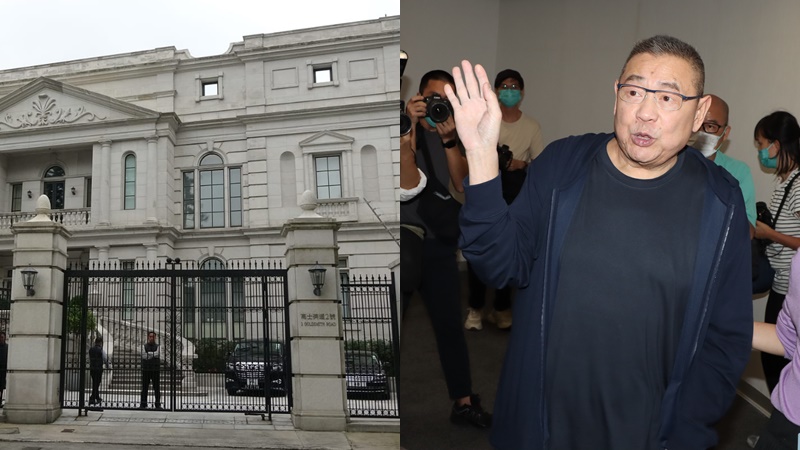
A Hong Kong swimming coach has faced a wave of online criticism after posting photos and videos from a private swimming lesson at a wealthy client’s home, including footage of the property and comments about waiting for her student.
The coach uploaded the material to social media on Saturday, September 19, describing the visit as a “day of teaching swimming at a client’s home”. Her post showed parts of the journey to the property, the entrance, a private infinity pool and sections of the surrounding grounds.
What began as a social media update quickly turned into a privacy controversy after viewers scrutinised the footage and claimed that the property belonged to billionaire businessman Joseph Lau Luen Hung.
The coach later removed the original post and videos, but screenshots and copies had already circulated on social media and discussion forums.
Coach documents private swimming lesson
The material posted by the coach showed several stages of her visit to the client’s residence.
The footage included her travelling to the property, walking uphill towards the entrance and waiting near a private swimming pool. Other images showed the entrance area, a security booth, landscaped grounds and two members of staff.
The coach also provided a running commentary about the visit.
Describing herself as a “hiking coach + professional patience officer”, she referred to the student as the “young miss” and complained about having to wait before the lesson could begin.
In one comment, she wrote that she was “waiting for the young miss”, adding that the student could take her time changing, preparing her belongings and coming outside.
The remarks became a central part of the online reaction.
Rather than focusing only on the unusual setting of the lesson, users questioned the decision to publicly discuss a client and record parts of the client’s private residence. The fact that the material was connected to a high profile individual added further attention to the post.

Online users identify the property
The controversy intensified after some social media users claimed they had identified the residence shown in the footage as a mansion associated with Joseph Lau in Jardine’s Lookout.
According to those users, details visible in the videos appeared to correspond with the property, including a house number, stone pillars, architectural features and the surrounding environment.
These identifications were made by members of the public online. The coach’s original post itself described the location only as a client’s home, and the online claims about the identity of the property became part of the wider discussion after the footage was published.
The attention raised a separate question about how much information a professional should reveal when working inside a private residence.
Even without naming a client, photographs of entrances, gardens and other recognisable features can potentially make a property easier for outsiders to identify. In this case, viewers actively examined the footage and attempted to match what they saw with publicly available information.
That process helped turn an otherwise ordinary account of a swimming lesson into a much larger online discussion.
Privacy concerns dominate criticism
Many of the critical comments focused on client confidentiality and professional judgement.
Users argued that a coach visiting a private residence should exercise particular care before publishing photographs or videos from the property. The concerns became more pronounced because the material appeared to show areas beyond the swimming pool itself.
Some commenters also questioned the decision to post sarcastic remarks about the student while describing the visit.
For a professional providing a private service, the relationship with a client often extends beyond the actual lesson. A coach may be given access to a home, private facilities or information that would not ordinarily be available to members of the public.
That access can create expectations about discretion, even when no formal confidentiality agreement has been publicly disclosed.
The controversy also raised concerns about security.
Some users pointed to the footage showing the entrance, surrounding grounds and other identifiable features of the property. They argued that publishing such material could provide unnecessary information about a private residence, particularly when the client is a well known and wealthy individual.
Those concerns were expressed by netizens following the incident. There has been no public indication in the material provided that the coach intended to create a security risk.
Deleted post continues to circulate
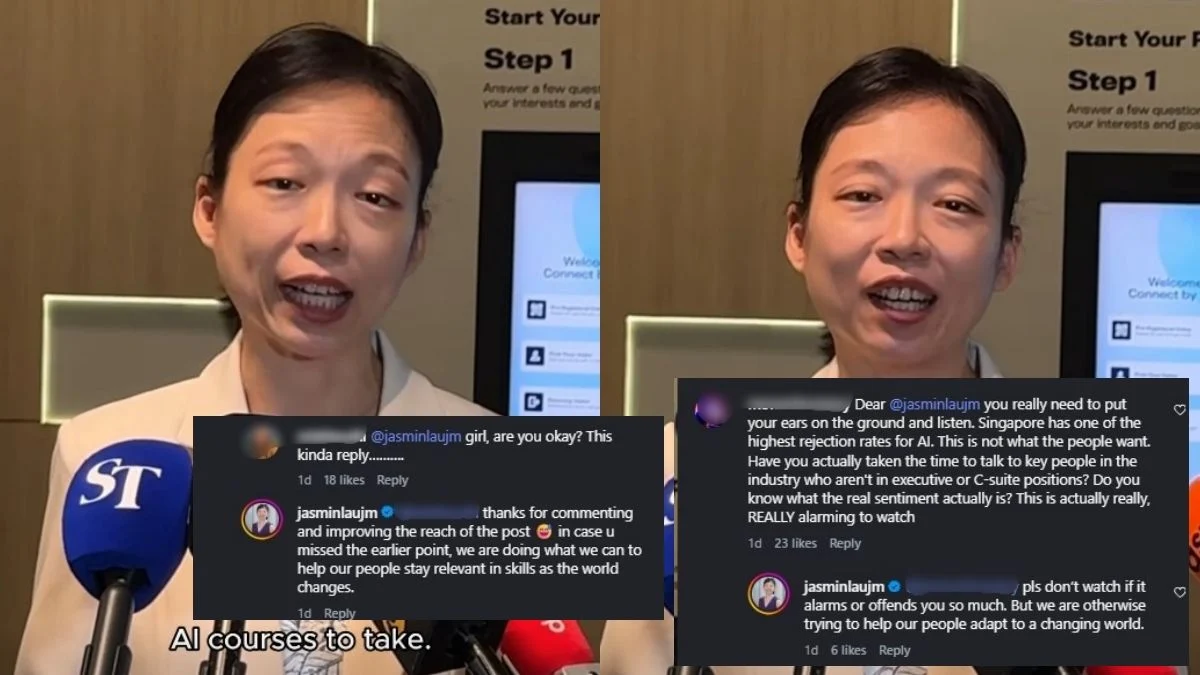
The coach eventually deleted the social media post and videos after criticism began to build.
By then, however, copies had already been saved and redistributed. Screenshots and excerpts continued to appear on other platforms and discussion forums, allowing the controversy to continue after the original material disappeared.
The episode illustrates one of the problems with posting information about private clients online. Removing the original material does not necessarily remove the information once other users have copied it.
Several commenters mocked the coach for what they saw as a professional mistake, with some joking that she had “ruined her own rice bowl”, a reference to potentially damaging her own livelihood.
Others speculated that wealthy clients might become more cautious about hiring her after seeing the incident.
Those claims remain speculation. There is no publicly established evidence in the supplied material that the coach lost clients or business as a direct result of the controversy.
A lesson in professional discretion
The incident has continued to attract discussion because it combines several issues that are increasingly common on social media: private client information, location sharing, professional boundaries and the speed at which online users can identify a place from seemingly minor details.
For coaches, tutors, domestic service providers and other professionals who work inside clients’ homes, the distinction between a personal social media post and information about a client can become particularly important.
A photograph of a swimming pool may appear harmless on its own. When combined with an entrance, architectural details, a house number and information about who lives there, however, the same post can reveal far more than intended.
The incident also shows how quickly online audiences can reconstruct information from visual clues. Once users began examining the footage, details that had not been explicitly identified in the original post became the basis for speculation about the property.
The coach has since removed the original content, but copies remain in circulation.
For professionals working with private clients, the practical lesson is straightforward: obtain permission before posting identifiable images from a client’s home, avoid revealing location or security details, and keep complaints about clients away from public social media.
Do you think professionals should need a client’s permission before posting any identifiable images from a private home?