

Hong Kong is preparing to build a bigger and more predictable calendar of major tourism events after the government agreed to make additional annual funding for flagship events permanent.
The move gives the Hong Kong Tourism Board greater certainty to plan international marketing campaigns, develop large scale events and promote the city months or even years in advance, according to Permanent Secretary for Culture, Sports and Tourism Vivian Sum Fong kwang.
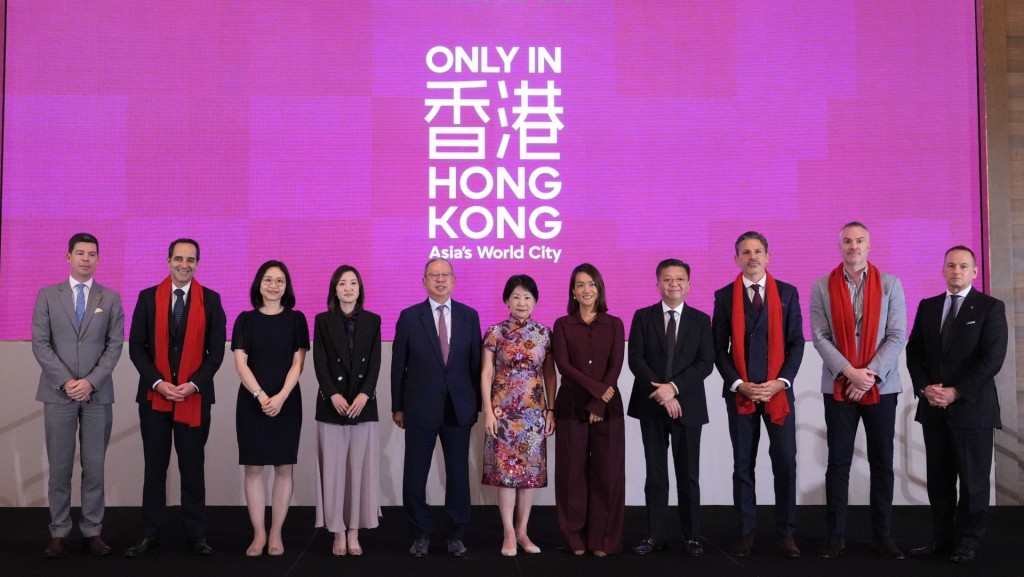
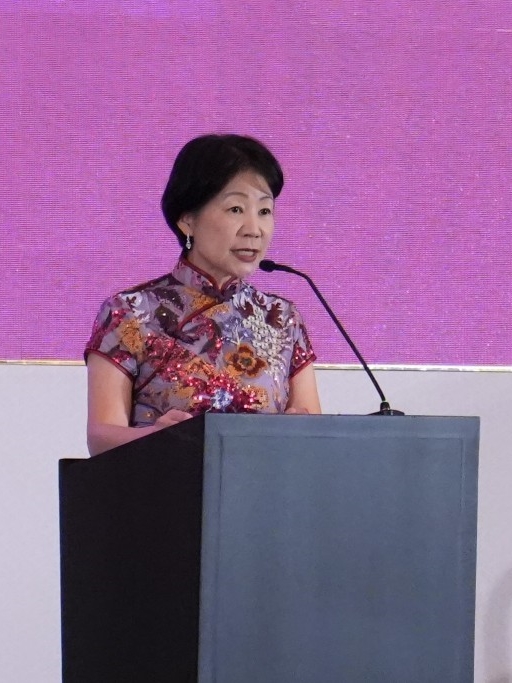
Speaking on Wednesday at an HKTB reception celebrating achievements across Hong Kong’s tourism and hotel industries, Sum said the new funding arrangement would allow the Tourism Board to take a longer term approach to promoting Hong Kong as an international tourism destination.
The announcement comes as Hong Kong competes with other major Asian destinations for international travelers. From cultural festivals and sporting events to food, wine and entertainment, cities across the region are offering visitors more reasons to travel.
Hong Kong now wants to make sure its own calendar gives travelers reasons not only to visit, but also to stay longer.
Hong Kong plans a year round tourism calendar
Under the latest Policy Address, additional annual funding for flagship events will be regularized, giving the Hong Kong Tourism Board more financial certainty when developing future tourism campaigns.
The government also plans to organize Hong Kong’s annual mega event programme around three major seasons.
The International Arts Season will run from February to May, followed by the Chinese Arts Season from June to September. The Festive Mega Events Season will then run from October through the following February.
The structure effectively gives Hong Kong a continuous tourism calendar covering much of the year.
For visitors, that could mean more opportunities to plan trips around major cultural, sporting, entertainment and food events. For hotels, restaurants and other tourism businesses, it could create a more consistent flow of potential customers.
Sum said the broader aim was to encourage visitors to remain in Hong Kong for longer periods and spend more across the tourism and hospitality sectors.
That goal matters because the economic benefit of tourism does not stop when a visitor arrives at a hotel. Longer stays can mean additional restaurant meals, shopping trips, entertainment, cultural experiences and visits to attractions.
Why major events matter to Hong Kong tourism
Large events can give travelers a specific reason to choose one destination over another.
A visitor who might not otherwise plan a trip to Hong Kong could decide to come because of an international arts programme, sporting event, food festival or seasonal celebration.
Once in the city, that visitor can experience other attractions and activities.
The Tourism Board's new approach appears designed to connect these experiences rather than promote individual events as separate occasions.
The timing of major events will also allow the HKTB to build campaigns further in advance. International visitors often organize flights and hotel bookings months before traveling, particularly when a trip is built around a major event.
More predictable funding can therefore give the Tourism Board greater room to promote Hong Kong internationally before visitors make those decisions.
Hong Kong faces tougher regional competition
HKTB chairman Peter Lam Kin ngok said changing visitor expectations and growing competition across the region were putting pressure on the tourism industry to improve.
Travelers today have a wide range of destinations to choose from. Asian cities are investing in cultural events, food festivals, sporting competitions and entertainment programmes to attract international visitors.
Lam said Hong Kong's tourism industry needed to continue improving its offerings and work more closely across different sectors.
The objective is not simply to attract first time visitors. It is also to give travelers reasons to return.
The coming event schedule illustrates the approach.
The Hong Kong Cyclothon is scheduled for Sunday, followed by Hong Kong Halloween Month and the Hong Kong Wine and Dine Festival.
Each event appeals to a different audience.
Sporting events can attract active travelers and cycling enthusiasts. Halloween activities can appeal to younger visitors and families, while the Wine and Dine Festival connects Hong Kong's tourism offer with its established food and hospitality scene.
Together, events like these can help create a fuller picture of Hong Kong as a destination.
International recognition gives Hong Kong another advantage
Hong Kong's tourism industry also has another asset to promote: its growing presence in international rankings.
Sum highlighted the inclusion of five Hong Kong hotels in this year's The World's 50 Best Hotels list.
Rosewood Hong Kong took the top position for the second consecutive year, giving the city one of its strongest recent achievements in international hotel rankings.
Hong Kong's restaurants and bars also received recognition in international culinary rankings, while Hong Kong based carrier Cathay Pacific ranked highly in global aviation ratings.
These achievements cover several important parts of the visitor experience.
A traveler needs a way to reach Hong Kong, somewhere to stay and places to eat and explore. Strong international recognition across aviation, hotels and restaurants gives the city additional material for its global tourism marketing.
Sum said these results were not coincidental. She attributed them to the industry's continued focus on quality and said they reinforced Hong Kong's position as a leading international tourism destination.
For the HKTB, such recognition can also become part of the story it tells potential visitors overseas.
A city known for internationally recognized hotels, restaurants and airlines has more opportunities to attract travelers who are looking for a high quality tourism experience.
Tourism industry workers remain at the center
Sonia Cheng Chi man, chief executive of Rosewood Hotel Group, focused on another part of Hong Kong's tourism success: the people working behind it.
Cheng credited the tens of thousands of employees across the industry for helping Hong Kong earn international recognition.
She also called for continued investment in young talent.
Her message reflects a simple reality of hospitality. Hotels and restaurants may invest heavily in facilities, design and technology, but visitors still interact with people.
From the receptionist welcoming a guest to the restaurant worker serving a meal, staff shape much of the experience that visitors remember after leaving.
“After all, people make the place,” Cheng said.
She added that genuine human connections and cultural exchange remained at the heart of hospitality.
That focus on people could become increasingly important as Hong Kong expands its event calendar. Major events bring additional visitors, but they also create greater demand for workers across hotels, restaurants, transportation, entertainment and other tourism related businesses.
What the new funding could mean for visitors
The permanent funding arrangement gives the Hong Kong Tourism Board greater certainty when planning flagship events and international marketing campaigns.
The three seasonal event periods provide a framework for keeping major activities on the tourism calendar throughout the year.
The strategy also gives Hong Kong an opportunity to connect its international reputation in hotels, restaurants and aviation with major cultural and entertainment events.
The immediate test will come through the events already scheduled.
The Hong Kong Cyclothon will be followed by Hong Kong Halloween Month and the Hong Kong Wine and Dine Festival. Each event offers the Tourism Board another opportunity to attract visitors and encourage them to explore more of the city.
The larger ambition is clear: make Hong Kong a destination where a visitor can find something worth planning a trip around in almost every season.
For hotels, restaurants and tourism businesses, the success of that strategy could depend on whether those events translate into longer stays and greater visitor spending.
For travelers, the question is simpler.
Would Hong Kong's expanding calendar of cultural, sporting and food events make you stay longer on your next visit?