

By Sarah Chan
Hong Kong’s roads remained largely manageable on Tuesday morning as students returned to school for the start of the new academic year, with the Transport Department deploying additional staff and raising its emergency coordination arrangements to closely monitor traffic and public transport services across the city.
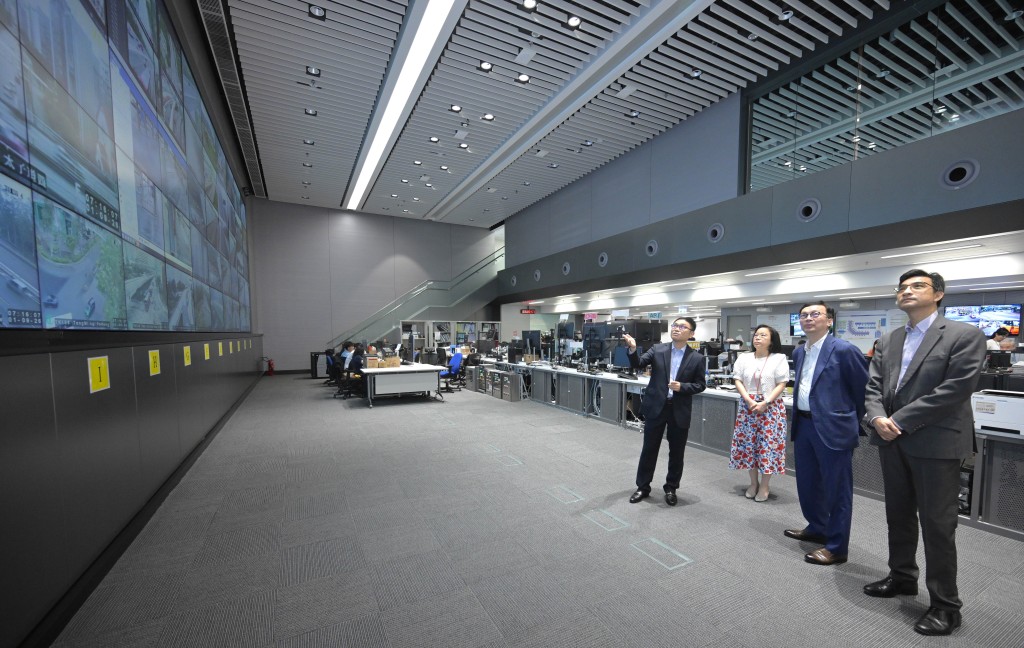
The department activated its Emergency Transport Coordination Centre under Joint Steering Mode from 6.30am, placing the city’s transport network under its highest level of operational monitoring during the morning rush.
The move was aimed at allowing officials to respond quickly to congestion, service disruptions or sudden changes in passenger demand as thousands of students and parents made their way to schools across the territory.
Acting Secretary for Transport and Logistics Liu Chun san visited the centre in the morning to receive a briefing on the department’s work with police and major public transport operators. Commissioner for Transport Winnie Tse Wing yee accompanied Liu during the visit.
Officials also reviewed contingency arrangements for adverse weather, which can quickly affect road conditions and public transport operations in Hong Kong.
Public transport meets morning demand
Liu said railway services, franchised buses and ferries were operating normally during the morning peak. Special public transport routes serving school districts also resumed operations as students returned to classrooms.
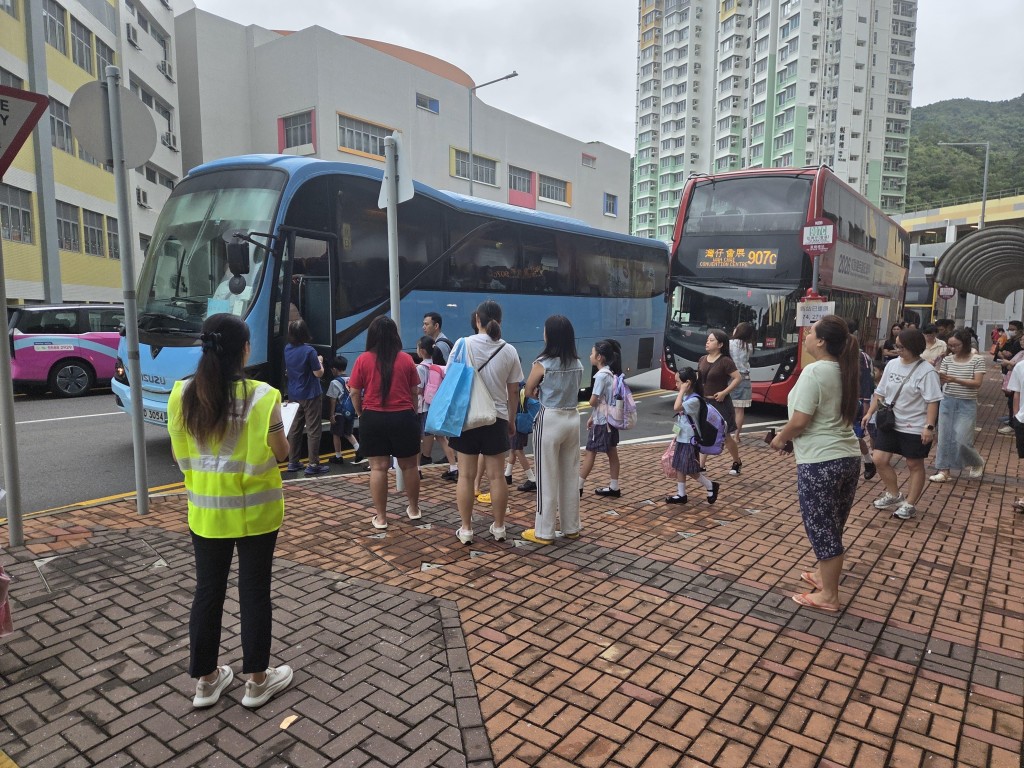
Cross boundary students, who travel between Hong Kong and neighbouring areas for their education, arrived in an orderly manner, according to the department.
Traffic volumes increased on major trunk roads, tunnels, bridges and around school zones, but officials said conditions remained manageable.
The morning rush was closely watched because the first school day traditionally brings a sharp increase in traffic around schools. Parents dropping off children, school buses, coaches and regular commuters can converge on the same roads, creating bottlenecks even when the wider road network is functioning normally.
Liu said public transport services were able to meet passenger demand during the morning period, helping prevent a surge in people being left waiting at major stations and interchanges.
The department’s approach was not limited to checking traffic cameras or waiting for reports of congestion. Staff were positioned at key locations so officials could identify problems as they developed and make adjustments when necessary.
Around 100 staff deployed across the city
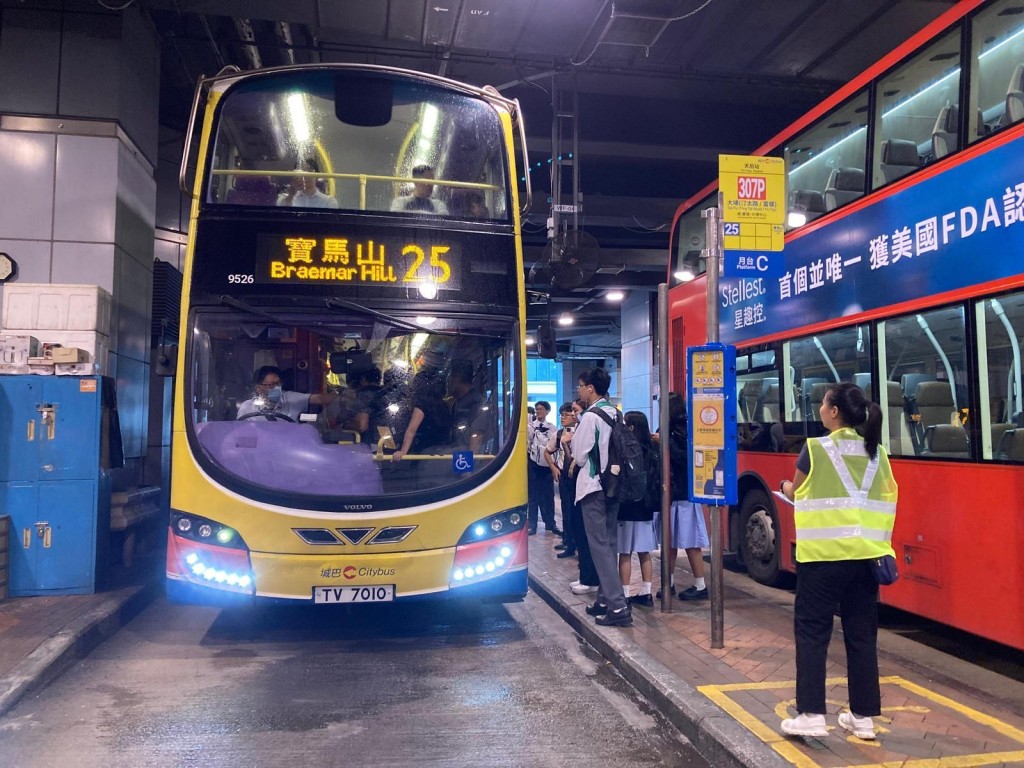
Tse said about 100 Transport Department staff members were deployed across Hong Kong to monitor conditions in real time.
Their assignments covered major public transport interchanges, railway stations, school areas, land boundary control points and tunnels.
Information from those locations was fed back to the Emergency Transport Coordination Centre, allowing officials to assess conditions and make immediate service adjustments where required.
The deployment reflects the scale of the transport challenge on the first day of the school year. While the city’s rail network carries large numbers of passengers every day, the reopening of schools creates additional pressure at specific times and places.
School districts can experience short but intense periods of congestion as vehicles arrive for drop off and collection. A minor obstruction near a school can also have a knock on effect on surrounding roads, particularly during the morning peak.
Having personnel on the ground gives transport officials a direct view of those conditions and allows them to communicate with operators and other agencies more quickly.
Police also worked with transport officials as part of the morning traffic arrangements.
Weather remains part of contingency planning
Officials also reviewed response plans for adverse weather during Liu’s visit to the centre.
Weather conditions are an important consideration for Hong Kong’s transport network, particularly when heavy rain, strong winds or other severe conditions affect roads, bridges and public transport services.
The department’s decision to review those arrangements alongside the first day school traffic reflects the need to prepare for disruptions that can emerge quickly.
Even when roads are operating normally at the beginning of the morning peak, a change in weather can alter driving conditions, slow traffic and increase pressure on public transport.
Transport officials therefore maintained close communication with police and major operators while monitoring the network.
The focus on early intervention also gives operators more room to adjust services before a localised problem develops into a wider disruption.
Students urged to check routes before travelling
The Transport Department has advised students to familiarise themselves with their travel routes and public transport schedules before setting out.
Students starting at new schools, moving into secondary education or travelling independently for the first time may be unfamiliar with the quickest routes or the busiest parts of their journey.
Checking routes and timetables in advance can help passengers choose suitable services and avoid unnecessary delays during the busiest periods.
For families, the first few days of a new school year can also involve changes to travel routines. School locations, class schedules and pick up arrangements may differ from the previous academic year, while some students may begin using public transport without a parent accompanying them.
The department’s advice is therefore aimed at reducing avoidable pressure on the transport system while helping students reach school safely and on time.
Monitoring to continue as school routines settle
Tuesday’s relatively smooth morning does not mean traffic pressure will disappear once the first day is over. Transport patterns often change as students, parents and schools settle into their regular routines.
Officials will continue monitoring major transport points and school areas, particularly where traffic volumes are expected to remain high.
The Joint Steering Mode arrangement gave the department a central point from which to coordinate information from staff in the field, police and public transport operators.
For commuters and students, the immediate message from the morning operation was straightforward: public transport was operating normally, roads were busy but manageable, and officials were prepared to intervene if conditions deteriorated.
Students were advised to plan their journeys ahead of time, check schedules and allow sufficient travel time, particularly when passing through busy school zones or major transport interchanges.
With around 100 staff monitoring the network across Hong Kong, the Transport Department’s priority was to keep problems local and short lived rather than allow them to spread across the wider transport system.