

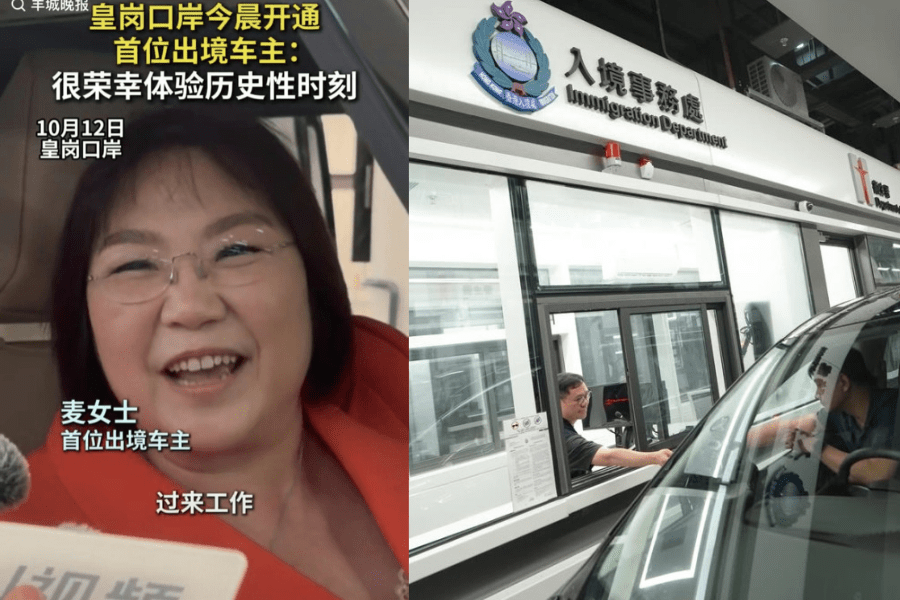
Feng shui master Mak Ling Ling was among the first drivers to pass through the revamped Huanggang Port when the Shenzhen checkpoint reopened at 6.30am, offering an early look at a border crossing designed to speed up travel between Hong Kong and mainland China. She arrived before the morning rush, expecting a quieter commute, but found herself at the centre of media coverage as the upgraded facility began operations.
Mak’s appearance came as mainland Chinese media interviewed motorists waiting to complete the new joint clearance procedures. Reporters initially did not recognise her and heard her describe herself simply as a consultant with a home in Shenzhen. She told them she felt honoured to witness the reopening, a significant moment for a border crossing used by commuters and other travellers moving between the two cities.
When journalists asked why she was heading south so early in the morning, Mak gave a straightforward answer: she was going to work. Her first impression of the revamped checkpoint was equally direct. It was “bigger, with more lanes”, she said.
Early Opening Brings Swift Clearance
The first minutes of the reopening offered an indication of how the upgraded arrangements would work. According to media reports, the first pedestrian completed automated clearance with an electronic permit in approximately 20 seconds after the Shenzhen checkpoint opened.
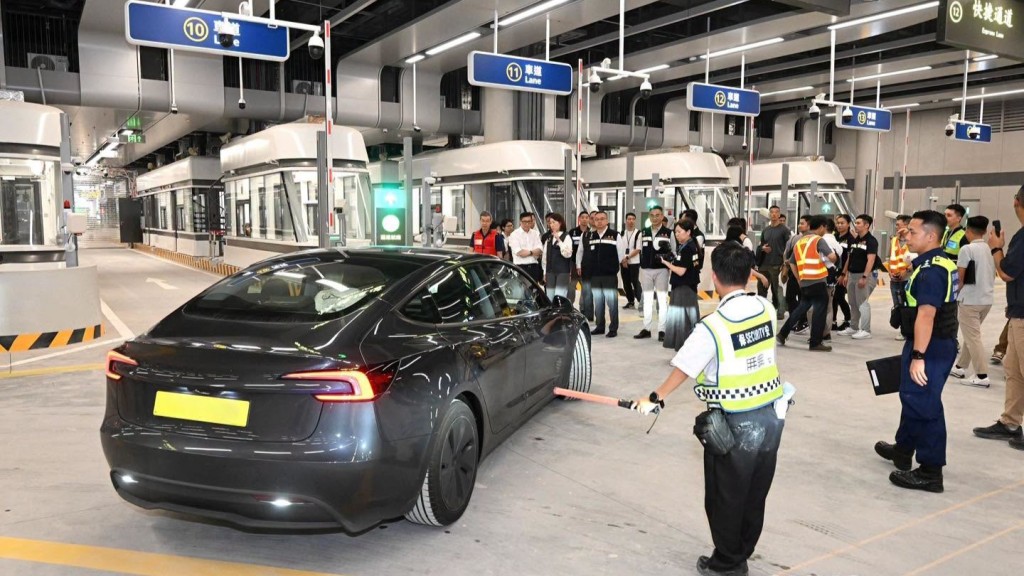
Vehicles also moved through the outbound lanes quickly. Nearly 10 cars entered within three minutes of the opening, while five border agencies checked documents simultaneously. Each vehicle reportedly completed clearance in less than two minutes.
The figures provided an early indication of the facility’s capacity to handle travellers without requiring them to pass through each inspection stage separately. However, the initial flow took place during the opening period, and the reported times do not establish how the checkpoint will perform when traffic reaches its usual morning peak.
For Mak, the opportunity to experience the new arrangements came during an ordinary working day rather than a planned visit. Speaking later to Sing Tao Daily, the sister publication of The Standard, she explained that she had decided to try the upgraded crossing as part of her regular morning commute.
She had not expected to become one of the first motorists to use the revamped facility.
Mak Arrives Before the Morning Rush
Mak said she woke at 5am and reached the checkpoint at around 5.50am in an effort to avoid traffic. When she arrived, there were no cars waiting ahead of her.
That early start placed her in position before the morning movement of vehicles gathered pace. She later recalled being surprised to find herself among the first drivers through the checkpoint.
“I never thought I'd be the first one,” she said, according to the report.
The quiet conditions did not last for long. Mak said she subsequently heard that congestion had built up after her passage, suggesting that the opening period quickly gave way to busier conditions.
Her experience illustrates the difference that arrival time can make to a cross border commute. Reaching a checkpoint before queues develop may shorten a journey, even when a new facility promises faster processing. For regular travellers, the practical test will be whether those improvements continue once more vehicles and pedestrians arrive throughout the day.
Mak's early journey also gave her a chance to compare the new arrangements with the previous checkpoint. She focused particularly on the revised joint inspection process, which she described as more streamlined than the earlier system.
One Permit and a Fingerprint Scan
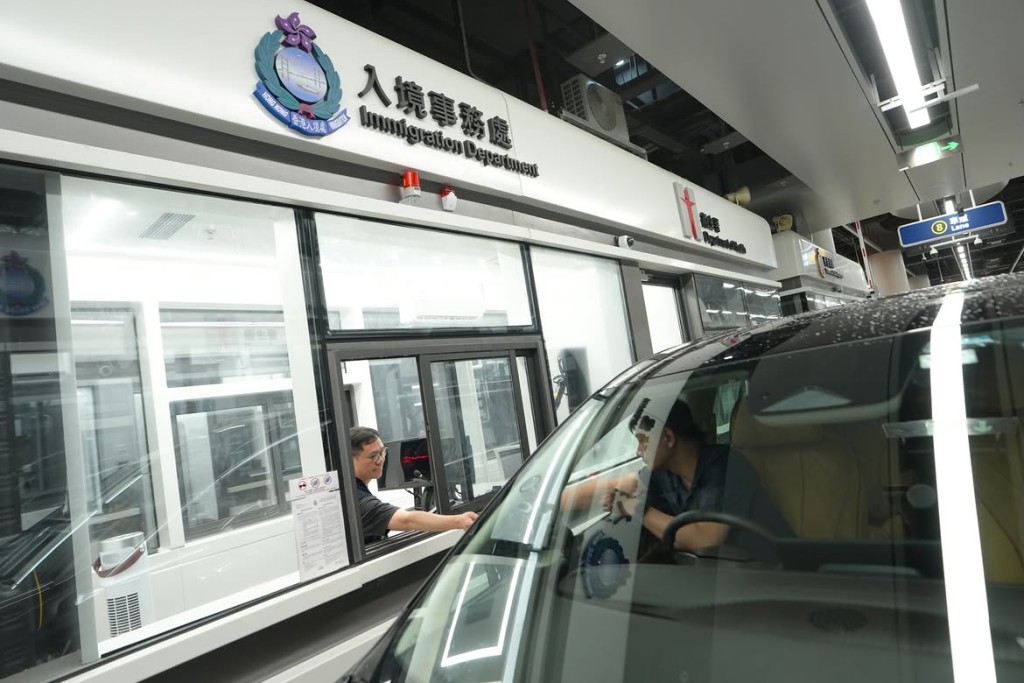
According to Mak, travellers using the relevant clearance procedure need to present a Home Return Permit and complete a single fingerprint scan. With the lanes clear, she said, the verification process can take less than a minute.
The Home Return Permit is used by eligible Hong Kong and Macao residents travelling to mainland China. For those who qualify for the relevant automated clearance arrangements, reducing the number of separate steps can make routine border crossings less time consuming.
The revised process also changes the experience for motorists. Rather than dealing with separate checks one after another, travellers can benefit from the coordinated work of the agencies involved in the joint inspection system.
The reported opening day figures support the impression of a fast start. The first pedestrian's clearance took about 20 seconds, while vehicles reportedly passed through within two minutes each. Those timings, however, reflect the conditions observed during the initial opening period rather than a guarantee of the same speed for every traveller.
Actual processing times can depend on traffic volumes, document checks, eligibility for automated clearance and whether additional inspection is required. Travellers should therefore continue to follow official border procedures and allow sufficient time for their journeys, particularly during busy commuting periods.
For Mak, the difference was immediately noticeable. The wider lanes and simplified checks made the revamped crossing feel more efficient, while the early morning visit allowed her to assess the facilities without the pressure of a long queue.
A Larger Building With Room for Improvement
Mak also praised the scale and appearance of the new building, describing it as grand and spacious. She suggested that the improved surroundings could attract more people to use the facility.
A larger border complex can provide more room for travellers, inspection equipment and movement through the checkpoint. Wider lanes may also help organise vehicle flows, while coordinated inspections can reduce unnecessary delays when agencies are able to process travellers simultaneously.
Yet Mak did not consider every aspect of the building equally satisfactory. She noted that some floors relied on ventilation systems rather than an open air design and called attention to the need for adequate air circulation.
Her observation raised a practical question about the experience of people who spend time inside the facility. While efficient processing matters to motorists trying to cross the border quickly, indoor comfort also affects pedestrians, staff and travellers who may need to wait during busy periods.
Ventilation is particularly relevant in enclosed public buildings, where air movement and indoor conditions can influence comfort. Mak's comments were observations from her visit; they did not establish that the building's ventilation systems were inadequate or that any technical standards had been breached.
Still, her assessment offered a more detailed picture than a simple comparison of building size. She welcomed the extra space and faster processing while identifying an aspect of the indoor environment that she believed deserved attention.
The Real Test Begins After Reopening
The reopening of Huanggang Port marks a new phase for a border crossing that serves people travelling between Hong Kong and Shenzhen. The first reported clearance times and Mak's experience suggest that the upgraded arrangements can move travellers through the checkpoint quickly when traffic is light.
The more demanding test will come during regular commuting hours, when passenger numbers rise and vehicles arrive in greater volumes. Sustained performance will depend not only on the number of lanes available but also on how effectively agencies coordinate inspections, manage queues and respond to travellers who need additional checks.
For commuters, the most useful measures will be actual waiting times, the consistency of processing and the ease of moving through the facility. The quality of the indoor environment will matter too, particularly for people who spend longer periods inside the building.
Mak's visit captured both the promise and the practical questions surrounding the upgraded port. She encountered a spacious facility, wider lanes and a clearance process she found noticeably simpler. She also left with a specific suggestion about ventilation.
As traffic builds following the reopening, will Huanggang Port maintain its faster clearance times during the morning rush while providing a comfortable experience for the people who use it every day?