

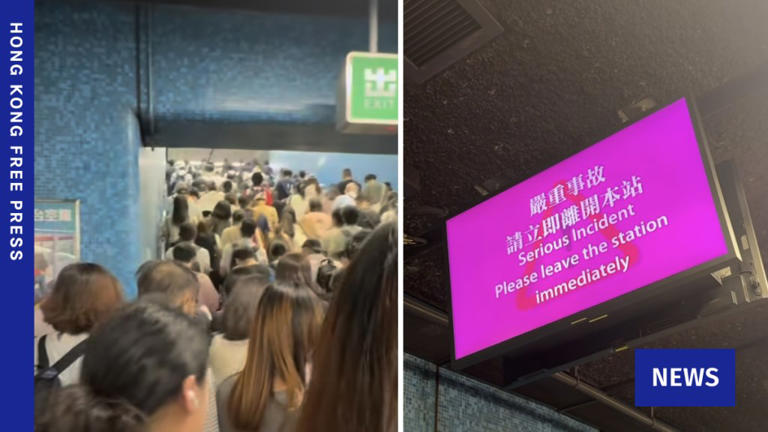
Hong Kong's MTR Corporation is investigating two electrical incidents at Lam Tin Station after a trackside fire on Tuesday evening was followed by overheating wires and smoke in an equipment room on Wednesday morning, disrupting services on the Kwun Tong Line. The railway operator has apologised to affected passengers and promised a detailed investigation, including the involvement of independent experts.
The latest incident occurred at around 8am on Wednesday, when the Lam Tin stationmaster received a report of smoke coming from the equipment room near Platform 2. Staff discovered that the room's fire suppression system had activated and that equipment was emitting smoke.
As a precaution, station staff initiated evacuation procedures and notified the police and firefighters. Trains on the Kwun Tong Line temporarily bypassed Lam Tin Station while emergency personnel and railway workers responded to the incident.
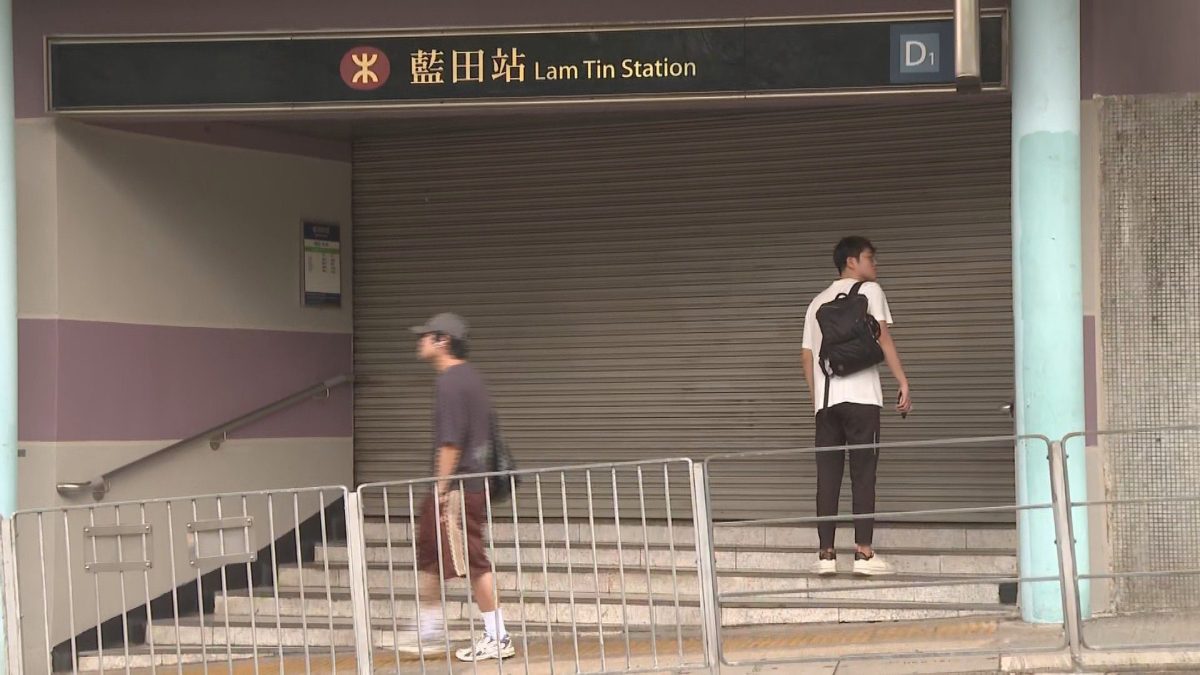
After the equipment had cooled, MTR staff carried out emergency repairs and safety tests. The station reopened before 10am after checks indicated that operations could resume safely.
The incident followed a separate electrical fire at approximately 5.30pm on Tuesday, when suspected trackside switches at Lam Tin Station experienced a short circuit that caused insulating rubber to catch fire. Firefighters attended the scene, and train services resumed at around 6.30pm.
The two incidents within roughly 15 hours have prompted the MTR to examine whether equipment condition, operating processes or environmental factors may have contributed to either event.
Smoke Detected in Lam Tin Station Equipment Room
Wednesday morning's disruption began when the stationmaster received notification at approximately 8am that smoke was coming from the equipment room serving Platform 2.
MTR staff found that the room's fire suppression system had activated and that electrical equipment was producing smoke. The operator responded by initiating station evacuation procedures as a precaution and contacting emergency services.
During the response, Kwun Tong Line trains did not stop at Lam Tin Station. The temporary bypass allowed the railway operator to address the situation while limiting passengers' exposure to the affected area.
The available information does not establish whether passengers were inside the station when the evacuation procedures began, how many people were affected or whether anyone suffered injuries. No injuries were reported in the supplied account.
Once the equipment had cooled, railway personnel began emergency repair work. Staff then conducted safety tests to determine whether the affected equipment and station facilities could return to service.
Lam Tin Station reopened before 10am on Wednesday, restoring train access after the morning disruption.
The MTR has not publicly identified the specific wires involved, the exact temperature reached or the component that first began producing smoke. Those details are expected to form part of the technical investigation.
Separate Trackside Fire Disrupted Services on Tuesday
The morning incident followed a fire near the tracks at Lam Tin Station at approximately 5.30pm on Tuesday.
According to the account provided by MTR representatives, insulating rubber around suspected trackside switches caught fire after a short circuit. Firefighters attended to deal with the situation.
Train services resumed at around 6.30pm, approximately one hour after the incident was reported.
The MTR said damaged insulation and related components were replaced that evening. Maintenance teams also carried out a comprehensive inspection of similar equipment outside normal operating hours.
These checks were intended to identify possible problems with comparable components elsewhere at the station or on the relevant railway infrastructure.
However, the operator has not established a confirmed connection between Tuesday's fire and Wednesday morning's overheating incident. Although both involved electrical equipment at Lam Tin Station within a short period, investigators will need to determine whether they shared a technical cause or occurred independently.
The distinction matters because replacing damaged components after one incident does not necessarily prevent a separate failure involving another part of the electrical system.
MTR Promises Detailed Investigation Into Both Incidents
Lee Yuen-ling, deputy director of MTR Operations and Local Railways, apologised to passengers affected by the service disruptions and said the company was taking the incidents seriously.
She said the operator would conduct a detailed investigation into what happened and examine the circumstances surrounding both events.
The investigation will consider several possible contributing factors, including equipment overheating, how the machinery operated and environmental conditions around the affected systems.
Investigators will also assess whether the incidents were connected. The MTR has not yet announced a final explanation for either event.
The company plans to invite independent experts to participate in the investigation. Their involvement is intended to help identify the causes and recommend improvements to prevent similar incidents.
An independent technical review could examine whether the affected components showed signs of wear, whether protective systems operated as intended and whether maintenance or operating procedures require changes. These are areas investigators may need to assess, rather than confirmed causes of the incidents.
The operator has not announced when the investigation will be completed or when its findings will be made public.
Damaged Components Replaced and Similar Equipment Checked
Li Jianxiong, deputy director of MTR Train Services Maintenance, said the damaged insulation and associated components involved in Tuesday's incident were replaced that night.
Maintenance teams subsequently inspected similar equipment during the hours when trains were not operating.
The inspection was part of the operator's immediate response to the trackside fire. Checking comparable components can help identify other equipment that may require attention before a fault develops, although the MTR has not disclosed the results of those checks.
Wednesday's incident presents a separate technical question because it involved overheating electrical wires in an equipment room rather than the reported trackside insulation fire.
Li said the morning incident was caused by overheating wires in the station's electrical equipment room, which produced smoke. Further investigation will be needed to establish why the wires overheated and whether any underlying issue contributed to the failure.
The MTR has not released details about the age of the affected wiring, its electrical load, the condition of its connections or whether similar problems have been identified elsewhere on the line.
Those findings will be important in determining whether the incidents require changes to maintenance schedules, equipment replacement or operating procedures.

Government Departments to Receive Separate Reports
The MTR said it would report the two incidents separately to the relevant government departments and submit additional documentation as required by the authorities.
Separate reporting will allow officials to examine the circumstances of each event, including the response, repairs and any safety measures taken before services resumed.
The company has not provided further details about the government departments involved or the specific reporting requirements that apply to the incidents.
The planned reports and independent expert review are expected to form part of the process for determining what went wrong and whether additional precautions are necessary.
For passengers, the immediate concern is whether the railway can continue operating safely and reliably following two disruptions at the same station within a short period.
The MTR restored service after both incidents, but the operational response does not by itself establish the underlying causes or rule out the possibility of related equipment problems.
Compensation and Passenger Impact
When asked whether affected passengers would receive compensation, Lee said the matter would be handled under the MTR's service performance mechanism.
The operator has not provided details of any compensation amount or confirmed what arrangements, if any, will apply to passengers affected by the two incidents.
The disruptions occurred during separate periods of the day, affecting evening travel on Tuesday and morning journeys on Wednesday. The temporary bypass of Lam Tin Station meant passengers travelling to or from the station had to adjust their journeys while trains passed through without stopping.
The duration and extent of the inconvenience may vary depending on when passengers travelled and whether they needed to use Lam Tin Station directly.
The MTR's investigation will now need to establish the technical causes of the incidents, assess whether any wider equipment checks are necessary and identify changes that could reduce the risk of a recurrence.
Can the MTR establish why two electrical incidents occurred at Lam Tin Station within 24 hours? Passengers will be looking for clear findings, effective corrective measures and confirmation that the necessary safety checks have been completed.