

What if your eyes showed you something that was not actually there? Visitors to the upcoming Museum of Illusions Hong Kong will get the chance to find out as they step into rooms that twist perspective, challenge balance and make familiar surroundings look completely different.
Opening soon at Peak Galleria on Victoria Peak, the Museum of Illusions Hong Kong will bring more than 50 interactive exhibits to an 11,000-square-foot (1,022-square-metre) attraction designed around optical illusions, science, psychology and hands-on entertainment.
The attraction is being presented as the largest Museum of Illusions location in Asia. Rather than placing visitors behind barriers and asking them to observe, it invites them to become part of the exhibits.
That means walking into an illusion, testing a strange visual effect, changing position to see a room differently and taking photographs that can make ordinary moments look impossible.
For families, friends and curious visitors, the experience is built around one question: Can you trust what you see?
Museum of Illusions Hong Kong Challenges Your Senses
The Museum of Illusions Hong Kong will feature more than 50 exhibits designed to demonstrate how the human brain interprets visual and sensory information.
Among the attractions is the Ames Room, where the structure of the room creates a striking distortion of size. Two people standing in different positions can appear dramatically different in height, even though their actual physical sizes have not changed.
Then there is the Vortex Tunnel, which is designed to challenge visitors' sense of balance and movement. As the surroundings appear to rotate, the brain receives visual signals that can make the body feel as though it is moving even when the person is standing in place.
These effects can be surprising because visitors know, at some level, that the room is not actually changing shape or that the floor is not spinning. Yet the visual information can still produce a powerful physical response.
That is where the attraction moves beyond simple entertainment.
The exhibits demonstrate how the brain constantly interprets information from the senses and attempts to create a coherent picture of the world. When that information is manipulated, perception can be thrown off balance.
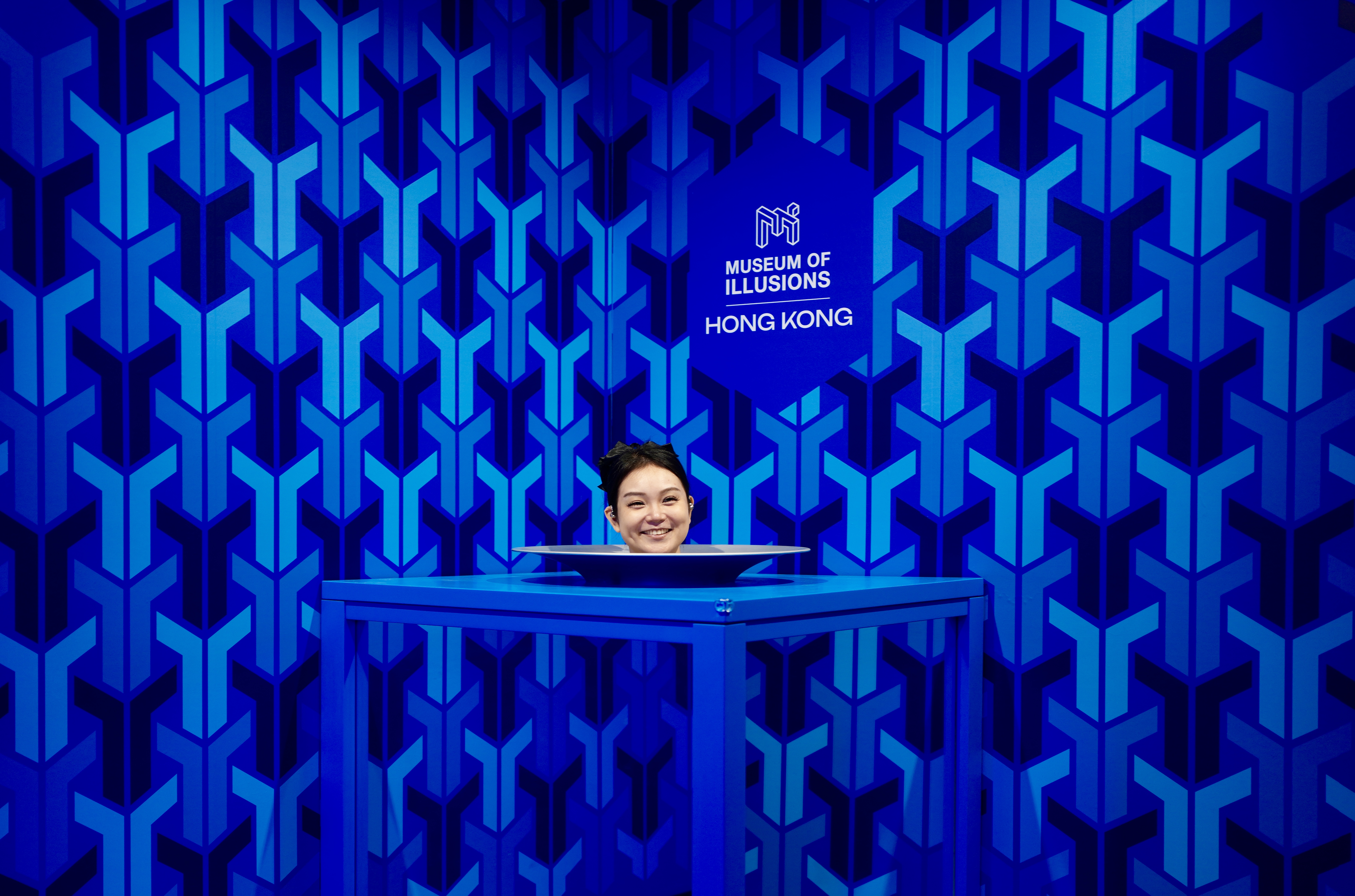
Step Inside a World Where Reality Looks Different
One of the biggest differences between the Museum of Illusions and a traditional museum is the level of participation.
Visitors are not expected to simply walk around and look at displays. They can touch, move, experiment and position themselves inside the installations.
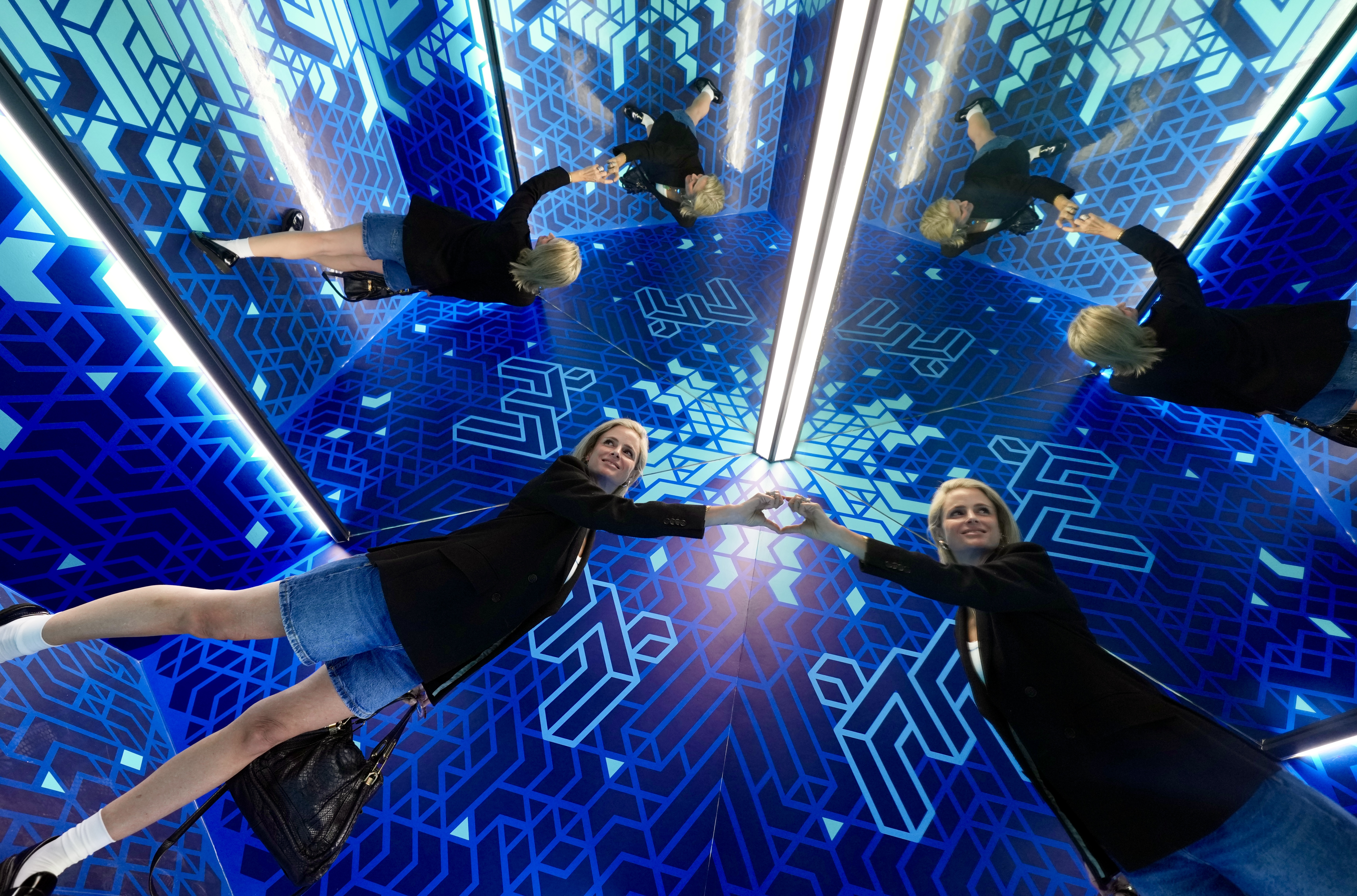
A room may appear ordinary from one angle and completely different from another. A carefully designed perspective can make people look unusually tall or small. Reflections can create the impression that a space continues far beyond its actual walls.
The museum also includes optical illusions, three-dimensional installations and holograms that add further layers to the experience.
For visitors, that creates plenty of opportunities to experiment. Moving a few steps, changing the camera angle or standing in a different position can transform what appears on the screen.
That interactive element is likely to be particularly attractive to families and groups of friends, because many exhibits are designed to be experienced together.
Hong Kong-Themed Reversed Room Adds a Local Touch
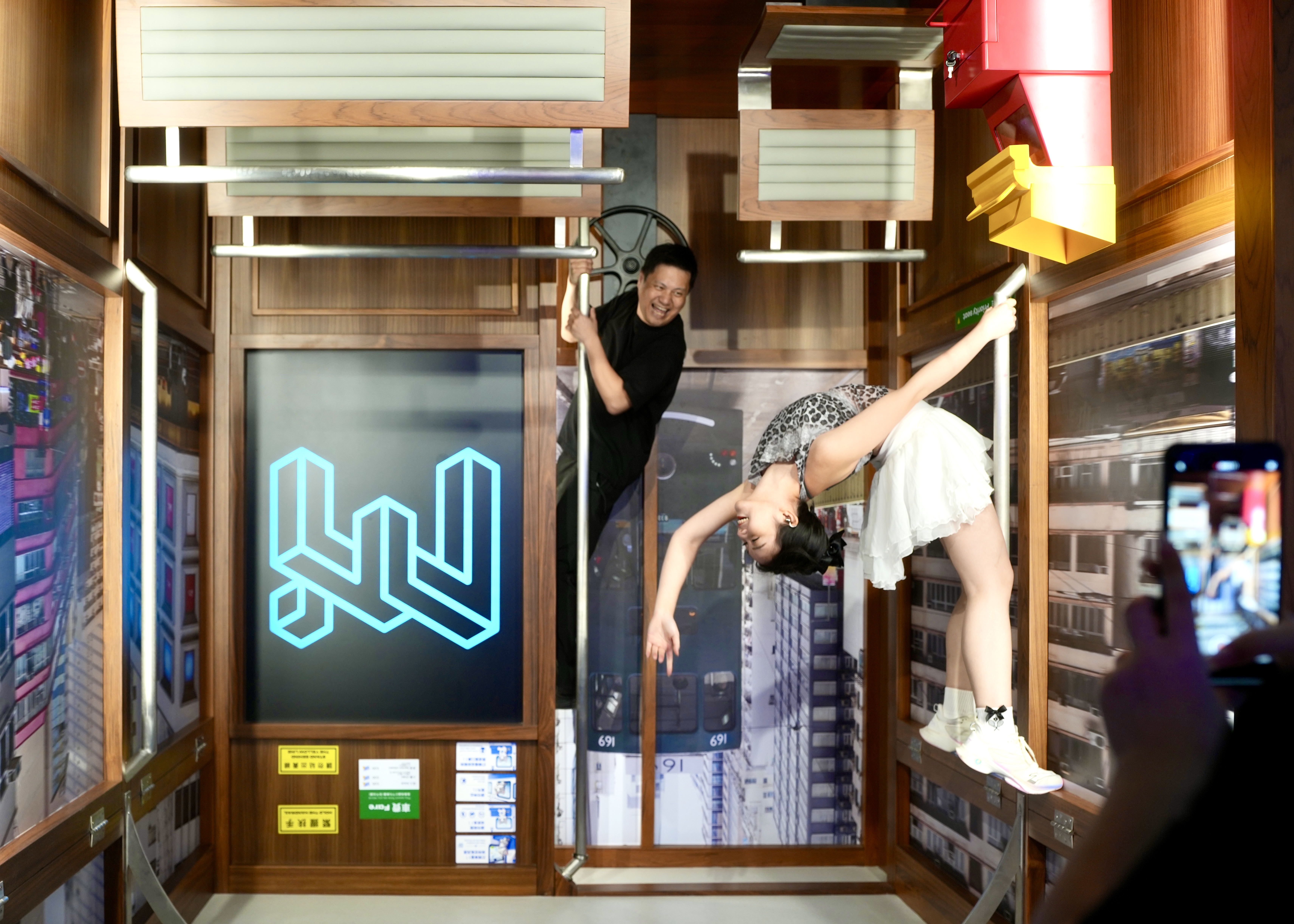
Among the exhibits planned for the attraction is a Hong Kong-themed Reversed Room, which brings the museum's illusion-based concept into a setting connected with the city.
Reversed rooms play with familiar expectations by making ordinary surroundings appear upside down or otherwise distorted. Objects and people can suddenly look as though they are positioned in impossible ways.
For visitors taking photographs, the effect can produce images that require a second look before the viewer understands what is happening.
The Hong Kong theme also gives the attraction a local identity rather than making the entire experience feel detached from its setting at Victoria Peak.
That matters for both tourists and local residents. Tourists can experience an unusual indoor attraction while visiting The Peak, while Hong Kong residents can explore a new entertainment venue without needing to leave the city.
More Than Just a Photo Opportunity
The Museum of Illusions Hong Kong is likely to attract attention because of its unusual photo opportunities, but the concept goes further than creating unusual pictures.
The exhibits are built around ideas from visual perception, psychology and sensory processing.
The brain does not simply record everything the eyes see. It interprets incoming information, compares it with existing knowledge and uses surrounding clues to decide what something means.
Optical illusions expose that process.
A person can know that an image is misleading and still experience the illusion. A visitor may understand that two objects are the same size while continuing to perceive one as larger. A room may be physically stable while the eyes and brain create a sensation of movement.
By allowing visitors to experience those effects directly, the museum turns an abstract idea about perception into something people can see and feel for themselves.
A Family-Friendly Attraction at Victoria Peak
The attraction is designed for people of different ages, making it suitable for families, groups of friends and visitors looking for something different to do in Hong Kong.
Children can interact with the installations while encountering basic concepts related to science and perception. Adults can approach the exhibits as visual puzzles or photography opportunities.
The museum is also described as pet-friendly, giving visitors another reason to consider it when planning a day out.
Its location at Peak Galleria on Victoria Peak places it within one of Hong Kong's best-known visitor areas. A trip to the museum can therefore form part of a wider visit to The Peak rather than requiring a separate journey to a standalone attraction.
For tourists already planning to visit Victoria Peak, the museum could provide an indoor activity alongside the area's panoramic views, shops and other attractions.
Why Do Optical Illusions Fool the Brain?
The attraction's central idea comes down to a surprisingly simple fact: human perception is not always an exact representation of reality.
The eyes collect information, but the brain decides what that information means.
Lighting, angles, shadows, colours, distance and surrounding objects can all influence that interpretation. When those elements are deliberately manipulated, an ordinary room can suddenly look impossible.
That explains why visitors may laugh, question their own eyes or take several photographs before understanding an exhibit.
The experience also gives the museum an educational purpose. Instead of learning about perception only from a textbook or classroom demonstration, visitors can experience the effect themselves.
That combination of education and entertainment is at the heart of the Museum of Illusions concept.
What Visitors Can Expect at the Museum
Once the Museum of Illusions Hong Kong opens, visitors can expect an experience built around interaction rather than passive observation.
The attraction will include:
More than 50 interactive exhibits
More than 11,000 square feet of exhibition space
The Ames Room
The Vortex Tunnel
A Hong Kong-themed Reversed Room
Optical illusions
Three-dimensional installations
Holograms
Perspective-based rooms
Sensory experiments
Interactive challenges
Photo opportunities
Family-friendly experiences
Pet-friendly access
Together, the exhibits are intended to show visitors how easily perception can change when visual and sensory information is manipulated.
Museum of Illusions Hong Kong Could Become a New Peak Attraction
The upcoming Museum of Illusions Hong Kong is entering a location already associated with some of the city's most recognisable visitor experiences.
Its appeal, however, comes from a different kind of view.
Instead of asking visitors to look out across Hong Kong, the museum asks them to look more closely at how they see the world itself.
With more than 50 interactive exhibits, a space exceeding 11,000 square feet and attractions such as the Ames Room, Vortex Tunnel and Hong Kong-themed Reversed Room, the venue is designed to turn perception into an activity.
Visitors will not simply be told that their senses can be fooled. They will have the chance to experience it themselves.
Would you trust your eyes inside the Museum of Illusions Hong Kong, or would you discover that your brain has been fooling you all along?