

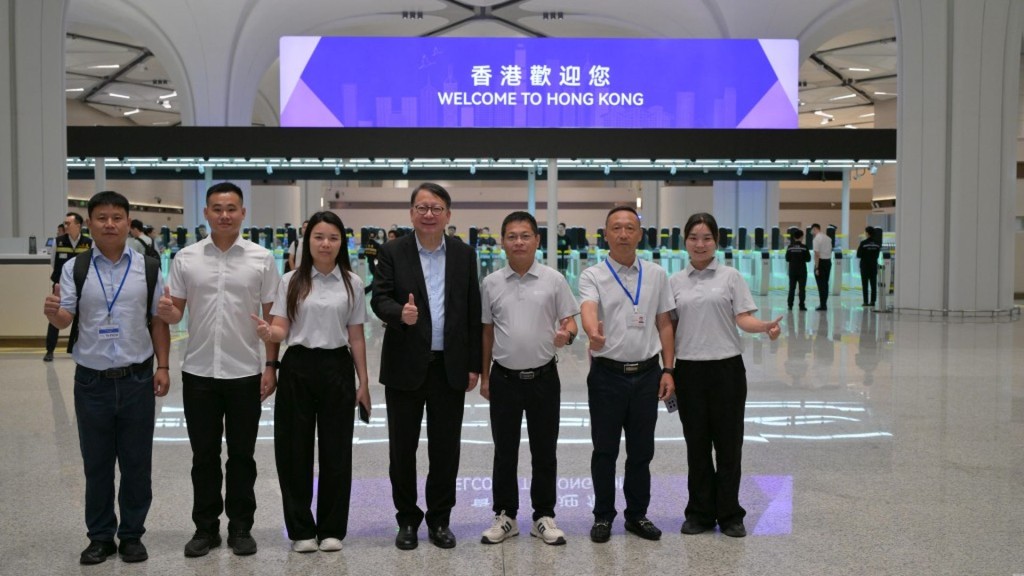
Hong Kong’s reconstructed Huanggang Port opened at 6:30am on Monday, introducing a new joint border clearance system designed to improve the immigration process for travellers crossing between Hong Kong and Shenzhen. One commuter completed arrival procedures in just five minutes, offering an encouraging first impression of the upgraded facility.
The opening marks a new phase for the busy border crossing, where the government is testing a “collaborative inspection, joint clearance” arrangement. Authorities hope the approach will improve coordination during immigration checks and make cross border journeys more convenient for regular commuters and other travellers.
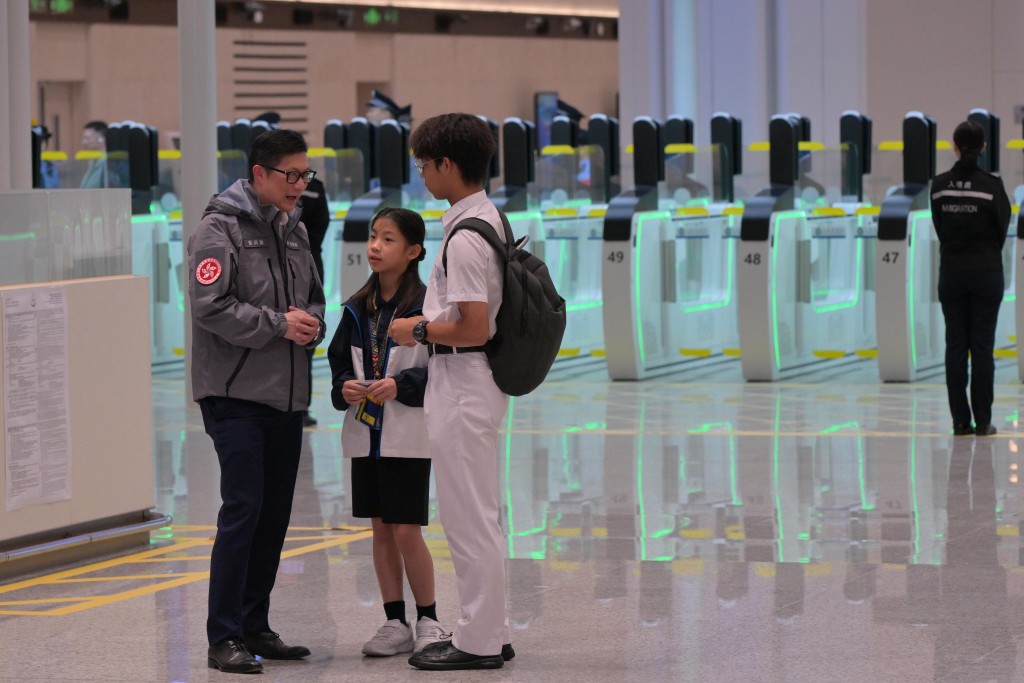
Chief Secretary for Administration Eric Chan and Secretary for Security Chris Tang visited the port on Monday morning to inspect its initial operations. Chan told reporters that the opening had proceeded smoothly, although passenger numbers remained relatively low during the early hours.
All immigration counters were open to help passengers complete their checks quickly while giving Immigration Department staff time to familiarise themselves with the new procedures.
However, the quieter start may not reflect the pressure the facility will face during busy travel periods. Chan expects passenger numbers to increase over the weekend, creating a more demanding test for the new clearance arrangement.
Five Minute Clearance Offers Early Sign of Convenience
For one traveller arriving from Shenzhen, the first experience of the rebuilt Huanggang Port was straightforward.
The commuter, who regularly crosses the border to work in Hong Kong, arrived early to try the newly opened facility. He completed the arrival procedures in approximately five minutes and described the experience as convenient.
He also praised the comfort of the new building and said he expected to use Huanggang Port more frequently.
His experience offers an early indication of what regular commuters may value most: a straightforward immigration process, shorter waits and a comfortable place to complete border formalities.
For people who travel between Shenzhen and Hong Kong for work, delays at border crossings can affect their daily schedules. A smoother clearance process could make regular journeys less time consuming, particularly for those who cross frequently.
However, the five minute clearance time reported by this traveller does not establish how quickly all passengers will be processed. Waiting times can change significantly depending on passenger volumes, staffing levels and the checks required for individual travellers.
The facility's performance during busy periods will therefore provide a more complete picture of whether the new system delivers a consistently efficient experience.

Why Hong Kong Opened Huanggang Port After Golden Week
The government selected Monday for the reopening partly because the National Day Golden Week holiday had ended, allowing operations to begin during a period when passenger traffic was expected to be lighter.
Chan said the timing would give immigration officers an opportunity to become familiar with the new arrangements before the next major increase in travel demand.
Launching a new clearance system during a quieter period allows staff to learn the procedures while managing a more manageable flow of passengers. It also gives authorities an opportunity to identify operational issues before the facility faces heavier traffic.
But the early opening period is only the first stage of the test.
Chan expects the weekend to bring more travellers, placing additional pressure on immigration counters and staff coordination. The upcoming Chung Yeung Festival holiday will provide another opportunity to assess how well the reconstructed port handles increased demand.
If passenger numbers rise sharply, officials will need to ensure that the clearance process remains organised and that queues do not become excessive.
The government's decision to open the facility before the next holiday rush gives staff time to prepare, but sustained performance will depend on how effectively the new procedures work when the port becomes busier.
How the New Joint Border Clearance System Works
The main operational change at the reconstructed Huanggang Port is the introduction of the “collaborative inspection, joint clearance” model.
The arrangement focuses on coordination during border inspection and clearance. Its effectiveness will depend on how smoothly the relevant operations work together and how efficiently passengers complete the required immigration procedures.
For travellers, the practical questions are straightforward. Will the new arrangement reduce waiting times? Will queues move more quickly during peak hours? And can the system maintain an efficient flow of passengers when demand increases?
Officials have not provided detailed figures comparing clearance times under the new arrangement with those under the previous system. As a result, the five minute experience reported by one commuter should be treated as an individual example rather than evidence of an overall reduction in processing times.
The reconstructed building provides an upgraded environment for passengers, but the success of the new model will depend on more than the physical facilities. Staff coordination, effective procedures and the ability to respond to changing passenger volumes will all influence the experience.
The coming weeks should offer a clearer indication of how the system performs under different operating conditions.
Could the Huanggang Port Model Expand to Other Border Crossings?
The reopening could have implications beyond Huanggang Port itself.
Chan said the government would consider extending the joint clearance model to other control points if the arrangement proves successful.
Such an expansion would depend on the results achieved at Huanggang. Authorities would need to assess whether the system improves the passenger experience, whether staff can manage the procedures effectively and whether the benefits continue during periods of heavy traffic.
The initial response is encouraging, particularly given the commuter's report of completing arrival procedures in five minutes. Nevertheless, a broader assessment will require more evidence from busy travel periods and a wider range of passenger experiences.
Officials will also need to consider whether the model can operate effectively at other crossings, where passenger numbers, facilities and operational requirements may differ.
For commuters, the most meaningful result would be a consistently convenient journey rather than a fast experience limited to quieter hours. For the government, the opening offers a chance to evaluate the new approach before making decisions about wider implementation.
Holiday Traffic Will Put the New System to the Test
Huanggang Port has started operating under its new clearance arrangement, and the first reported passenger experience suggests that the process can be convenient.
The next challenge is maintaining that performance when more travellers arrive. Weekend traffic and the Chung Yeung Festival holiday will test the ability of immigration staff to manage larger passenger volumes while keeping queues under control.
Authorities will have a clearer basis for assessing the system once it has operated through both quiet and busy periods. Consistent clearance times, effective staff coordination and a smooth passenger experience will help determine whether the approach deserves wider adoption.
For now, the government's focus is on helping staff adapt to the new procedures and ensuring that the port can handle the expected increase in traffic.
Would you use the rebuilt Huanggang Port if its new clearance system helped make your journey between Hong Kong and Shenzhen faster? Share your experience and tell us what matters most to you when crossing the border.