

Hong Kong police arrested a 24-year-old man on Monday after a threatening letter containing an unidentified white powder was sent to the editorial team of Sing Tao Probe, prompting the city’s main journalists’ union to call for the same speed in investigations involving other media organisations.
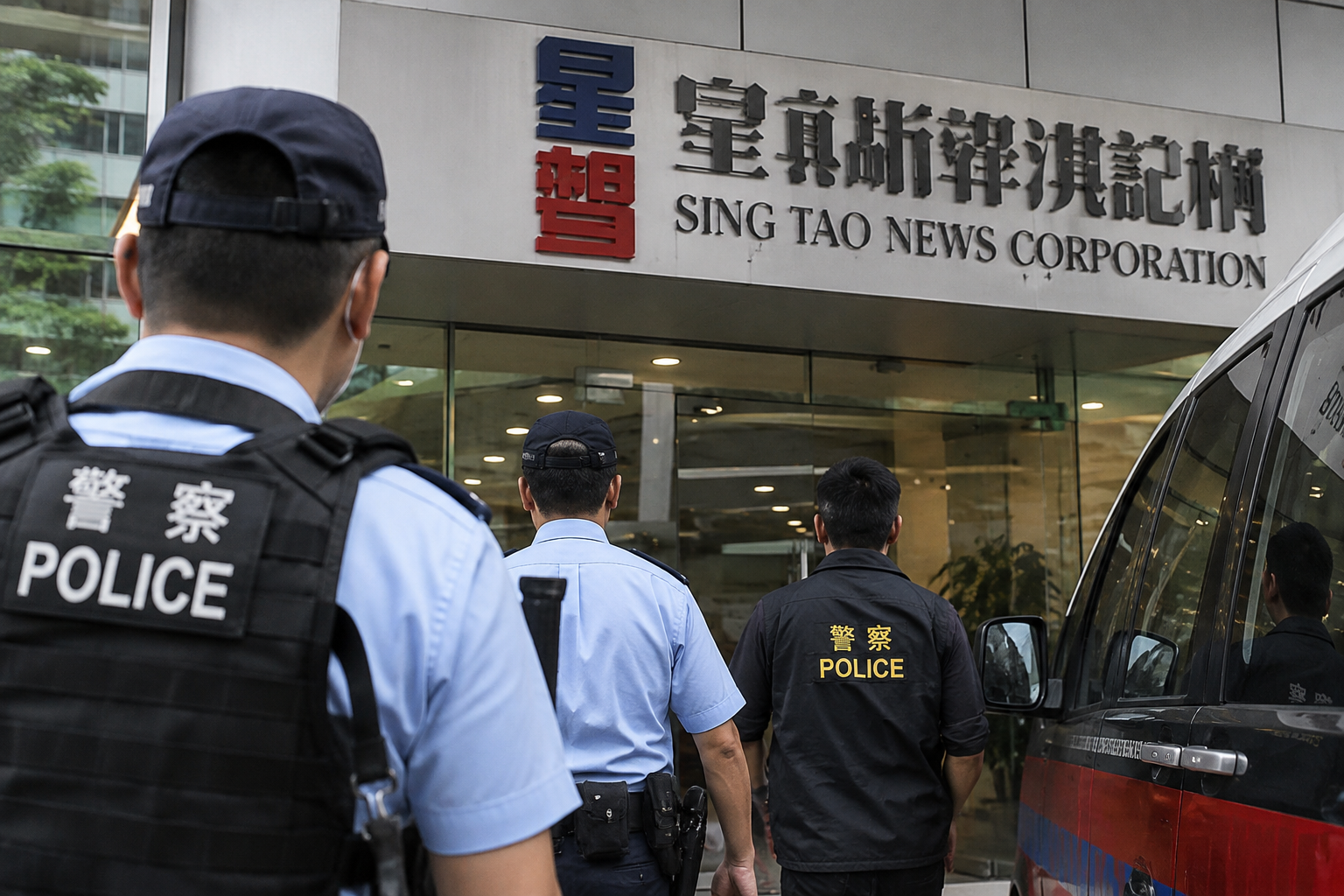
The letter was delivered to the headquarters of Sing Tao News Corporation in Tseung Kwan O, where staff discovered the suspicious substance. Police and specialist officers responded to the incident before investigators arrested the suspect in Mong Kok later that afternoon on suspicion of criminal intimidation. He remained in police custody, according to local media reports.
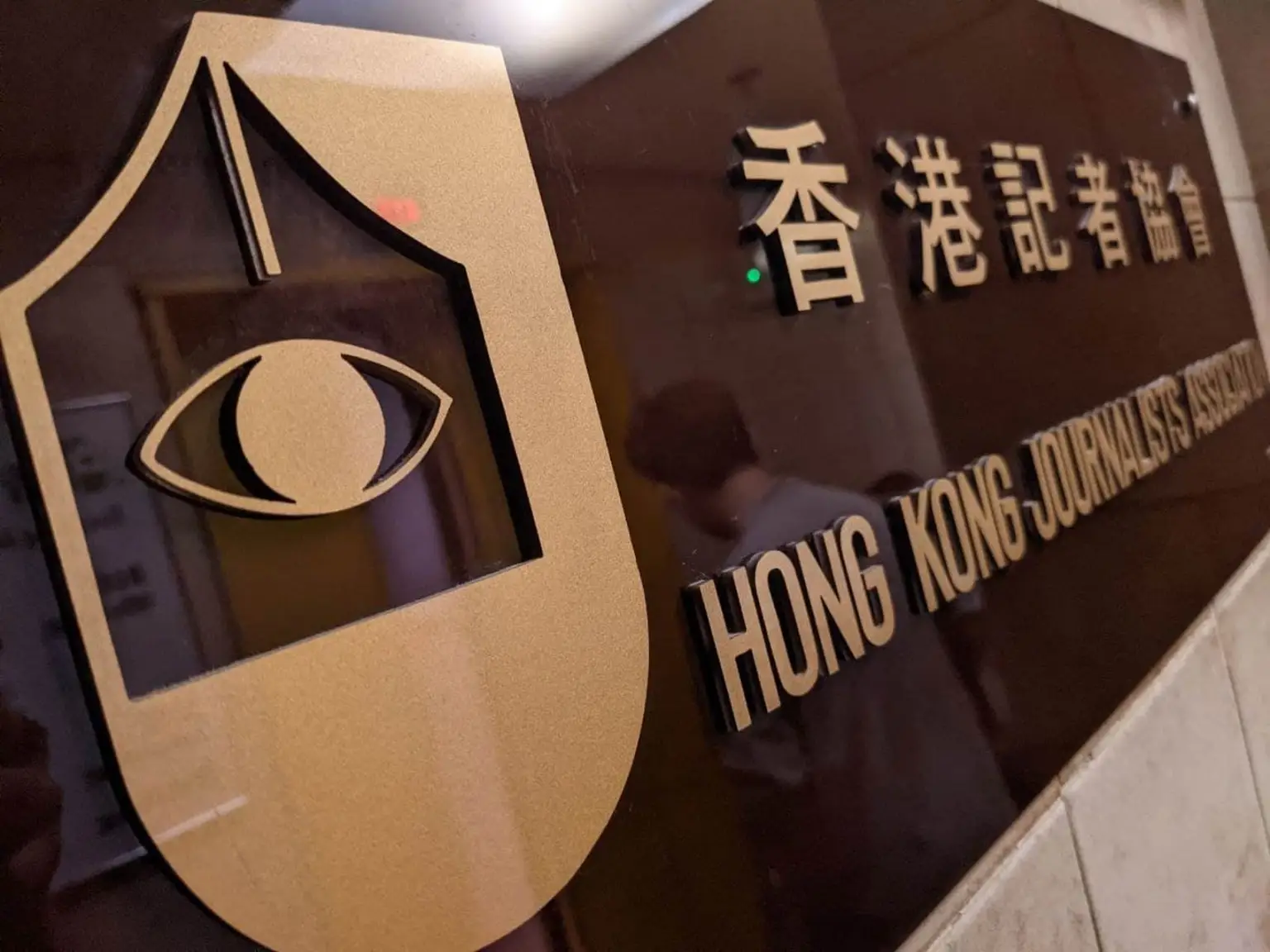
The Hong Kong Journalists Association welcomed the arrest but used the case to raise a broader concern about unresolved threats against journalists and media organisations.
The association said police had acted swiftly by arresting the suspect on the same day and urged authorities to deal with other cases involving threats to press freedom with “equal efficiency.”
The incident involved Sing Tao Probe, a consumer advocacy platform operated under Sing Tao News Corporation. The threatening correspondence was reportedly linked to an earlier complaint submitted by the suspect about a boardgame parlour.
According to police information reported by The Standard, officers from the Explosive Ordnance Disposal Bureau attended the media company’s headquarters after the white crystalline substance was discovered. Specialists determined that the material was not explosive and seized it for forensic examination.
Letter linked to an earlier consumer complaint
Police said their investigation found that the letter expressed anger over a consumer complaint submitted by the suspect about a boardgame parlour around a year earlier.
The dispute did not stop there. The writer also accused several media organisations of falsely portraying him as someone who stalked and secretly photographed women at night.
The letter was reportedly sent through ordinary mail. It used a folded sheet of A4 paper as an envelope and carried a Hongkong Post postmark dated September 24, according to The Standard.
The single-page document was computer-printed and written in colloquial Cantonese. Investigators said the sender made threats and used aliases including “Tai Po Eason Chan” and “Tai Po Hins Cheung.”
Police have not publicly established a final motive, and the allegations contained in the letter have not been independently substantiated.
The suspect’s detention means the investigation remains active. Further action will depend on the evidence collected by investigators and any decision by prosecutors.
Sing Tao News Corporation condemned attempts to threaten its employees and said its editorial teams would continue their work without giving in to intimidation, according to local reporting.

HKJA calls for equal treatment
The Hong Kong Journalists Association said the incident should not be viewed only as an isolated threat against one media organisation.
The press union has previously documented cases in which journalists received threatening or defamatory material at their homes, workplaces and other locations. It has also raised concerns about the handling of those reports by law enforcement agencies.
The association said several earlier cases remained unresolved, including incidents reported by journalists working for a range of local media organisations.
That contrast formed the central point of its response to Monday’s arrest. The HKJA welcomed the speed with which police responded to the Sing Tao case while asking authorities to demonstrate the same level of attention when journalists and other news organisations face threats.
The association has described threats against journalists as a press freedom issue because intimidation can affect whether reporters are willing to pursue stories, contact sources or publish material that attracts controversy.
The latest case also comes at a time when Hong Kong’s media environment has undergone major changes.
Earlier threats against journalists remain unresolved
The HKJA said in September 2024 that journalists from at least 13 media organisations had received emails and letters containing defamatory material. Some of the correspondence was sent to journalists’ homes, workplaces and other locations.
The journalists affected included staff members of Hong Kong Free Press, InMedia and HK Feature, as well as members of the HKJA executive committee.
The association said those incidents had been reported to police but that there had been no progress in several cases.
The union returned to those unresolved investigations in its response to the Sing Tao incident, arguing that a rapid arrest in one case should be matched by sustained attention to threats reported by journalists elsewhere.
The distinction matters because journalists can face risks from several directions. Threats may arise from disputes over reporting, personal grievances, political disagreements or anger over coverage. In each situation, a prompt police response can determine whether journalists feel able to continue their work without fear of physical retaliation.
Hong Kong’s press freedom record under scrutiny
The police investigation comes against a wider debate over press freedom in Hong Kong following major political and legal changes since 2020.
Reporters Without Borders ranked Hong Kong 140th out of 180 countries and territories in its 2025 World Press Freedom Index, placing the city in the organisation’s lowest category for press freedom conditions. RSF said Hong Kong had fallen sharply from 18th place two decades earlier.
RSF’s current country profile lists Hong Kong at 140th in both its 2025 and 2026 indexes. Its 2026 score is 39.49 out of 100.
The organisation has linked the decline to developments following the introduction of the National Security Law in 2020, including prosecutions of journalists, the closure of news organisations and restrictions affecting independent media.
RSF reported in 2025 that Hong Kong authorities had prosecuted at least 28 journalists since 2020 and that eight were then detained.
Human Rights Watch has likewise reported that the 2020 security law created broader police powers and restrictions affecting civil society and the media. Its 2024 report also noted that independent outlets including Apple Daily and Stand News had closed after the law came into force.
The government has maintained that press freedom remains protected under Hong Kong law while also stressing that journalists and media organisations must operate within legal boundaries.
That position has continued to shape the debate over the city’s media sector.
New security case involving journalist
The debate has gained fresh attention this week following the arrest of Tang Ho-wing, founder of online outlet Boom News, on suspicion of sedition under Hong Kong’s national security legislation. The Hong Kong Journalists Association expressed concern about the case and called for clarity over whether Tang’s activities were being treated as journalistic work.
That arrest is separate from the Sing Tao Probe investigation and involves different allegations. But both cases have placed renewed attention on the relationship between law enforcement and Hong Kong’s media organisations.
For the HKJA, the response to threats against journalists is not simply a question of individual safety. It also concerns whether reporters can carry out their work without intimidation and whether complaints involving media workers receive timely investigations.
In the Sing Tao case, police moved within hours after staff reported the suspicious letter. Specialists examined the unidentified powder, investigators traced the correspondence and officers arrested a suspect later the same day.
The HKJA now wants that standard applied more broadly.
The suspect remains in custody as police continue their investigation. For Hong Kong’s journalists, the immediate question is whether the swift response seen in this case will become the standard for every credible threat against a newsroom or reporter. Will authorities now apply the same level of urgency to the unresolved cases the HKJA has already reported?