

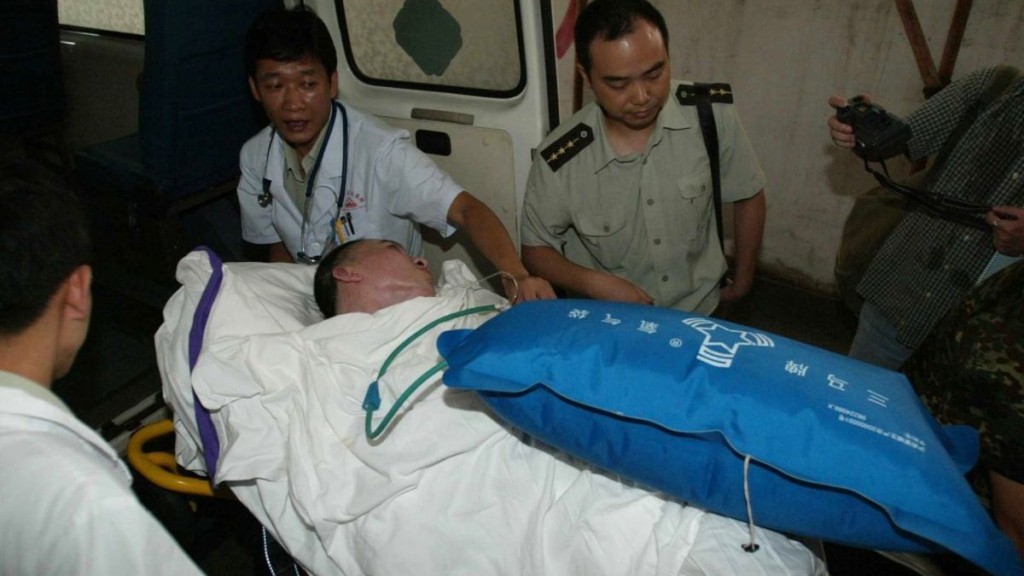
Chu was 30 when he was attacked on the morning of July 19, 2005. He had been carrying out routine patrol duties when he approached a man he considered suspicious. Within moments, the encounter turned violent.
The man, identified by his surname Liu, suddenly produced a fruit knife and slashed Chu across the neck, severing his carotid artery.
Despite suffering a serious injury and losing a large amount of blood, Chu attempted to chase the attacker. He eventually collapsed and lost consciousness. The severe blood loss caused a lack of oxygen to his brain, leaving him paralysed from the neck down.
More than 20 years later, the consequences of that morning had remained with him throughout his life.
Attack During Police Patrol
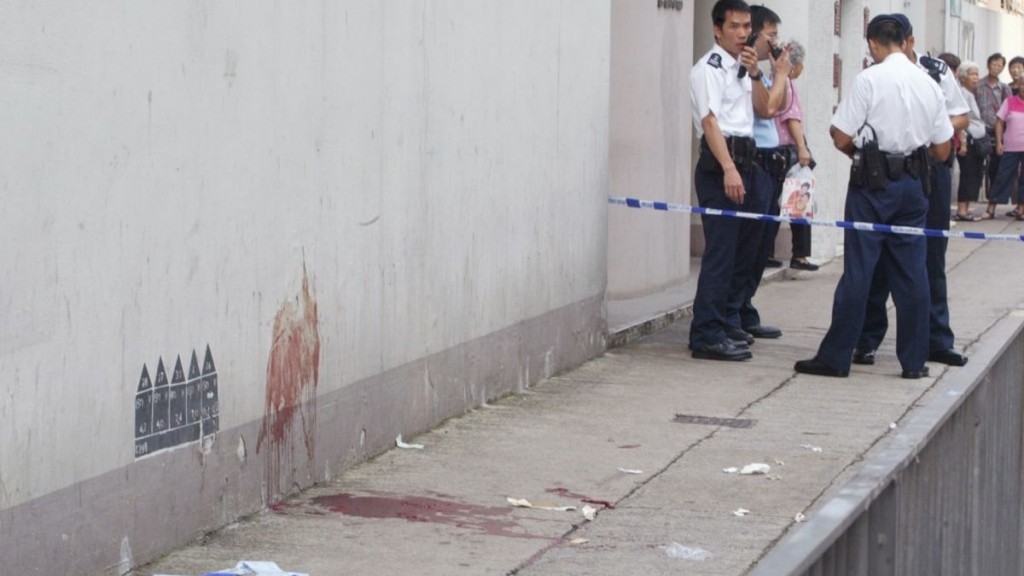
The incident unfolded during Chu's patrol in Cheung Sha Wan. At the time, he was carrying out the duties expected of a frontline police officer, approaching a person he regarded as suspicious.
The confrontation escalated almost immediately.
Liu, who was 23 at the time, attacked Chu with a fruit knife. The wound struck a major blood vessel in his neck, causing catastrophic blood loss.
Chu nevertheless tried to pursue the attacker before collapsing.
The extent of his injuries changed the course of his life. The loss of blood and resulting brain hypoxia left him paralysed from the neck down, meaning he required extensive care for the years that followed.
The attack also had lasting consequences for his family, who would spend more than two decades adapting their lives around his condition.
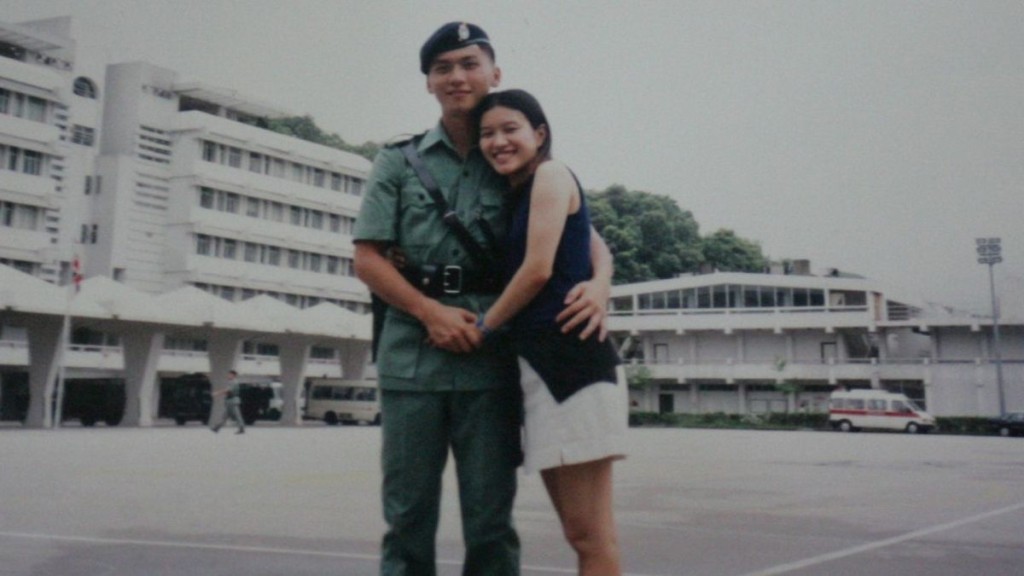
Attacker Sentenced to Prison
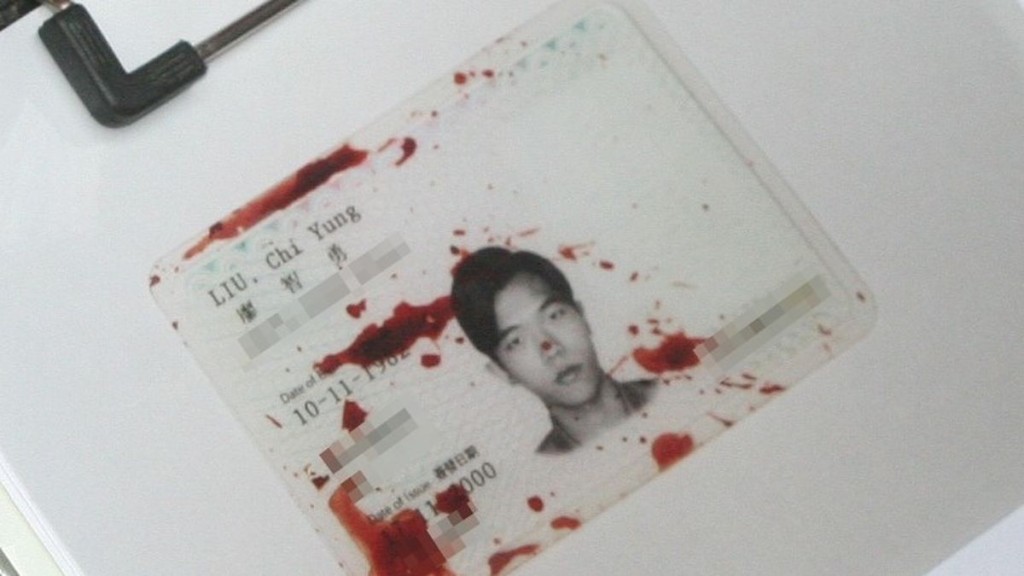
Liu later surrendered to police and was prosecuted for the attack.
He was sentenced to 10 years in prison. After serving five years and nine months, he was released on parole in April 2011.
By then, Chu's life had been fundamentally altered by the injuries he suffered during the attack.
While the criminal case eventually reached its conclusion, there was no comparable end point for Chu or his family. His paralysis remained, and efforts to improve his condition continued.
Years of Treatment
Chu underwent various forms of treatment in the hope of recovering from his injuries.
Among them was hyperbaric oxygen therapy in Guangzhou. The treatment was undertaken as part of continuing efforts to address the consequences of the brain hypoxia he had suffered during the attack.
Despite those efforts, there were no signs of meaningful improvement.
His condition meant that daily life required sustained assistance. His mother and wife remained closely involved in his care over the years, supporting him through a period that stretched far beyond the original criminal case.
For his family, the attack was not simply an event that happened in 2005. Its effects continued through the following years, shaping family life as Chu lived with permanent paralysis.
A Daughter Who Grew Up With Her Father's Story
Chu's daughter was only eight years old when her father was attacked.
As she grew older, she came to understand the circumstances surrounding his injuries and why he had been on the streets that morning.
In a past interview, Chu's wife described how their daughter understood that her father had been injured while carrying out his responsibilities as a police officer.
The daughter later graduated in art and design in Australia, building her own life while continuing to carry the memory of what happened to her father.
She has spoken about her pride in him and about the possibility of preserving his story for another generation.
"I hope if I have children in the future, they will know my father was a hero," she said.
Her words reflect how the 2005 attack became part of the family's history. For a child who was eight when her father was injured, more than two decades passed with his condition remaining a constant part of family life.
A Life Changed by Seconds
Chu's case illustrates how quickly a routine police encounter can change the lives of an officer and an entire family.
Before the attack, he was a young constable carrying out patrol duties. After it, he was left paralysed from the neck down and dependent on long term care.
The attack lasted moments. Its consequences lasted more than 20 years.
His family continued to care for him despite the absence of improvement from the treatments he received. His wife remained by his side, while his mother also helped care for him over the years.
The eventual release of his attacker in 2011 did not bring an end to those responsibilities. By then, Chu had already spent years living with the physical consequences of the attack, and his family faced the reality of continuing care.
Chu died at the age of 51, more than 20 years after a patrol in Cheung Sha Wan changed his life forever.
Remembering Constable Chu Chun kwok
The story of Chu Chun kwok is also the story of what happens after a violent incident leaves the headlines.
The criminal proceedings ended years ago. The attacker served his sentence and was released on parole. But Chu's family continued to live with the consequences long after the court case was over.
For more than two decades, his mother and wife cared for him as he lived with paralysis. His daughter grew from an eight year old child into an adult who completed her education overseas and spoke publicly about her father's experience.
Her hope of writing a book about those experiences points to another part of Chu's legacy: the desire to ensure that the person behind the injury is remembered, not simply the circumstances of the attack.
Chu died at the age of 51, more than 20 years after a patrol in Cheung Sha Wan changed his life forever.
His family's account leaves a question worth considering: How should society remember police officers whose injuries continue to affect them and their families long after the incident itself has passed?