

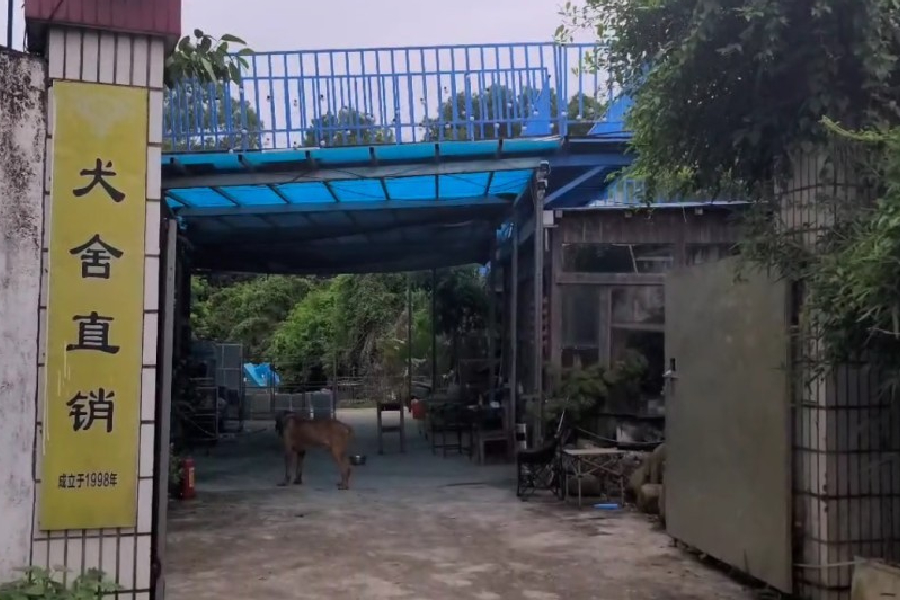
An undercover investigation has found kennels in Shenzhen openly offering banned fighting dogs to Hong Kong buyers and arranging smuggling services that promise delivery across the border, despite laws that prohibit the importation and breeding of such animals in the city.
The findings come after a recent fatal incident in Ta Kwu Ling involving a dog later confirmed to have fighting dog ancestry, bringing renewed attention to the presence and movement of dangerous breeds in Hong Kong.
Hong Kong law strictly restricts fighting dogs, yet online advertisements for breeds that fall within or are associated with dangerous dog categories remain accessible on mainstream social media platforms. Some sellers are not merely offering the animals for sale. They are also advertising transport arrangements designed to get them into Hong Kong.
An undercover reporter from Sing Tao Probe, the sister publication of The Standard, contacted several breeders in Shenzhen while posing as a prospective buyer. The investigation uncovered a network of sellers willing to discuss banned breeds, delivery prices and compensation arrangements if an animal was intercepted by customs officers.
Shenzhen seller offers Pit Bull and cross-border transport
One seller recommended a one-year-old American Pit Bull Terrier for 13,000 yuan. The buyer was asked to pay a 500 yuan deposit before viewing the dog because the seller said it had to be transported from Guangzhou.
American Pit Bull Terriers are widely associated with fighting dog breeds and are known for their strength, speed and powerful bite. Their history as dogs bred for combat has led to restrictions in a number of jurisdictions.
The reporter later travelled to a secluded kennel in the hills of the Baiwang community in Shenzhen's Nanshan District.
At the facility, the operator introduced the Pit Bull and sought to reassure the prospective buyer about its behaviour. The seller said the dog could gradually adapt to Cantonese commands and could be used as a guard dog. According to the operator, the animal would not become aggressive unless provoked by another animal.
The kennel operator also acknowledged that the dog had not been vaccinated but insisted that it was healthy. During the meeting, the handler pulled open the dog's mouth to show its teeth and walked it around the compound to demonstrate its movement and physical condition.
The conversation then turned to the most sensitive part of the transaction: getting the animal into Hong Kong.
The operator quoted an additional smuggling charge of about 8,000 yuan, saying the final amount would depend on the dog's size and weight. The seller refused to explain the precise route that would be used but offered a guarantee that covered the financial risk of interception.
If customs officers stopped the shipment, the seller said both the purchase price and the transportation charge would be refunded.
The kennel was not exclusively focused on fighting breeds. It also sold dogs commonly marketed as family pets, including Golden Retrievers and Labradors. The operator said buyers from Hong Kong regularly purchased puppies from the facility.
That mix of ordinary pet breeds and dogs subject to tighter restrictions could make it easier for buyers to approach sellers who operate across a broad commercial market rather than through an openly identified network dealing solely in prohibited animals.
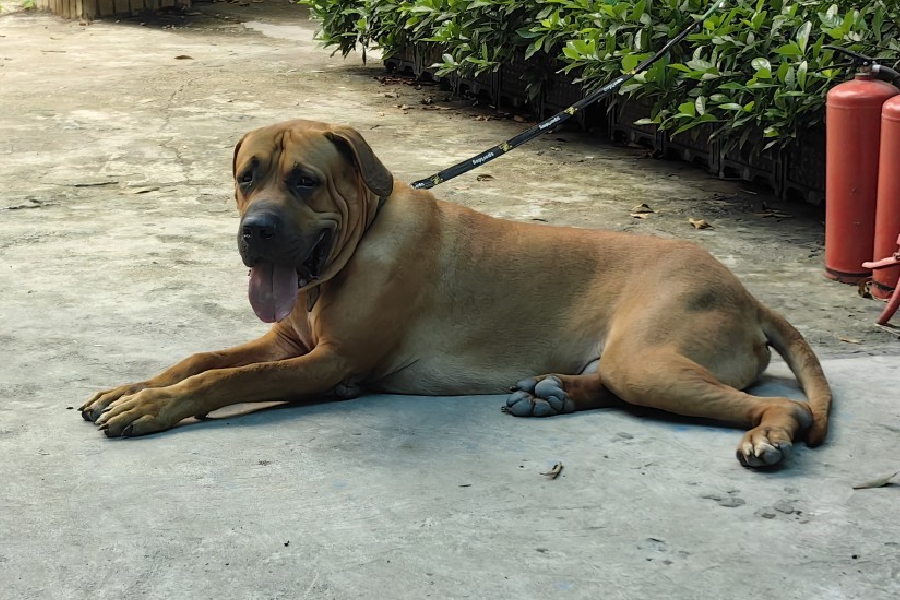
Doberman kennel offers door-to-door transport
A second visit, also in Shenzhen's Nanshan District, revealed another kennel willing to arrange cross-border delivery.
The facility was selling a four-month-old Doberman Pinscher for 9,000 yuan. Dobermans have historically been bred for military, police and security work and are valued for their physical strength and guarding instincts.
During the visit, the reporter witnessed ear cropping being carried out on-site. The procedure, which involves removing part of a dog's ears so they later stand upright, was performed as part of the kennel's preparation of Dobermans for sale.
The operator said all of the kennel's Dobermans underwent the procedure before being sold so buyers would not have to arrange it themselves.
The breeder was equally open about transport arrangements.
According to the operator, animals could be taken into Hong Kong using cross-border passenger coaches through arrangements involving coach stations. The quoted cost for doorstep delivery was about 1,200 yuan.
The seller said the service had previously cost around 800 yuan when the animal was delivered only as far as the border crossing. The higher price reflected the additional arrangements required to take the dog directly to the buyer.
Unlike the first kennel, however, this operator offered more limited compensation if the animal was intercepted.
Only the transportation fee would be refunded, the seller said. The buyer would lose the money paid for the dog itself.
The different guarantees offered by the two sellers suggest that the financial risk of illegal transport is being treated as part of the commercial transaction. Buyers are presented with options that include not only the animal's price but also a separate calculation for moving it across the border.

Illegal animal trafficking cases rise sharply
The investigation comes as official figures show a steep increase in illegal cross-border animal trafficking cases involving Hong Kong.
The Customs and Excise Department recorded 28 cases of illegal animal importation and exportation in 2025.
In the first eight months of this year, however, authorities had already recorded 55 cases, almost double the total for the entire previous year.
The figures point to a growing enforcement challenge at a time when online platforms allow potential buyers and sellers to connect before arranging meetings or transport privately.
Hong Kong's Agriculture, Fisheries and Conservation Department has stressed that the Dangerous Dogs Regulation carries serious penalties for people who illegally import or breed fighting dogs.
Anyone convicted of importing or breeding a fighting dog in Hong Kong can face a maximum fine of HK$50,000 and up to six months in prison.
The law does provide limited conditions under which fighting dogs already in Hong Kong may be kept. Such animals must have been previously neutered and supported by valid sterilisation certificates, and owners must comply with strict licensing requirements.
As of early September, only 35 licensed fighting dogs were registered in Hong Kong.
That figure stands in sharp contrast to the ease with which some mainland sellers appeared willing to discuss supplying dogs and arranging their movement into the city.
The investigation also raises broader questions about how illegal animal transport networks operate. A seller may be based outside Hong Kong, while the buyer communicates through mainstream social media and the actual movement of the animal is handled through separate transport arrangements. That division can make the trade harder to detect before the animal reaches a border checkpoint.
For authorities, the challenge extends beyond stopping individual shipments. The rapid increase in recorded cases suggests a need to examine the sellers, intermediaries and transport channels that make the trade possible.
The Shenzhen investigation showed that, despite Hong Kong's strict restrictions, a prospective buyer could receive price quotations, discuss delivery arrangements and even negotiate financial compensation for a failed smuggling attempt.
With illegal animal trafficking cases already surpassing last year's total in just eight months, the question for enforcement agencies is no longer simply whether prohibited dogs are being offered to Hong Kong buyers. The evidence suggests they are.
The more urgent question is how many have already crossed the border undetected, and what further action will be taken against the networks that advertise, transport and profit from the trade.
What stronger measures should Hong Kong authorities take to identify online sellers and dismantle cross-border networks involved in illegal animal trafficking?