

Sun Hung Kai Properties is expanding its culture, tourism and commerce strategy across Hong Kong and the Greater Bay Area, using its retail and heritage properties as venues for music, visual art and creative education.
The property group has introduced three major initiatives this year, including a cross border partnership with the Hong Kong Chinese Orchestra, an international artist residency at Ma Wan 1868 and its support for the first Hong Kong Secondary School Brand IP Competition.
The projects bring together shopping, tourism, heritage and the arts in settings that traditionally serve commercial purposes. SHKP says the approach is intended to give shoppers and visitors more reasons to spend time at its properties while creating opportunities for artists, students and cultural organisations to reach wider audiences.
Chinese music reaches malls in Hong Kong and Guangzhou
One of the most prominent initiatives this year has been SHKP’s first cross sector partnership with the Hong Kong Chinese Orchestra.
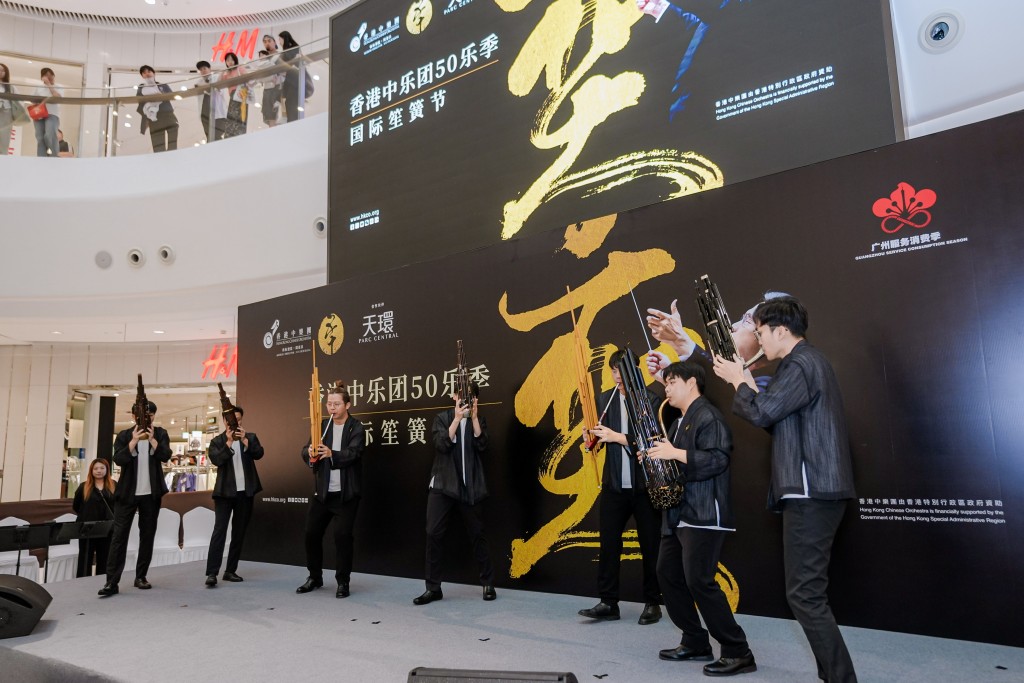
The property group became a venue partner for the orchestra’s 50th Anniversary Season and the International Sheng and Reeds Festival 2026. The programme extended beyond a single performance venue, bringing Chinese orchestral music into commercial and cultural spaces in both Hong Kong and Guangzhou.
During the summer, the programme connected Guangzhou Parc Central, Ma Wan 1868 and YOHO MALL in Yuen Long.
The choice of locations reflected SHKP’s wider effort to connect cultural activity with its commercial properties and tourism destinations. Instead of limiting performances to established concert halls, the initiative placed live music in locations already visited by shoppers, tourists and families.
Judy S. M. Chow, General Manager of Leasing at Sun Hung Kai Real Estate Agency, said the initiatives had created a wider range of cultural experiences for residents and visitors.
She said the programmes also strengthened the artistic character of SHKP’s mall portfolio and helped give its properties a stronger identity beyond their traditional retail functions.
Helen K. Y. Chan, Deputy General Manager of Promotions at Sun Hung Kai Real Estate Agency, said audiences had responded particularly well to the Chinese orchestral performances.
“The public response far exceeded our expectations,” she said.
The response has encouraged SHKP to continue developing projects that place cultural experiences within commercial environments. For the group, the model creates an opportunity to bring together audiences who may not normally attend formal cultural events with artists and performers looking for new spaces to present their work.
The Greater Bay Area element also adds another dimension. Guangzhou and Hong Kong have strong economic and cultural links, and cross border programmes can give cultural organisations opportunities to reach audiences on both sides of the boundary.
Ma Wan 1868 becomes a platform for international artists
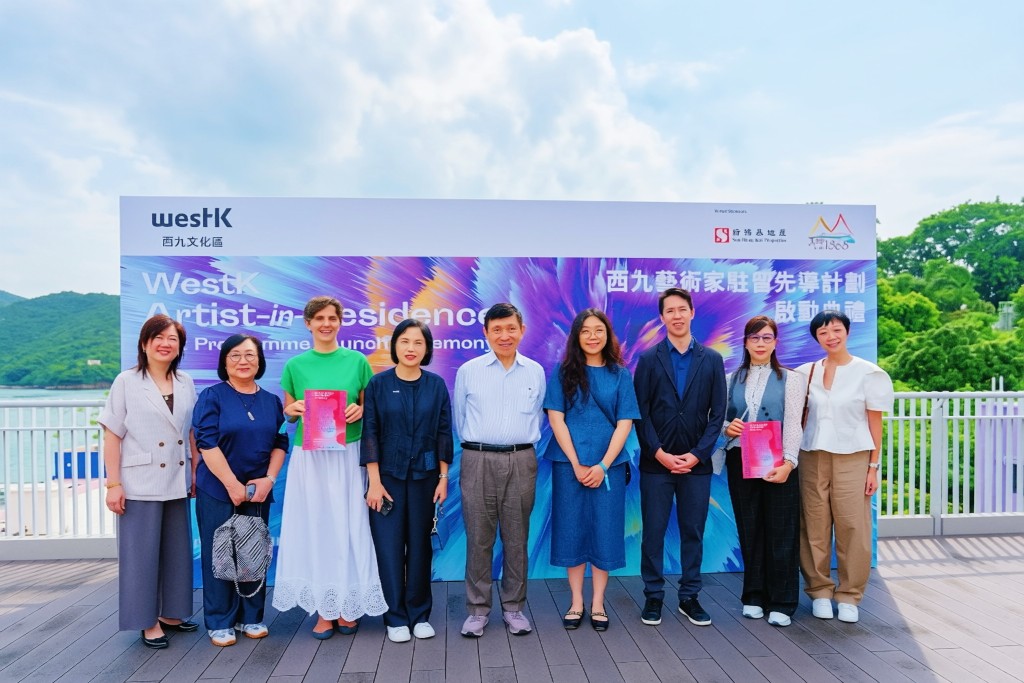
SHKP’s cultural programme extends beyond music. Earlier this year, Ma Wan 1868 hosted the first programme under the WestK Academy’s WestK Artist in Residence Pilot Programme.
The WestK Academy operates under the West Kowloon Cultural District Authority, and its inaugural residency brought together artists from Hong Kong and the Czech Republic.
The residency ran for 10 weeks from late May to August. During that period, participating artists worked in Ma Wan and developed new pieces inspired by their surroundings, experiences and exchanges with one another.
The residency ended with an exhibition titled Undercurrents, featuring 40 newly created works.
The programme gave the artists more than a location in which to work. It created an environment for cultural exchange, allowing creators from different backgrounds to compare ideas, working methods and perspectives.
Chow said the residency helped promote deeper exchanges between Hong Kong and Czech artists.
The programme also reinforced the role SHKP wants Ma Wan 1868 to play in its wider culture, tourism and commerce strategy.
Ma Wan 1868 forms the second phase of Ma Wan Park and combines heritage conservation with new uses for the historic site. SHKP sees the project as a base from which it can introduce more cultural and tourism experiences across its wider property network.
The company plans to gradually expand these elements across its malls, creating programmes that encourage visitors to experience its properties for reasons beyond shopping.
That shift could change how commercial spaces are used. A mall can become a place where people attend a performance, discover an exhibition, take part in an educational programme or encounter local heritage before or after visiting shops and restaurants.
Students bring new ideas to Ma Wan heritage site
SHKP is also turning its attention to younger creators through the Hong Kong Secondary School Brand IP Competition.
Ma Wan 1868 was selected as an official partner brand for the inaugural competition. The heritage revitalisation project reflects the concept of giving an old village a new life, making it a natural setting for students to explore the relationship between history, culture and contemporary creativity.
Twelve student teams from nine local secondary schools took part.
Rather than developing their ideas entirely from classroom research, the students conducted on site investigations at Ma Wan 1868. They examined the area’s historical and cultural characteristics before developing original intellectual property characters specifically for the heritage site.
The exercise required students to turn their observations into creative concepts. Their work connected the physical environment with storytelling and character design, giving them an opportunity to think about how heritage can be presented to younger audiences.
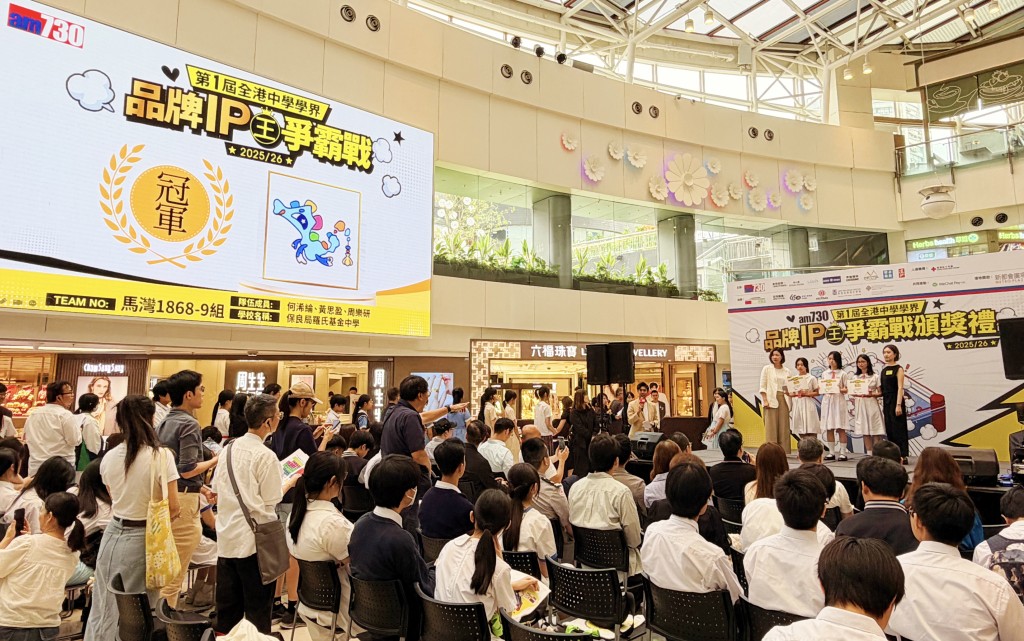
Po Leung Kuk Laws Foundation College won the championship.
Diocesan Girls’ School finished second, while Madam Lau Kam Lung Secondary School of Miu Fat Buddhist Monastery took third place.
The award presentation ceremony took place at Metroplaza in Kwai Fong on June 27, 2026.
For the participating students, the competition provided practical experience in research, creative development and brand building. For Ma Wan 1868, it offered another way to introduce the heritage site to a younger audience.
From shopping centres to cultural destinations
The three initiatives point to a broader change in how SHKP is approaching its commercial portfolio.
Shopping centres have traditionally been built around retail, dining and entertainment. SHKP’s latest programmes add another layer by using these spaces to host cultural activities and connect visitors with artists, musicians and young creators.
The strategy also gives cultural organisations access to established venues and audiences. A performance inside a mall can reach people who may not have planned to attend a concert, while an exhibition at a heritage site can introduce visitors to contemporary art in an informal setting.
For SHKP, the approach also strengthens the connection between its properties and the communities around them.
Chow said the company would continue developing cultural and tourism components across its mall network. The aim is to provide visitors with more varied experiences while extending the cultural role of its properties.
The Greater Bay Area dimension is equally significant. By linking Guangzhou with Hong Kong venues, SHKP has demonstrated how commercial properties can form part of cross border cultural programmes rather than operating as separate retail destinations.
The partnership with the Hong Kong Chinese Orchestra also gives traditional Chinese music a setting that differs from the conventional concert hall. At the same time, the Ma Wan residency brings international contemporary art into a historic Hong Kong environment, while the student competition encourages young people to reinterpret local heritage through modern creative work.
A wider role for commercial property
SHKP’s latest projects suggest that the future of commercial property may increasingly depend on what happens inside a building beyond retail transactions.
Music, exhibitions, artist residencies and student programmes can increase the reasons people visit a property and stay longer. They can also create links between businesses, cultural groups, tourists, residents and schools.
The group’s three initiatives bring those ideas together in different ways. The Chinese Orchestra partnership connects Hong Kong and Guangzhou through music. The Ma Wan residency creates an international platform for artists. The student competition gives young people an opportunity to reinterpret heritage through original characters and stories.
SHKP now plans to extend cultural and tourism experiences across more of its mall network.
As Hong Kong continues to strengthen its connections with neighbouring cities and develop new ways to attract visitors, the question is no longer simply how many people enter a shopping centre. It is what experience they take away when they leave.