

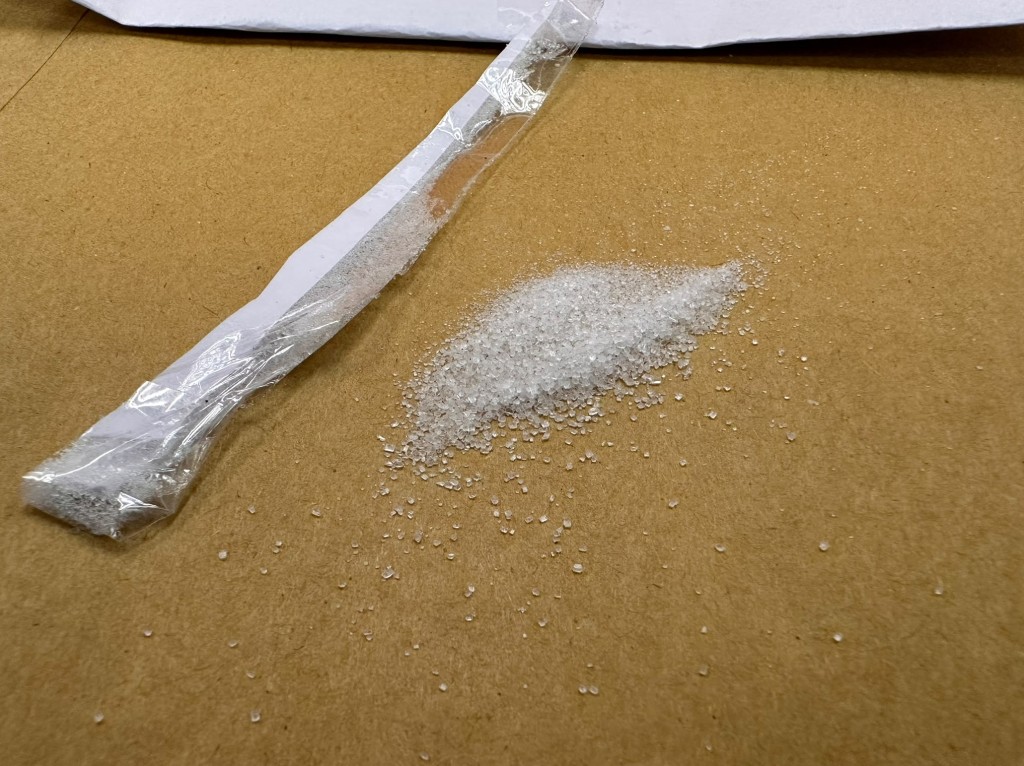
A threatening letter containing unidentified white crystalline powder was delivered to the newsroom of Sing Tao Probe at the Sing Tao News Corporation Building in Tseung Kwan O, prompting a police investigation and the deployment of specialist emergency personnel.
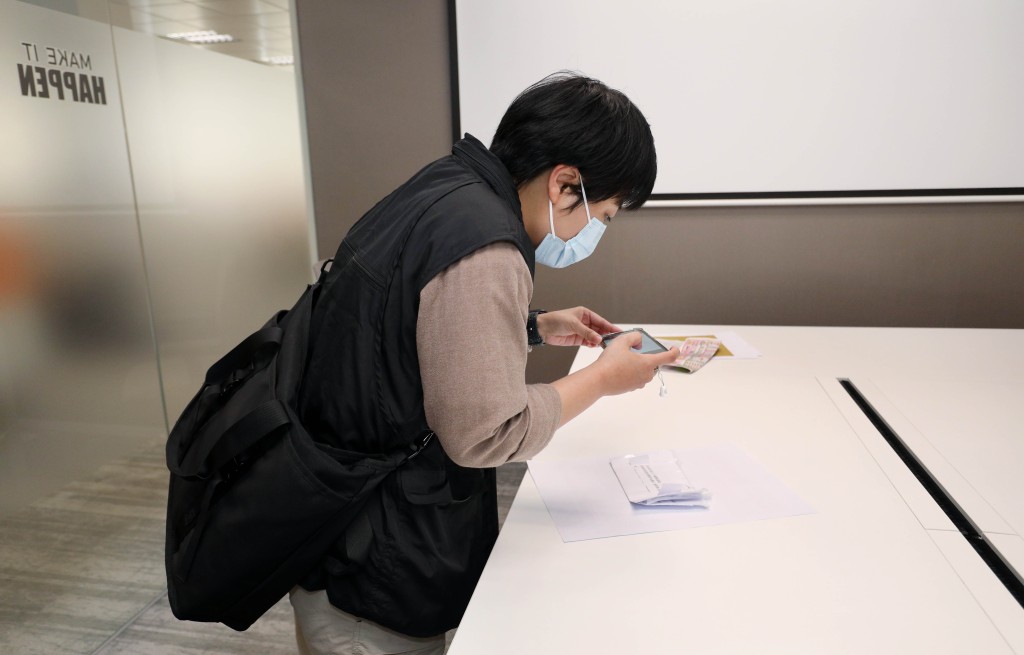
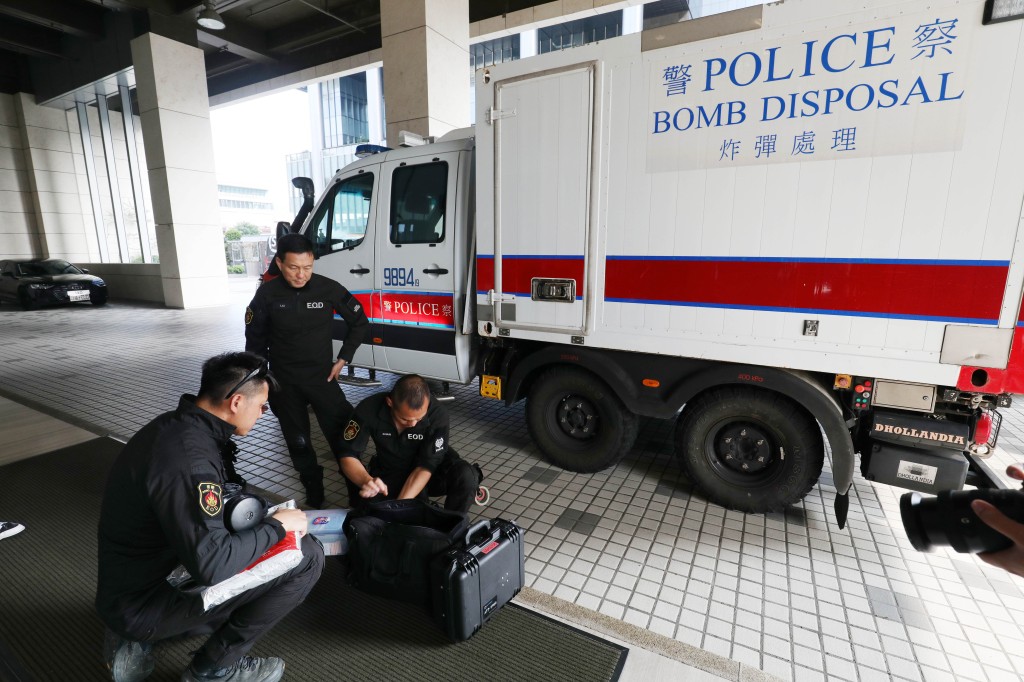
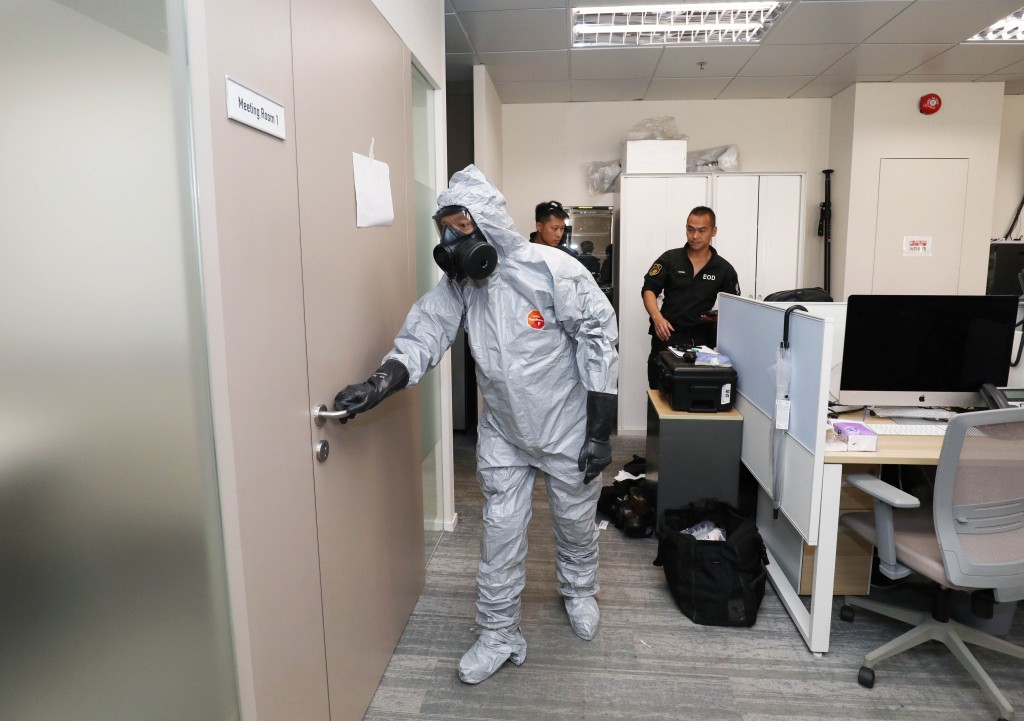
Staff at the consumer advocacy platform discovered the suspicious correspondence and alerted police after opening the envelope. Officers from the Explosive Ordnance Disposal Bureau and district crime investigators were sent to the media group's headquarters to assess the package and secure the substance.
Police removed the letter and its contents for forensic examination. The case has been classified as criminal intimidation and is being investigated by the Tseung Kwan O district crime squad, which is working to identify the sender and trace the origins of the mailing.
Suspicious powder found inside handmade envelope
Initial police inquiries found that the letter had been sent through the ordinary postal system. Rather than using a conventional envelope, the sender folded a standard sheet of paper to create the outer covering.
The item was addressed to the editorial department of Sing Tao Probe and carried a Hongkong Post postmark dated September 24.
Inside, staff found a small, elongated plastic bag containing a white crystalline powder. The bag had been taped inside the folded paper, making the unusual substance part of the threatening communication.
Specialist officers secured the material before taking it away for examination. The nature of the powder had not been established at the time of the initial investigation.
The presence of an unidentified substance prompted the emergency response because authorities could not immediately determine whether the material posed a chemical, biological or other physical danger. Such assessments require trained personnel and appropriate testing rather than assumptions based on appearance alone.
Alongside the powder was a single-page computer-printed letter written in colloquial Cantonese.
The contents quickly made clear that the sender was not simply filing a consumer complaint. The writer accused the newsroom of ignoring an earlier grievance and then directed a series of personal accusations and threats at the organization and other media outlets.
Sender angry over an unpublished complaint
According to the contents of the letter, the writer claimed to have submitted a complaint about a local board game parlour roughly a year earlier.
The sender alleged that Sing Tao Probe had deliberately chosen not to publish the complaint and accused the editorial department of protecting the business.
The letter then moved beyond the dispute over the unpublished complaint. The writer referred to previous media reports that had allegedly connected him with late-night stalking and covert photography involving women in Wan Tau Tong and shopping arcades.
Several news organizations were reportedly singled out in the correspondence.
The tone became increasingly hostile as the letter progressed. Toward its conclusion, the writer threatened to take matters into his own hands and described plans to pursue what he portrayed as his own form of justice.
The letter was signed using the aliases “Tai Po Eason Chan” and “Hins Cheung”.
Police are now examining the correspondence, the mailing method and the material found inside it as they work to establish who sent the package.
The use of aliases could complicate efforts to identify the sender, but investigators can examine postal information, the wording and contents of the letter, forensic evidence and other available leads.
Sing Tao condemns threats against journalists
Sing Tao News Corporation condemned the incident and any attempt to intimidate its editorial staff.
The company said its journalists and editorial teams would continue to follow principles of objectivity and professionalism while serving the public and reporting on matters of community interest.
The response comes as media organizations face the practical challenge of maintaining normal newsroom operations when threatening correspondence is received. Suspicious packages require immediate attention because employees cannot determine from an envelope alone whether a substance inside is harmless or dangerous.
For journalists, threats can also affect the ordinary process of receiving complaints and information from members of the public. Consumer advocacy outlets, in particular, routinely receive grievances from individuals seeking publicity or intervention in disputes with businesses and organizations.
An unsuccessful complaint, however, does not give a sender the right to threaten journalists or introduce suspicious substances into a newsroom.
White powder scares have triggered emergency responses
The Tseung Kwan O incident also comes against the backdrop of previous white powder scares in Hong Kong.
Authorities have dealt with other threatening letters containing unidentified substances that were sent to government offices, senior officials, judicial bodies and private companies.
Some earlier cases generated major emergency responses before laboratory testing established that the suspicious material was harmless.
Letters sent to the Chief Executive's Office and judicial chambers, for example, previously triggered police and firefighting deployments after authorities discovered substances that appeared suspicious. Subsequent examinations found materials including ordinary household substances such as refined sugar or powdered glass.
In another case, a commercial insurance company received a threatening letter falsely claiming that it contained anthrax.
Such incidents can rapidly expand beyond the intended recipient. Once an unknown substance is reported, emergency services must assess the potential risk, secure the location and determine whether specialist teams are required. The response can involve police officers, bomb disposal personnel, firefighters and forensic specialists.
That means even a hoax can consume significant public resources.
Police warn against threatening hoaxes
Hong Kong authorities have repeatedly warned that threatening communications involving suspicious substances are not treated as harmless pranks.
A person who deliberately sends a menacing letter or falsely claims that a package contains a dangerous substance can trigger an emergency response while creating fear among staff and members of the public.
Investigators in the latest case are therefore examining both the threat itself and the suspicious powder found with it.
For the newsroom, the immediate priority is the safety of its employees. For investigators, the task is to establish whether the substance is dangerous, determine who prepared and mailed the letter, and assess the full extent of the threats contained in the message.
The case also places renewed attention on the consequences of using threats to pursue a personal grievance. A complaint that is not published can be challenged through legitimate channels, but sending threatening correspondence containing an unidentified substance can turn a private dispute into a criminal investigation.
As police continue tracing the letter's source and await forensic findings on the white powder, the central question is now straightforward: who sent the package, and what was actually inside it?