

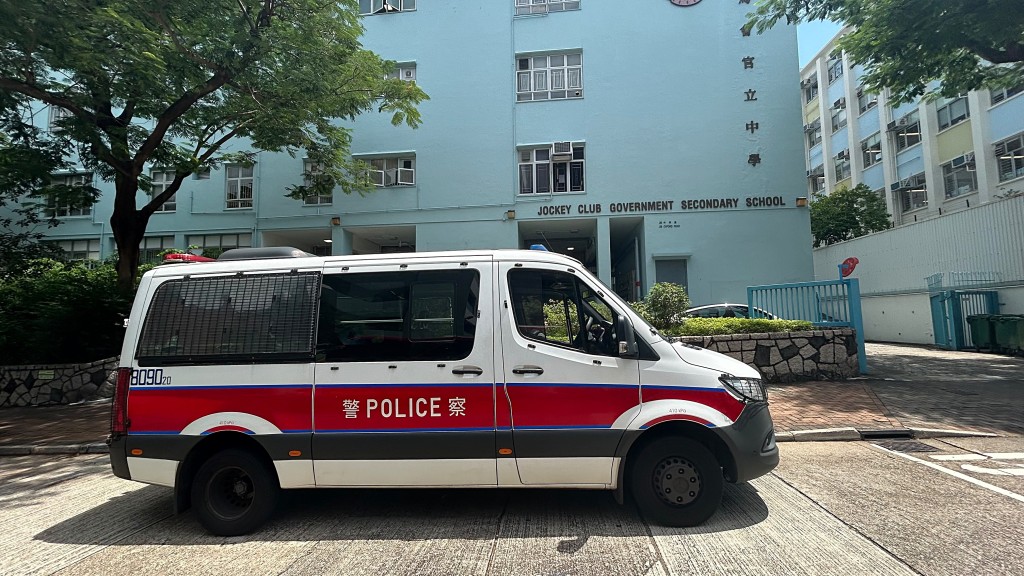
Three 13 year old secondary school students were questioned by Hong Kong police after teachers suspected they had been vaping etomidate during class hours at a school in Kowloon Tong.
School staff alerted police at about 11am on Thursday after noticing unusual behaviour from the three Secondary Two students. A teacher suspected the girls may have inhaled etomidate, a substance that has become a growing concern in Hong Kong because of its appearance in some illicit vaping products.
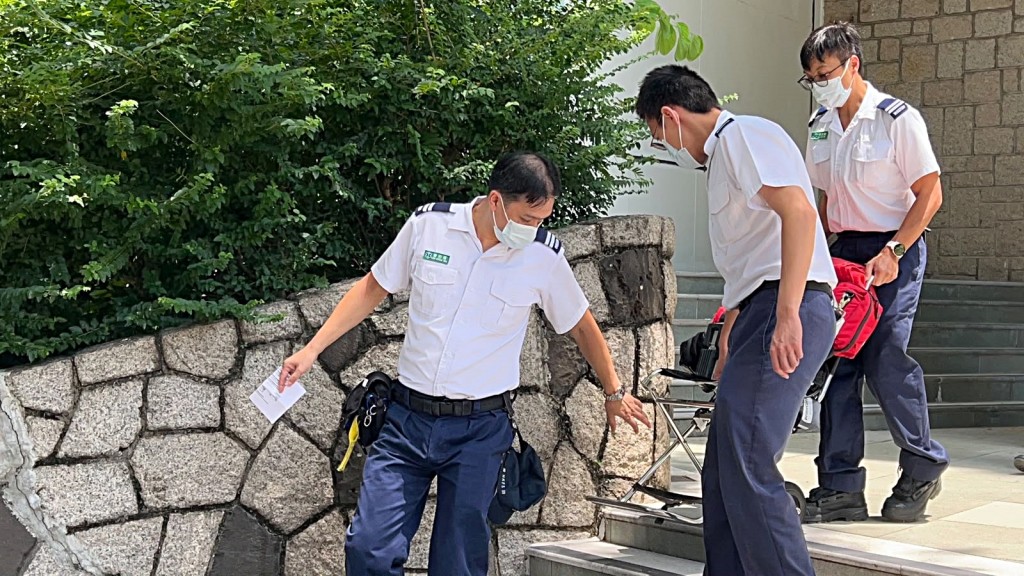
The teacher subsequently searched the students and confiscated two electronic cigarettes from two of the girls. Police officers arrived at the school to investigate the incident and examine the seized devices.
However, preliminary examinations found no evidence of etomidate in the two electronic cigarettes. Police did not make any arrests.
Teachers Raise Concern During Class
The incident began during school hours when teachers noticed that the three students were behaving unusually. Rather than waiting for the situation to develop, school staff contacted the authorities and began checking whether the students had been using prohibited substances.
A teacher carried out a search after suspecting that the girls could have inhaled etomidate. Two electronic cigarettes were recovered from two of the students and subsequently handed over for examination.
The case was then referred to police, who attended the school and conducted an initial investigation.
The preliminary examination did not detect etomidate in the seized devices. That finding means the substance suspected by school staff was not identified in the electronic cigarettes during the initial checks.
No arrests followed the investigation.
Etomidate Raises Concern Over Youth Vaping
Etomidate is an anaesthetic drug that has drawn increasing attention in Hong Kong after being found in illicit vaping products. Its presence in electronic cigarettes has raised concerns among schools, parents, health professionals and law enforcement agencies because young people may encounter the substance through products that resemble ordinary vapes.
The Kowloon Tong incident illustrates one of the challenges faced by schools when staff encounter students suspected of using vaping products. An unusual change in behaviour can prompt concern, but establishing what a student has actually inhaled requires further examination.
In this case, teachers acted after noticing behaviour they considered abnormal. The discovery of two electronic cigarettes led to a police investigation, but the preliminary examination did not establish the presence of etomidate.
That distinction is important. The students were questioned because of the circumstances surrounding the incident and the suspicion raised by school staff. The available preliminary findings did not confirm that they had been vaping etomidate.
No Arrests After Preliminary Examination
Police involvement did not result in arrests.
Officers examined the seized electronic cigarettes as part of their initial investigation. The preliminary results found no evidence of etomidate, leaving no confirmed finding that the devices contained the substance suspected by the teacher.
The incident nonetheless shows how quickly concerns about illicit vaping can reach law enforcement when schools suspect students may be using prohibited substances.
For teachers, identifying unusual behaviour can be difficult without knowing its cause. Students may behave differently because of illness, stress, fatigue or other factors, while exposure to drugs can produce its own range of symptoms. Where staff believe a student may have consumed or inhaled a controlled substance, authorities can be called in to assess the situation.
School Staff Remain on Front Line of Prevention
Schools have an important role in identifying potential substance use among young people because teachers and other staff spend significant amounts of time with students and may notice sudden changes in behaviour.
The Kowloon Tong case involved three young students in Secondary Two, making their age a particular concern. At 13, students are still in the early years of secondary education and may have limited understanding of the health and legal risks associated with illicit substances.
Electronic cigarettes can make detection more difficult because they are compact and can resemble common consumer products. The presence of a vape alone also does not establish what substance it contains.
That was evident in Thursday's incident. Teachers suspected etomidate use and recovered two electronic cigarettes, but the preliminary examination did not find the drug in those devices.
The case therefore demonstrates the difference between suspicion and confirmation. School staff identified a concern, took action and involved police, while investigators examined the available evidence before determining whether the suspected substance was present.
Investigation Follows Concerns Over Students' Behaviour
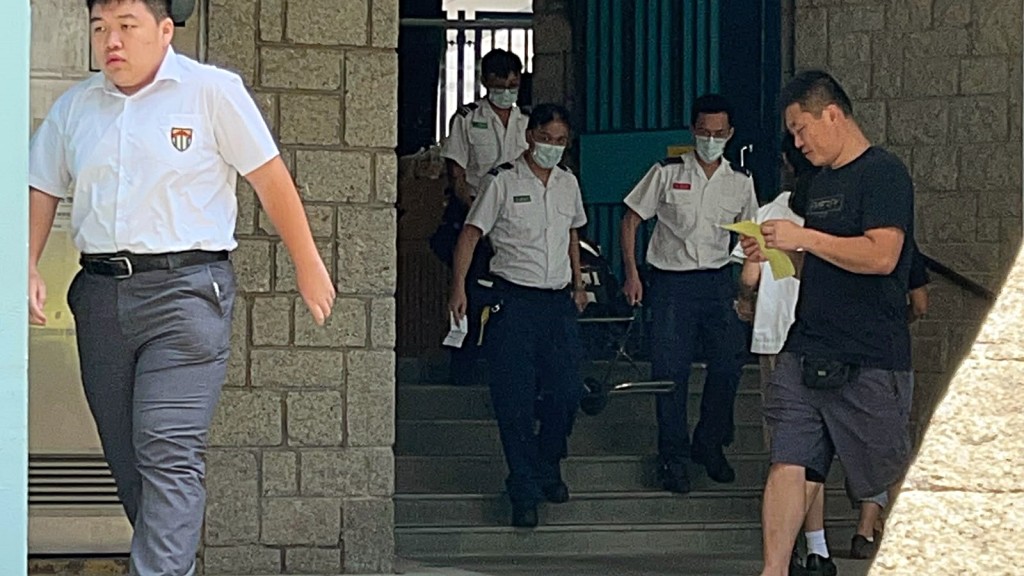
The three students were questioned as part of the police response. No arrest was reported.
The immediate focus was on determining what had happened during class hours and whether the electronic cigarettes contained the substance suspected by the school.
The preliminary examination provided no evidence of etomidate in the two seized devices. Further action, if required, would depend on the findings available to the authorities and any additional information arising from the investigation.
For parents and schools, the incident also raises a broader question about how young people obtain and use vaping products and how quickly adults can identify potentially harmful behaviour.
While the preliminary examination did not confirm etomidate in the seized devices, the response from school staff was swift. Teachers noticed unusual behaviour, searched for possible vaping products, recovered two electronic cigarettes and contacted police.
The incident ended without arrests, but it has drawn attention to the need for schools and families to remain alert to the changing ways in which young people may encounter illicit substances.
As concerns over drug containing vaping products continue, should schools strengthen education and early intervention measures to help prevent young students from becoming involved with such products in the first place?