

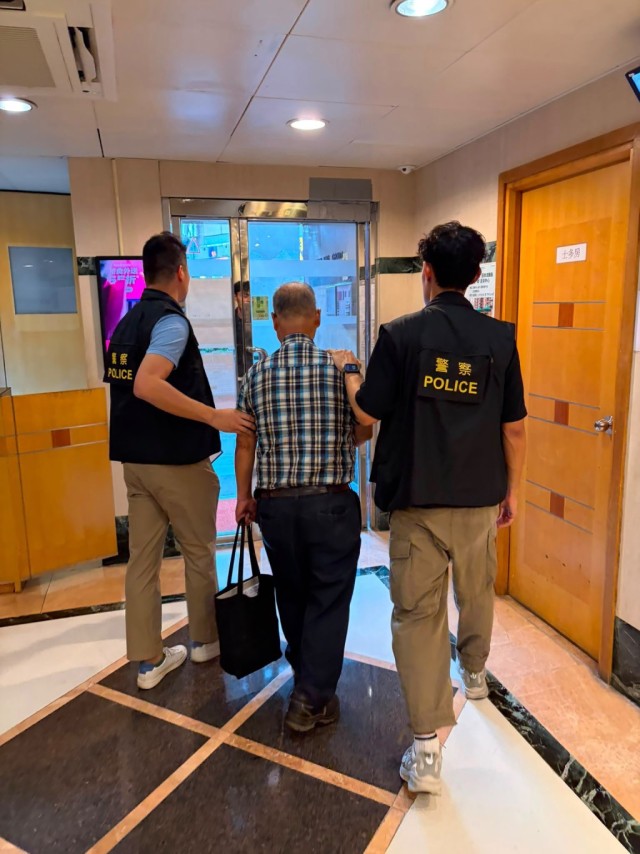
Hong Kong police have arrested three men over alleged fraud involving missing fire resistant door frames in 48 lifts undergoing modernization at two public housing estates, raising questions about contractor oversight and the certification of safety related engineering work. Investigators suspect the contractor and two engineers concealed installation omissions while declaring that the projects met statutory and contractual requirements.
The arrests followed an investigation by the New Territories South Regional Crime Unit after the Electrical and Mechanical Services Department (EMSD) referred the case to police. The department discovered significant discrepancies between the completion documents submitted for the projects and the equipment installed at the affected estates.
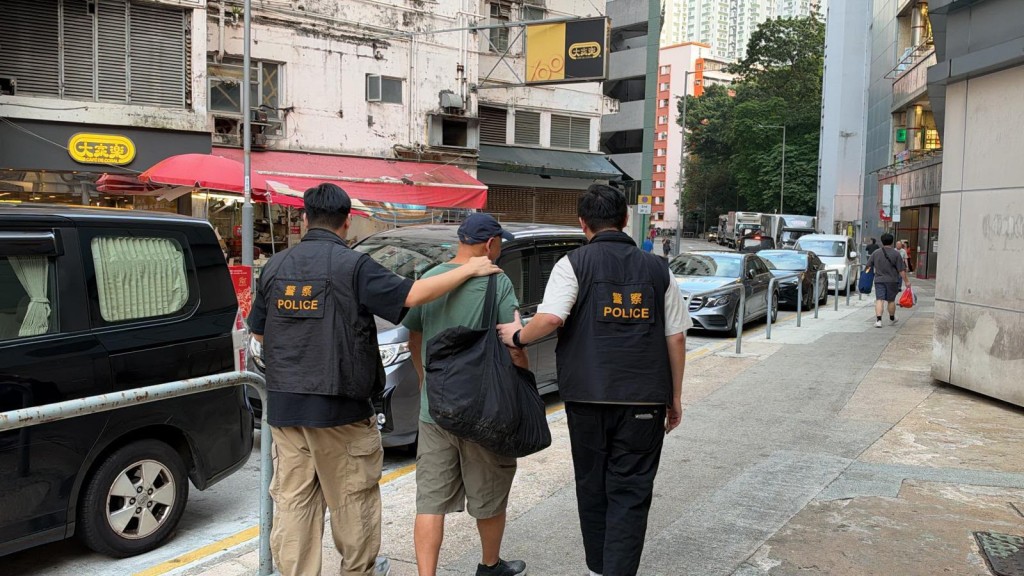
The three men arrested are a 79 year old company shareholder and director surnamed Cheung, an 82 year old staff engineer surnamed Chung, and a 63 year old external consulting engineer surnamed Lam. They were detained on suspicion of fraud. The allegations remain under investigation, and an arrest does not establish guilt.
Police have also searched the contractor's headquarters at Chai Wan Industrial City Phase 1, seizing estate records, personnel files, internal correspondence and meeting documents as investigators examine the circumstances surrounding the missing components and the certification process.
Inspections uncover missing fire rated door frames
The investigation centres on lift replacement and modernization projects carried out by Taizoom Elevator Company (HK) Limited at Pok Hong Estate in Sha Tin and Tsui Ping (North) Estate in Kwun Tong.
According to the EMSD's findings, the contractor installed the required fire doors but failed to fit the corresponding fire resistant door frames before reporting the work as complete. The department found that the omission affected 48 lifts across the two estates.
The affected equipment comprises 39 replacement lifts at Pok Hong Estate, completed between May 2025 and July 2026, and nine lifts at Tsui Ping (North) Estate, modernized between February and July 2026.
The regulatory review began after members of the public raised complaints about Taizoom's operations. The EMSD subsequently carried out unannounced inspections to verify whether the contractor's work matched its submitted records and safety documentation.
Inspectors found that the company had provided valid fire resistance test certificates for the doors and installed the corresponding door panels. However, the accompanying fire rated frames were missing, despite the projects having been certified as completed.
The discrepancy has become a central part of the investigation because fire doors and their frames are designed to function together. A certified door cannot automatically provide the intended level of fire protection if its surrounding frame has not been installed in accordance with the relevant specifications.
Fire resistant door assemblies help restrict the movement of smoke and fire through building openings. Missing or improperly installed components can compromise the performance of the assembly, depending on the building's design and the applicable fire safety requirements.
The EMSD has stated that the omissions breached relevant safety and engineering standards. However, it has also said the affected lifts remain structurally safe for everyday passenger use.
That assessment addresses the lifts' structural condition, rather than removing the need to correct the missing fire safety components. The department has ordered remedial work to bring the installations into compliance.

Engineers suspected of certifying incomplete work
Police suspect the three men were involved in concealing the omissions and making false representations about the projects' compliance.
Investigators said Chung, the company's staff engineer, and Lam, its external consulting engineer, were responsible for inspecting the installations and certifying safety documentation. The documents related to work undertaken by Taizoom and were submitted to the EMSD and the estates' owners' corporations.
The allegations centre on whether the contractor and the engineers knowingly reported that the modernization projects satisfied statutory and contractual requirements despite the missing door frames.
If investigators establish that completion certificates were issued without adequate inspections or contained knowingly false information, the case could raise wider concerns about how engineering work is checked before being approved for use in public housing.
Certification processes are intended to provide building owners and regulators with reliable evidence that contractors have completed work according to approved specifications. Their effectiveness depends on accurate documentation, appropriate inspections and professional accountability.
The investigation also places attention on the responsibilities of both contractors and external consultants. While contractors carry out the physical installation, engineers who inspect and certify the work have separate professional duties within the approval process.
Police representatives said authorities take a serious view of professionals who fail to meet their supervisory responsibilities or disregard public safety. Officers have not ruled out further enforcement action as the investigation continues.
The search of Taizoom's headquarters may help detectives establish how the projects were managed, who approved the work and whether internal records correspond with the certificates submitted to regulators. The seized personnel files, correspondence and meeting records could also help investigators determine the roles played by individual staff members.
No final determination of criminal liability has been announced.
Contractor ordered to repair all 48 lifts
The EMSD has instructed Taizoom to reinspect every affected lift and install the missing fire rated door frames at its own expense within one month.
The department has also required the contractor to schedule the retrofitting during non peak hours to reduce disruption for residents who depend on the lifts for daily travel.
For people living in high rise public housing, lifts are an essential part of everyday access to their homes, particularly for older residents, people with disabilities, families with young children and anyone who has difficulty using stairs. Repair arrangements must therefore address the outstanding safety requirements without causing unnecessary interruptions to residents' routines.
The one month deadline gives the contractor a defined period to complete the corrective work. The requirement to pay for the repairs itself also places the financial responsibility for addressing the installation omissions on the company rather than the affected estates.
The department has separately expanded its regulatory response beyond the two estates.
It has initiated territory wide inspections covering every lift installed or maintained by Taizoom. Other elevator contractors operating across Hong Kong have also been instructed to conduct self inspections of their projects.
The broader checks are intended to establish whether similar installation or certification problems exist elsewhere. Their results could help regulators determine whether the omissions were confined to the 48 identified lifts or point to wider weaknesses in contractors' inspection procedures.
The expanded review also places responsibility on other companies to verify their own work rather than waiting for individual complaints or regulatory inspections to reveal potential defects.
Housing Authority suspends another estate's lift contract
The case has also affected procurement plans at a third public housing estate, even though the reported missing door frames were identified at Pok Hong Estate and Tsui Ping (North) Estate.
The Hong Kong Housing Authority said it was coordinating closely with the relevant regulatory bodies and seeking full accountability from the contractor. The authority retains ownership of unsold flats in the two affected Tenants Purchase Scheme estates.
Concern about possible implications for other lift projects prompted the authority to take precautionary action at Fu Heng Estate in Tai Po.
The estate was nearing the final stages of procuring a major lift modernization project when housing officials advised its owners' corporation to suspend the contract award immediately.
The decision pauses the procurement process while the owners' corporation considers its next steps in consultation with the authority. It also reduces the risk of proceeding with a major project before the implications of the Taizoom case have been fully assessed.
Housing officials have pledged to provide technical and procedural guidance to estate owners as they review the procurement arrangements and determine how to protect residents' safety.
The suspension does not, by itself, establish that the proposed Fu Heng Estate project has the same defects. Rather, it reflects the authority's decision to take preventive action while concerns about lift modernization work and contractor oversight are examined.
For public housing estates, where major maintenance projects can involve substantial expenditure and affect thousands of residents, procurement decisions require confidence in both a contractor's technical ability and its compliance procedures.
Questions remain over oversight and accountability
The case has placed three connected issues under scrutiny: the physical quality of lift modernization work, the reliability of engineering certification and the effectiveness of regulatory checks.
The EMSD's surprise inspections identified missing components that had not been reflected in the completion documentation. Police are now investigating whether the discrepancies resulted from deliberate concealment and whether the relevant individuals knowingly certified work that did not meet the required specifications.
The answers will depend on the evidence gathered during the criminal investigation, including the seized records and the documentation associated with the 48 lifts.
Meanwhile, the immediate task is to complete the required repairs, verify that the installations meet the applicable standards and determine whether additional corrective work is necessary elsewhere.
Residents and estate owners will also need clear information about inspection results, repair schedules and any further action arising from the territory wide review.
With Taizoom facing an order to correct the affected installations within one month, the investigation continuing and another estate's contract award on hold, the case has become a test of how Hong Kong's authorities respond when certified engineering work does not match what inspectors find on site.
Will the expanded inspections uncover further problems, and what additional safeguards should be required before lift modernization projects in public housing are certified as complete?