

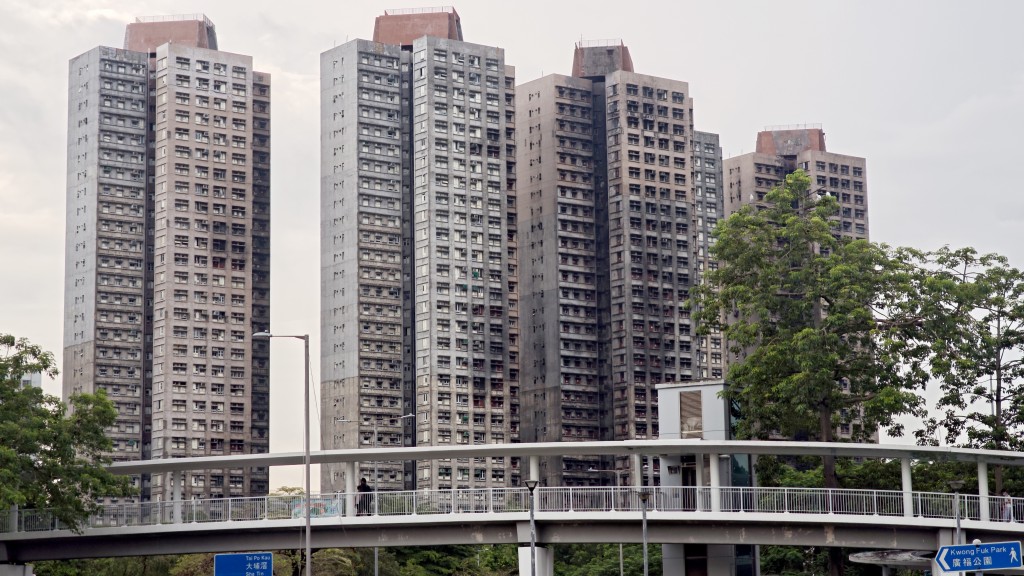
Hong Kong authorities have laid 259 charges against two companies and four individuals over renovation works at Wang Fuk Court in Tai Po, where a devastating fire last year killed 168 people and injured 79.
The Buildings Department announced the prosecutions on Wednesday after an investigation into renovation work at the housing estate was carried out jointly by the department and the Housing Bureau’s Independent Checking Unit. The case centres on allegations that defective and non compliant materials were used during the major repair project and that required safety supervision was not properly carried out.
The defendants include the project consultant, main contractor and four people linked to the companies involved in the work.
The Buildings Department said the investigation uncovered a series of alleged failures involving construction materials, supervision and the way prescribed repair works were conducted. Authorities have alleged that some of those practices contributed to the rapid spread of the fire and made it harder for residents to escape.
Six defendants named in prosecution
The companies facing prosecution are Will Power Architects Company Limited, which served as project consultant, and Prestige Construction & Engineering Co., Limited, the main contractor for the renovation work.
Four individuals have also been charged.
They are Wong Hap yin, a director of Will Power; Ng Yeuk, the registered inspector engaged for the project; and Hau Wa kin and Ho Kin yip, directors of Prestige.
The charges cover a range of alleged breaches connected with the renovation works.
According to the Buildings Department, the allegations include permitting or authorizing the use of defective or non compliant materials during building works. The defendants also face allegations involving the way construction work was carried out, including work that allegedly resulted in injuries and damage to property.
Other charges concern the supervision of prescribed repair works.
The department said registered inspectors have specific responsibilities during major building projects, including ensuring that prescribed works are carried out properly and that buildings remain safe during construction.
In the Wang Fuk Court case, authorities allege that the registered inspector appointed by Will Power failed to properly supervise the prescribed repair works and did not ensure that the buildings were safe.

Fire resistant materials at centre of case
One of the main issues identified by investigators concerns materials used around the buildings during renovation.
The Buildings Department alleges that Will Power and Prestige permitted or authorized the use of scaffolding netting and canvas that did not meet fire retardant requirements.
The companies are also accused of permitting or authorizing the use of non fire retardant foam boards to cover windows.
The allegations become particularly significant because of the role that scaffolding and temporary coverings can play during major building works. Renovation projects often require external scaffolding, protective coverings and temporary structures while repairs are being carried out. The materials used in those areas can affect how quickly a fire spreads from one part of a building to another.
Authorities also alleged that windows located along fire escape staircases were removed to create temporary openings during the works.
Those openings were then covered with materials that were not fire retardant, according to the Buildings Department.
Investigators have alleged that the combination of these measures contributed to the speed at which the fire spread through the estate.
The department also said the conditions hindered evacuation.
168 people died in the blaze
The fire at Wang Fuk Court became one of the deadliest residential fires in Hong Kong in decades.
A total of 168 people died and another 79 were injured, according to the figures cited by the Buildings Department.
The death toll has placed intense attention on the conditions at the estate, the renovation arrangements and the responsibilities of companies and professionals involved in the project.
The prosecution announced this week represents a major step in the regulatory response to the construction and safety issues identified during the investigation.
The charges do not by themselves establish guilt. The allegations will have to be determined through the relevant legal process.
However, the Buildings Department has set out specific concerns about the materials allegedly used at the site and the supervision of the prescribed repair works.
The case is likely to receive close attention because it involves both corporate defendants and individuals who held specific professional or management responsibilities during the renovation project.
Investigation examined renovation work
The prosecution followed an investigation conducted by the Buildings Department together with the Housing Bureau’s Independent Checking Unit.
The investigation examined the major renovation project at Wang Fuk Court and the manner in which prescribed repair works were carried out.
Rather than focusing solely on the circumstances surrounding the fire itself, the authorities examined construction practices and safety arrangements connected with the renovation.
That distinction is significant.
Building renovation work can involve numerous contractors, consultants, inspectors and workers operating at the same site. Each party has separate responsibilities, and failures at one stage can affect safety elsewhere on a project.
The charges announced by the Buildings Department cover several aspects of those responsibilities.
Among them are allegations involving the approval or authorization of materials that did not meet required standards, inadequate supervision and work practices that allegedly caused injuries or property damage.
The registered inspector's role has also come under scrutiny.
According to the department, the inspector engaged by Will Power was responsible for supervising prescribed repair works but allegedly failed to carry out that responsibility properly.
The authorities said the inspector also failed to ensure the safety of the buildings during the works.
Authorities tighten renovation rules
The Wang Fuk Court fire has also prompted changes to the way major renovation sites are inspected.
Following the blaze, the Buildings Department said it strengthened regulation, inspection and enforcement at major building renovation projects across Hong Kong.
One of the measures introduced by the department is surprise inspections at all major renovation sites at least once every six months.
The purpose is to allow inspectors to examine sites without relying solely on scheduled visits. Unannounced inspections can give authorities a clearer picture of how construction materials are actually being used and whether contractors are following approved safety requirements during active works.
The department has also introduced a requirement for contractors to obtain recognized fire retardant test reports for scaffolding netting before installation.
That requirement places greater emphasis on verifying the fire performance of materials before they are used at renovation sites.
For contractors, the change means documentation must be available to demonstrate that scaffolding netting meets recognized fire safety standards. It also gives regulators a clearer basis for checking whether materials being installed at construction sites comply with requirements.

Scrutiny of construction safety continues
The case has put renewed attention on the responsibilities of consultants, contractors, directors and registered inspectors involved in major renovation projects.
A building renovation project can extend over months or years, with workers and residents potentially operating in close proximity while external scaffolding, temporary coverings and other construction arrangements remain in place.
That makes the selection of materials and the supervision of works particularly important.
The allegations at Wang Fuk Court centre on precisely those areas. Authorities say non fire retardant scaffolding netting, canvas and foam boards were used, while temporary openings created along fire escape staircases were covered with materials that were also not fire retardant.
The department has linked those alleged practices to the fire’s rapid spread and the difficulties faced by residents attempting to evacuate.
The prosecution therefore reaches beyond individual construction decisions. It raises questions about how renovation projects are monitored, how safety responsibilities are divided and whether existing inspection procedures were sufficient to identify problems before disaster struck.
The introduction of more frequent surprise inspections and mandatory recognized fire retardant test reports represents the department’s immediate regulatory response.
What happens next
The 259 charges now place the two companies and four individuals before the legal process, where the allegations will be examined and the responsibilities of each defendant determined.
The case will also provide an opportunity to examine how the renovation works were organized, what materials were approved or installed and how safety inspections were carried out before the fire.
For residents, families and the wider Hong Kong community, the central issue is accountability for the conditions that existed at Wang Fuk Court before the blaze.
The authorities have already changed inspection requirements for major renovation projects. The next question is whether those measures will prevent another construction site from reaching the same level of risk.
Should Hong Kong introduce even stricter independent safety checks for major residential renovation projects before work is allowed to begin?