

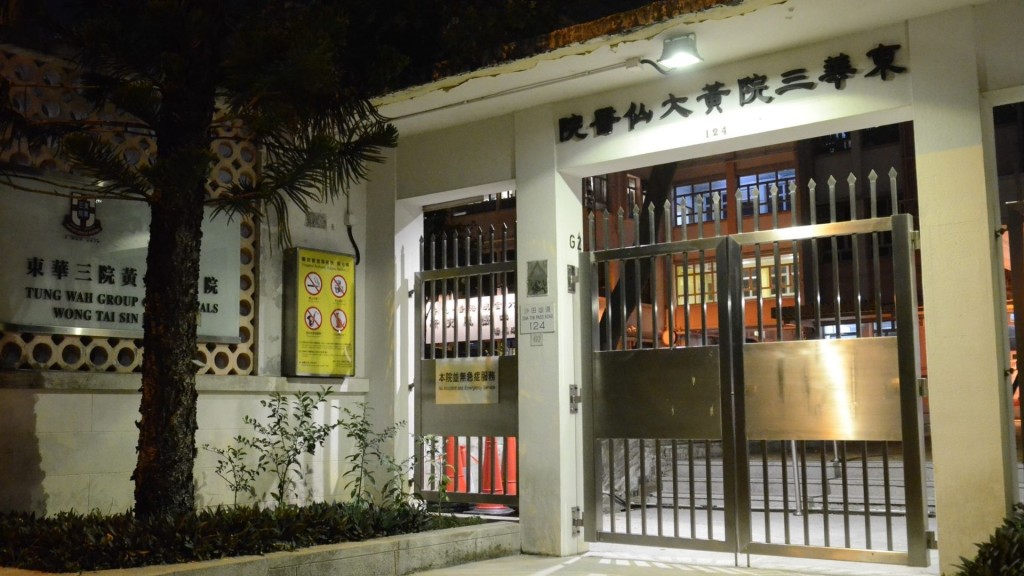
An Influenza A outbreak at Tung Wah Group of Hospitals Wong Tai Sin Hospital has expanded, with 13 additional patients and one staff member testing positive as three elderly male patients died after developing the infection.
The hospital said on Monday that six male patients aged between 63 and 95 in a tuberculosis and chest ward had developed fever and respiratory symptoms and subsequently tested positive for Influenza A. Seven female patients aged between 55 and 85 in an infirmary ward were also confirmed to have the virus.
One hospital staff member developed similar symptoms and also tested positive. The staff member has been placed on sick leave while the hospital continues to monitor the outbreak.
Three male patients aged between 81 and 95 have died. The hospital said all three had serious underlying illnesses.
Outbreak Spreads Across Two Hospital Wards
The latest cases involve patients from two separate wards, with six men diagnosed in the tuberculosis and chest ward and seven women diagnosed in an infirmary ward.
The ages of the affected patients range from 55 to 95, placing many of them in older age groups that can face greater health risks when dealing with respiratory infections, particularly when other medical conditions are present.
The hospital said the 10 remaining patients from the latest group of cases are receiving treatment in isolation and are in stable condition.
The infected staff member is also being kept away from work while recovering.
The latest announcement brings the number of people connected to the outbreak to a substantially higher level than when the hospital first reported the cluster.

Previous Cases Reported Since September 7
Before Monday's announcement, the hospital had reported 10 Influenza A cases linked to the outbreak since September 7.
Those earlier cases involved five male patients, three female patients and two staff members.
The addition of 13 patients and one staff member means the outbreak has now involved at least 24 confirmed cases among patients and staff, based on the figures released by the hospital.
The cases have emerged among different wards and include both patients and hospital personnel. The development has prompted the hospital to strengthen measures aimed at limiting further transmission inside the facility.
The hospital has not indicated that the outbreak has spread beyond the affected wards, nor has it reported any other deaths linked to the latest cluster apart from the three elderly male patients.
Three Elderly Patients Die
The three deaths are the most serious development in the latest outbreak.
The patients were men aged between 81 and 95, and all had serious underlying illnesses. The hospital did not provide further details about their medical conditions.
Older patients with existing health problems can face additional complications when they contract respiratory viruses. For patients already receiving hospital treatment, an infection can add further strain to their existing medical conditions.
The hospital has not stated that Influenza A was the sole cause of death in any of the three cases. Its statement instead noted that the deceased patients had serious underlying illnesses.
That distinction is important when assessing deaths associated with infections in hospitals. A patient may test positive for a respiratory virus while also suffering from other serious conditions that affect their overall health.
The remaining patients from the newly identified cases are reported to be stable and continue to receive treatment under isolation arrangements.

Infection Control Measures Strengthened
Wong Tai Sin Hospital has responded to the outbreak by increasing infection control measures in the affected areas.
These measures include thorough cleaning of the wards and enhanced hand hygiene. Such steps are intended to reduce the possibility of transmission between patients, medical staff and other people entering the affected areas.
Hospital acquired infections can present particular challenges because patients often share clinical environments with people who already have weakened health. Medical staff also move between patients and wards, making infection prevention an important part of controlling respiratory virus clusters.
The hospital's decision to isolate infected patients is designed to reduce contact with other patients while allowing medical teams to continue providing treatment.
Staff members who develop symptoms are also being kept away from work, as shown by the infected employee being placed on sick leave.
Influenza A and Hospital Patients
Influenza A is one of the main types of influenza virus responsible for seasonal flu infections. Symptoms can include fever, cough, sore throat, muscle aches and fatigue, although symptoms can vary between individuals.
For many healthy people, influenza is generally managed without serious complications. However, older adults and people with existing medical conditions can face a higher risk of complications.
Hospitals therefore maintain infection control procedures during influenza outbreaks to protect patients who may be particularly vulnerable.
The Wong Tai Sin Hospital outbreak involves patients from a wide age range, but many of those affected are older adults. The latest cases include patients aged 63 to 95 in the tuberculosis and chest ward and patients aged 55 to 85 in the infirmary ward.
The presence of an infected staff member adds another layer to the hospital's infection control response because healthcare workers have close contact with patients during routine treatment and care.
Hospital Continues Monitoring
The hospital is continuing to monitor the affected patients, while infection control measures remain in place.
The 10 patients from the latest group who remain in hospital are reported to be stable. The infected staff member is on sick leave.
The three deaths have also drawn attention to the health risks faced by elderly hospital patients with serious underlying illnesses. While the hospital has linked the deaths to patients who tested positive for Influenza A, it has not described the virus as the only cause of death.
For now, the hospital's response is focused on containing transmission, treating infected patients and preventing further cases among patients and staff.
Should hospitals further strengthen influenza screening and infection control measures when dealing with vulnerable elderly patients?