

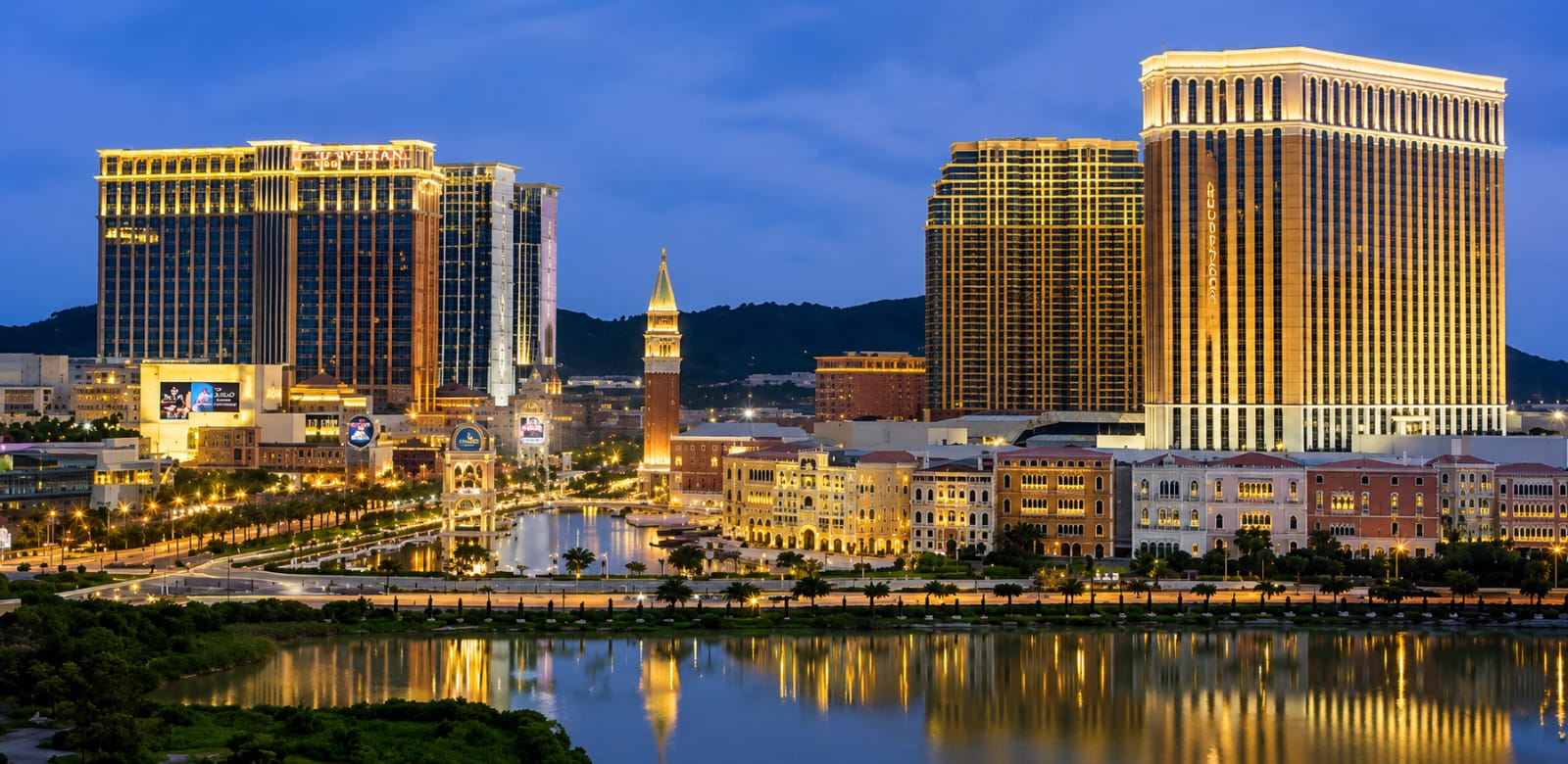
Macau Secretary for Public Works and Transportation Raimundo do Rosário joined executives from the consortium behind the Emerald Palace Macau to ceremonially break ground on Friday for what will become the territory's tenth integrated resort, a 48-billion-pataca development on the last available large site on Cotai that will add 3,000 hotel rooms, 65 gaming tables and 300 electronic gaming machines, and 120,000 square metres of non-gaming facilities to the peninsula when it opens in phases from 2029.
A Landmark Development
The Emerald Palace Macau, developed by a consortium comprising Macau-listed casino operator LSG Entertainment, a sovereign wealth fund from Abu Dhabi and a Singapore-based hospitality investment group, represents the most ambitious single construction project in Macau since the opening of Studio City in 2015. Its development has been made possible by the gaming concession amendment approved by the Legislative Assembly in March 2026, which authorised a modest expansion of the aggregate gaming table quota as part of a broader negotiation covering concession extension terms.
The resort's design, by the Zaha Hadid Architects partnership, draws inspiration from the patterns of traditional Macanese lace and the layered geometry of the Lotus Flower, which features on the Macau SAR emblem. The building's distinctive curved facade, sheathed in parametrically designed glass panels that shift in colour response to ambient light conditions, has already generated considerable architectural commentary in the trade press.
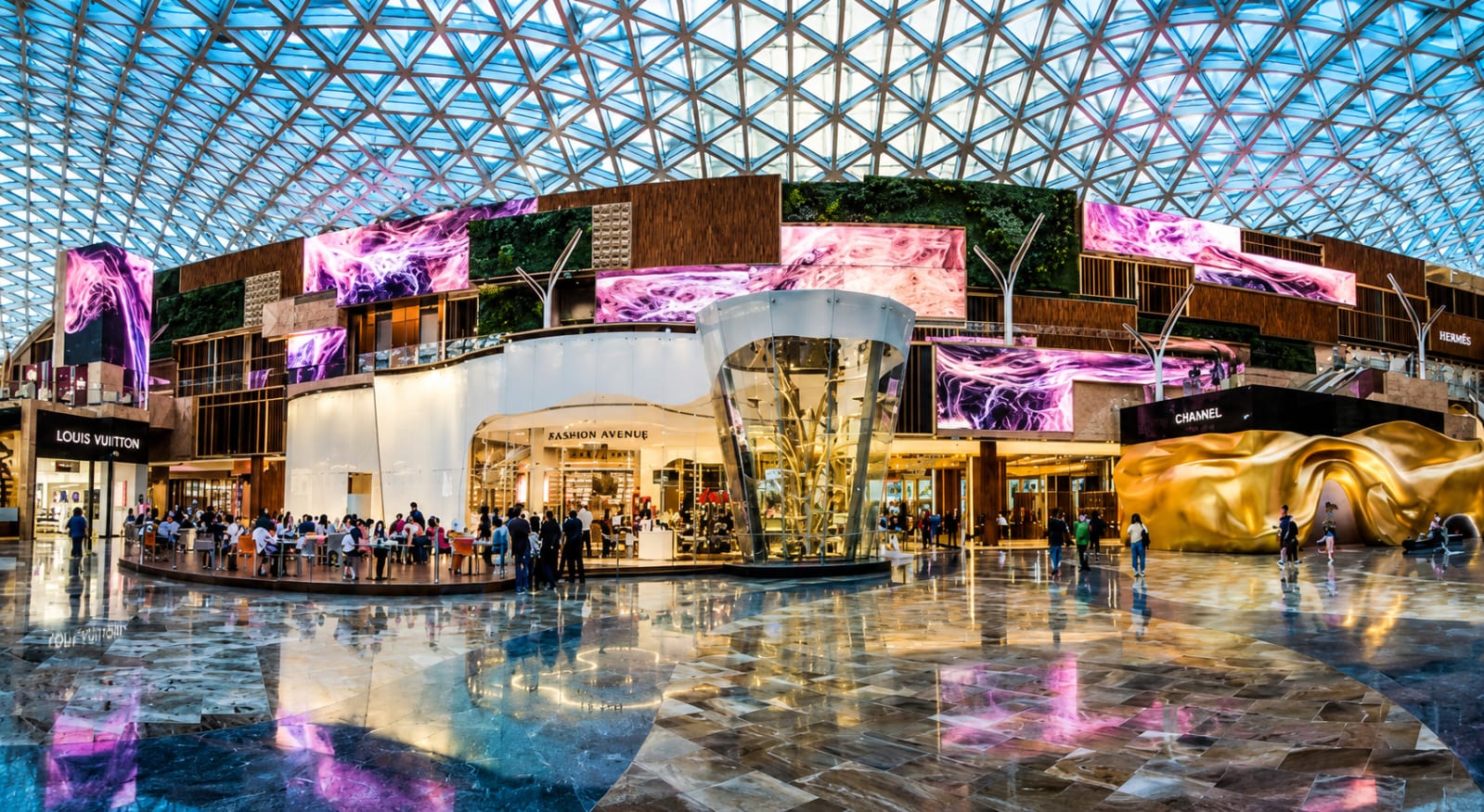
The Emerald Palace Macau will add 3,000 hotel rooms and 120,000 square metres of non-gaming space to the Cotai Strip when it opens from 2029.
Non-Gaming at the Centre
Non-gaming facilities represent the largest single component of the investment, reflecting both the concession framework's requirements and the operators' assessment of where sustainable growth lies. The resort will feature a 5,000-seat performing arts theatre designed to host international touring productions comparable to those at the MGM Cotai Theatre, a 40,000 square metre retail mall curated around Asian luxury brands, a medical wellness centre operated in partnership with a major Hong Kong hospital group, and a culinary academy and food hall celebrating the gastronomy of Portuguese-speaking countries.
The MICE component is designed to be the resort's most distinctive feature. A convention centre with 45,000 square metres of flexible event space, including an 8,000-seat plenary hall, positions Emerald Palace as capable of hosting major international conferences that currently exceed the capacity of existing Macau venues.
Employment and Economic Impact
During the three-year construction phase, the project will employ an estimated 8,000 construction workers and support an equivalent number of indirect jobs in materials supply, logistics and professional services. Once operational, the resort is projected to employ 8,500 full-time staff, making it one of Macau's five largest individual employers. A dedicated training programme, to be delivered in partnership with the Institute for Tourism Studies, will provide hospitality and gaming management qualifications to 500 Macau permanent residents annually throughout the construction period.
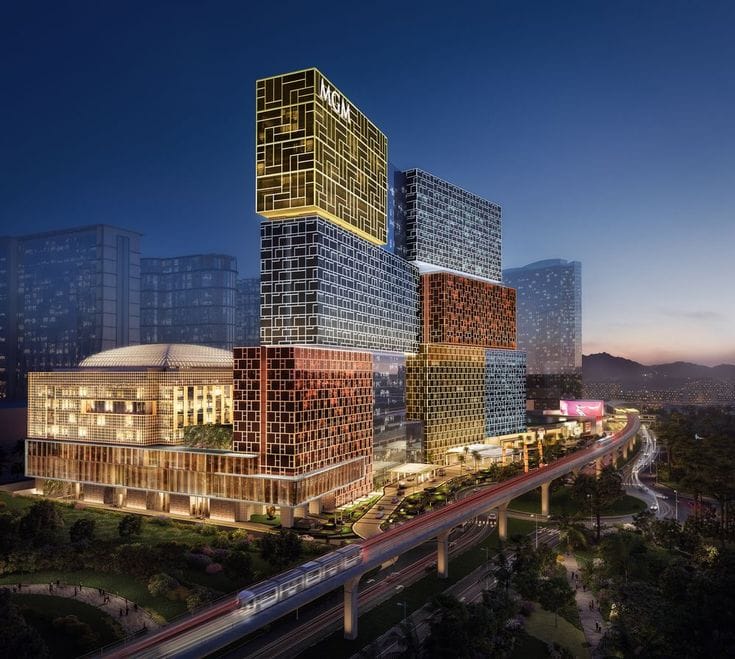
Construction will employ 8,000 workers over three years, with 8,500 permanent positions created when the resort opens in phases from 2029.
Sustainability Commitments
The development has made ambitious sustainability commitments, targeting LEED Gold certification and an energy intensity 35 percent below the average of existing Macau integrated resorts. Solar panels covering the roof areas of ancillary buildings will generate 8 megawatts of on-site renewable electricity. The resort will implement a food waste composting system processing all organic waste from kitchen operations, and has committed to eliminating single-use plastics from all guest-facing operations by the time of its first phase opening.
Water conservation measures include a greywater recycling system for irrigation and toilet flushing, and a cooling tower water management system reducing freshwater consumption in the chiller plant by an estimated 40 percent relative to conventional designs. These commitments reflect both the corporate ESG policies of the international consortium members and the Macau government's Carbon Neutrality Roadmap 2050, which requires all major new commercial developments to meet defined green building standards.