

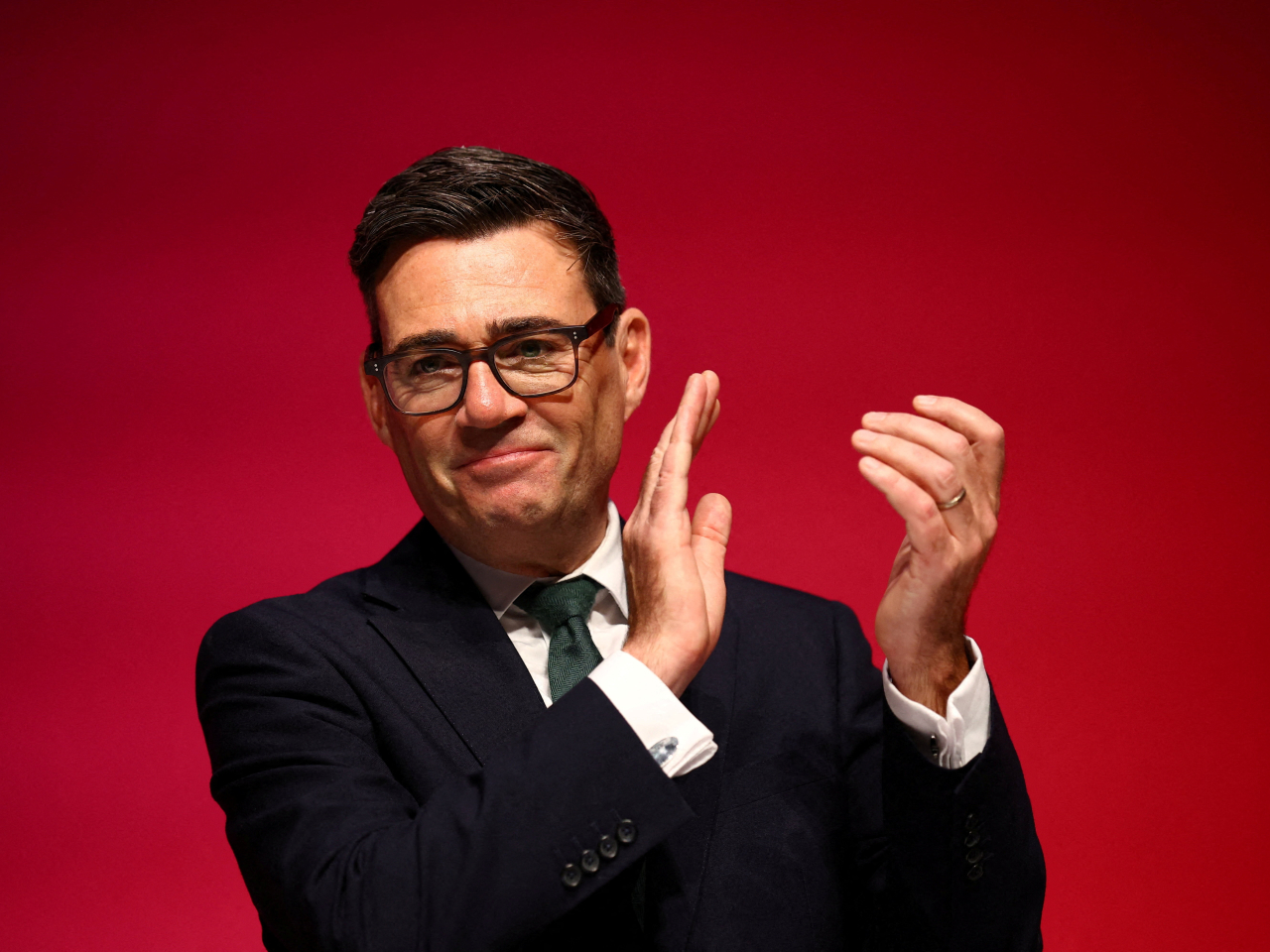
UK Prime Minister Andy Burnham has opened the door to Britain eventually rejoining the European Union, saying the country should examine every option for its long-term relationship with Europe after Brexit.
Speaking in a BBC interview on Wednesday, Burnham was asked whether he hoped Britain would return to the EU. He said Brexit had done more harm than good and confirmed that he would like to see the UK rejoin the bloc during his lifetime. He also stressed that rejoining the EU was only one of several possibilities under consideration, alongside remaining outside the bloc, returning to the customs union and rejoining the European single market.
The comments represent a significant change in the political debate over Brexit. Since Britain voted to leave the EU in 2016, successive governments have treated membership of the bloc as a settled issue. Burnham's remarks reopen a question that had largely been excluded from mainstream government policy: whether Britain could eventually seek EU membership again.
Burnham Says All Options Should Be Considered
Burnham has not announced a government decision to seek EU membership. Instead, he has called for a wider discussion about the country's future relationship with the bloc.
The prime minister said Britain could choose to maintain its current arrangements, consider membership of the EU customs union, return to the single market or potentially go further and seek full EU membership. His comments followed a speech at the Labour Party conference in which he argued that Brexit had failed to deliver the benefits promised by its supporters.
In the BBC interview, Burnham made clear that remaining outside the EU was still an option. He said the government would need to examine the advantages and disadvantages of different arrangements before deciding what direction Britain should take.
That distinction is important. The prime minister has not formally committed the UK to rejoining the EU, nor has he announced a new referendum. Instead, he has indicated that the question should be examined as part of a broader assessment of Britain's economic and political relationship with Europe.
A Major Shift From Earlier Labour Policy
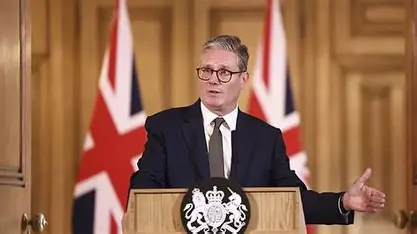
Burnham's position also marks a departure from the approach taken by Labour under former prime minister Keir Starmer.
Labour's 2024 election platform committed the party to remaining outside the EU, the single market and the customs union while seeking closer cooperation with Brussels. The government subsequently pursued agreements designed to reduce some of the practical difficulties created by Brexit without reversing the decision to leave.
Starmer had repeatedly ruled out returning to the single market and customs union and rejected a return to free movement. Those positions were described as Labour's red lines on the UK's relationship with Europe.
Burnham's willingness to discuss all of those possibilities changes the terms of that debate. His comments do not automatically alter existing policy, but they put options that had previously been ruled out back into public discussion.
The timing is also significant. Britain left the EU formally in January 2020, following the 2016 referendum, while arrangements governing the transition period ended later that year. The UK subsequently operated outside the EU single market and customs union.
Britain Voted to Leave in 2016
The roots of the current debate go back to June 2016, when British voters were asked whether the country should remain a member of the European Union.
The Leave campaign won the referendum with 52% of the vote, compared with 48% for Remain. The result began a lengthy political process that eventually led to Britain's formal withdrawal from the EU and a new trading and regulatory relationship with the bloc.
Brexit supporters argued that leaving would allow Britain to regain greater control over immigration, regulation and trade policy. Supporters of remaining in the EU warned that departure would create economic and administrative barriers between Britain and its largest nearby trading partner.
A decade later, those arguments remain central to Britain's political debate.
Burnham has argued that Brexit contributed to weak economic growth and that Britain should reconsider its relationship with Europe as it looks for ways to improve future economic performance. The Office for Budget Responsibility has previously estimated that Brexit will reduce the UK's long-run productivity and economic output compared with a scenario in which Britain had remained in the EU.
What Would Rejoining the Single Market Mean?
Returning to the single market would not be the same as simply restoring Britain's previous EU membership.
The single market allows goods, services, capital and people to move between participating countries under a common framework of rules. Rejoining it would therefore require Britain to accept a much closer relationship with EU regulations and institutions than the current post-Brexit arrangement.
The customs union would involve a different set of commitments. A customs union removes customs duties between participating members and applies a common external tariff to goods entering from outside the union. Britain left the EU customs union when the Brexit transition arrangements ended.
Full EU membership would go further still. It would involve returning to the wider political, economic and legal framework of the European Union rather than selecting individual areas of cooperation.
For that reason, Burnham's reference to several possible paths is not simply a choice between being in or out of Europe. Each option would carry different consequences for trade, regulation, immigration, political decision-making and Britain's relationship with EU institutions.
The Debate Is Returning to British Politics
Burnham's intervention comes as the UK and EU continue efforts to improve relations after years of tension surrounding Brexit.
The Labour government had previously sought closer cooperation with Brussels while maintaining its opposition to membership of the single market and customs union. Those discussions have covered areas including trade, energy, security, education and youth mobility.
European leaders have also reacted to Burnham's latest comments. French President Emmanuel Macron welcomed the possibility of Britain eventually returning to the EU, while Spanish Prime Minister Pedro Sánchez expressed support for closer UK-EU relations. European officials have nevertheless stressed that any future membership application would have to follow the EU's established rules and conditions.
For now, there is no formal British application to rejoin the European Union.
Burnham has instead placed the full range of possibilities back on the political table. His government is expected to discuss the UK's future relationship with Europe at an upcoming UK-EU summit, after which the issue could become part of the political debate ahead of the next general election.
Britain's 2016 referendum settled the immediate question of whether the country would remain in the EU. Burnham's intervention raises a different question for the next stage of British politics: should the UK maintain its post-Brexit relationship with Europe, seek closer integration, or eventually consider membership again?