

A planned meeting between Iran and Gulf states in Oman has been postponed, adding uncertainty to diplomatic efforts aimed at reducing regional tensions and addressing security concerns around the Strait of Hormuz.
Omani Foreign Minister Sayyid Badr bin Hamad Al Busaidi announced the postponement on Sunday, saying the regional meeting scheduled for Monday in the Omani city of Salalah had been delayed in the interests of reaching consensus.
“We remain committed to fostering dialogue that supports stability and lasting cooperation in our region,” Al Busaidi said in a post on X.
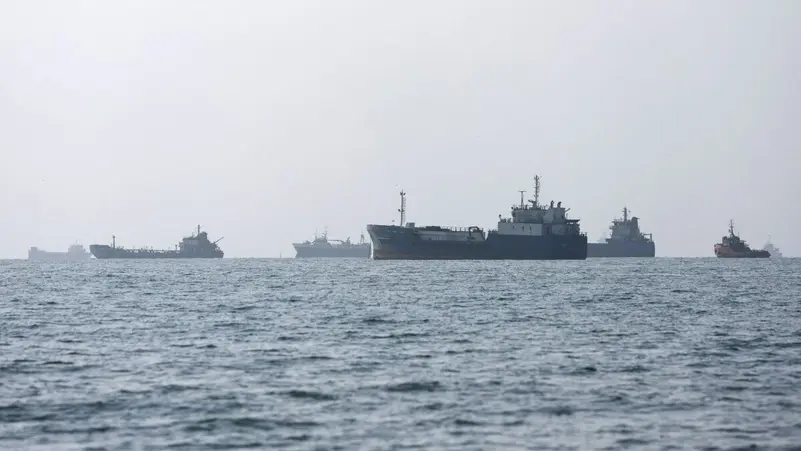
The postponement came as Iran continued to face military and economic pressure from the United States and as concerns remained over shipping security and the movement of commercial vessels through the Strait of Hormuz, one of the world's most important energy routes.
Iran and Oman Agree to Delay Meeting
Iran confirmed that the meeting had been postponed following requests from some regional countries.
Mohammad Ali Bak, director general of the Persian Gulf at Iran's Foreign Ministry, told Iran's official news agency IRNA that the decision was taken jointly by Iran and Oman.
Bak said the meeting would be held at another date and that Iranian officials were continuing consultations with Oman over the arrangements.
He said Tehran remained in close contact with Muscat to determine an appropriate time for the gathering and to coordinate the practical arrangements needed for the talks.
The meeting had been expected to bring together foreign ministers from Iran, Iraq and Gulf states for discussions on regional issues. Its postponement leaves the timing of the next diplomatic gathering uncertain.
Iranian Foreign Ministry spokesman Esmaeil Baghaei had announced on Friday that the Gulf states' foreign ministers were scheduled to meet in Oman on Monday.
The proposed discussions were expected to include the talks between Iran and Oman on establishing safe routes through the Strait of Hormuz.
Strait of Hormuz Security Remains a Concern
The Strait of Hormuz has become a major focus of regional security discussions as tensions between Iran and the United States have intensified.
The narrow waterway connects the Persian Gulf with the Gulf of Oman and is a major route for international energy shipments. Any disruption can affect the movement of oil and other commodities and create wider concerns for governments and markets.
Baghaei told Al Jazeera on Saturday that he hoped foreign ministers from Gulf countries, along with representatives from Iran and Iraq, would attend the planned gathering.
The postponement means those discussions will not take place as originally scheduled.
No new date was announced by Oman or Iran when the delay was confirmed.
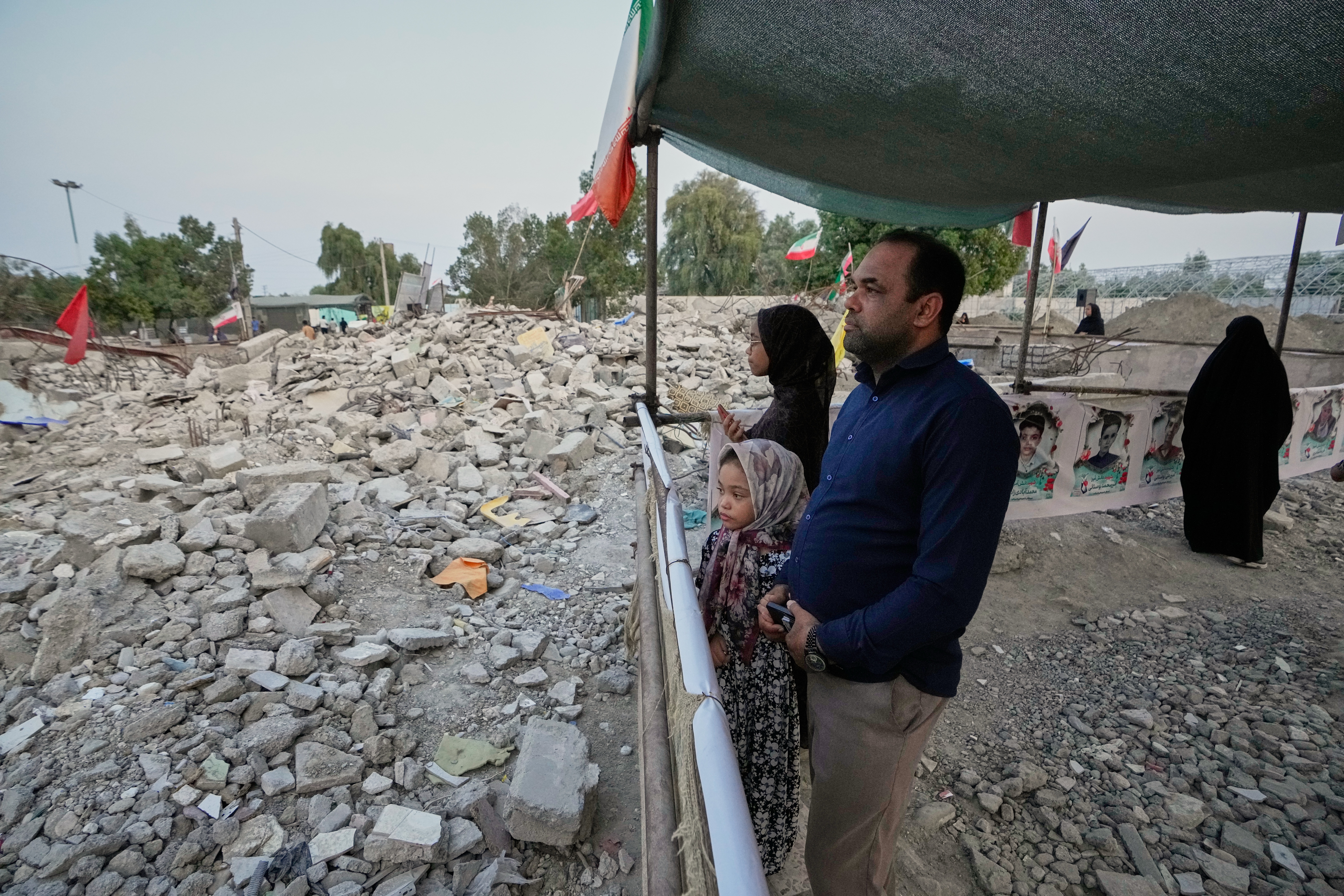
The timing of the postponement also comes after reports of attacks and heightened military activity in the wider region, increasing the pressure on governments to maintain communication channels.
Pezeshkian Rejects US Pressure
Also on Sunday, Iranian President Masoud Pezeshkian sharply criticised the United States over what he described as a war against Iran and its population.
In a post on X, Pezeshkian accused Washington of targeting infrastructure and affecting the livelihoods of ordinary Iranians.
He said Iran would not surrender despite what he described as American pressure and bullying.
“If Americans are warriors, let them face our valiant military forces. Why wage war on civilian infrastructure, food supplies, and livelihoods?” Pezeshkian said.
He also questioned restrictions affecting access to basic necessities, including water, food and medicine.
“If they're human, why deny people access to water, food, and medicine?” he said, adding that Iran could not be forced into submission.
The remarks reflect the increasingly confrontational language coming from Tehran as negotiations over the conflict remain uncertain.
US Says Conflict Could End This Year
US President Donald Trump offered a different assessment of the diplomatic outlook on Sunday, saying he expected the war with Iran to end this year.
Speaking to reporters during a visit to Ireland, Trump said the conflict could end after the US midterm elections in November.
“It'll end right after the midterms. Gasoline's going to drop like a rock,” Trump said.
Trump also claimed that Iran wanted to reach a deal with Washington and had been making repeated calls to seek an agreement.
“Iran wants to make a deal so bad. They are calling constantly,” he said, while adding that any agreement would have to meet US demands.
Trump's comments came as the status of earlier negotiations between Washington and Tehran remained unclear.

Previous Agreement Has Not Produced Final Deal
On June 18, the United States and Iran signed a memorandum of understanding concerning an effort to end the regional war.
The agreement called for negotiations to begin within 60 days, with the deadline falling on August 17. The talks were expected to produce a final agreement, but the process has faced renewed uncertainty following a fresh escalation in hostilities.
The current diplomatic picture therefore remains unsettled. Oman has continued to play a role in regional diplomacy, while Iran has maintained contacts with neighbouring countries despite its confrontation with Washington.
The postponement of the Salalah meeting removes one immediate opportunity for regional officials to discuss security and diplomatic concerns together.
Iraq Begins Phased Reopening of Iran Border Crossings
While diplomatic efforts remain uncertain, Iraq announced a phased reopening of three major border crossings with Iran on Sunday.
The Iraqi Security Media Cell said the reopening followed administrative and technical reviews intended to improve security arrangements and make movement across the borders more orderly.
The crossings involved are Shalamcheh, Mandali and al Sheeb.
Passenger movement through al Sheeb and Shalamcheh resumed at 6am on Sunday, according to the statement. Commercial activity at Shalamcheh is scheduled to resume on Monday, followed by Mandali on Tuesday and al Sheeb on Thursday.
The Iraqi authorities stressed that movement through the Zurbatiyah and al Munthiriya crossings had not been affected by the closures and continued to operate around the clock.
The reopening follows temporary closures introduced after Iraqi authorities began administrative and security reorganisation at several border points.
Border Closures Follow Security Investigation
Iraqi security authorities said on Saturday that they had launched administrative and security reorganisation operations at several border crossings following security breaches.
The measures came after Iraqi Prime Minister Ali al Zaidi dismissed the Maysan Operations Commander.
Authorities had confirmed that attacks targeting Saudi Arabia were launched from a location in Maysan province in southern Iraq.
Saudi Arabia said on Friday that several drones launched from Iraq had targeted its East West Pipeline. The attack caused injuries and damage, according to the Saudi Foreign Ministry.
The Saudi government said it had refrained from responding at that stage following a request from the Iraqi prime minister.
The incident has added another security concern to an already tense regional environment.
Saudi Arabia's East West Pipeline is an important alternative route for transporting crude oil. It carries oil from fields in the country's east to the Red Sea port of Yanbu, allowing shipments to bypass the Strait of Hormuz.
Regional Diplomacy Faces New Test
The postponed meeting in Salalah was intended to bring regional governments together at a time when security concerns are spreading across several fronts.
Iran is under continued pressure from Washington, the future of US Iranian negotiations remains uncertain, and the security of shipping routes around the Strait of Hormuz remains a major concern for neighbouring states.
At the same time, Iraq is dealing with security issues linked to attacks launched from its territory while trying to keep its border crossings with Iran functioning.
Oman has signalled that it remains committed to dialogue, but the decision to postpone the Salalah meeting shows that regional governments have yet to settle on the conditions needed for the talks to proceed.
With no replacement date announced, the next stage will depend on whether Iran, Oman, Iraq and the Gulf states can agree on a new timetable and restore the diplomatic meeting that was intended to address some of the region's most immediate security concerns.
Will the postponed Salalah meeting return to the diplomatic calendar soon enough to help ease tensions around the Strait of Hormuz?