

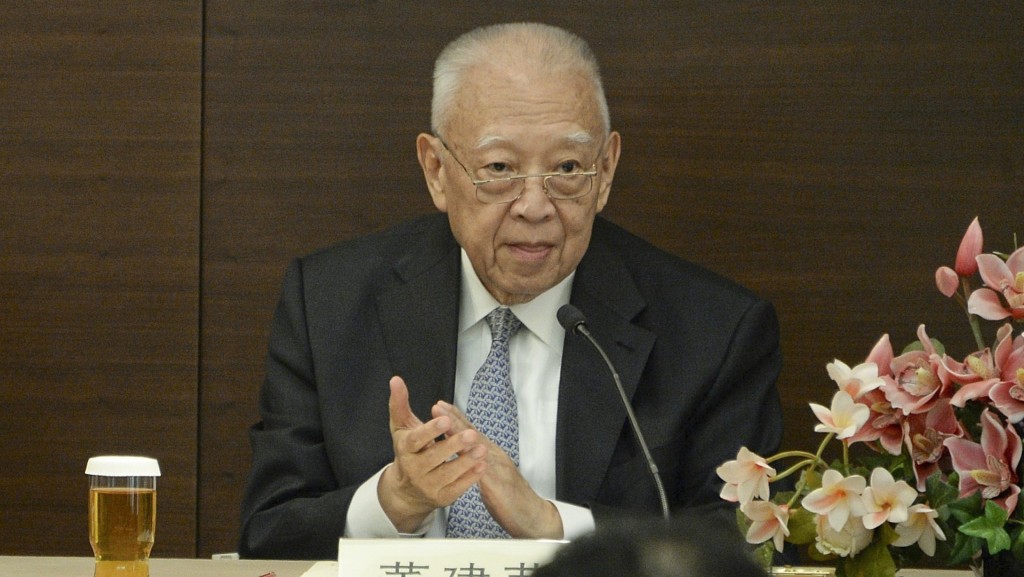
Members of the public will not be able to attend the memorial ceremony for Tung Chee Hwa, Hong Kong’s first Chief Executive, when the event is held on Sunday, September 20, because of limited space at the venue. Instead, the public will be able to honour the former leader at three designated condolence points where books will be available for messages and signatures.
The Office of Former Chief Executives of the Hong Kong Special Administrative Region said the memorial ceremony would be restricted to invited guests. The arrangement was announced as preparations continued for the ceremony commemorating Tung, who served as Hong Kong’s first Chief Executive after the establishment of the Hong Kong Special Administrative Region in 1997.
The decision means that members of the public who wish to pay their respects will not be able to enter the memorial ceremony itself. They will, however, have an opportunity to record their condolences at locations arranged by the Home Affairs Department.
Three Condolence Points to Open From September 18
The Home Affairs Department will establish three condolence points from September 18 through September 20.
Condolence books will be placed at the designated locations, allowing members of the public to leave written messages in memory of Tung. The arrangements provide a formal way for residents to express their respects despite the limited capacity at the memorial ceremony.
The three day period gives the public several opportunities to visit the condolence points before the memorial ceremony on Sunday.
For people unable to attend the ceremony itself, signing a condolence book offers a direct way to participate in the commemorative arrangements. The public can visit during the designated period and leave a personal message in recognition of Tung’s public service.
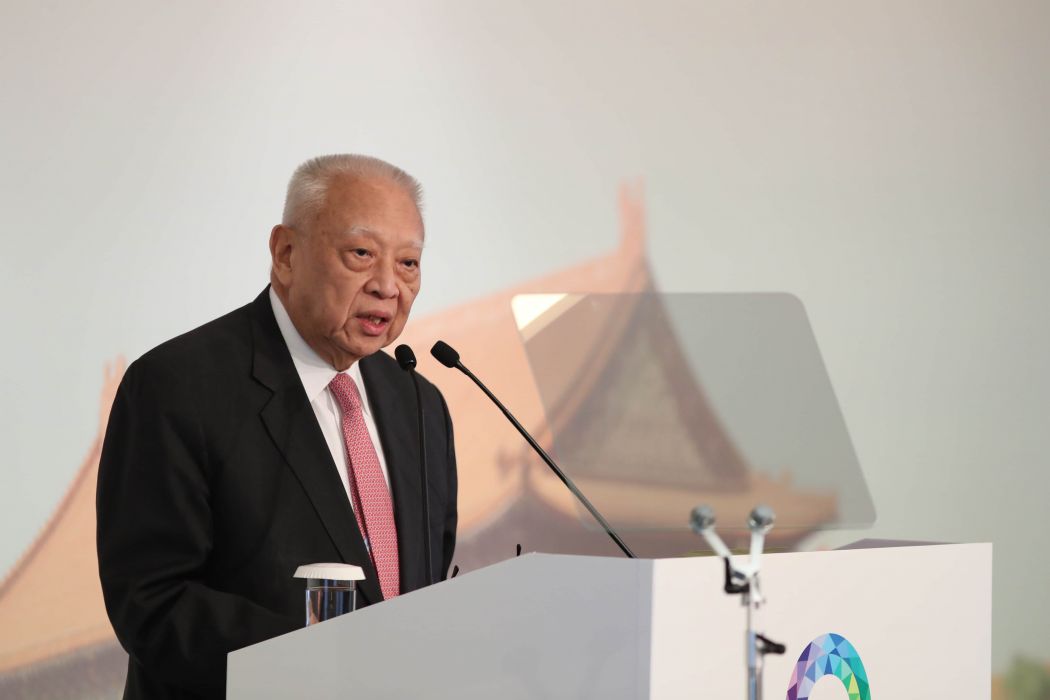
Tung Was Hong Kong’s First Chief Executive
Tung Chee Hwa became Hong Kong’s first Chief Executive on July 1, 1997, when sovereignty over Hong Kong was transferred from Britain to China and the Hong Kong Special Administrative Region was established.
His tenure placed him at the centre of Hong Kong’s transition into the post handover era. As the first person to hold the city’s top executive position under the new constitutional framework, Tung oversaw the administration during the early years of the SAR.
His time in office included a period of major political, economic and social change. The administration faced the task of establishing new governing arrangements while maintaining Hong Kong’s role as an international financial and commercial centre.
Tung was re elected in 2002 and began a second term, but stepped down as Chief Executive in March 2005. He was succeeded by Donald Tsang, who became Chief Executive later that year.
Following his departure from Hong Kong’s top political office, Tung continued to hold public positions and remained involved in national and regional affairs.
He later became vice chairman of the Chinese People’s Political Consultative Conference, a senior position that kept him involved in political and public affairs in mainland China and Hong Kong.
Memorial Arrangements Reflect Venue Limits
The decision to limit attendance at Sunday’s ceremony is based on the available space, according to the Office of Former Chief Executives.
Rather than opening the ceremony to unrestricted public attendance, organisers have arranged separate opportunities for members of the public to pay their respects.
This approach allows the memorial service to proceed with invited guests while still giving the wider community a recognised channel for expressing condolences.
The condolence books also provide a more personal form of participation. Visitors can write individual messages rather than simply attending a public gathering, creating a record of tributes from residents and others who wish to commemorate Tung.
The three condolence points will operate from Thursday, September 18, until Saturday, September 20, covering the days immediately before and including the day of the memorial arrangements.
Members of the public planning to attend are expected to use the designated condolence points rather than attempting to access the invitation only ceremony.

Public Participation Remains Possible
Although attendance at the memorial ceremony itself is restricted, the arrangements make clear that public participation has not been excluded altogether.
The condolence points are intended to provide a dedicated space for people to express their feelings and leave messages in memory of Tung. For many residents, particularly those who lived through Hong Kong’s transition in 1997 and Tung’s years in office, the opportunity may also serve as a moment to reflect on the city’s political history.
Tung’s role as the first Chief Executive gives the memorial added significance in Hong Kong’s post handover history. His administration was responsible for governing during the territory’s first years under the Basic Law and the new SAR system.
The public condolence arrangements therefore extend beyond the formal ceremony. They create a separate avenue through which residents can participate in the commemoration without adding pressure to a venue whose capacity is limited.
People wishing to pay their respects should visit one of the three designated condolence points between September 18 and September 20 and sign the condolence book.
Will you be paying your respects to Tung Chee Hwa at one of the public condolence points?